
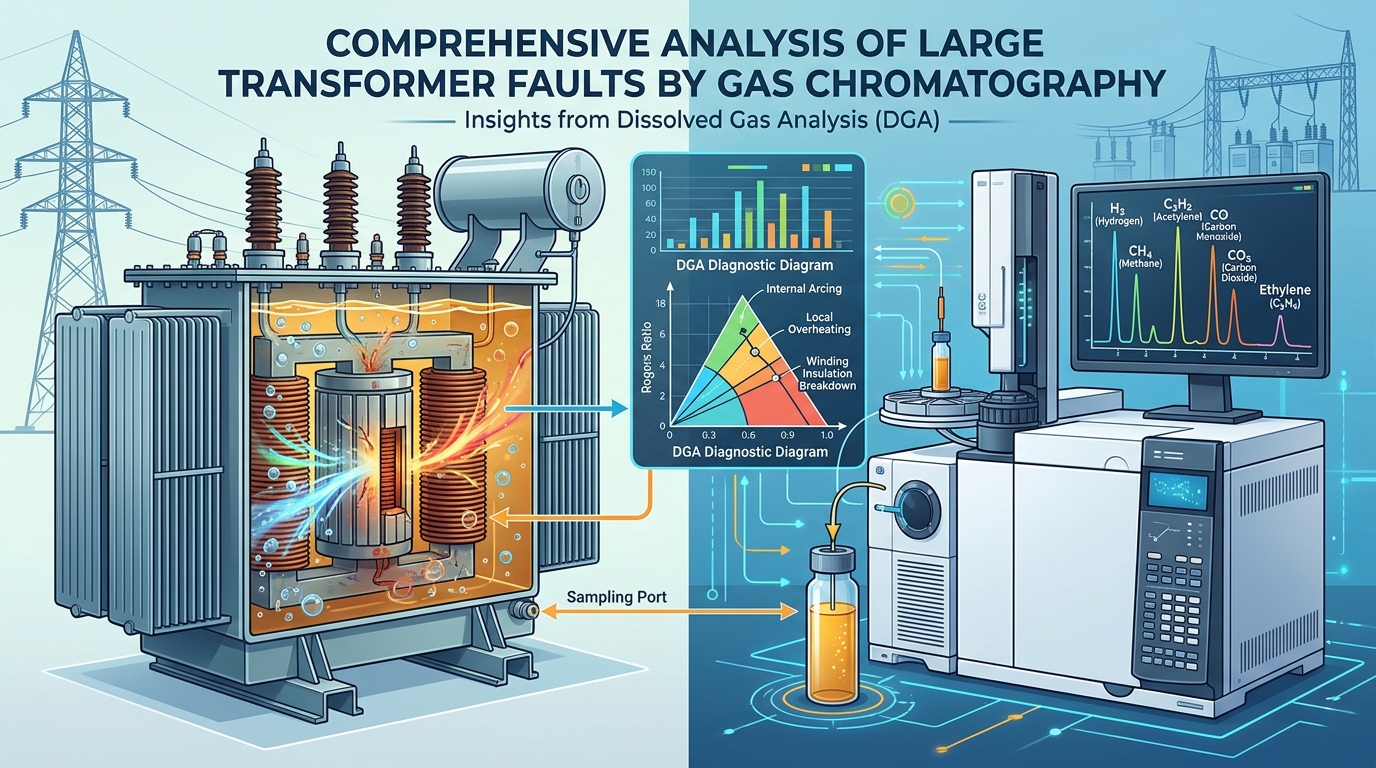
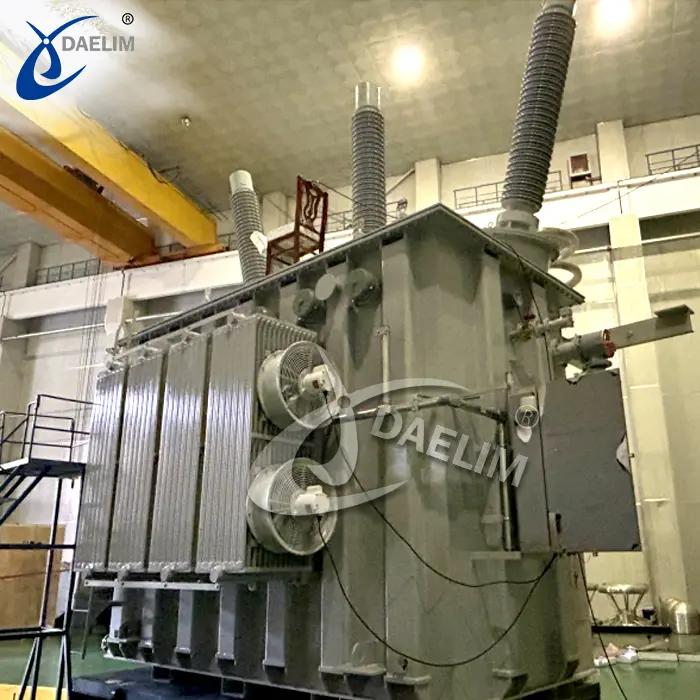
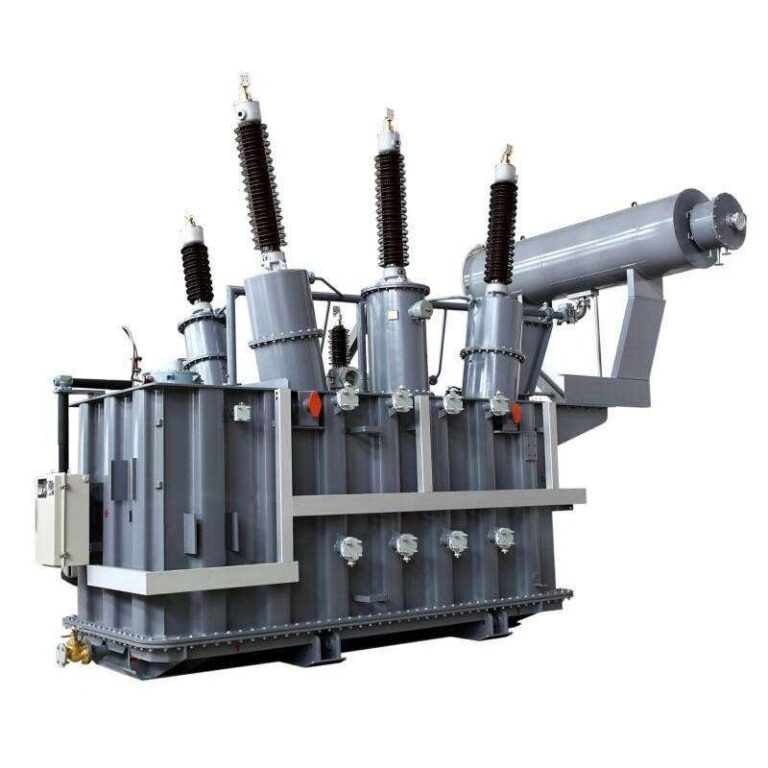
The large electrical transformers are one of the most valuable and critical assets in any electricity distribution system. The system relies on them so much that any fault or problem in these large power transformers can seriously affect the stability and efficiency of the system.
This article will provide a very comprehensive analysis of large power transformer fault detection using gas chromatography. We will explain what gases are produced in large electrical transformers due to different types of faults and how gas chromatography helps detect these gases to find faults.
What Is Gas Chromatography?
Gas chromatography is an analytical laboratory testing technique that is used to separate and identify different individual gases that are dissolved in any type of insulation oil, especially in transformer insulating oil. This process can also very easily determine the quantity of individual gases that it detects in the transformer insulation oil.
Why Electrical Transformers Need Gas Chromatography Analysis
Electrical transformer oil tells a lot about the transformer health and faults happening inside the transformer tank. Transformer oil gas chromatography analysis helps us know about the transformer health and understand the faults happening inside the transformer.
Electrical transformers are designed and developed in such a way that different insulation materials are used to insulate different parts of the electrical transformer. Any electrical transformer can have mineral insulating oil, cellulose paper insulation material, and pressboard insulation material for the insulation of its transformer winding and core assembly.
These materials can very easily decompose under electrical or thermal stresses that happen during the peak operating conditions of the electrical transformer tank. This depends on the type of fault and the temperature at which that fault is occurring.
Gas chromatography performed on the transformer oil will extract these gases from the given sample of the transformer oil. The process will measure the specific concentration of any or all gases found within the given sample and will deliver results with high accuracy. The results are usually presented in parts per million (ppm) or presented in microliters per liter (µL/L). This concentration becomes the basis for the Dissolved Gas Analysis (DGA).
Why Gas Chromatography Is Important for Large Transformers
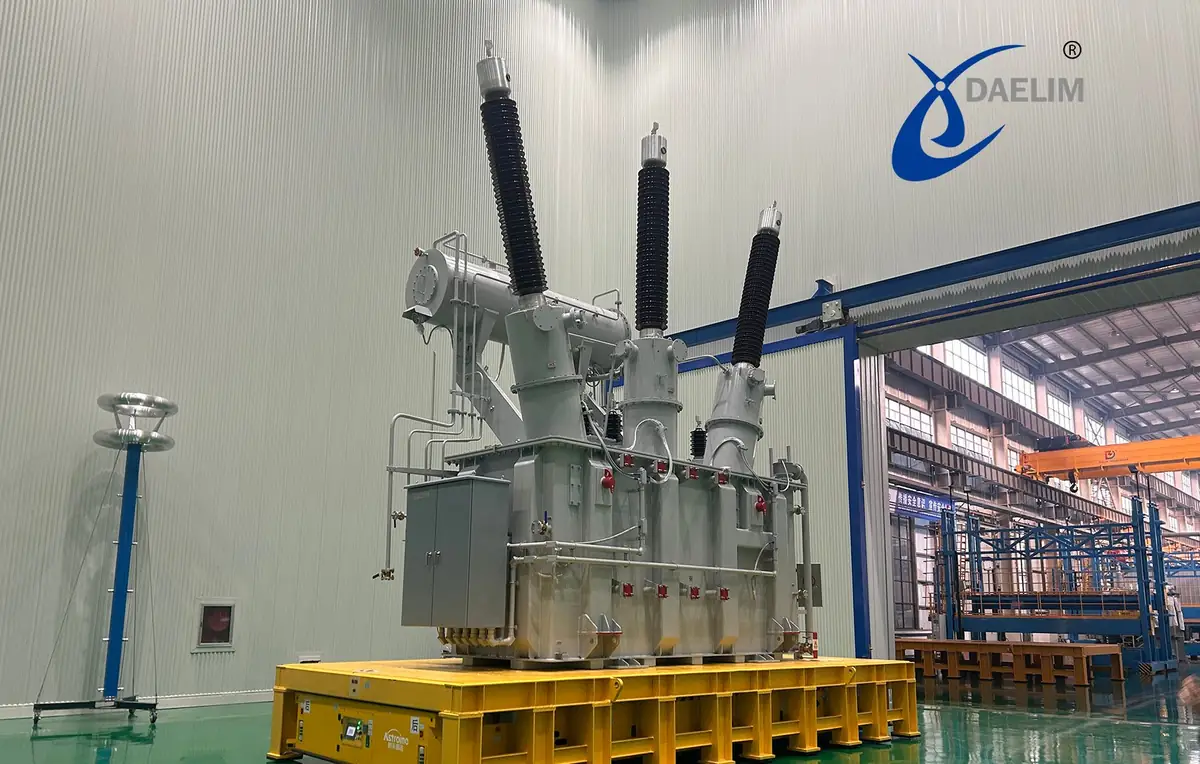
Gas chromatography helps us prevent premature and sudden failure of the large electrical transformers by indicating the transformer health and faults happening inside the transformer tank.
The large power transformers that are used for National grids and distribution setups typically cost hundreds of thousands of dollars. These electrical transformers also take weeks for manufacturing and months for transportation and installation.
So replacing one power transformer will not only cost you a lot of money but will also take several months of work just to replace the transformer. This is one of the main reasons why this type of test is performed on the transformer before it is being transported for the installation and also during the entire useful life.
Gas chromatography offers several advantages and they are listed below:
- Gas chromatography offers early detection of insulation deterioration inside the electrical transformer.
- The analysis and identification of electrical faults before they turn into catastrophic failures.
- The tests help us reduce the maintenance cost of the electrical transformer by early detecting small faults happening inside the electrical transformer tank.
- The tests help extend the transformer service life by preventing premature failures from happening.
- Gas chromatography tests also help us prevent any unplanned outage of the transformer operation by early detecting small faults that can result in unintended downtime of the transformer.
- The test also helps us offer improved operational reliability by adding steps in scheduled maintenance that can detect small faults.
Dissolved gas analysis is usually done on large power transformers every 3 months, 6 months, or annually; it all depends on the age of the electrical transformer being tested and the nature of the application.
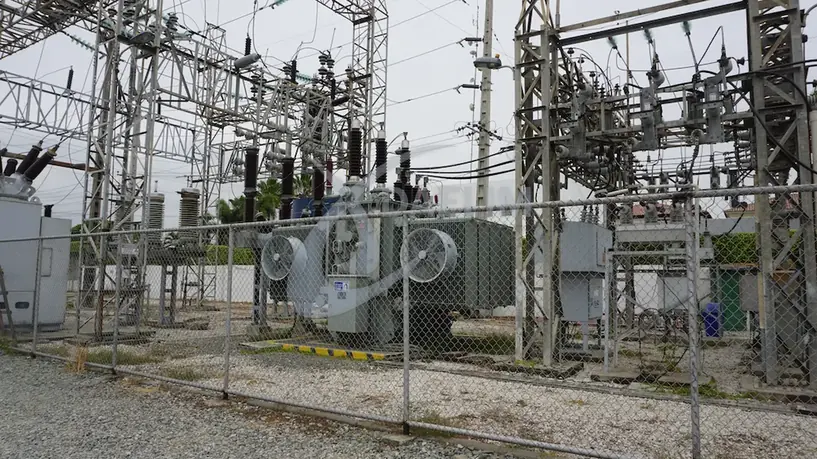
Dissolved Gas Analysis Operating Procedure
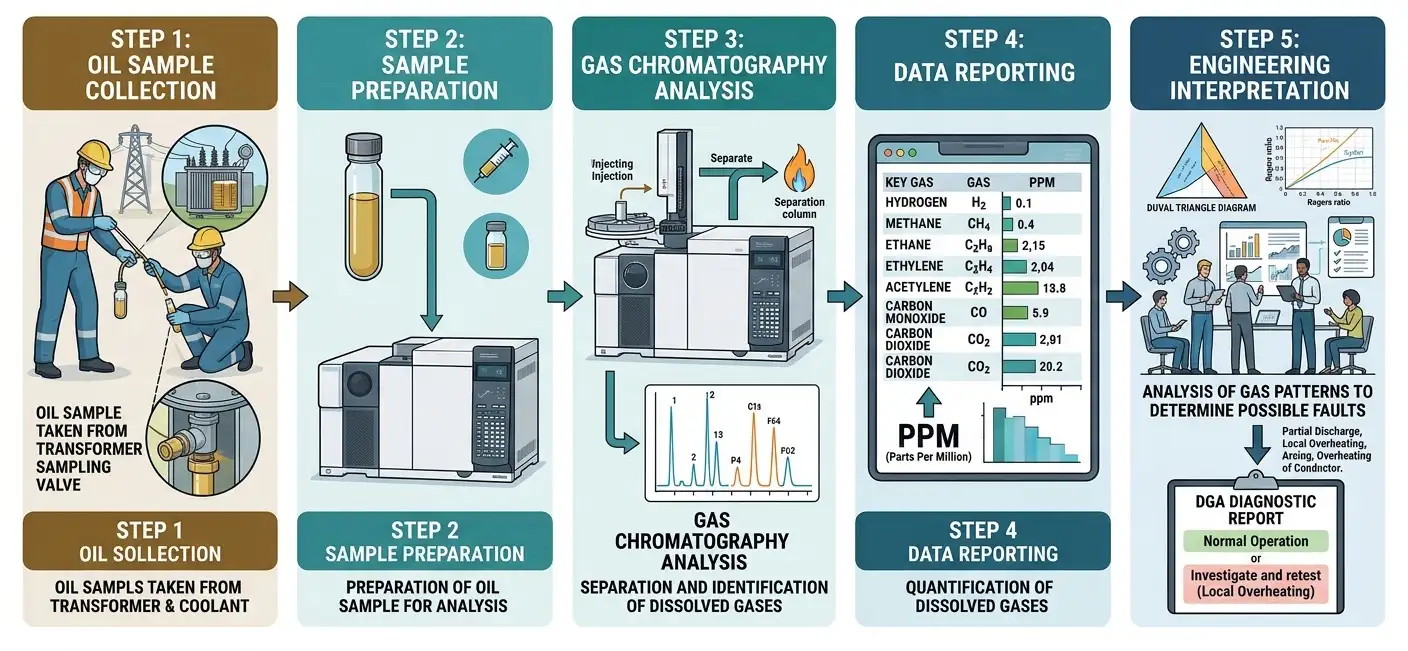
Electrical Transformers the Transformer oil as the insulator and also as a coolant. When an abnormal condition occurs inside the Electrical Transformer due to fault in the Transformer electrical connections, the energy breaks chemical bonds within oil and solid insulation of the transformer. The decomposition of insulation produces gases such as
- Hydrogen
- Methane
- Ethane
- Ethylene
- Acetylene
- Carbon monoxide
- Carbon dioxide
In order to inspect these gasses following steps are performed
- Collect of the oil sample from transformer
- Performance of Gas chromatography analysis on the oil sample
- Complete report is prepared what show each gas dissolved and its concentration in ppm
- Engineering team interpret gas patterns to determine the possible faults
Fault Gases Detected by Gas Chromatography
When gas chromatography is performed on transformer oil then following gasses are usually found and each is present due to specific defect.
| Gas | Chemical Formula | Indicates |
|---|---|---|
| Hydrogen | H₂ | Partial discharge, corona |
| Methane | CH₄ | Low-temperature overheating |
| Ethane | C₂H₆ | Oil overheating |
| Ethylene | C₂H₄ | High-temperature overheating |
| Acetylene | C₂H₂ | Arcing and severe electrical faults |
| Carbon Monoxide | CO | Paper insulation degradation |
| Carbon Dioxide | CO₂ | Cellulose aging |
| Oxygen | O₂ | Air leakage assessment |
| Nitrogen | N₂ | Air ingress |
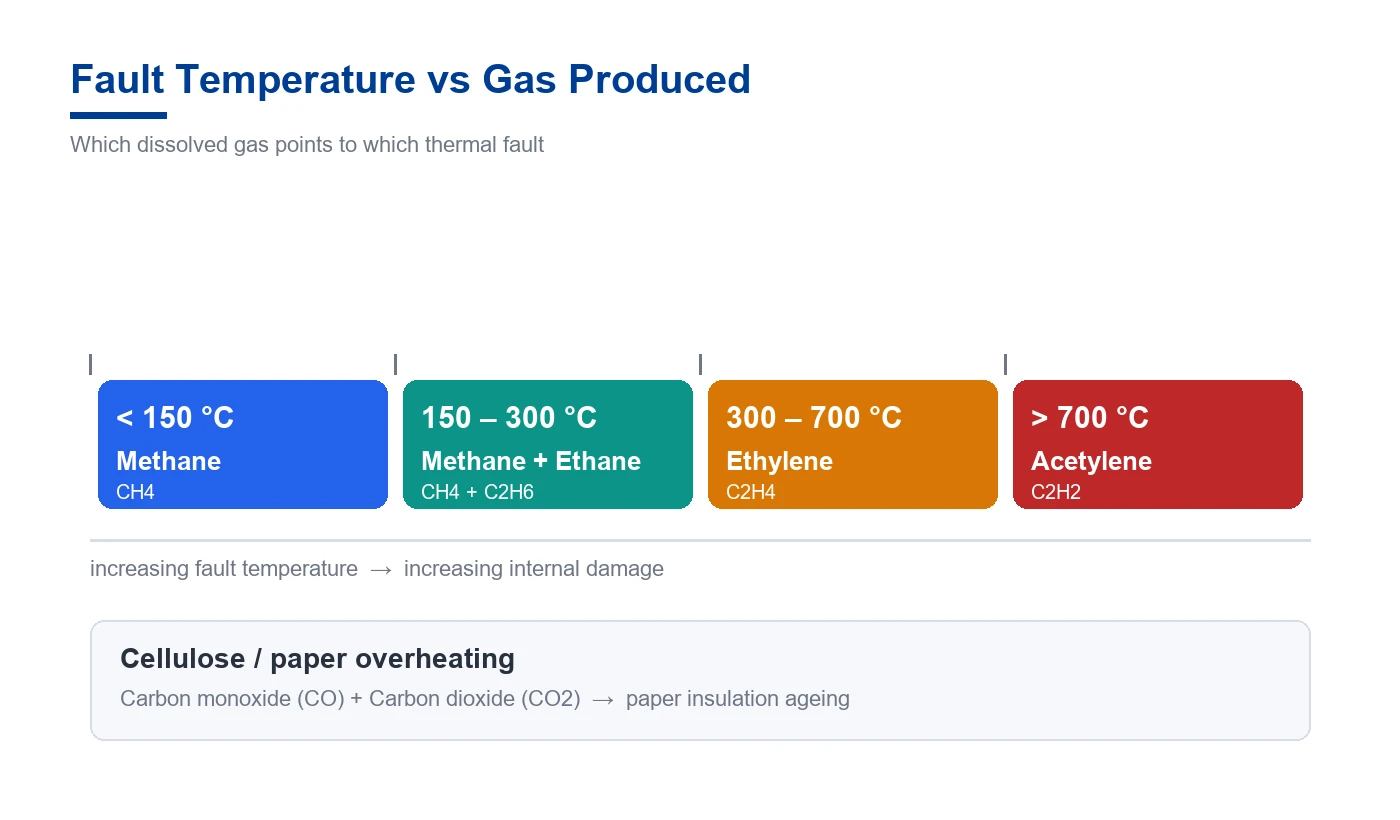
Relationship Between Fault Temperature and Gas Generation
Faults in the transformer usually produce extra waste heat inside the tank. At different temperature limits, insulation material and other factors can produce different gasses.
| Fault Temperature | Major Gas Produced |
|---|---|
| <150°C | Methane |
| 150–300°C | Methane + Ethane |
| 300–700°C | Ethylene |
| >700°C | Acetylene |
| Cellulose overheating | CO + CO₂ |
There is a simple relation between the temperature increase and damage done and it is that higher the fault temperature, the more severe the internal transformer damage will be.
Types of Transformer Faults Identified By Gas Chromatography
Partial Discharge
The partial discharge in an electrical transformer is a localised electrical discharge that does not completely bridge the insulation. This type of fault is caused by low energy, long term insulation damage, and moisture related deterioration.
Four of the most common reasons or causes of the partial discharge is the presence of moisture in the transformer oil, having voids in insulation material, aging insulation material, and sometimes manufacturing defects.
Corona Discharge
This occurs mainly due to the high electric field density around the conductors of the electrical transformer. This discharge mainly produces hydrogen and a small amount of methane in the electrical transformer oil. This defect is usually less destructive than the other defects like arcing but can develop into more serious faults if ignored.
Low Temperature Thermal Fault
If the electrical temperature goes below 300 degree celsius then this is considered as the term low-temperature thermal fault in the electrical transformer. This results in the production of methane and ethane gases within the electrical transformer oil. The possible causes of this low-temperature thermal fault are the loose electrical joints, poor cooling, the localized hotspot development in the electrical transformer, and the overloading of the electrical transformer by the attached load.
Medium Temperature Thermal Fault
If the temperature of the electrical transformer remains within the temperature range of 300 degrees to 700 degree celsius then this is considered a medium-temperature thermal fault. This fault can produce three different gases namely ethylene, methane, and ethane. This type of fault is usually due to the bad contact between the conducting part of the transformer, high resistance between the electrical connections of the transformer and due to the overheating of the transformer core.
High Temperature Thermal Fault
If the temperature of the electrical transformer goes above 700 degree celsius then this is called a high temperature thermal fault. This fault produces mainly high ethylene and a significant amount of acetylene in the transformer oil. This type of fault is mainly caused by the severe overheating of the electrical transformer, defects or faults present in the transformer core, due to the heating of the major conducting parts of the transformer.
Arcing
Arcing is one of the most common yet one of the most dangerous faults that happens in the electrical transformer. Arcing in the transformer can produce a significant amount of acetylene and some small amounts of hydrogen and ethylene. The causes of why this arcing happens in the electrical transformer is the winding insulation failure of the transformer, the tap changer problems, internal flash over and loose conductors of the electrical transformer.
Cellulose Insulation Degradation
There are different types of insulation materials in the electrical transformer and the paper insulation decomposes differently than mineral oil. The decomposition of the paper insulation produces carbon monoxide and carbon dioxide in the transformer oil. High carbon monoxide levels usually indicate active insulation deterioration within the transformer.
Factors Affecting DGA Accuracy
- Improper sampling of the oil for which the dissolved gas analysis will be performed can introduce defects. Most of the time it is the atmospheric contamination that is induced in the oil sampling that results in the defective outcomes.
- The oxidized transformer oil may alter gas generating behavior and thus change the outcomes of the dissolved gas analysis.
- The heavy loading nature of the transformer load can increase the gas production in the transformer oil, first resulting in the DGA results.
- If the electrical transformer continues to operate at a high operating temperature, then this can accelerate the decomposition of the transformer oil and the insulation material, first altering the dissolved gas analysis results.
- To get the best out of dissolved gas analysis results, the test needs to be performed at regular intervals; intervals that are too long or too short can affect the reliability of the result.
Advantages of Gas Chromatography
- Gas chromatography is a complete non destructive test that means the product remains the same before and after the test.
- Gas chromatography offer a very high measurement accuracy of final quantity of gasses in transformer oil
- The Gas chromatography offer very early fault detection in electrical transformer this prevent long downtime
- The Gas chromatography can detect multiple faults types using same process
- The process helps reduce the predictive maintenance and unexpected transformer failure.
- The Gas chromatography helps increase the electrical transformer lifespan and minimize the maintenance cost.
- All of the above points merge into one aspect that is that Gas chromatography helps improve the system reliability.
Limitations of Gas Chromatography
Although gas chromatography is an effective process in determining the faults present in a transformer, it has its own limitations.
- The process requires specialized equipment and a laboratory to complete the work.
- After the process, an experienced and highly skilled person is needed to understand the analysis and make the final decision.
- Gas patterns can overlap when multiple faults occur at once.
- Sampling errors can easily alter the result.
FAQ
What Is the IEC Standard For DGA Analysis?
The international Electrotechnical Commission IEC 60599 standard provides the required information about DGA analysis interpretation and standard thresholds.
What Is IEEE Standard For Electrical Transformer DGA
IEEE C57.104 is a required standard that offers information regarding how to interpret the electrical transformer DGA analysis results.
How Do I Interpret DGA Analysis Results?
It takes a lot of experience to understand the dissolve gas analysis result for any transformer. You need to consider manufacturer recommendations on how to perform test and international standards to interpret results.
Conclusion
Gas chromatography is done to get the dissolved gas analysis of large transformers. The process involves getting the transformer oil sample from the transformer and analyzing it to get complete information about the different gases being dissolved in it and the exact quantity of each gas. Daelim transformers perform this analysis on each and every transformer in order to ensure that they comply with international standards like IEEE, ANSI, CSA, IEC, and others. If you have any query about large transformers, Contact Us.

 English
 Polish
 German