
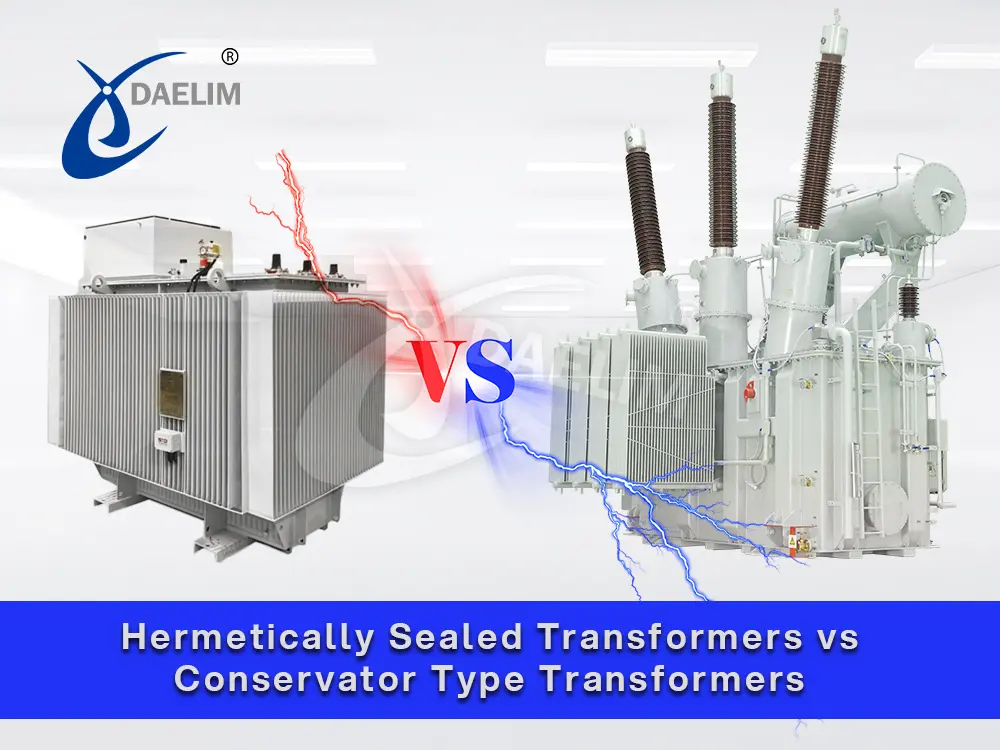
Transformers are among the most significant components of any power network. They increase or lower the voltages to permit electricity to reach the desired point for a reliable power supply.
In this guide, we have transformers that are hermetically sealed transformers compared to conservator type transformers. We are going to discuss both the differences that will be respected with regard to the advantages of designing them and how these variations will influence applications in a power system.
Understanding Hermetically Sealed Transformers vs Conservator Type Transformers
In talking about transformers, one needs to recollect different types of oils with it, how that would help in preserving oil in a transformer, and which types would give them an advantageous experience.
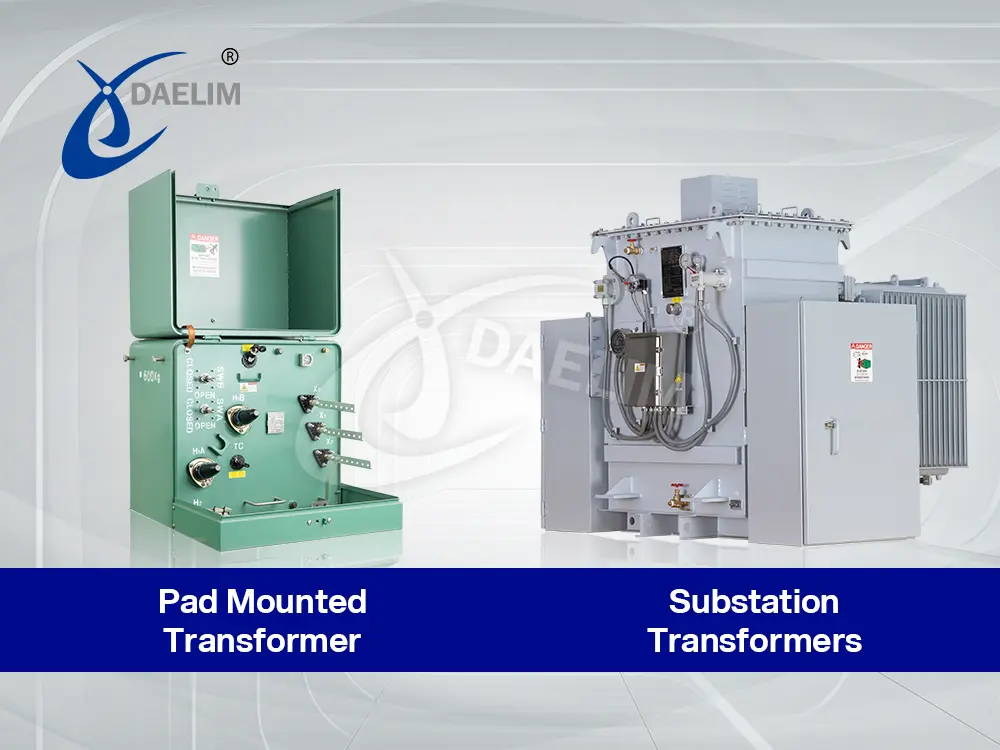
Hermetically Sealed Transformers
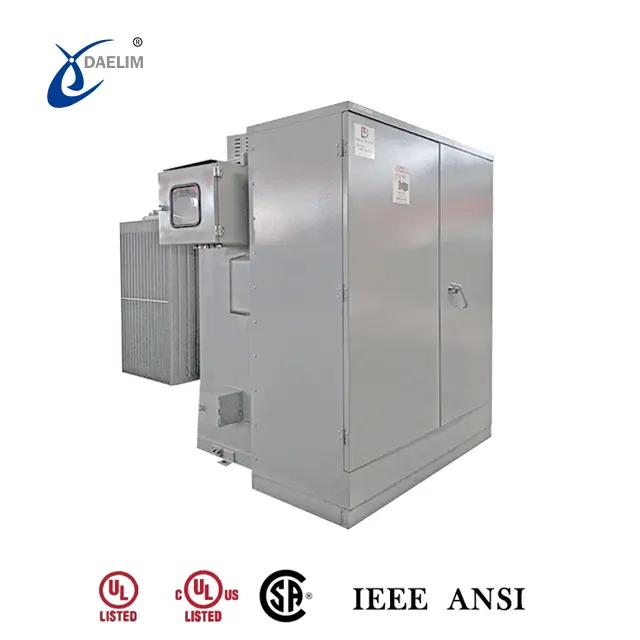
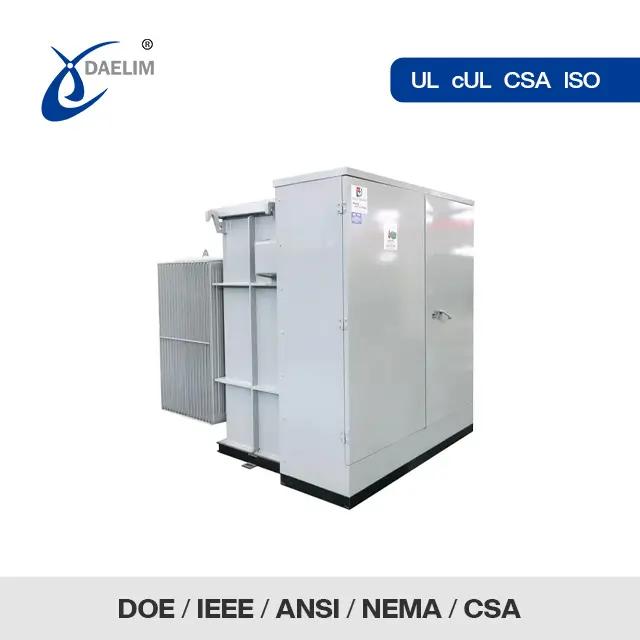
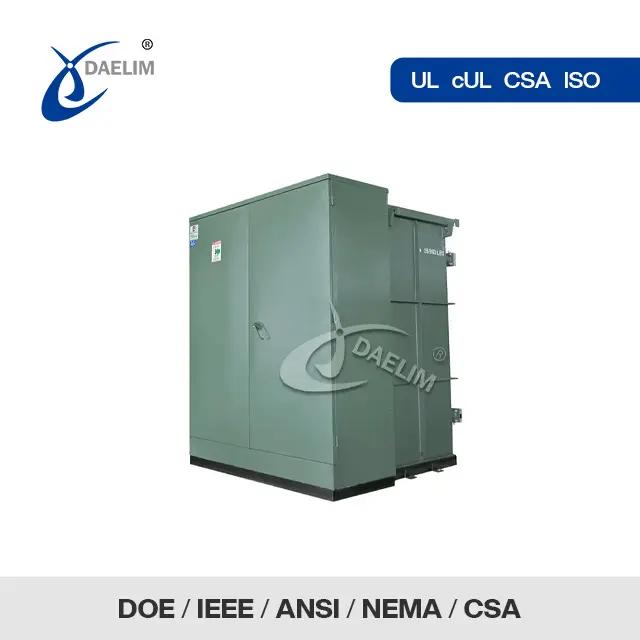
Hermetically sealed transformers are totally sealed in a way that there is no contact of the insulating oil with the air, hence keeping them free from rust and dirt. Since it is sealed to 0.5 bar, it can protect its electrical properties in the environment, and it can operate well even in hostile conditions.
Some of the transformers that are under thehermetically sealed are:
Reading more: The Ultimate Guide to Transformer Types
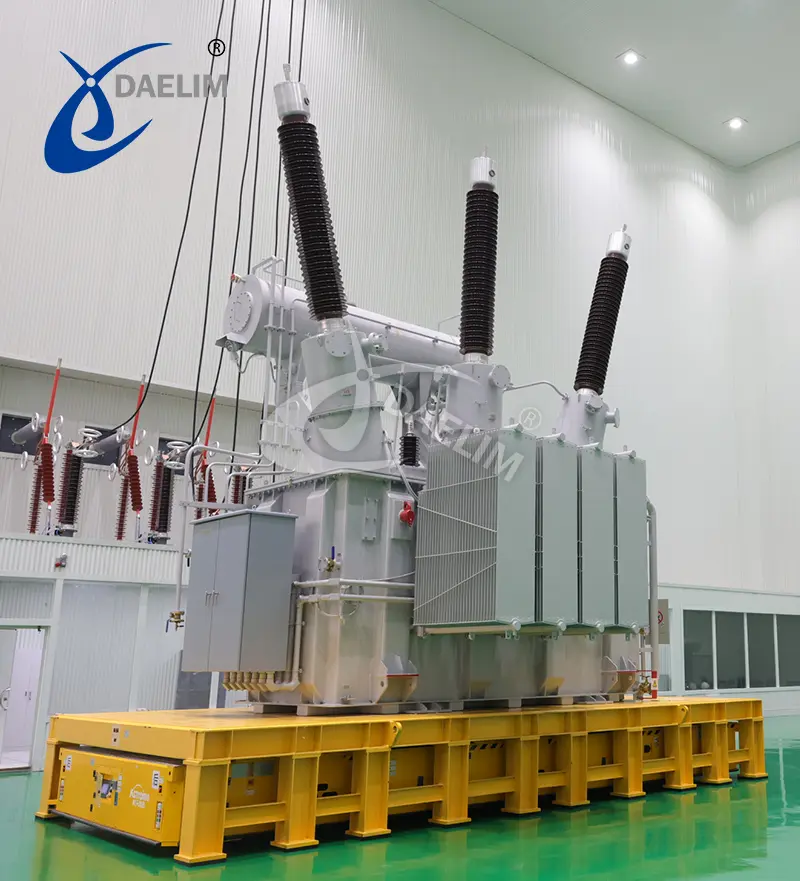
Conservator Transformers
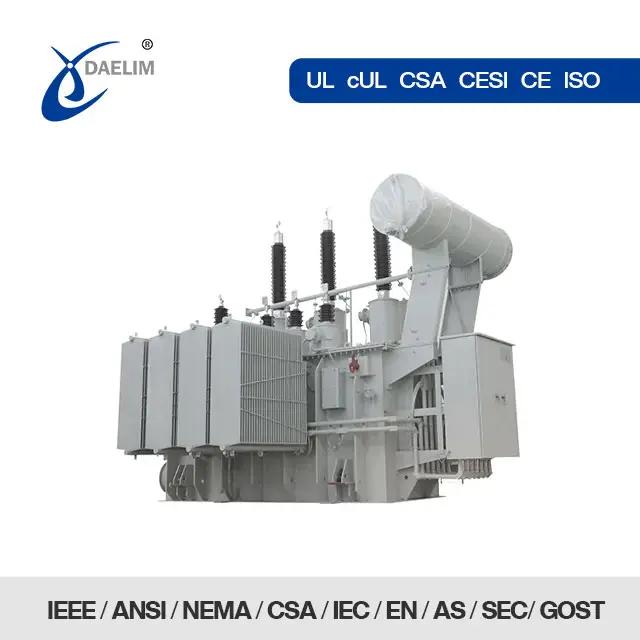
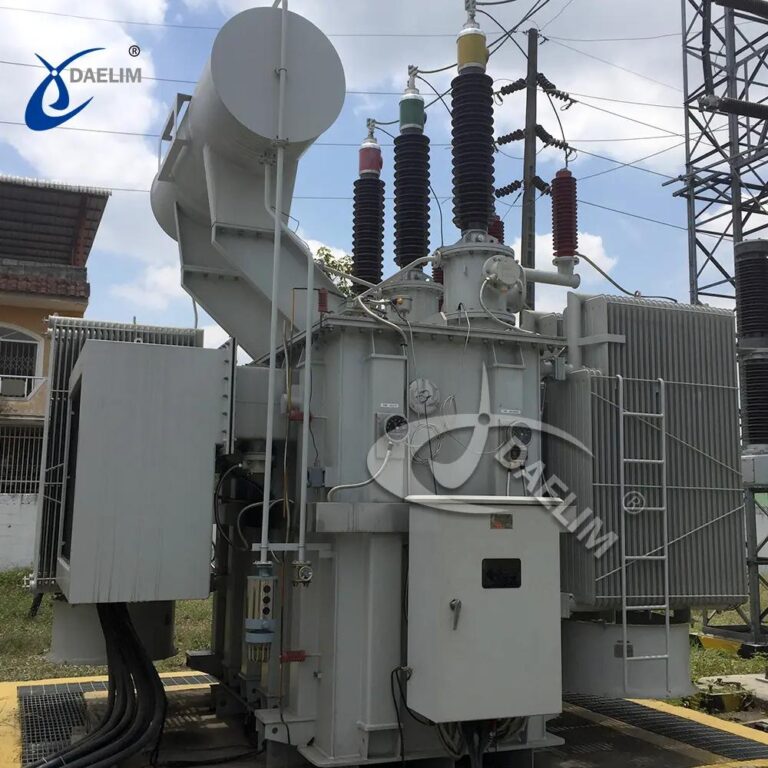
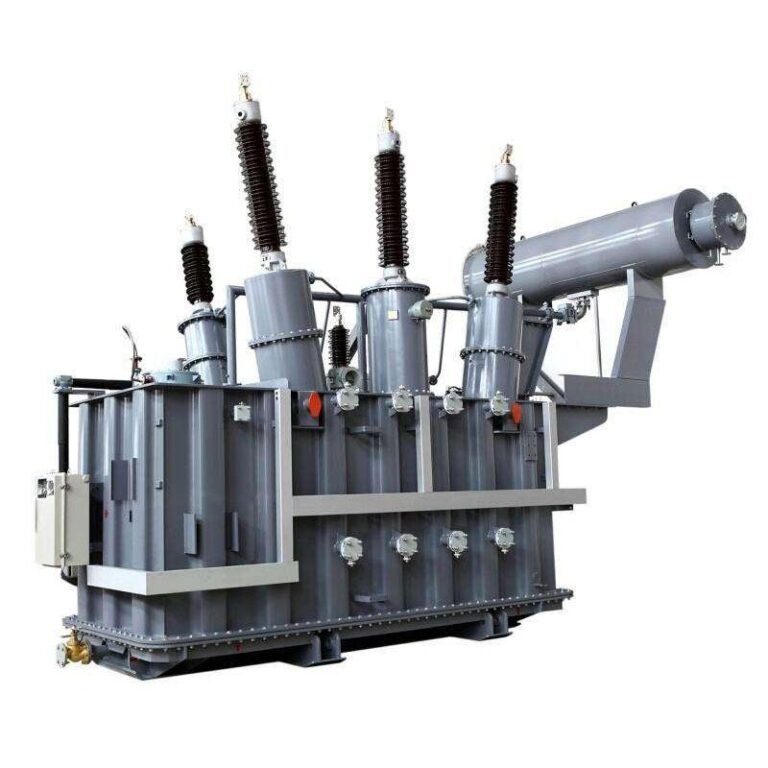
Conservator transformers are very important in transformer functioning and lifespan. The transformer oil is kept by the conservator transformers. They allow the oil to expand or shrink according to the change in temperature.
The best example of conservator transformers are HV Power Transformers. They are cylindrical in shape and are used along with the main oil tank of a transformer. This allows connecting the tanks so that changes in the oil level due to changes in temperature may easily be followed by observing the oil gauges, as any alteration in oil volume can now be noted and controlled.
Key Differences Between Hermetically Sealed and Conservator Type Transformers
Hermetically Sealed Transformer vs Conservator Type Transformer
Features | Hermetically Sealed Transformers | Conservator Transformers |
Oil Expansion Management | Tank walls or bellows flex | Conservator tank holds extra oil |
Air Exposure | Fully sealed, no air exchange | Uses a breather to manage air |
Maintenance | Minimal | Requires breather and oil level checks |
Typical Use | Smaller transformers or harsh environments | Medium to large transformers requiring efficient cooling |
A Hermetic Transformer is the oil immersed transformer where an insulating oil—be it a mineral or silicone-based one—seals out the moisture and contaminants. Hermetic transformers, inherently designed, are robust and dependable in rugged environments. Expansion tanks are not required with hermetic transformers, although they can be equipped with pressure relief devices.
The insulating oil effectively cools the windings and core; this minimizes heat and thermal losses. More than 95% of liquid-filled transformers use mineral oil for insulation and cooling purposes, making them highly durable and efficient.
On the other hand, the Conservator Type Transformer is also oil immersed, however, the oil is allowed to expand and contract freely, unlike the Hermetic Transformer. As heat increases, oil expands and enters the conservator tank.
It withdraws back into the main tank as it cools down. The breather system, mainly silica gel-filled, ensures that every air exchange does not allow moisture to penetrate into the conservator.
Moreover, the conservator can hold a large volume of oil which improves cooling and overall performance. The checking of the level of oil in the conservator tank is easier.
Reading more:Measures to Prevent Transformer Short-Circuit Accidents
Hermetic Design vs Conservator Design
Hermetic design refers to equipment sealed off from all environmental influences, including dust, water vapor, and other very small particles suspended in the air. In fact, the word “hermetic” is derived from the Greek word meaning “sealed.” They are widely applied in reliability-critical areas such as aerospace and medical appliances.
In hermetic design, a strong barrier is designed to keep the device away from its surroundings. That barrier may be a sealant, gasket, or some other protective layer. It has to be as tough as nature’s forces and have the ability to stop everything unwanted from entering it.
Meanwhile, the Conservator Design has a tank for oil called the conservator, which lies above the primary oil tank. It looks like a barrel or a tube, and this conservator holds a reserve amount of oil in case temperatures change. With the temperature rise, oil expands into the conservator. After cooling, this oil retracts back to the major tank, so the system is stabilized.
This design is assisting the transformer to work smoothly and longer. Due to this gauge provided with the conservator, oil level can easily be accessed, hence easy to be maintained. Through efficient control of oil changes, conservators ensure transformers stay safe and dependable even under the most tough conditions.
Related Article:Transformer Design: Step by Step Guide for Safety and Reliable Power Flow
Types of Oils in Hermetically Sealed Transformers vs Conservator Transformer
The type of oil selected for a sealed transformer can mean the difference between life and death, as regards the performance of how long it might perform, and the reliability. There are four types of oils, in general, in common usage:
- Mineral Oil: It is most commonly used. This oil has a good dielectric property. Its thermal properties are excellent. Its efficiency is thus very high.
- Silicone Oil: With extreme temperature resistance, it’s one of the more frequently used oils.
- Natural Esters: These oils possess high thermal stability and are also biodegradable. They are there for any individual who has plans for greener products.
- Synthetic Esters: The costliest of the three, synthetic esters offer superior performance in terms of strength and thermal stability.
The transformer will depend on the kind of oil used since each kind has its specific merits and demerits hence the need to make the right choice of the appropriate type of oil that will best serve your purposes and application.
As for Conservator Transformers, they use oxidation-resistant oils which can remain insensitive to air exposure without deterioration in performance. Such materials have to be stable at all conditions. Among some of the common types in use are:
- Mineral Oil: Mineral oil is widely applied in conservator transformers that have very good dielectric properties and possess good thermal performances. It is doped with oxidation inhibitors contained in additives that enhance its air exposure and extended life cycle.
- Natural Esters: These biodegradable oils have garnered much attention because of the environmental benefits they offer. They have a high flash point and good thermal stability, making them safer and more sustainable.
- Synthetic Esters: They have exceptional resistance towards oxidation with good thermal stability. Hence they are used in high performance applications. It is costlier than other types. However, based on their durability and efficiency synthetic esters prove to be reliable for very critical operations.
The choice of oil for conservator transformer depends upon the applications, cost factors, and the desired performance.
Reading more:Transformer Oil Uses and Requirements
Pros and Cons of Hermetically Sealed Transformers
Pros:
- Low Maintenance Costs: Hermetic transformers are almost maintenance-free because they are sealed units. In that case, there would be no chance for the moisture or other contaminants to enter, which prevents corrosion and oil contamination. Hence, this results in reduced needs for maintenance.
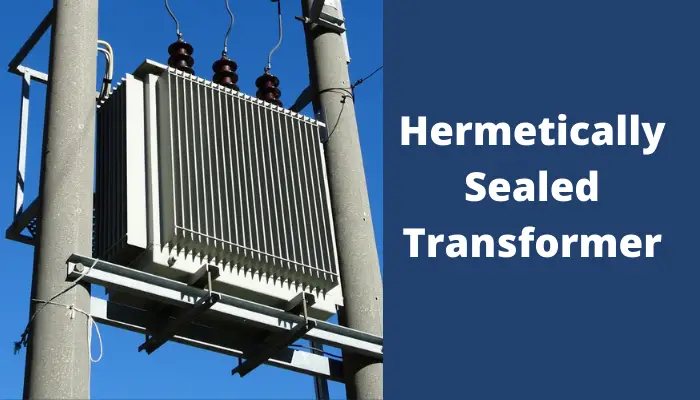
- Long Service Life: Hermetic transformers are resistant to environmental factors and thus long-lasting, often lasting up to more than 20 years, and therefore cost-efficient in the long term.
- High Efficiency: These transformers are also highly efficient due to a lack of air contact. This implies an absence of energy losses because of oxidation and other related chemical effects. Consequently, these make for good energy conservation units that save on running costs.
- Compact Design: Hermetic transformers are compact and occupy much less space as compared to other transformers. Thus, they find applications where the space is restricted, for example, in urban surroundings or where the space available is limited.
- Reliable Operation: The sealed designs ensure constant performance without break, making them absolutely reliable to work with, despite heavy-duty conditions under operation and including high levels of moisture and dusty conditions.
Cons:
- Difficult Repairs: The hermetic units are not easy to repair since they are sealed. Breaking the seal is dangerous and may cause permanent damage to the unit. Quite an effort and expertise go into sealing the transformer for repair when it is necessary.
- Limited Monitoring Options: The hermetic transformer is sealed, making it difficult to have regular oil analysis or any other diagnostic checks. In order to take an oil sample, one has to break the seal, and this compromises the hermetic integrity of the unit, thus limiting the options in condition monitoring. These are less flexible in terms of maintenance checks.
- Reduced Adaptability: In those applications where some alterations or changes are required, hermetic transformers might not be as adaptable as conservator type transformers. Since hermetic transformers are sealed, they cannot be serviced or altered easily, which sometimes may prove to be a drawback in some applications or under unexpected conditions.
If you are using a Hermetically Sealed Transformer and you want to replace it or have a need for its repair, contact us at Daelim Transformer. We provide transformer repair services and transformer replacement just for your needs.
Related Article:How Much You Know For The Different Types Of Transformers?
Pros and Cons of Conservator Type Transformers
Conservative transformers have several advantages in terms of improving the power system’s reliability and efficiency. Here are the most notable benefits:
Pros
- Improved Oil Quality: It holds the oil clean by blocking dust and other contaminants. That is the system that makes this conservator protect the oil against direct outdoor air, which reduces moisture and dust entry or contamination.

- Enhanced Temperature Control: The oil expands and contracts with variations in temperature due to a conservator system. For instance, when the oil gets extremely hot, it expands; thus, it fills a conservator tank. Once the temperature cools down, oil returns to the main transformer tank. This maintains good operating temperatures and thus limits stress on the transformer.
- Reduced Maintenance Requirements: Conservator transformers require minimal maintenance because they maintain good quality oil and also regulate temperature. Since conservator transformers are designed with the intention of minimizing contact with air and contaminants, there is no need to frequently test or filter replacement of oil.
- Improved Operational Safety: Conservator transformers prevent overheating and breakdown of insulation. This reduces the occurrence of hazardous situations and ensures that both the transformer and operators are operated safely.
Cons:
- Initial Setup Costs: A conservator transformer may be more costly than other types because one has to add components in the primary installation.
- Space Requirements: The conservator system requires additional space, which is not quite suitable for installations where the space is limited.
Conservator transformers improve the system’s operational safety and decrease maintenance requirements. Hence, they are a smart choice for a power system.
Related Article:Selection of Transformer Types for Photovoltaic Power Plants
Which Transformer Type Is Right for Your Needs
This would depend on your application, location, and budget for the proper transformer. Depending on each of these factors, a different transformer could be right for your situation. Recommendations are given based on the common usage scenarios.
With Daelim’s knowledge, you will be able to find that transformer that meets your particular needs and operates properly in your environment.
Conclusion
The right transformer has to be chosen to have a reliable, efficient power system and safety. The key factors, including oil capacity, cooling, and protection against contamination, can be considered for better performance and lower maintenance.
Daelim’s Hermetically Sealed Transformers and Conservator Type Transformers support voltages up to 345 kV and power ratings up to 500 MVA. They are built on the highest standards of ANS/IEEE, CS A, IEC, ASNZS, GOST, and NEMA. The company has long been trusted across North America, Europe, Australia, and more. Get world-class, custom solutions from Daelim today!
Contact us to find the right transformer solution for your needs.


 English
 Polish
 German