
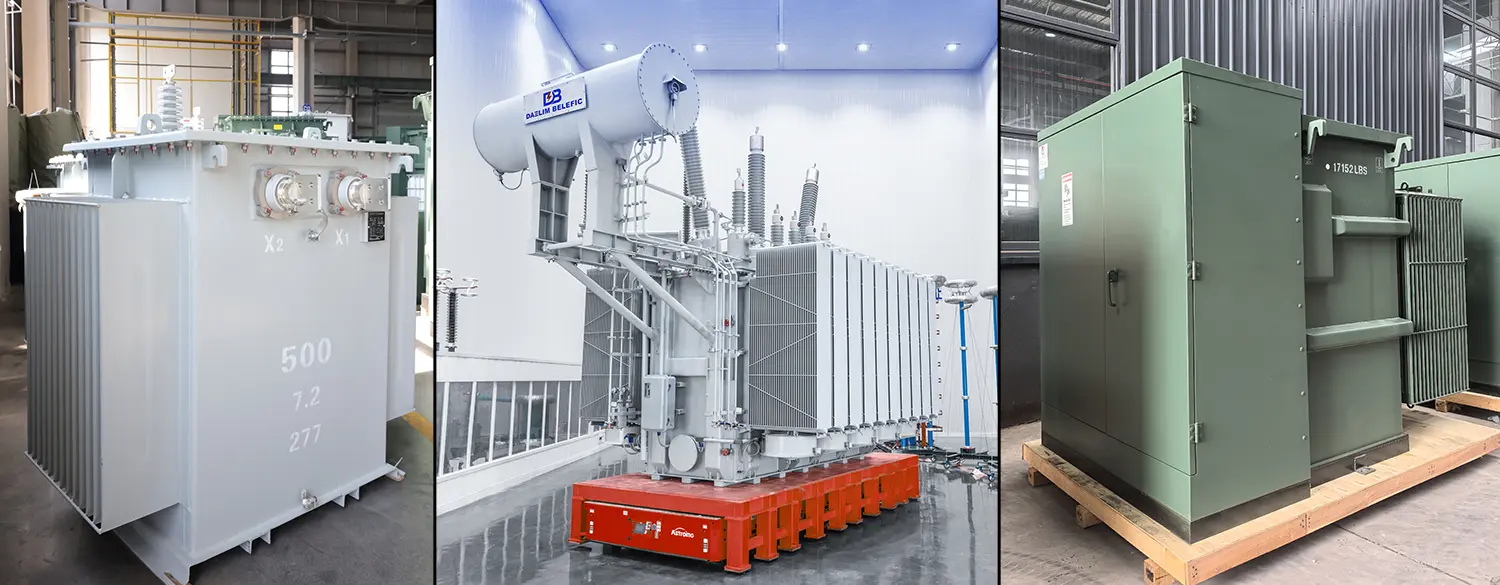
Transformer sizing and a transformer sizing chart are key factors that help engineers to select the correct transformer capacity.
A transformer is the main electrical power system that maintains smooth transmission with the required efficiency. But this is all possible due to accurate transformer sizing and properly set ratings. An accurate transformer size helps to maintain the reliable function of the system with less power loss and maintenance.
If standard transformer sizes are not accurately set, it causes different faults like safety hazards and overheating, and reduces overall efficiency. For getting the required features, a transformer that performs voltage regulation. It is important to transfer sizing calculations defined according to load demand
So, the right transformer sizes and ratings are important; here, we cover how to get the required transformer sizing and transformer sizing chart for our different loads.
Transformer Sizing terms and units
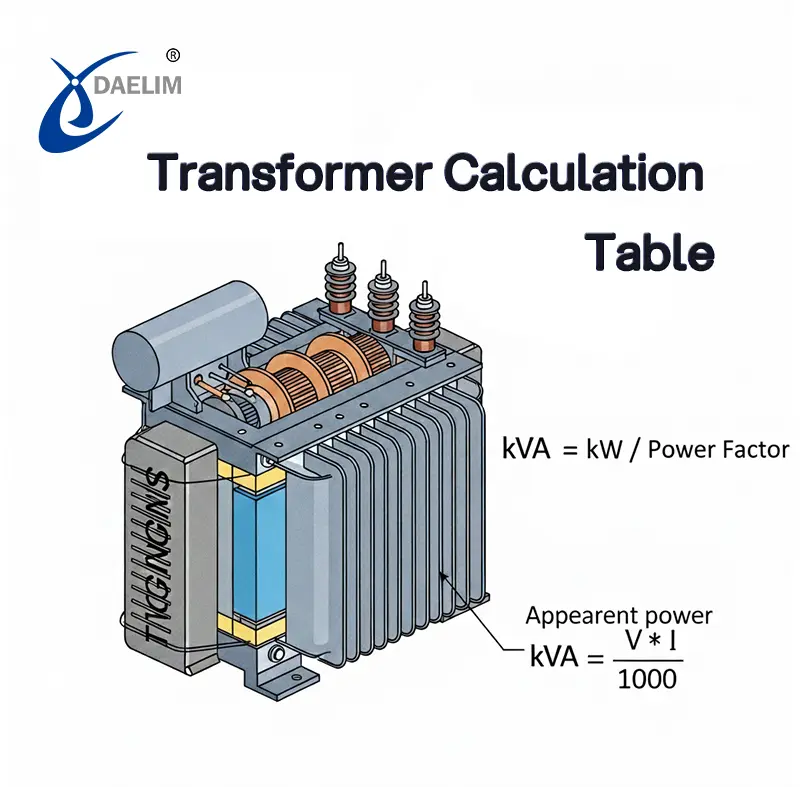
Before getting an understanding of electrical transformer sizes, we must have an idea of some common terms and units.
Kilovolt-Amperes, or kVA:
- Transformer sizes in kVA show the apparent rating of the transformer that shows details about capacity.
Voltage
- It is the potential difference between two points.
Current (Amps):
- Current is measured in amperes that shows the electricity flow rate used for finding transformer load handling features.
Load
- It shows the power getting for devices connected with a transformer.
You may enjoy: Transformer Calculation Table
Factors that affect transformer sizes and ratings
Different factors determine transformer ratings and sizes. That is explained here
Transformer Voltage rating:
- The transformer voltage rating is the highest voltage that can be handled without any damage or serious faults.
- Transformer rating based on voltage is low voltage, medium voltage, and high voltage transformer sizes.
Current rating:
- The highest current handled through the transformer without getting overheated and damaged is called the current rating.
Power rating:
- Transformer power rating shows high power managed and handled on the transformer that defines transformer sizes in kVA and megavolt-amperes (MVA).
Frequency:
- Frequency ranges for a transformer, called frequency Normal, a transformer uses 50 or 60 Hz. Some special transformer types work with high frequencies.
Temperature:
- The transformer temperature rating shows the highest temperature handled on the transformer structure with any damage. So temperature is an important point for transformer sizing based on different temperature conditions.
Standard Transformer Sizes
| Types | Typical Sizes / Ratings |
| standard single phase transformer sizes | 5 kVA, 10 kVA, 25 kVA, 50 kVA, 100 kVA |
| standard 3 phase transformer sizes | 30 kVA, 75 kVA, 150 kVA, 300 kVA, 500 kVA |
| distribution transformer sizes | 25 kVA, 50 kVA, 100 kVA, 200 kVA, 500 kVA |
| single phase Pole Mounted Transformers sizes | 10 kVA, 25 kVA, 50 kVA, 100 kVA |
| 3 phase pole mounted transformer sizes | 75 kVA, 150 kVA, 300 kVA |
| Commercial Transformers sizes | 75 kVA, 150 kVA, 300 kVA, 500 kVA, 1000 kVA |
| standard dry type transformer sizes | 15 kVA, 30 kVA, 75 kVA, 150 kVA, 500 kVA |
| medium voltage transformer sizes | 500 kVA, 1000 kVA, 2500 kVA, 5000 kVA |
| high voltage transformer sizes | 10 MVA, 50 MVA, 100 MVA and above |
Transformer Sizes vs Transformer Ratings
Transformer Sizing
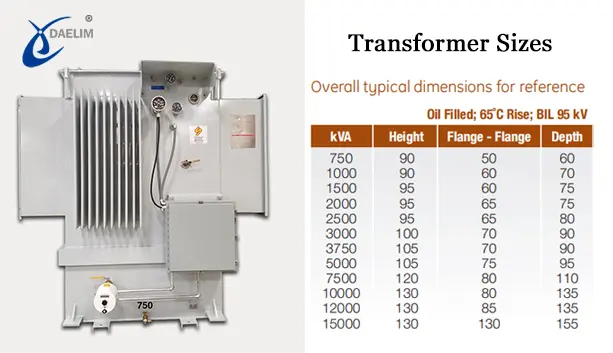
- Before buying and installing an electrical transformer, it is important to choose the correct size of the transformer. With an accurate transformer size, we can get its voltage and capacity.
- From the power rating, we get the transformer voltage that defines the current supply in amperes.
- So, getting the required transformer sizing must be done by getting a transformer from a supplier that comes with different sizing options to fulfill your load demand.
Transformer Ratings
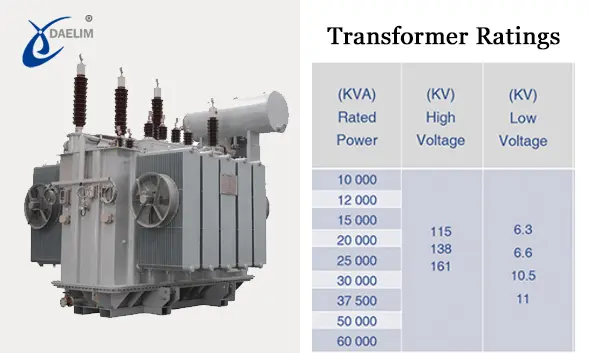
Transformer rating defines the output power of the transformer. That comes with some more factors.
Input Voltage
- These voltages are given as input to the electrical transformer primary windings. rated input voltage value of the transformer used for different power and voltage levels
Output Voltage
- These voltages at the secondary windings are defined according to primary voltages and types of transformers, like step-up and step-down.
Learn more about Transformer Voltages
Power Rating
- Power rating shows watts flow, or it is defined as the energy used on a transformer at certain loads.
How To Select the Right Transformer Size?
Follow these steps to get the right-size transformer.
Transformer type based on the load
A transformer comes with 2 types according to load distribution. single-phase transformer and 3-phase transformer.
standard single phase transformer sizes are part of the system where small loads operate and in power distribution systems work as voltage regulators.
standard three phase transformer sizes used to deliver power to larger loads like industries. Also, provide power to high-power machines and the HVAC system.
So choose transformer size according to load distribution features.
Load requirement & load voltage
The load requirement shows the electrical unit current rating that the transformer uses for power. If many electrical units are connected, sum the current rating of all units and get the net current rating.
rated voltage of the electrical unit, called load voltage. That shows the power required by the system.
Current and voltage ratings of the transformer are mentioned on the nameplate of the transformer.
Transformer kVA Rating Measurement
We can get transformer sizes kVA ratings by using the formulas. where we have two equations for measuring transformer kVA ratings
For single phase transformer size use this formula.
kVA=(I*V)/1000
for three phase transformer size rating use this equation
kVA=(I*V*√3)/1000
in the above equations
- kVA shows kiloVolt Ampere
- I is Load Current
- V shows Load Voltage
Get it free: Everything You Need to Know About Transformer Dimensions
Standard size transformers and future expansion
Designing of a transformer made according to international standards that also has standard transformer sizes.
Some commonly used standard transformer sizes are as
| Residential transformer size | commercial transformer sizes | Industrial transformer sizes |
| 15kVA | 45 kVA | 500 kVA |
| 20kVA | 75 kVA | 1000 kVA |
| 25kVA | 150 kVA | 1500 kVA |
| 37.5kVA | 225 kVA | 2000 kVA |
| 50kVA | 300 kVA | 2500 kVA |
| 75kVA | 315 kVA | 3000 kVA |
| 100kVA | 450 kVA | 5000 kVA |
| 167kVA | 500 kVA | 10,000 kVA |
These are some standard transformer sizes, but other sizes can be obtained according to the manufacturer.
Power Factor
Power factor indicates the working performance of the transformer. A high power factor means the transformer is working well. A 0.95 to 1 power factor is generally considered good.
If the power factor is lower, that means bad power usage and high energy expenses.
The formula used for measuring power factor is
PF=KW/kVA
- PF shows power factor
- kVA is apparent power
- KW is True power
Voltage Level
- Voltage level shows required voltages for system and transformer size compatibility. To get the voltage level, we must know about the voltage ratio.
- Voltage ratio is the ratio between primary winding turns and secondary winding turns. The number of turns is directly proportional to the voltage of the windings.
- This formula is used for measuring the voltage ratio.
Vp/Vs=Np/Ns
The primary winding gets input voltage from sources, and the secondary is connected to the load.
Voltage ratio is directly proportional to turn ratio; when turns increase on any side, voltage level increases on that side.
Overload Capacity
- The overload capacity of a transformer defines the capacity to handle load if it is higher than the load capacity of the transformer. Since sudden overloading or fluctuations cause faults.
- Due to overloading, overheating occurs, which damages transformer windings and insulation.
- So, to avoid overloading faults, get a transformer size that manages overvoltage conditions easily.
Efficiency
- Transformer efficiency is an important factor that makes it highly performant. Usually, high-performance transformer efficiency is in the range of 96% to 99% efficiency or higher.
- With this efficiency transformer, low maintenance, low losses, and continuous work are needed without any interruption.
- High efficiency gets in larger transformer sizes, but they are costly.
How to Calculate Transformer Size
Follow these steps for the calculation of transformer size.
Measure Total Load in (kVA)
- First of all, it measures total power required by measuring loads connected, like motors, lights, HVAC, etc., in kilowatts.
- Then convert these KW loads into KVA by using a formula.
kVA = KW/Power Factor ,
some of all the loads in KVA, and we will get the final total load
Load Factor and Efficiency
Load factor shows actual use of the transformer rather than maximum load. Make sure the load factor used for sizing fulfills the power demand.
Efficiency is also an important factor for transformer sizing; high transformer efficiency makes for a larger-size design.
Set Safety Margin
The safety margin in the capacity of the transformer is important for managing any abrupt increases in load. Normally, a ten to twenty-five percent buffer is added for handling any uncertain conditions.
Usually safety margin is as
kVA=Adjusted Load×(1+Safety Margin)
Measure Transformer kVA Rating
The kVA rating of the transformer is measured through load current and voltage demand.
Suppose we have a single-phase transformer; use this equation for kVA.
kVA = (Voltage * Current) / 1000
If the load is using 30amps and 400 volts, the kVA rating is 12 kVA.
For three phase transformer sizing, this equation is used to get kVA.
kVA = (√3 * Voltage * Current) / 1000.
Transformer Sizing Chart Calculation Formulas
Here, we will cover details for finding formulas that are used to make a single phase transformer sizing chart and a three phase transformer chart.
Current Calculation
I=kVA*100/V
This equation is used for measuring the transformer current value. Suppose you have a transformer but do not know how much current it will draw when a load is connected. This helps us ensure the transformer can manage the load.
Efficiency
- The efficiency of a transformer is measured by getting an idea of transformer losses. The main types of transformer losses are copper and core losses. Through measuring transformer losses, we can measure the efficiency of the transformer.
- efficiency calculated through the output power ratio with the input power. This equation is used for getting transformer efficiency.
Efficiency = (output power/input power) * 100
Voltage losses and impedance
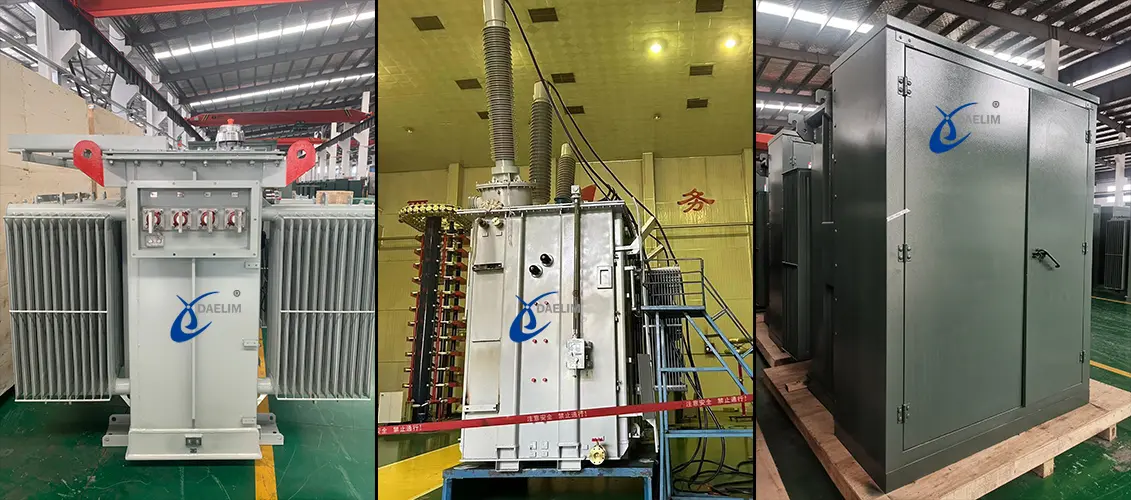
- The impedance of the transformer is measured through material quality since the material has good conductivity features, so impedance is defined as the resistance offered to current flow in windings.
- Through impedance voltage losses, the measurement formula used for voltage losses comes with the product of current, impedance, and voltage, then divided by 100. Impedance is denoted with Z.
Voltage Drop (%) = (I × Z) / V × 100
Where:
I = Load current (A)
Z = Transformer impedance (Ω)
V = Rated voltage (V)
Transformer Sizing Chart & Load Capacity
- The understanding of transformer load capacity is important for accurate transformer chart calculation. The kilovolt-ampere provided by the transformer to a certain kilowatts of load is important for the sizing chart of the transformer.
- Transformer design is based on power factor, and this equation helps for proper sizing chart calculations.
KVA = KW/power factor
- Power factor based on load types
Single phase transformer sizing chart
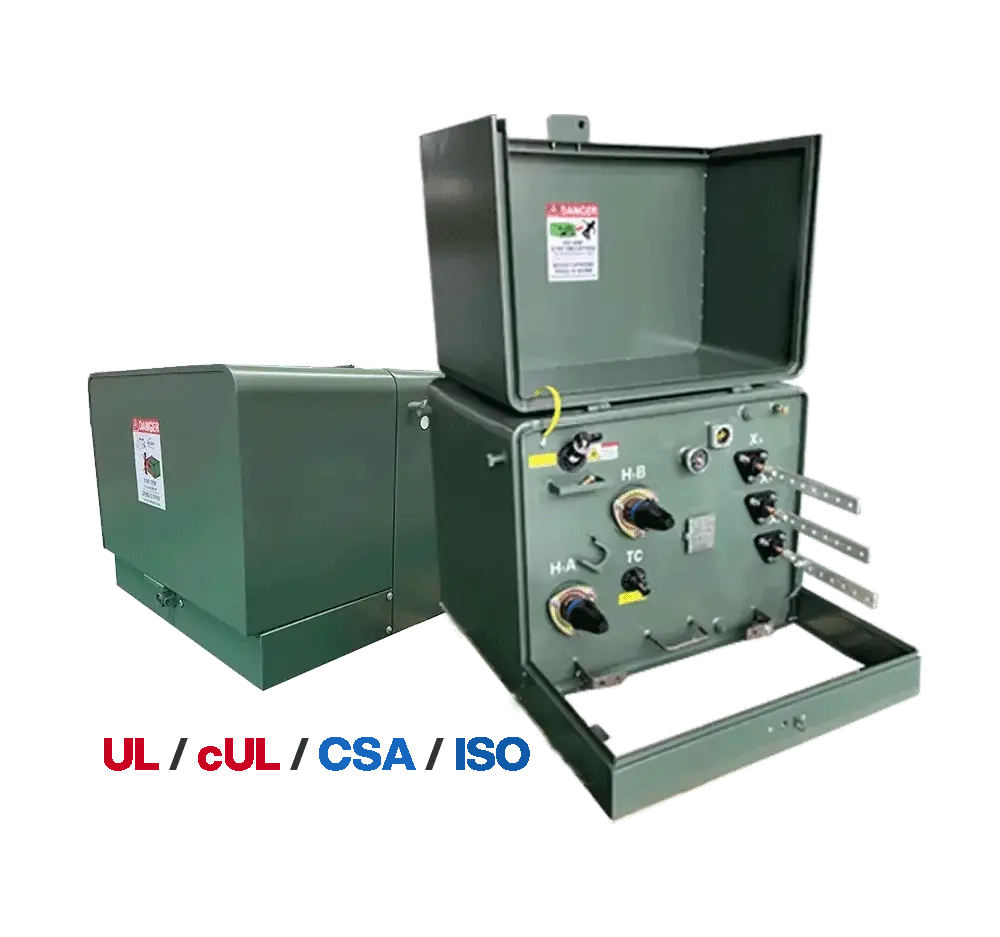
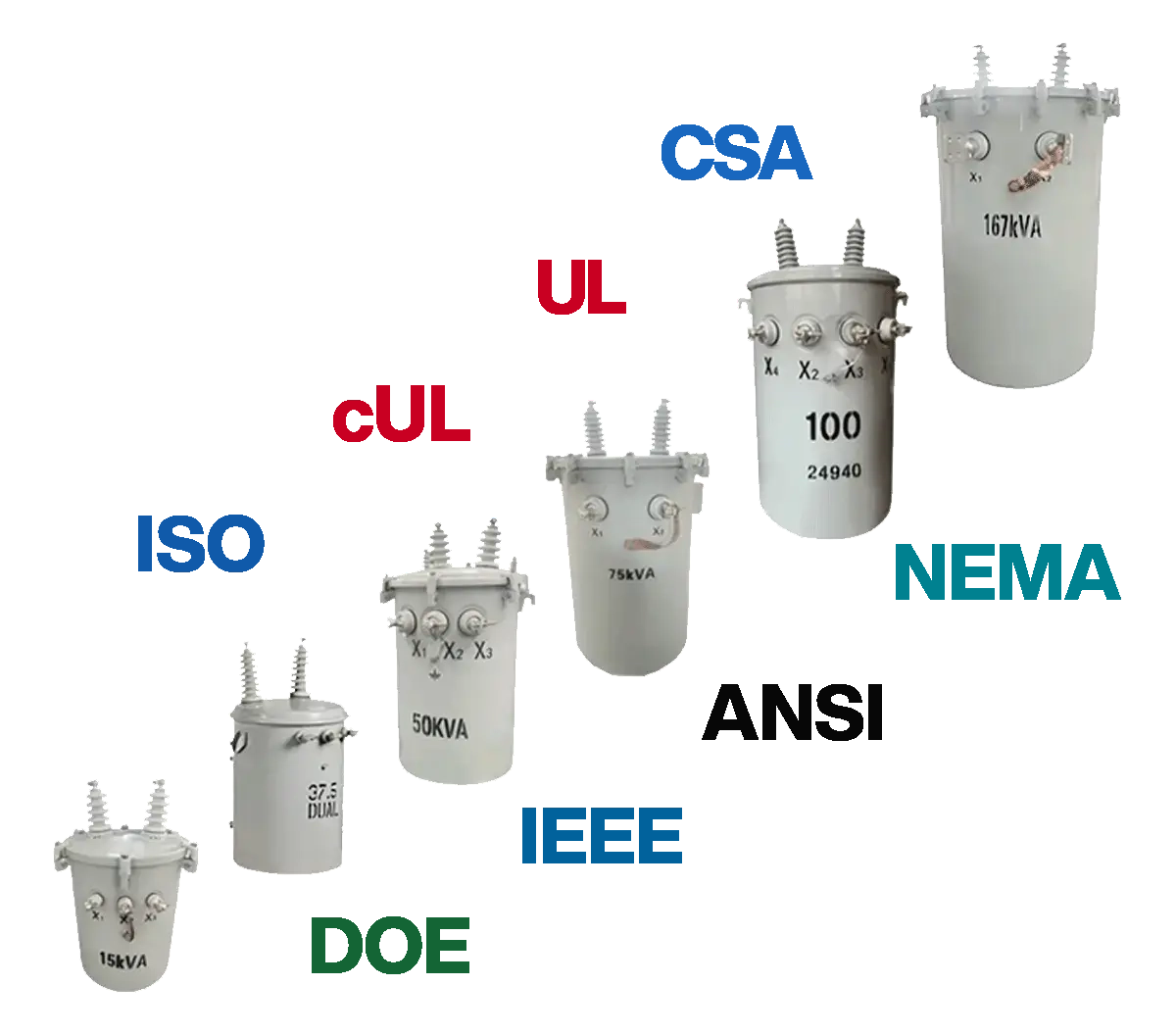
A single phase transformer chart with all required parameters is explained here.
| Transformer Rating (kVA) | Current 120 V (A) | Current 230 V (A) | Current 240 V (A) | Current 480 V (A) | Applications |
| 20 kVA | 166.7 A | 87.0 A | 83.3 A | 41.7 A | Commercial panels |
| 25 kVA | 208 A | 108.7 A | 104.2 A | 52.1 A | Machinery, |
| 30 kVA | 250 A | 130.4 A | 125 A | 62.5 A | Industrial devices |
| 37.5 kVA | 312.5 A | 163 A | 156.3 A | 78.1 A | Industrial machines |
| 45 kVA | 375 A | 195.7 A | 187.5 A | 93.8 A | Manufacturing loads |
| 50 kVA | 417 A | 217 A | 208 A | 104 A | Heavy single-phase loads |
| 75 kVA | 625 A | 326 A | 312.5 A | 156.3 A | Large workshops |
| 100 kVA | 833 A | 435 A | 417 A | 208 A | Large industrial loads |
3 phase transformer kVA rating chart
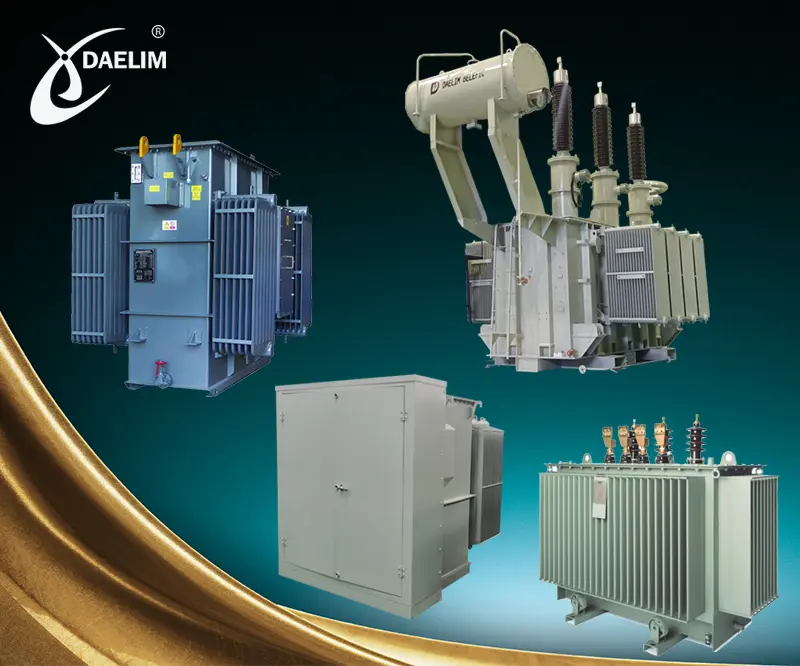
3 phase transformer chart is shown here.
| Transformer Rating (kVA) | Current 208 V (A) | Current 400 V (A) | Current 415 V (A) | Current 480 V (A) | Applications |
| 100 kVA | 278 A | 144 A | 139 A | 120 A | Industrial plants |
| 125 kVA | 347 A | 180 A | 174 A | 150 A | Large HVAC systems |
| 160 kVA | 444 A | 231 A | 223 A | 192 A | Heavy equipment |
| 200 kVA | 556 A | 289 A | 278 A | 241 A | Large machinery |
| 250 kVA | 694 A | 361 A | 348 A | 301 A | Substations |
| 315 kVA | 875 A | 455 A | 438 A | 379 A | Distribution transformers |
| 400 kVA | 1111 A | 577 A | 556 A | 481 A | Power networks |
| 500 kVA | 1389 A | 722 A | 696 A | 602 A | Utility supply |
| 630 kVA | 1750 A | 910 A | 875 A | 758 A | Large industrial feeders |
| 800 kVA | 2222 A | 1155 A | 1113 A | 962 A | Heavy industrial plants |
| 1000 kVA | 2778 A | 1443 A | 1391 A | 1203 A | Grid substations |
Dry type transformer sizing chart
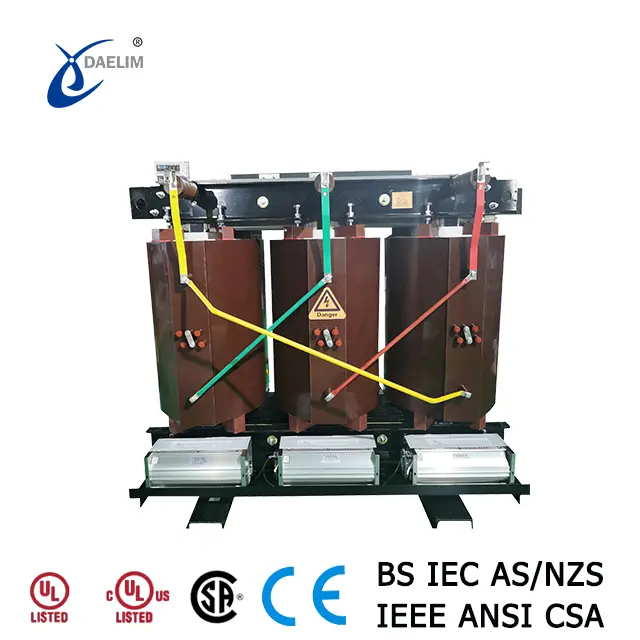
The dry type transformer sizing chart with detailed features is here.
| Transformer Rating (kVA) | Current 208 V (A) | Current 400 V (A) | Current 415 V (A) | Current 480 V (A) | Applications |
| 112.5 kVA | 313 | 162 | 157 | 135 | Data centers |
| 150 kVA | 417 | 217 | 209 | 181 | Industrial loads |
| 225 kVA | 625 | 325 | 314 | 271 | Large commercial |
| 300 kVA | 833 | 433 | 418 | 361 | Factories |
| 500 kVA | 1389 | 722 | 696 | 602 | Power distribution |
Distribution transformer rating chart
| Transformer Rating (kVA) | Primary Voltage (kV) | Secondary Voltage (V) | Full Load Current Secondary (A) | Application |
| 25 kVA | 11 kV | 415 V | 34.8 | Small loads |
| 50 kVA | 11 kV | 415 V | 69.6 | Residential supply |
| 63 kVA | 11 kV | 415 V | 87.7 | Housing blocks |
| 100 kVA | 11 kV | 415 V | 139 | Commercial buildings |
| 160 kVA | 11 kV | 415 V | 223 | Small industries |
| 200 kVA | 11 kV | 415 V | 278 | Workshops |
| 250 kVA | 11 kV | 415 V | 348 | Industrial loads |
| 315 kVA | 11 kV | 415 V | 438 | Large factories |
| 400 kVA | 11 kV | 415 V | 556 | Utility distribution |
| 500 kVA | 11 kV | 415 V | 696 | Substations |
| 630 kVA | 11 kV | 415 V | 877 | Industrial plants |
| 1000 kVA | 11 kV | 415 V | 1390 | Heavy distribution |
Transformer Sizing Chart: Safety Margins
These are some factors that must be considered during transformer design measurements that help to make an accurate transformer sizing chart.
- Set a safety factor when designing a transformer for a certain load demand. Use a 20 to 30 percent margin over the load to ensure that the transformer works continuously when it reaches peak load conditions.
- Use a high ambient temperature for the transformer for accurate working in high-temperature conditions without any damage.
- Another important factor is to define proper installation locations for the transformer according to sizing chart details, since wrong elevation affects cooling and insulation and, finally, the transformer’s working.
Conclusion
Transformer sizing is an important factor for getting the required ratings of the transformer for our load. Accurate sizing makes effective power distribution for commercial, industrial, and residential applications. For getting the required transformer and different factors like power factor, efficiency, and demand are considered. So use a transformer that fulfills the load reliably.
But sizing the transformer required professional expertise. If you do not have professional skills, get the services of a professional.
A transformer sizing chart is also important for effective, safe, and reliable transformer selection for our electrical power system. Since the size chart of the transformer includes important details like kVA ratings, voltage, and current load demand, it helps engineers to use the transformer size for load demand without having to avoid overvoltage and other fault conditions.

Daelim Transformer has more than 15 years a trusted transformer manufacturer fulfilling all standards for making quality transformers. They fulfill different international standards for manufacturing, like UL, CSA, CE, and ISO.
For orders about manufacturing and transformer sizing, contact Transformer Daelim.

 English
 Polish
 German