
Solar farms, wind power plant, and battery energy storage projects are rapidly expanding in Europe. However, many developers are continuously facing major challenges even though the permits, financing, and any other requirements and agreements took its place. The transformer lead times are taking much longer than expected.
This is no longer just a procurement issue. Long transformer lead times have become one of the biggest challenges when it comes to renewable energy projects to the grid as well as starting revenue generation. This article explains why lead times have increased rapidly, how they affect different stages of project development, and what developers can do to reduce delays and keep projects on schedule.
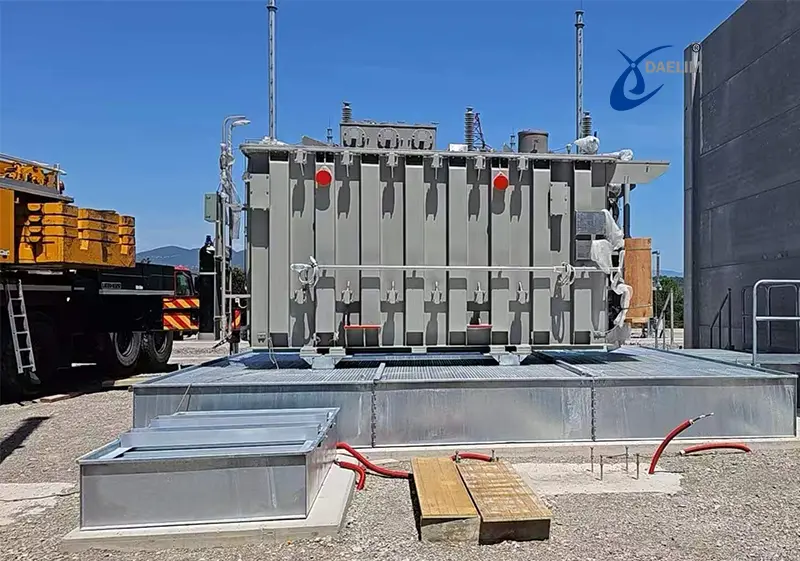
The Explosive Growth of Renewables and the Grid’s Growing Pains
Solar farms and wind projects are some of the renewable sources that have been growing at a high rate in Europe. They are being built at an incredible rate throughout the region with heavy investment from a variety of investors including government agencies to reduce greenhouse gas emissions and increase the overall energy security. The rapid expansion of these renewable resources is positive for transitioning our energy use away from fossil fuels, but this has created tremendous stress on the existing infrastructure that supports them.
Grid Connection Deadlines: Where the Pressure Really Hits
Grid operators across Europe are handling large numbers of grid connection requests as renewable energy projects continue to grow. Many of these projects must meet specific energization deadlines after securing a grid connection agreement.
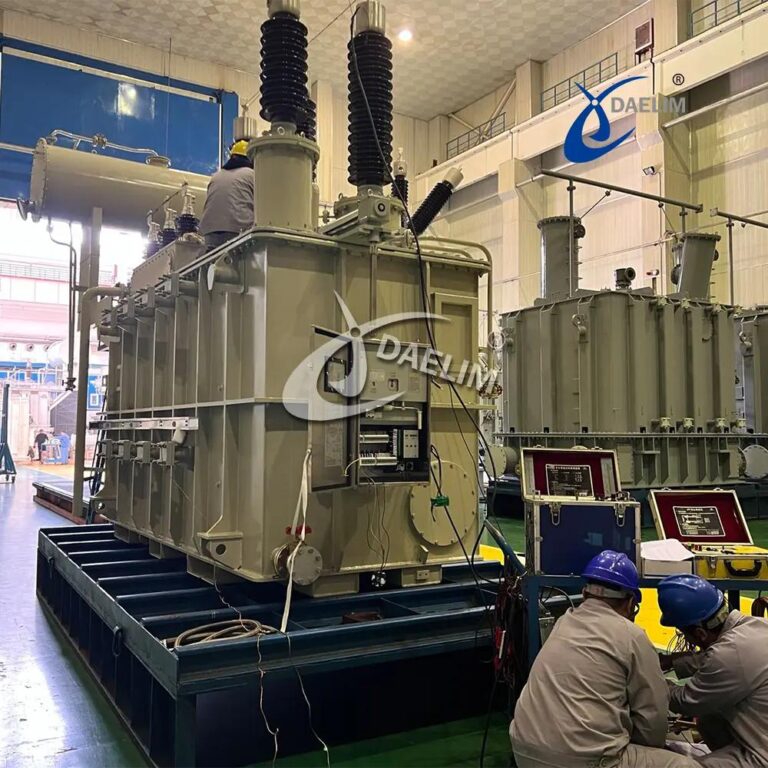
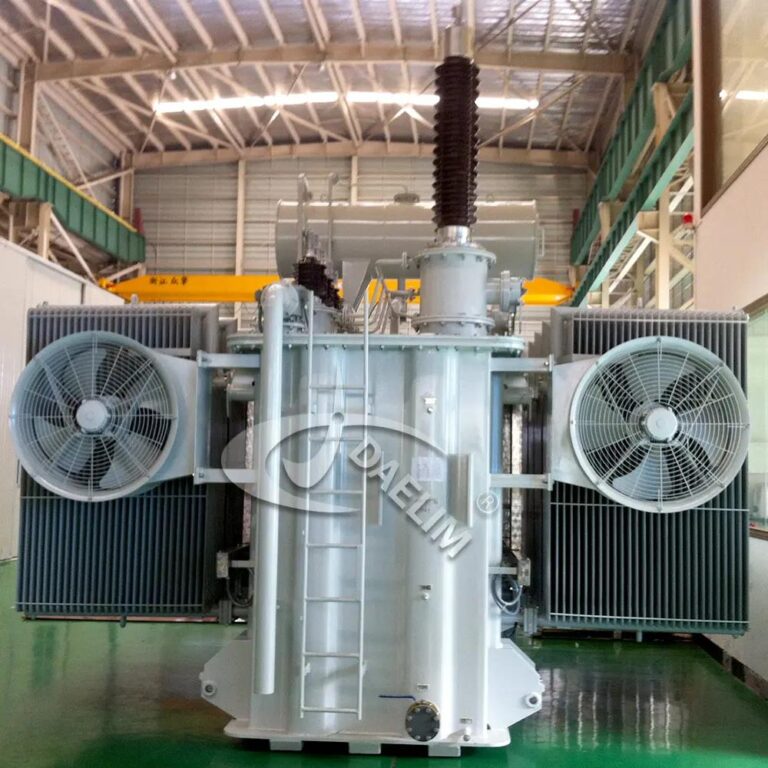
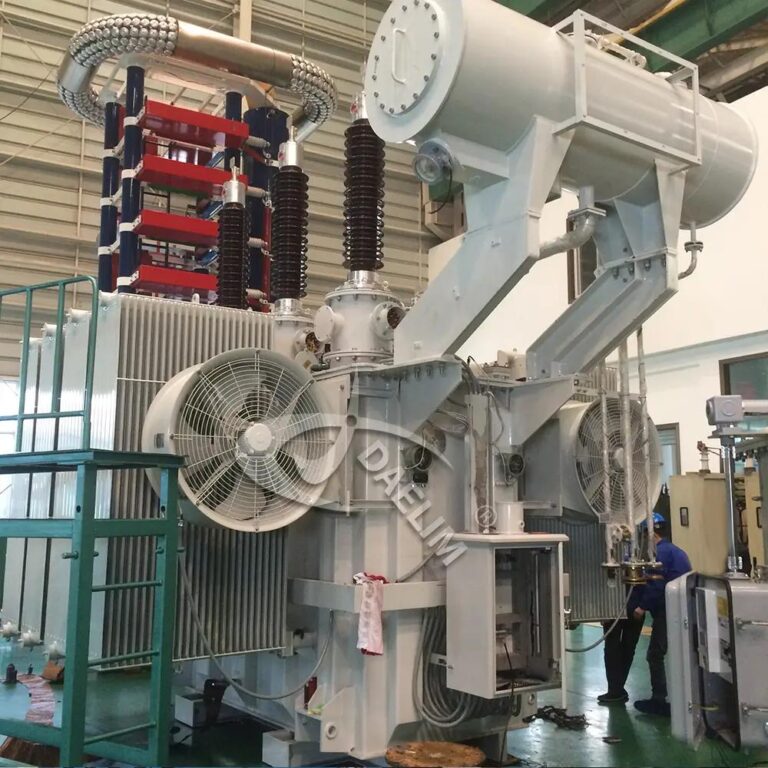
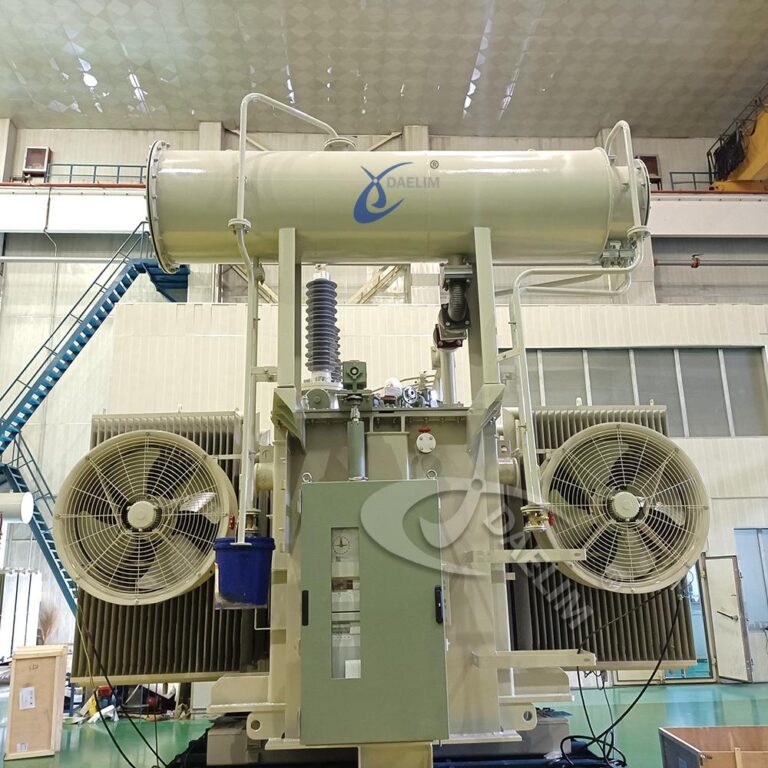
In renewable energy projects, transformers are one of the most important components because they enable electricity to be transferred safely and efficiently to the grid.
Delays in the delivery of transformers can make the entire grid connection and commissioning schedule to be pushed back which can lead to missed project milestones. It can also incur additional costs, and in some cases, delays in obtaining revenue from the project.
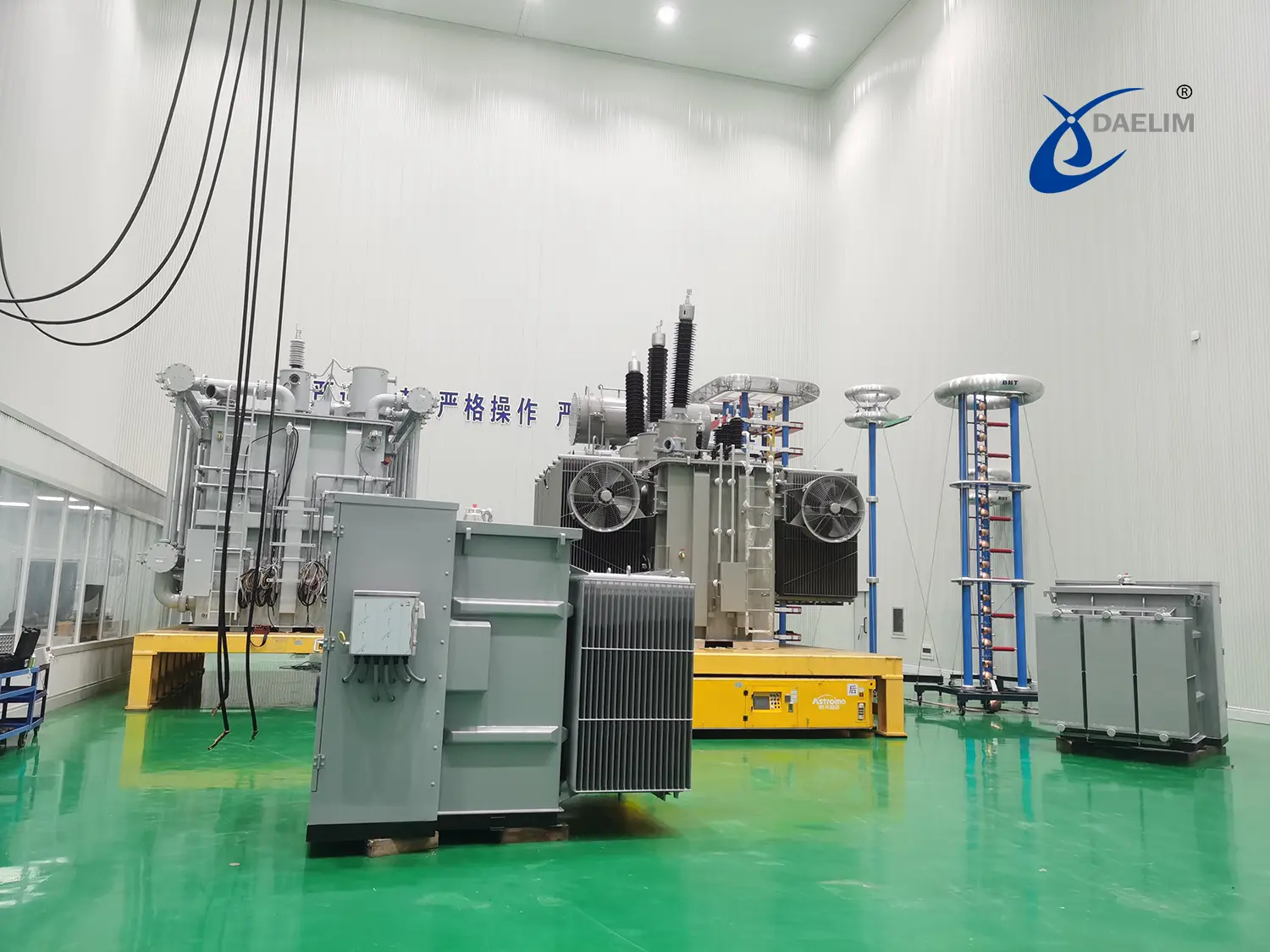
PPA Signing and Delivery Obligations
It is considered as a major milestone for a renewable project when it comes to signing a Power Purchase Agreement (PPA) because it provides revenue certainty and helps support project financing. However, it also comes with contractual obligations and project deadlines that must be met.
Availability of the equipment can become a critical bottleneck and may be a challenge in many developers. A delayed transformer can greatly affect many aspects in your project from the construction activities, up to the project commissioning and commercial operation. This may lead to lost revenue opportunities and increased exposure to market risks if energy prices or contract conditions change during the delay period.
EPC Milestone Management Challenges
To keep the renewable projects on track, EPC contractors rely on carefully planned schedules and activities such as site preparation, foundation construction, cable and equipment installation, and testing. Because transformers are often on the project’s critical path, any delay in their delivery can affect multiple phases of construction.
Delays in receiving transformers will result in possible modifications of scheduling including extended hours at the sites and/or changes to contracts with subcontractors. The need for rescheduling becomes increasingly complicated by factors such as weather, seasonality, labor availability, etc. These factors can compound to create a high likelihood that solar and wind projects will experience major costs overruns and put an extreme amount of stress on project teams to maintain their original schedule while maintaining stakeholders’ expectations.
Learn more about our customized solar inverter duty and heavy duty transformer for high-efficiency renewable energy projects.
Understanding Today’s Transformer Lead Time Reality in Europe
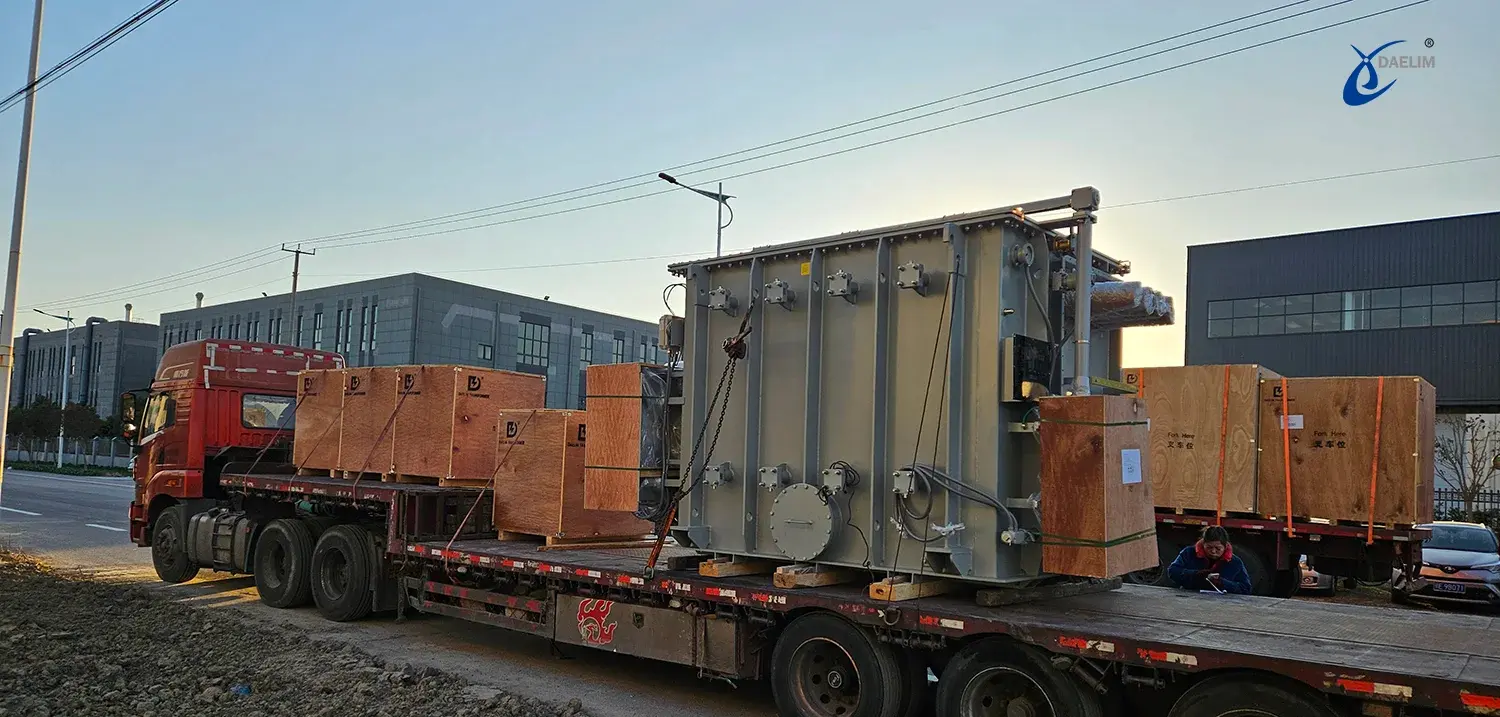
Industry reports clearly show that the average time required to receive Power Transformers has increased significantly. Previously, lead times were typically around 12-18 months. Today, they are often 24-60 months (or longer) for large, specialized transformers and those used to integrate renewables into grids.
The increase is due to prolonged high demand for transformers and the inability of manufacturers to increase production. Therefore, renewable energy developers in Europe will need to make procurement decisions prior to the end of Q1 2025 to know if their projects will be able to meet their respective target year of 2028 or 2030.
Why Manufacturing Capacity Feels So Tight
European transformer manufacturers operate at or near total output levels. This means that orders placed by customers will have a wait of two to three years. The combination of the need to upgrade the grid, build data centers, expand industrial electricity distribution systems, and the large number of renewable energy project orders are all competing for what little output is currently being produced.
At the same time, many manufacturers are struggling with their own supply chain issues which include lack of access to electrical steel (the raw material used in transformers) and labor shortages which result in delayed delivery of products.
As a result, developers have less flexibility when it comes to equipment procurement. Last minute design changes, specification revisions, or urgent orders can be difficult to accommodate, making early planning and procurement increasingly important for keeping renewable energy projects on schedule.
The Rise of Customized Needs in Solar, Wind, and BESS Projects
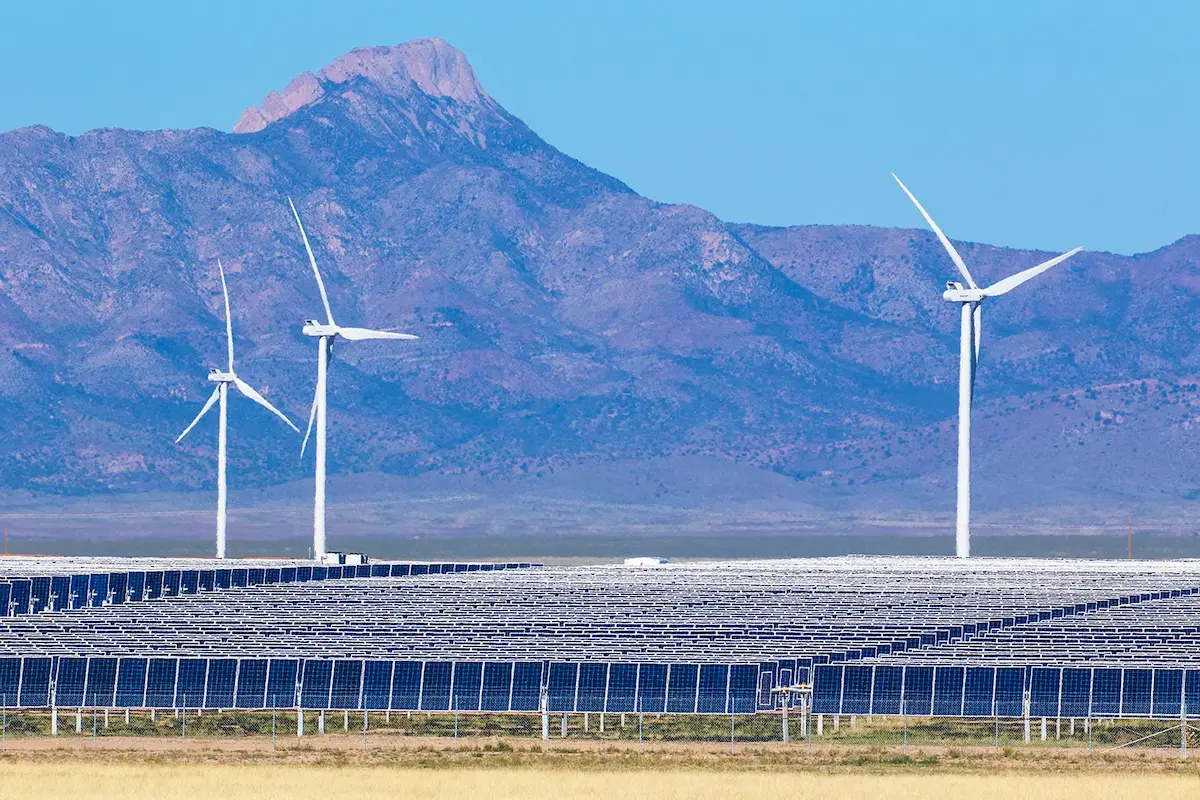
Custom-built transformers are most commonly used in renewable energy systems as the majority of renewable energy systems have special operating requirements which do not allow for a standard transformer. Solar farms are an excellent example of this. They require a transformer that is able to quickly react to the rapid changes in power output, while also having to accommodate the harmonic distortion created by inverters. Offshore wind farms may be another good example of why custom built transformers are needed. These applications require a transformer that will operate in extreme environments. Battery energy storage systems (BESS) often require transformers that support bidirectional power flow and frequent charging and discharging cycles.
The specialized needs in renewable power generation necessitate added engineering, testing and manufacturing time in creating transformers for renewable power generation. In addition to this growing need for added time as well as increasing complexity with the hybrid projects add an increased amount of complexity for transformer design and procurement. This has caused developers to be faced with longer lead times and must therefore begin making plans to purchase equipment at an earlier time than previously experienced to prevent project delays.
Financial and Investment Risks from Project Delays
Delays with receiving transformers will result in delays with grid connections which may cause an extension of the time it takes to receive project revenues and therefore delay project commissioning. An extended project schedule may negatively affect anticipated project profits, create additional interest expense through construction, and potentially jeopardize contracted commitments.
Due to this type of risk, investors are paying greater attention to supply chain reliability prior to providing approval for project financing. In many instances, projects demonstrating a reliable equipment supply and realistic shipping/delivery schedules may enjoy a competitive advantage over other applicants seeking funding/investment in renewable energy auction programs in Europe.
Viewing Transformer Procurement as Strategic Risk Management
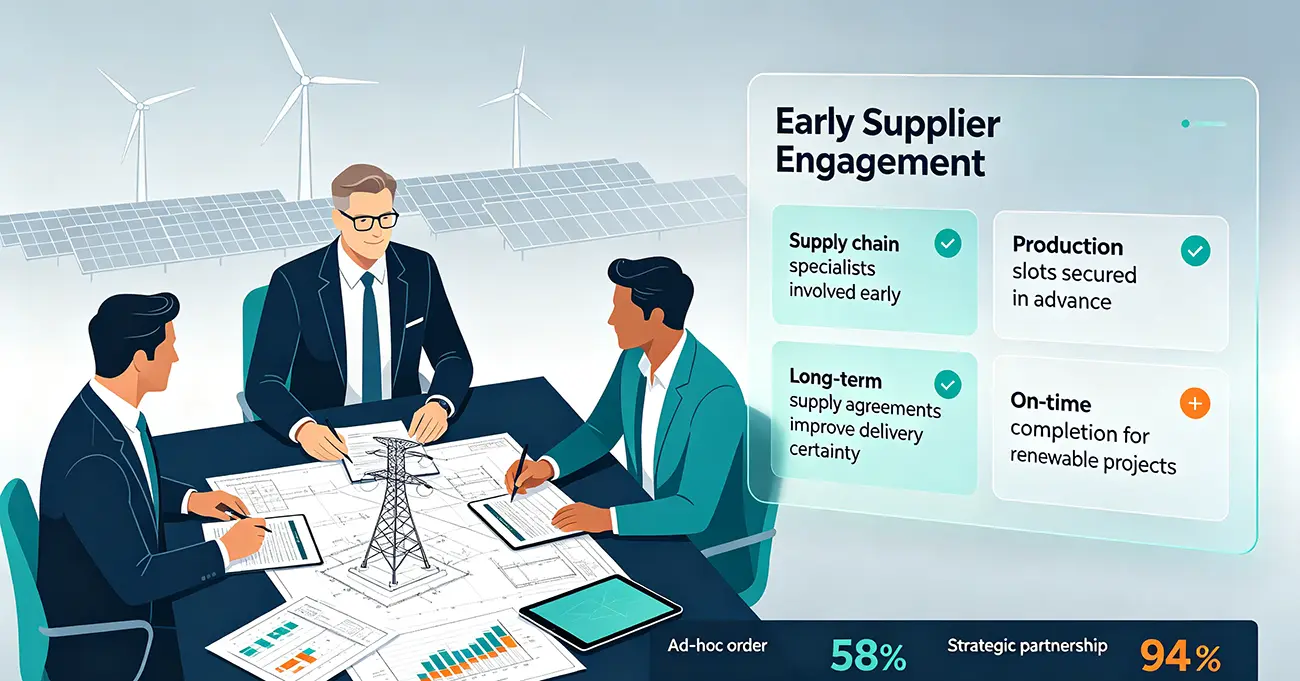
Planning to purchase transformers ahead of schedule is becoming a common method of reducing potential project-related risks. Rather than using transformer acquisition as an activity initiated at the completion of the development project design, several developers are including their suppliers in the early stages of planning for their projects. This process allows developers to secure production spots, allow sufficient time for the manufacturer to manufacture the equipment, and reduce the risk of delivery delays.
Early procurement planning provides a chance for project teams to be prepared for any potential changes in lead time and develop an understanding of the effects that delays may have on their overall project schedule. Today, many developers include supply chain specialists early in the project and are working with established manufacturing partners by means of strategic partnership or long-term supply agreement to better ensure timely deliveries and on-schedule completion of renewable energy projects.
How Forward-Thinking Partners Can Help Reduce These Risks
Using trusted international suppliers will aid in reducing the negative impacts from prolonged lead time for transformers. Because some manufacturers have very high production volumes that exist outside of highly restricted markets they generally offer much better delivery timelines than do manufacturers within those areas and they also generally have a lot more options as to how they produce.
Therefore, renewable energy developers can minimize their reliance on European manufacturer’s limited production capacity while complying with local technical specifications and regulations. Renewable energy developers may further be able to increase the reliability of their supply chain and potentially avoid expensive construction delay costs by using qualified international suppliers that have a history of providing materials or equipment to renewable energy projects.
Conclusion
Managing transformer delivery timelines has evolved from being a purchasing function in renewable energy project development to becoming a key component of overall renewable energy project development planning. The delivery timeline of transformers will ultimately define whether or not a renewable energy developer is able to achieve their planned grid-connection date; meet the required financing terms; and begin earning revenue as quickly as possible.
Daelim Transformer is aware of all issues in the renewable energy sector currently. Through many years of providing technical support to renewable energy project developers and manufacturing transformers meeting European market requirements (in compliance with IEC/EN Standards), Daelim provides focus on timely delivery, superior quality products, and exceptional technical assistance during each phase of the project. Ready to increase the reliability of your project’s supply chain and protect critical milestone deadlines?
Contact Daelim Transformer to help manage lead-time risk and develop reliable power systems for your European
FAQ
What are typical transformer lead times for renewable projects in Europe right now?
Typical lead times for transformers for renewable energy projects in Europe at this point in time range from 24 months (two years) up to 48 – 60 months (four to five years), which is dependent upon the complexity of the specification as well as the extent of the manufacturer’s backlog.
Daelim Transformer understands European requirements, including IEC standards, EU Ecodesign requirements, Tier 2 efficiency levels, and customized solutions. Our average production time for large transformers used in renewable energy applications is approximately four months, demonstrating our ability to meet project deadlines and provide competitive delivery timelines.
With flexible engineering and sales support, we provide technical assistance and multilingual communication throughout the project.
We are expanding our European presence with successful installations in countries such as Spain, Finland, Greece, and Denmark, where our local teams provide installation support, commissioning services, maintenance assistance, and after-sales support to ensure reliable operation throughout the transformer life cycle.How do transformer delays specifically affect PPA and financing?
Transformer delays will typically cause developers to delay their commercial operational date, therefore possibly breaking PPA provisions with respect to revenue generation, and will also impact the debt servicing or return criteria that lenders evaluate when providing financial support.
Can early procurement help mitigate lead time risks?
Yes they can. By beginning procurement processes early on, reserving capacity, and establishing buffer periods in master scheduling plans developers may be able to circumvent the risk associated with unexpected supply chain disruptions.
What makes a supplier a good strategic partner for European renewable developers?
When evaluating potential suppliers of transformers as strategic partners for European renewable energy developers, these factors should include global manufacturing capabilities to meet changing project requirements; experience delivering renewable projects; an ability to understand grid interconnection requirements; and a commitment to collaborate in achieving timing certainty. Daelim Transformer is more than just a transformer manufacturer and supplier
—
we are your trusted partner for long-term success.
 English
 Polish
 German