
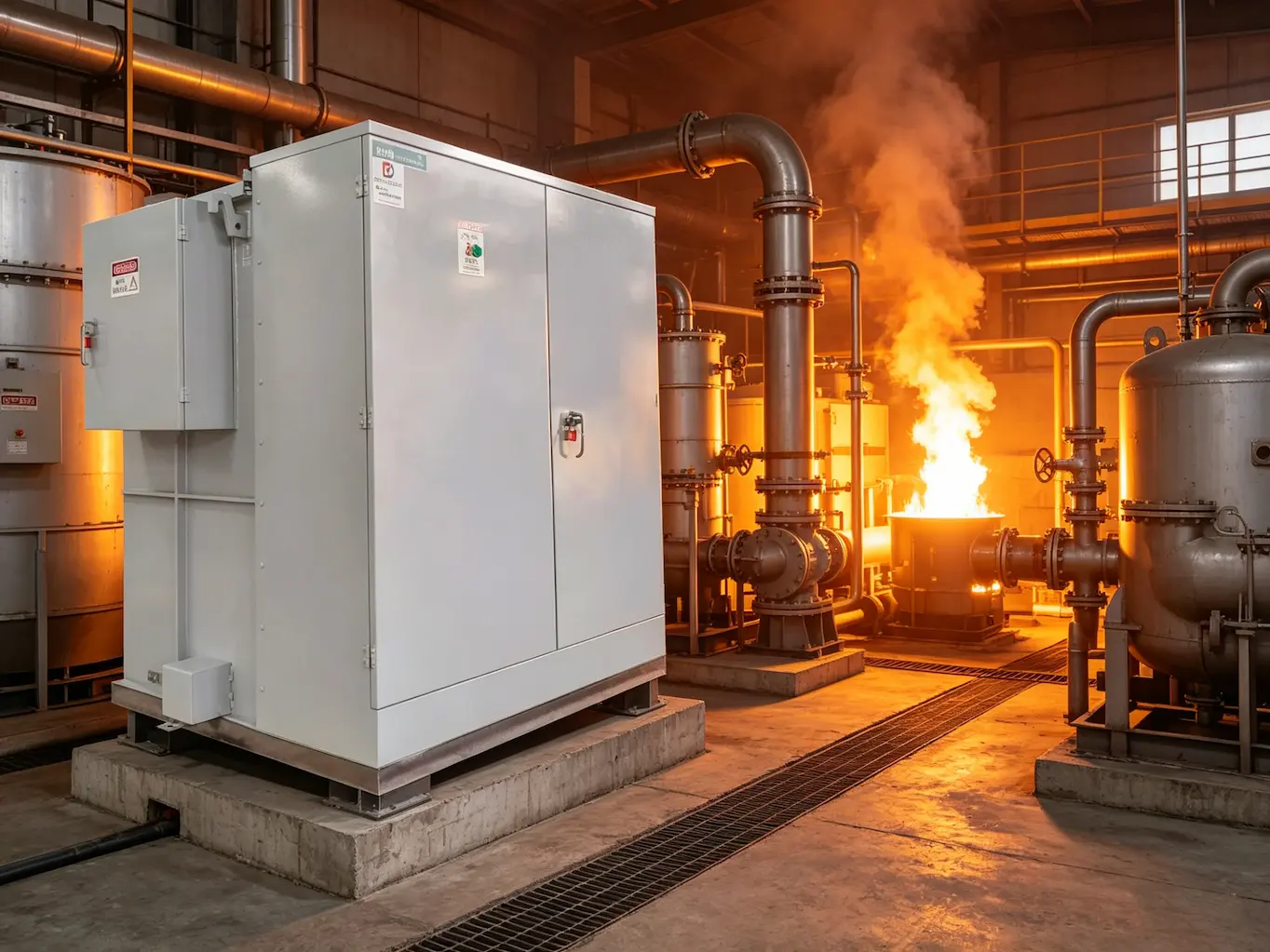
The role of transformers in thermochemical storage is as important as in conventional power systems. Since a transformer is important for making a connection of the energy storage system to the grid, it helps to make effective and easy power transmission from energy sources.
TCES involves energy storage techniques based on high-energy-density reversible chemical reactions. In this tutorial, we will detail TCES and how transformers based onwork as important components. Let’s get started.
Overview of Thermochemical Energy Storage (TCES)
With high generation of renewable energy, generation batteries have limitations in capacity for energy storage. So thermochemical energy storage techniques are employed that have the feature of storing a large quantity of energy for a longer time without requiring insulation.
The process depends on the reversible chemical reaction enthalpy. The working principle of TCES is explained in the diagram below, where, for charging the storage unit, heat is given to the endothermic reaction, and the output is stored separately. Again, energy demand and the output product combine for reaction enthalpy.
In this process, charging and discharging cycles occur in different reactors through storage tanks. For the first reactor, charging the reactor provides heat. Solid materials react with second solid components with gaseous materials; as a result, water vapor is released.
For storage purposes, the second component goes to the second reactor, where water exists. In this way energy stored releases. So the thermochemical cycle finished, and it can start again by adding the first material into the first reactor.
TCES system components and materials
Materials used for TCES must follow some features, like being nontoxic, low cost, and providing reversible reactions. The reaction occurs up to 200 degrees for a stable cycle.
This feature helps to store heat from low to high level temperatures, like solar energy and heat generated from industrial waste.
Components of the TCes system areas
Reactants:
- Commonly used reactants are metallic oxides and salt hydrates that perform reversible charging and discharging for energy storage and release.
Reactor
- A reactor vessel in which a chemical reaction occurs. Its design helps to manage heat and mass transfer for charging and discharging processes.
Heat Exchangers
- Heat exchangers exist with the reactor and transfer heat from the fluid that moves in the system for providing heat to use.
Control Systems
- For high-efficiency chemical reactions and complete process control, components like pressure gauges, flow meters, etc., are used to control system pressures, temperature, and rate of flow.
Transformers
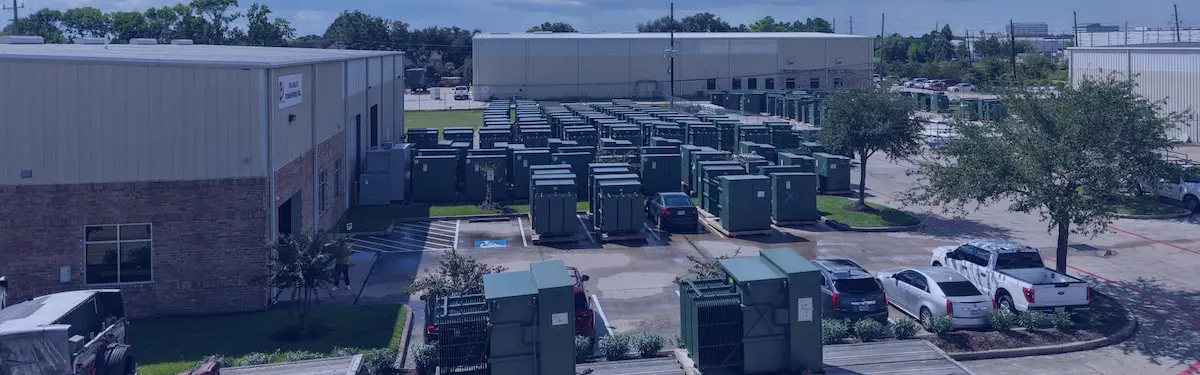
- The most important component is the transformer that maintains the voltage level, and the electronic circuits perform energy conversion and delivery.
TCES vs Storage Technologies
| Storage Technique | Energy Density | Storage Duration | Efficiency | Energy Losses | Maturity Level | Uses | Advantages | Limitations | Transformer Requirements (Performance & Design) |
| Thermochemical Energy Storage (TCES) | Very High | Long | Medium | Very Low | Low to Mid | Heat storage, industrial heat, solar thermal | High energy density, minimal losses during long-term storage | Complex system, high cost | High insulation strength, voltage ratio features, low no-load losses, high thermal management, and reliable working for long-duration duty cycles |
| Sensible Heat Storage | Low to Mid | Short | High | High | High | Hot water tanks, district heating | Low cost, simple technology | Large volume required, significant heat losses | low-voltage transformers with high efficiency, strong cooling design, and continuous-duty capability for auxiliary devices |
| Latent Heat Storage | Moderate | Medium | Medium to High | Low to Mid | Medium | Temperature regulation, thermal buffering | Stable temperature operation, compact size | Material degradation, limited cycle life | Stable voltage regulation, compact design, moderate insulation class, and compatible with electric heaters and control systems |
| Batteries | High | Short to Mid | Very High | Low | High | Grid storage, EVs, backup power | Fast response, high efficiency | High cost, limited lifetime | Accurate voltage regulation, high efficiency, electrical isolation, low harmonic distortion, and strong short-circuit handling ability |
| Hydrogen Storage | Very High | Long | Low to Mid | Low | Medium | Power-to-gas, transport, industrial applications | Suitable for long-term and seasonal storage | High conversion losses, infrastructure, and safety challenges | High reliability, fewer losses, overload capability, and compliance with safety and grid-interconnection standards |
Transformers in TCES Systems
A transformer is the main component of an energy storage system, especially the TCES system, through changing current and voltage levels.
Voltage level matching & power quality
- The transformer’s main operation for thermochemical storage is to maintain the required voltage level with good power performance in the system. Components working in the system use voltage levels and power demands, so the transformer adjusts the level according to those requirements.
- Such a transformer increases the voltage level for longer-distance transmission according to load demand, and with that, it regulates the power signal for delivering quality power.
Conversion and distribution of power
- Another transformer functions for the energy storage system to convert and distribute power. According to system requirements, DC power produced in the TCES system is converted to AC power, and transformers play an important role in this conversion. With that transformer, ensure power distribution occurs with fewer losses.
Integration with the TCES SYSTEM
- In renewable energy sources Transformers are important since energy stored in the energy storage system delivers low input to the transformers, but the transformers convert it to high voltage for the load. Basically, a transformer maintains energy flow between the energy storage system and the generation end.
Grid connection
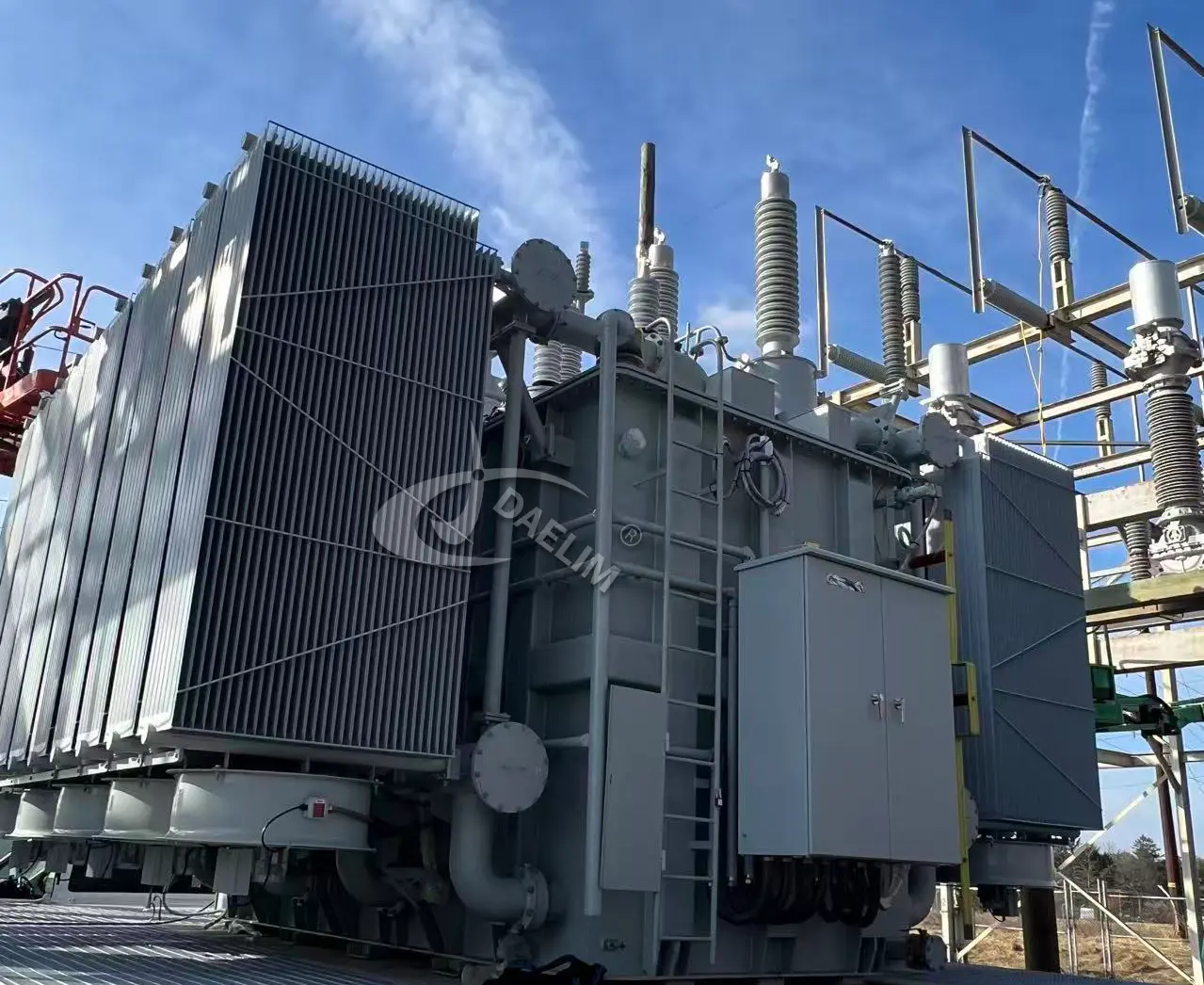
- Transformers also perform strong grid connections with supply. But before making a connection of the energy storage system with the grid, it needed synchronization with the grid assembly. Since the generated energy needed has the same frequency as the grid frequency. Transformers make smooth and synchronized connections between the grid and the system.
Thermal Management Efficiency in TCES System
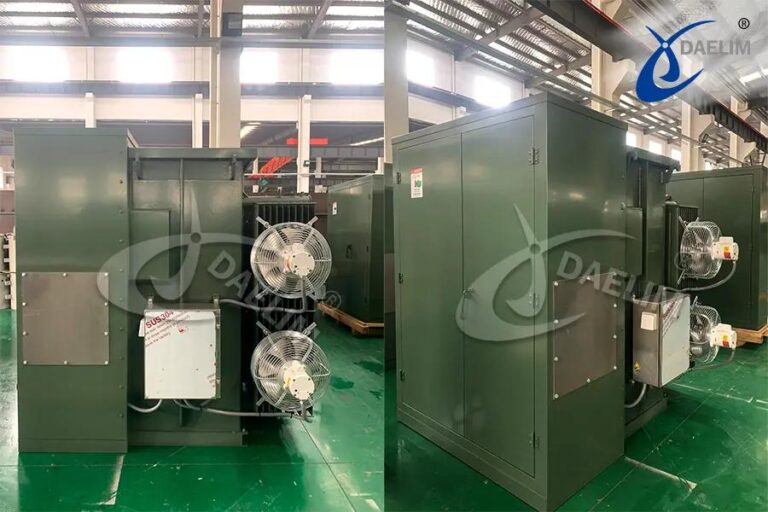
For accurate power transmission from a transformer to a grid in the TCES system, heat management is important. Since high heat-generating reactors and high power-consuming devices operate for thermal energy storage systems, that heat also affects the transformer with its own heat, so it must have factors for managing heat in these conditions.
The advanced transformer structure is designed with such materials that avoid energy losses and winding materials manage heat with proper insulation. In this way, the system continues to work since the transformer maintains power flow when charging and discharging occur.
Applications and benefits for TCES operators
Peak-Shaving
- Energy storage during off-peak hours and sending to the load during peak hours is called peak shaving. So the transformer maintains the energy delivery from the grid to storage and, during load demand, from storage to the grid by reducing the high load on the grid and energy cost.
Renewable connections
- Energy produced during solar and wind generation can be high and stored in the system, but when released, it can be low. so the transformer maintains the voltage level to the load demand
Off-Grid Systems
- Off-grid also faces voltage fluctuations that are maintained through transformers for power delivery to homes, offices, and buildings.
High-Temperature TCES Rectifier Transformer Project
Project Overview
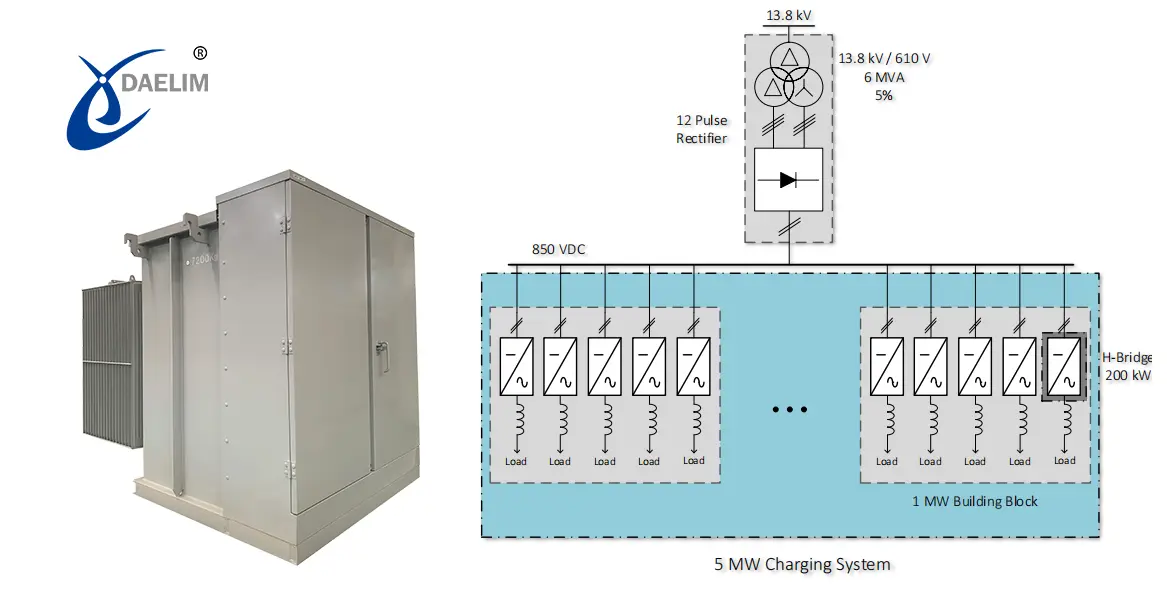
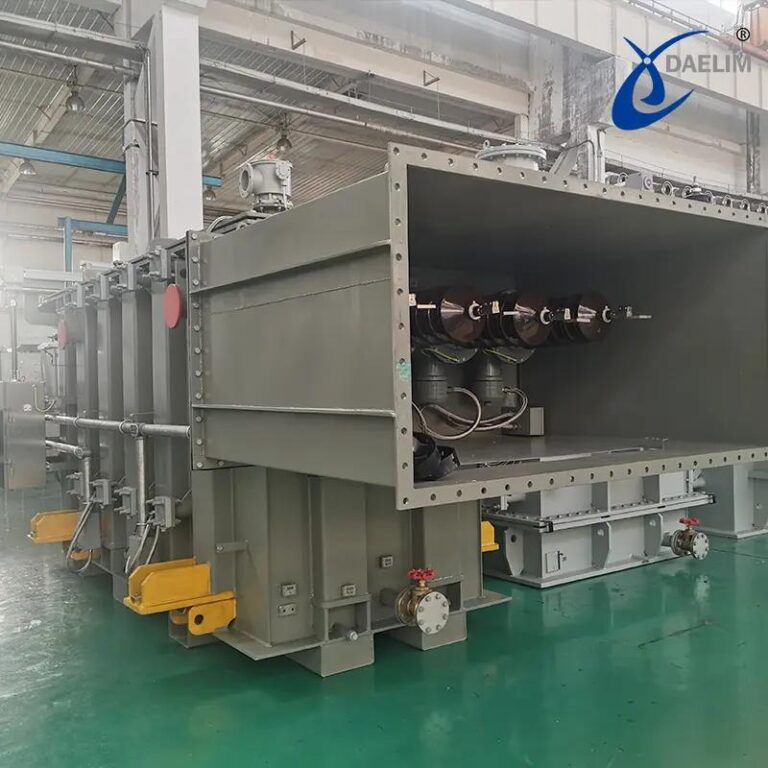
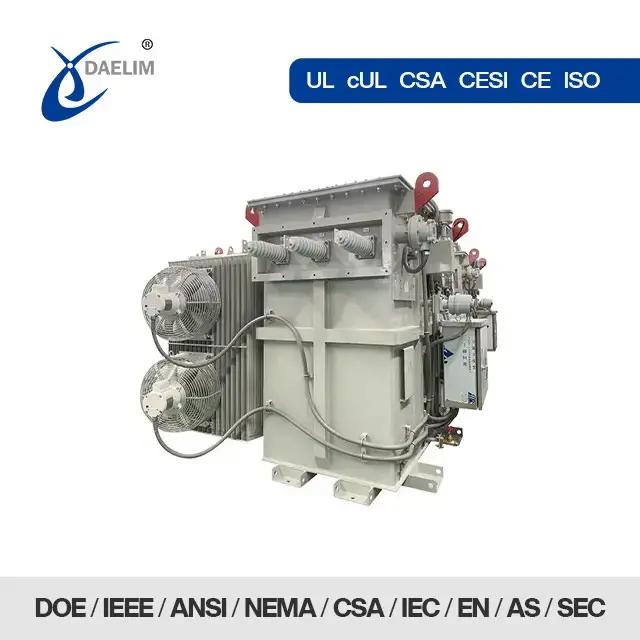
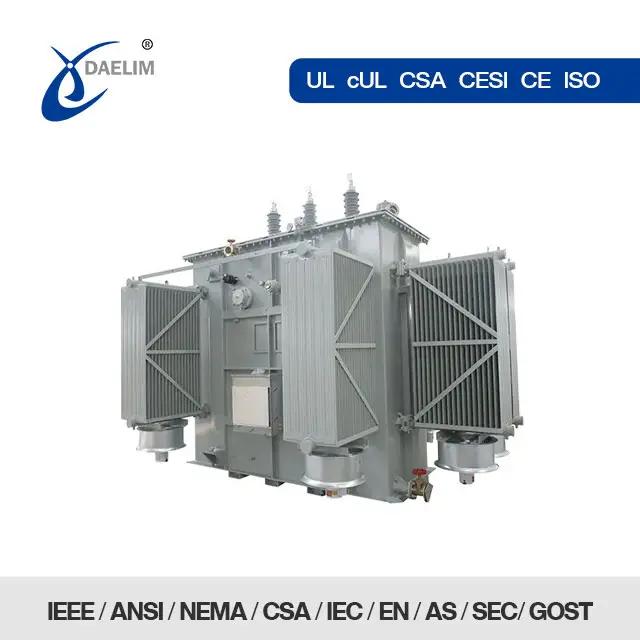
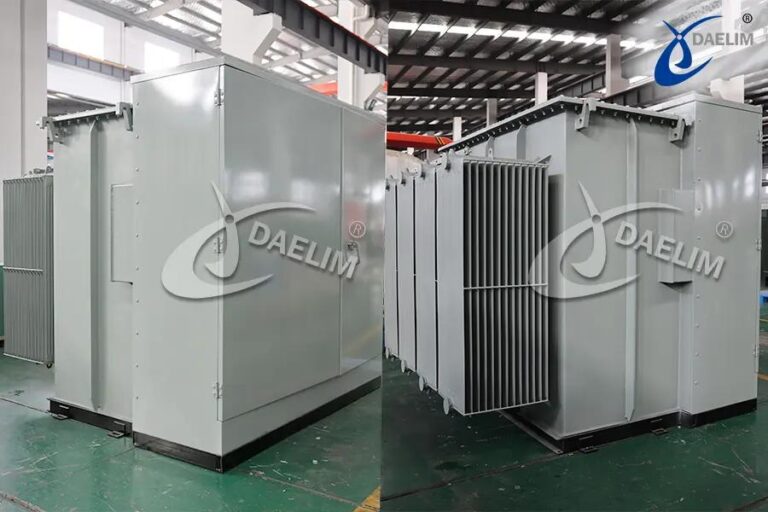
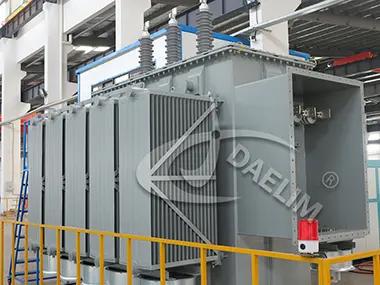
In this project a 6000 kVA rectifier transformer was made and delivered for a high thermal thermochemical energy storage project in the USA. The transformer’s main operation was to maintain the working of the 5 MW charging system and the 850 VDC DC bus for proper power for reliable power conversion for the energy storage process.
Transformer Design
The transformer comes with a 3-phase dual secondary design that has a Dd0/Dy11 vector group. It steps down a 13.8 kV medium-voltage input to dual 610 V secondary outputs, causing the working of a 12-pulse rectifier system. That design configuration reduces harmonic distortion and maintains system efficiency.
Electrical Performance and Compliance
In this transformer, aluminum windings are used and constructed with UL-certified components for fulfilling project features and US regulatory demand.
Mechanical Design and Environmental Protection
This transformer comes in a waterproof enclosure and is dustproof, which helps it to operate in different temperature conditions, like -30°C to +50°C, and at installation altitudes of up to 1,600 meters.
Project Outcome
This project shows our ability to deliver custom-engineered, high-capacity rectifier transformers in advanced energy storage projects through providing high electrical performance and following international and U.S. standards.
Conclusion
Thermochemical Energy Storage (TCES) comes with different components and, most importantly, transformers that maintain voltage levels and provide safe transmission to the grid through managing heat generation and its effects on voltage. In thermochemical energy storage, high-performance transformers are preferred that provide high efficiency and a continuous supply for off-grid and grid-connected systems.
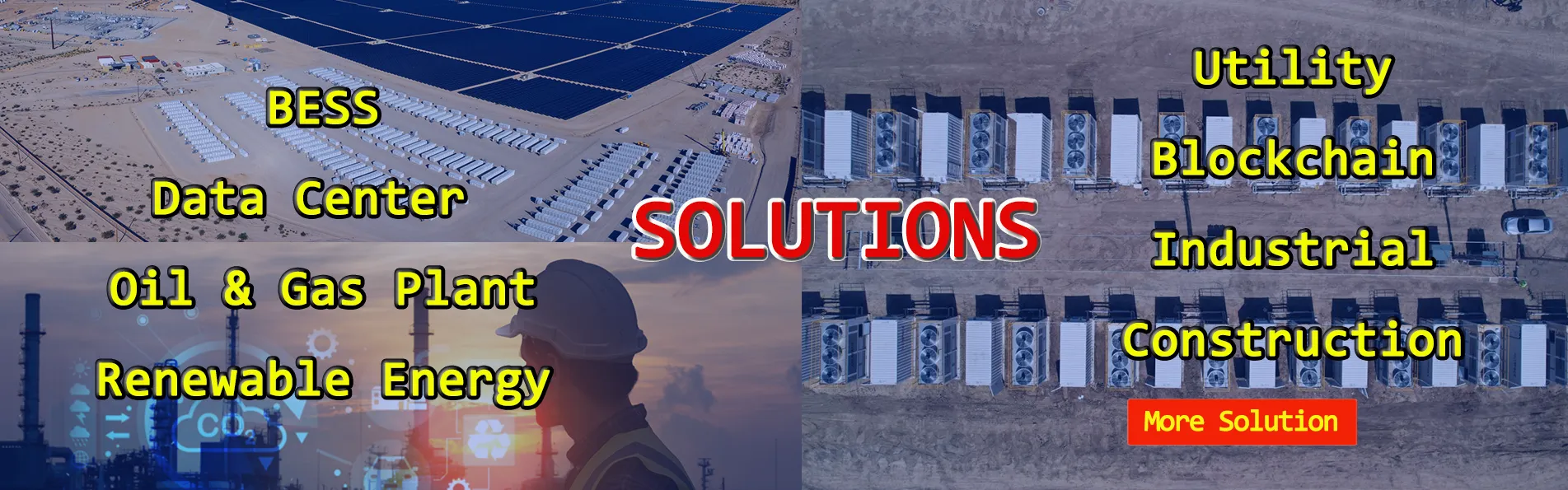
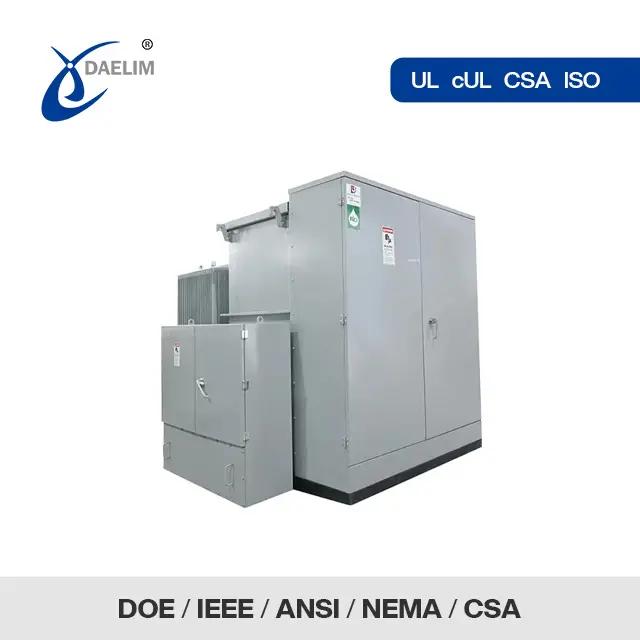
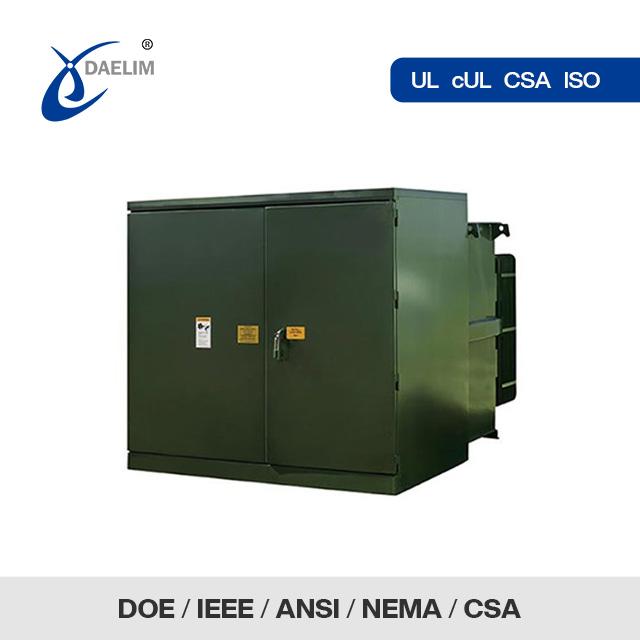
Transformers are an important element for the effective and safe functioning of energy storage systems. Daelim Transformer provides high-performance transformers designed for energy storage projects, helping to make collaboration between different storage sources, such as hybrid installations, batteries, and thermochemical systems. Through making a fully optimized design and structure of the transformer, Daelim helps to get proper features important for increasing system efficiency and safe operation, such as voltage regulation, electrical isolation, and low power losses.
Daelim transformers provide easy power transmission for longer distances to make smooth integration with the grid to make a reliable system overall and minimize chances of faults. So they are helpful for high efficiency, easy energy storage, and performing transmission without effects, like in grid-supported storage systems, also on larger scales.
 English
 Polish
 German