
A transformer with an amorphous metal core is referred to as an Amorphous Metal Transformer (AMT). Ferromagnetic amorphous metal that has been shaped into thin foils is used in the production of amorphous core transformers. It has been demonstrated that their thinner foils and higher resistivity result in reduced losses and improved harmonic wave resistance.
In the following, you can find a detailed guide about amorphous metal transformers completely.
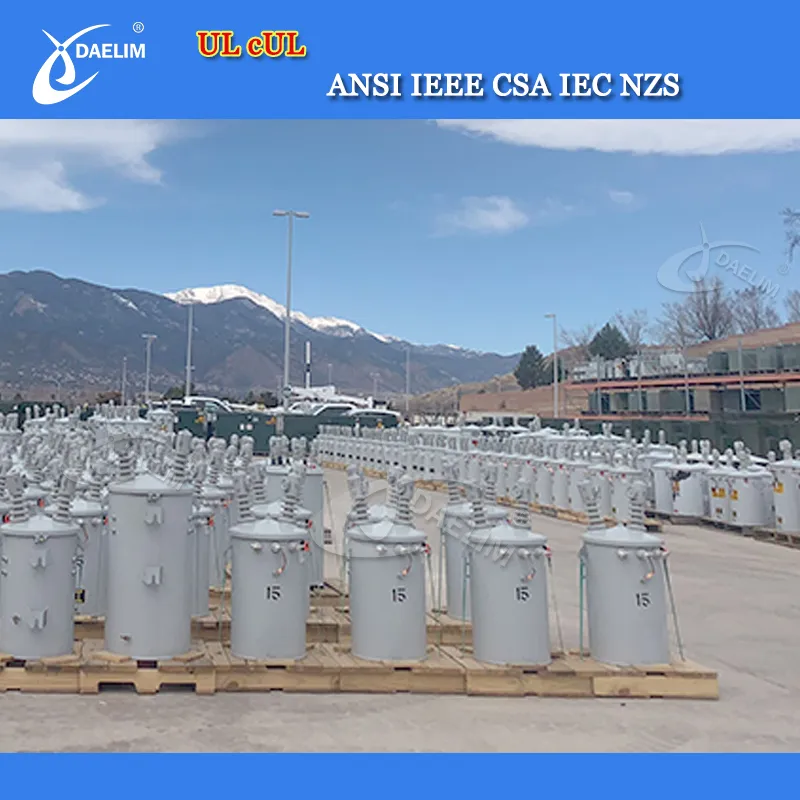
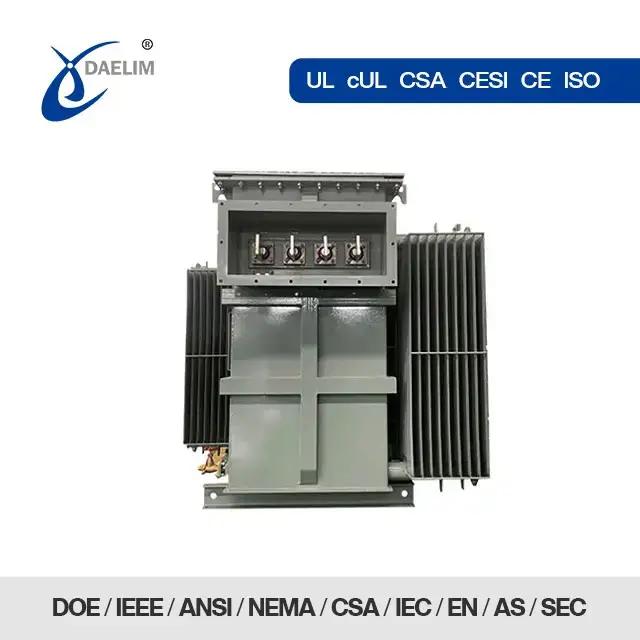
Daelim Transformer’s 1 phase pole mounted transformers with high voltages up to 34.5kV and ratings up to 333kVA, meeting global standards like ANSI/IEEE C57, CSA C2.1, IEC 60076, and more. Their products not only comply with DOE and CSA efficiency requirements but exceed them, ensuring reliability, efficiency, and energy conservation.
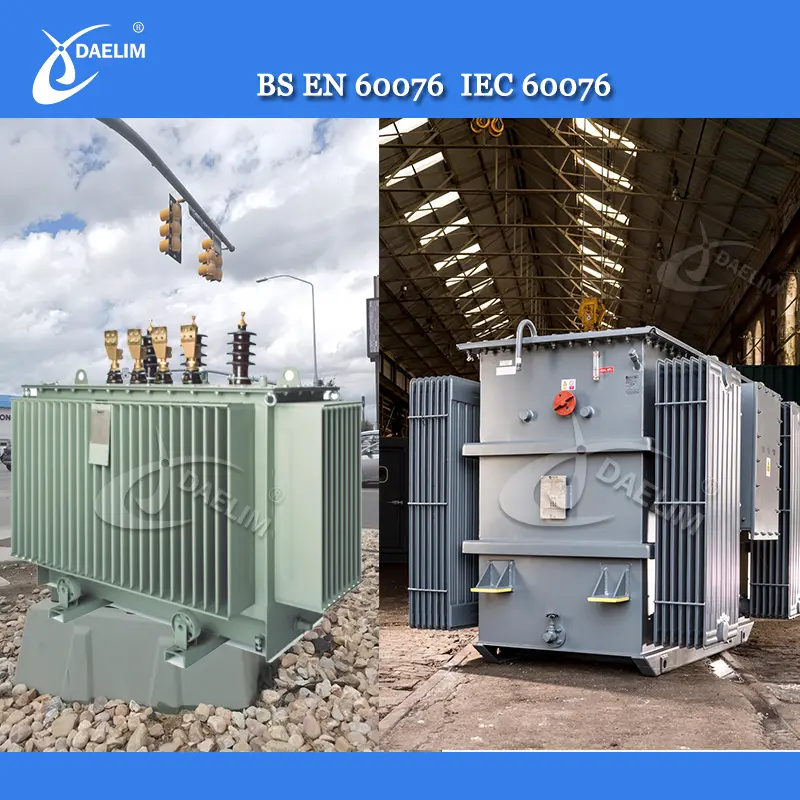
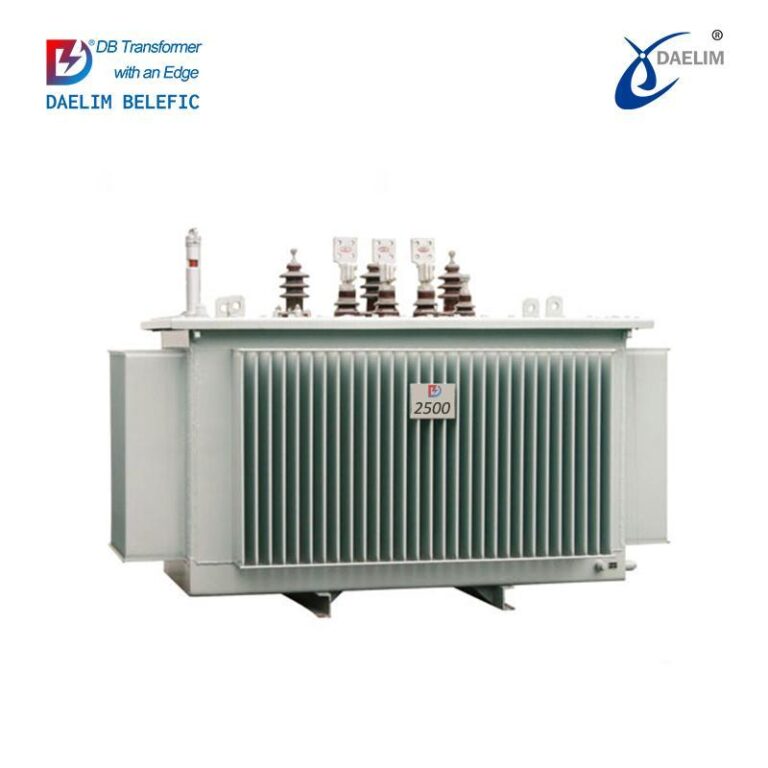
ECO design transformer complies with the latest energy efficiency standards of the European Union, and has silicon steel core and amorphous alloy core transformers. Designed and produced according to IEC and BS standards, it is energy-saving, environmentally friendly and highly efficient.
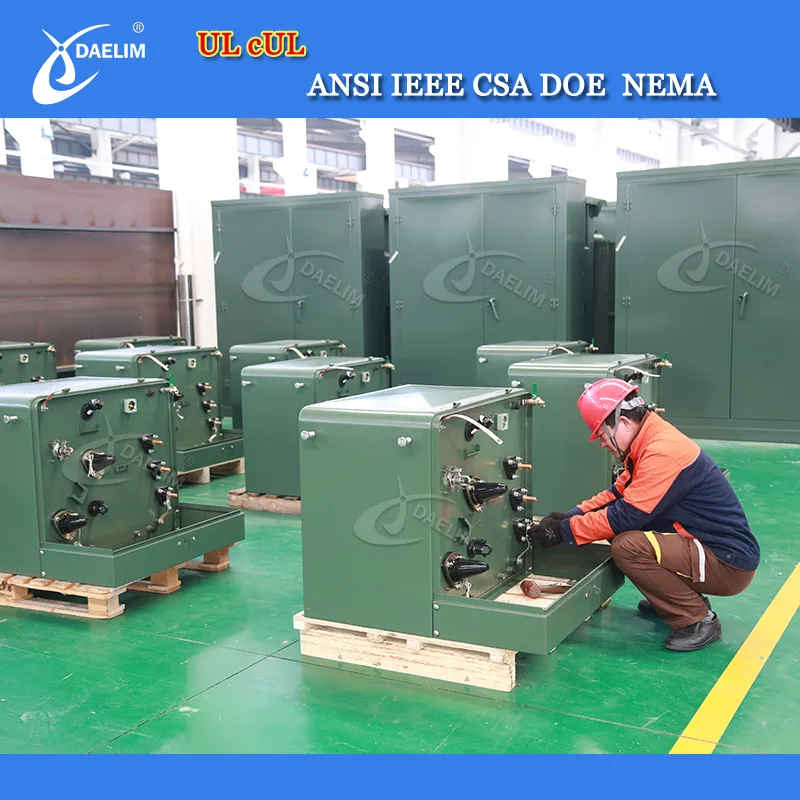
Daelim is a respected manufacturer providing UL/cUL and CSA listed pad mounted transformers. They offer both single-phase and three-phase options, with 3 phase transformers featuring up to 44kV voltage and ranging from 75kVA to 10,000kVA in power. Single phase pad mounted transformer with high voltage up to 34.5 kV and ratings up to 250kVA.
What Is Amorphous Metal Transformer?
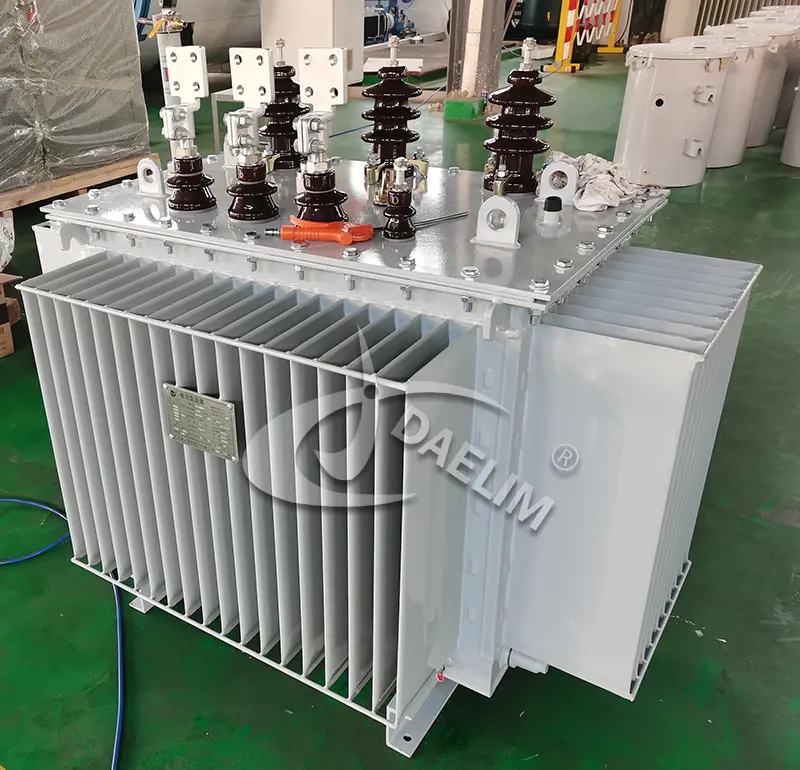 Amorphous metal transformers are electric machines that use a core composed of amorphous metal, which has an internal structure resembling glass rather than crystal. An alloy with no atomic organization is an amorphous metal. The process of creating them involves quickly cooling molten metal to avoid crystallization and leaving a vitrified structure in the shape of thin strips.
This kind of substance is also referred to as “The Metallic Glasses” according to the absence of a systematic structure. This is in contrast to conventional transformers, which have steel cores made of crystalline silicon. These transformers are extremely effective, particularly when it comes to lowering core losses, because of the peculiar qualities of amorphous metals.
Maybe someone asks you what is amorphous core transformer? Basically, there is no difference between amorphous core transformer and AMT. Both terms are the same and can be used.
Which Amorphous Metals Are Used in Transformers?
You may firstly ask what is the method of making amorphous core material or how to make amorphous metal. An alloy of special metals such as iron, nickel, cobalt, and other elements is typically employed as the amorphous metal in the cores. High magnetic characteristics result from the random configuration of atoms, which makes them appealing for transformer cores.
What Are the Different Types of Amorphous Cores?
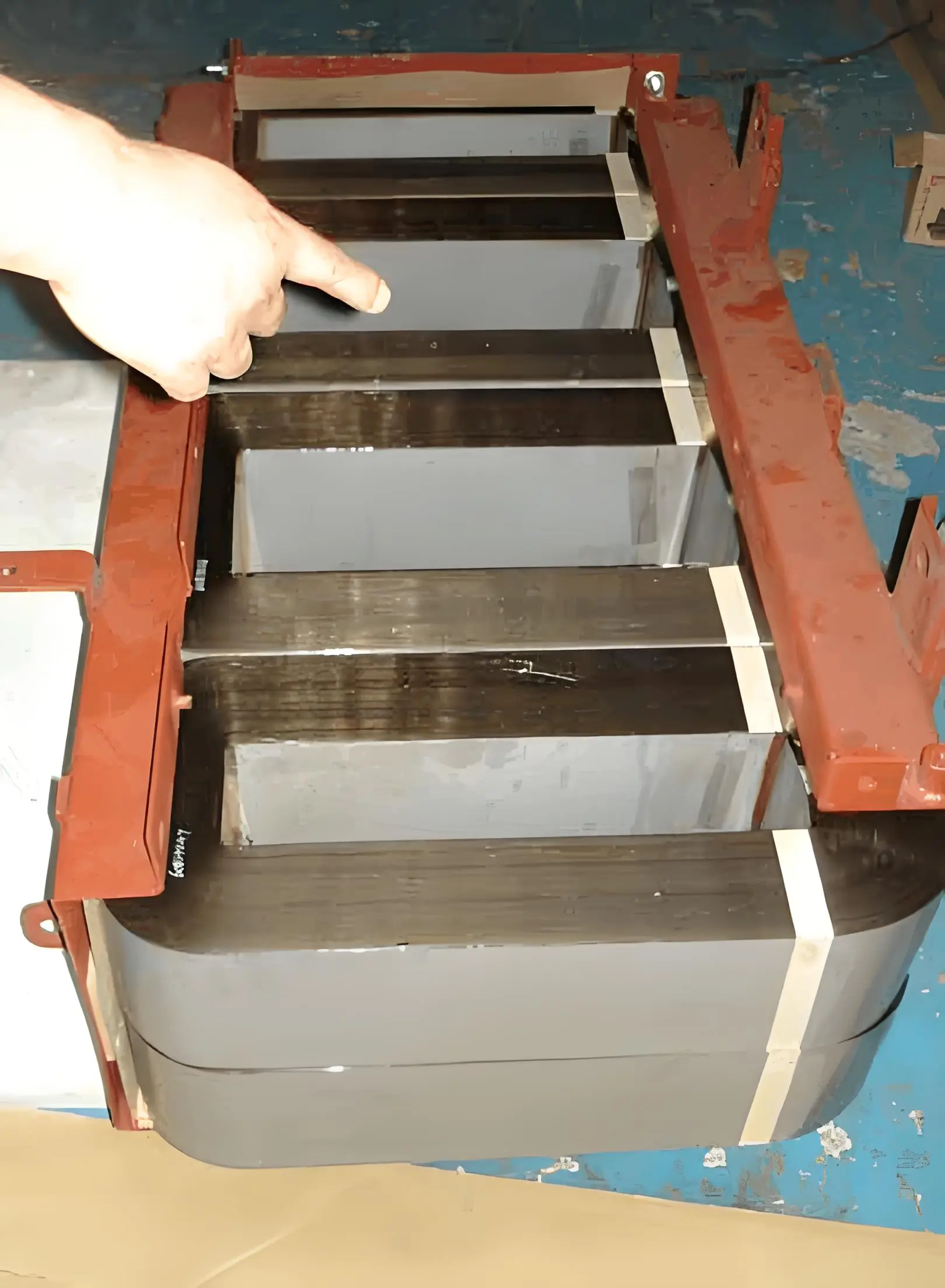 Rectangular Cores: These cores, which are frequently found in small to medium-sized units, are made of amorphous metal ribbons coiled into a rectangular shape. Their tiny form factor, minimal core losses, and effective power transfer make them ideal for use in electronic circuits and power supplies.
- C-Cores: C-core transformers, which are made by trimming an amorphous toroidal strip into a “C” shape, are usually employed in medium-to-large units. The magnetic circuit is made up of two C-shaped parts that are simple to assemble and disassemble. C-cores are an effective option for power distribution units due to their high magnetic permeability and minimal core losses.
- Toroidal Cores: Toroidal cores are very effective in reducing magnetic leakage and maximizing flux distribution because of their closed-loop, donut-like structure. These cores are frequently used in delicate applications where minimal electromagnetic interference (EMI) and noise reduction are crucial, such as audio equipment and medical devices. Their efficiency is increased by the design, which guarantees a low amount of stray magnetic fields.
- Electronic Cores Formed like an “E,” these cores are produced by winding or stacking amorphous metal filaments. They create a balanced magnetic circuit that lowers losses, and they are frequently combined with I-shaped cores to make an EI-core. Because of this, E-cores are a flexible choice that may be used in a variety of applications, such as inductors and power transformers.
- Split Cores: These cores can be easily installed without cutting power to existing conductors since they are designed to open and shut around them. Split cores are effective and offer reduced core losses; they are commonly used in current transformers for energy measurement. They are especially helpful for retrofitting electrical systems without incurring downtime because of their architecture.
- Hybrid Amorphous-Nanocrystalline Cores – These cores are created by heat-treating amorphous metal to partially crystallize them, combining the advantages of nanocrystalline and amorphous substances. These cores are perfect for high-performance applications like modern transformers that operate across a wide frequency range and renewable energy systems because of their hybrid construction, which produces very low losses to the core with exceptional permeability.
Traditional Transformers VS Amorphous Metal Transformers
While you want to find the main differences between these machines, you should look at the amorphous core vs silicon steel in detail. Traditional transformer cores are built of stacks of silicon steel laminations with nearly homogeneous crystalline structures. A steel ribbon is coiled to construct the core with amorphous materials. This is the reason that these machines are also called as amorphous steel transformers.
Lower hysteresis losses in amorphous steel are a major advantage of these machines. In short, this indicates that less energy is lost as heat when the core is magnetized and demagnetized.
Benefits of Amorphous Metal Transformers
Main properties of AMTs are related to their amorphous metal cores. The primary benefits of AMTs over traditional transformers are as follows:
High Efficiency
high efficiency is assumed as one of the main amorphous metal transformer advantages. Compared to a conventional silicon steel core transformer, its amorphous metal core has a lower core loss. The energy released as a result of the core material’s magnetization and demagnetization is known as core loss. The transformer is more efficient the lower the core loss. Conventional transformers often have an efficiency of 94% or less, but amorphous transformers typically have an efficiency of 95% to 98%.
Heat Generation
The fact that amorphous core transformers produce less heat is another advantage. AMTs generate less heat than conventional transformers because of their lower core loss. Because of this, they may function at a lower temperature, extending the lifespan and lowering maintenance expenses.
Size and Weight
In comparison to conventional transformers with a comparable power rating, amorphous core transformers are likewise lighter and smaller. They are easier to carry and install because of their reduced bulk and weight. AMTs also last longer than conventional transformers. They have a lower chance of overheating and a lower failure rate due to their decreased heat generation and lower core losses.
Air Pollution
Amorphous metal transformers contribute to the reduction of the release of greenhouse gasses and carbon footprint due to their longevity and efficiency. Compared to conventional transformers, they require less energy, which results in a decrease in the usage of fossil fuels and greenhouse gas emissions. This is crucial since efforts are made worldwide to promote renewable energy sources and lessen carbon footprints in the fight against climate change.
Disadvantages of Amorphous Metal Transformers
Amorphous metal transformer disadvantages are assumed as the main challenges of using them. The basic disadvantages of these types of electric machines are as follows:
Reduction In Effectiveness with Time
The brittleness of amorphous metal makes it incapable of withstanding constant mechanical stress. Step loads, short circuits, and vibrations will all permanently deteriorate this type of metal and its efficiency. Over time, this results in an increased no-load loss.
Noise-Related Pollution
An amorphous transformer’s core can’t be compressed during production. The spaces between the sheet’s layers are wider. These gaps, which are far greater than those seen in ordinary transformers, contribute to the noise released by magnetostriction.
Unable to Recover
The core cannot be fixed once the tiny amorphous pieces break off, and the performance will continue to be reduced. Defect diagnosis and identification are made more difficult by the dispersed fragments.
Elevated Failure Rates
Because this metal is brittle, tiny pieces break off both during manufacturing and over time. This may result in partial discharge, which raises the failure rate and causes the oil to deteriorate.
What Are the Main Applications of AMT?
AMTs preserve excellent efficiency even under low load, in contrast to conventional transformers, which sometimes suffer greater energy losses. So, AMT applications are more diverse than you think. This is important in situations where the demand for electricity varies or where systems are running at partial loads over extended periods, including in business buildings, residential areas, and renewable energy systems (like solar and wind). In areas where energy demand is irregular, maintaining efficiency under these changing load conditions contributes to preventing energy waste and improving the dependability and cost-effectiveness of the power distribution system.
Amorphous Metal Transformer: Expensive or Valuable
When you want to ask about amorphous transformer price, you should consider various matters including lifespan and initial cost.
The lifespan of a transformer is at least 20 years. Therefore, basing a purchase on a unit’s original purchase price or bid price is not financially sound. While the transformer’s initial cost is significant, it’s also critical to calculate how much it will cost to run and maintain during its useful life. The simplest way to approach this is to base your decision to buy a transformer on its Total Cost of Ownership (TCO), which determines the transformer’s true economic cost over the course of its lifetime.
Particularly in power grids that run constantly, AMTs can reduce core losses by up to 70–80%, which results in significant energy savings. This is especially helpful for electrical distribution systems that operate around the clock, as even tiny losses can add up to significant savings over time.
Conclusion
If you have any questions about amorphous metal transformers, please feel free to contact Daelim Transformer. If you are ordering transformers and would like them installed (whether conventional or amorphous core types), fill out the form on the right.
 English
 Polish
 German