
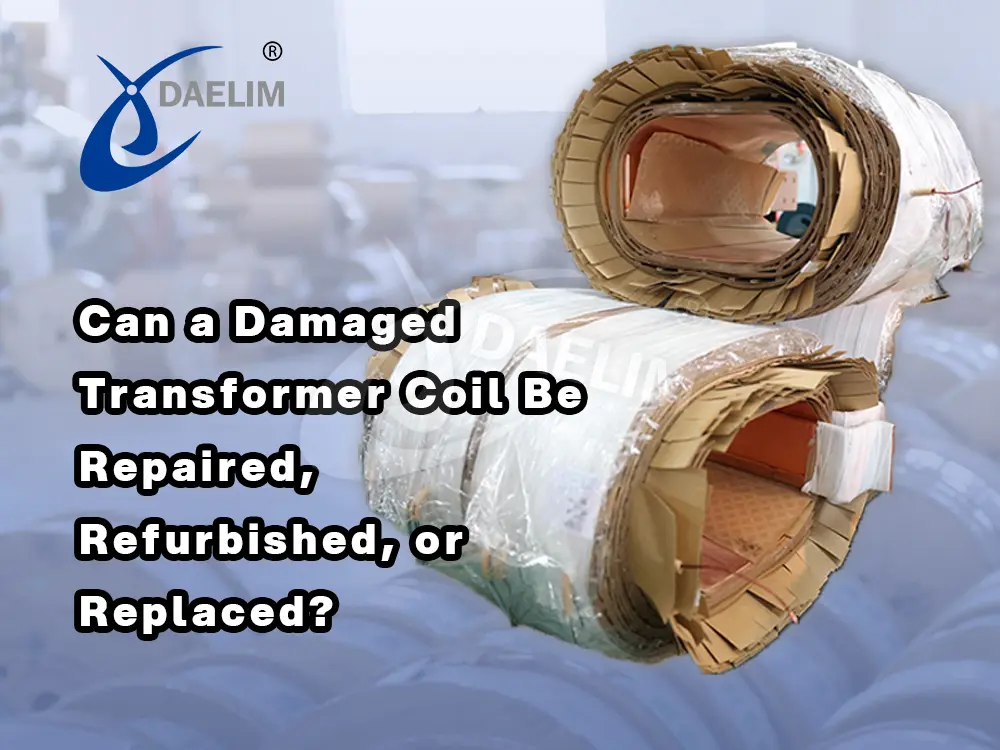
Transformers are very useful in maintaining the flow of your electricity. They help facilitate adjustments in voltage levels, making the power very smooth to flow to homes and other establishments.
In this guide, we will discuss if you can repair, refurbish, or replace a damaged transformer. We break down your options and signs to look out for: transformer failure symptoms.
Can a Damaged Transformer Coil Be Repaired?
Transformer coils are part of the electrical systems. If they get damaged, you may ask yourself if they can be fixed.
In most cases, you can either repair or replace transformer coils in case of damage. Depending on the nature of damage and the method adopted, the transformer may go back to its full functionality or not.
Types of Damage Suitable for Repair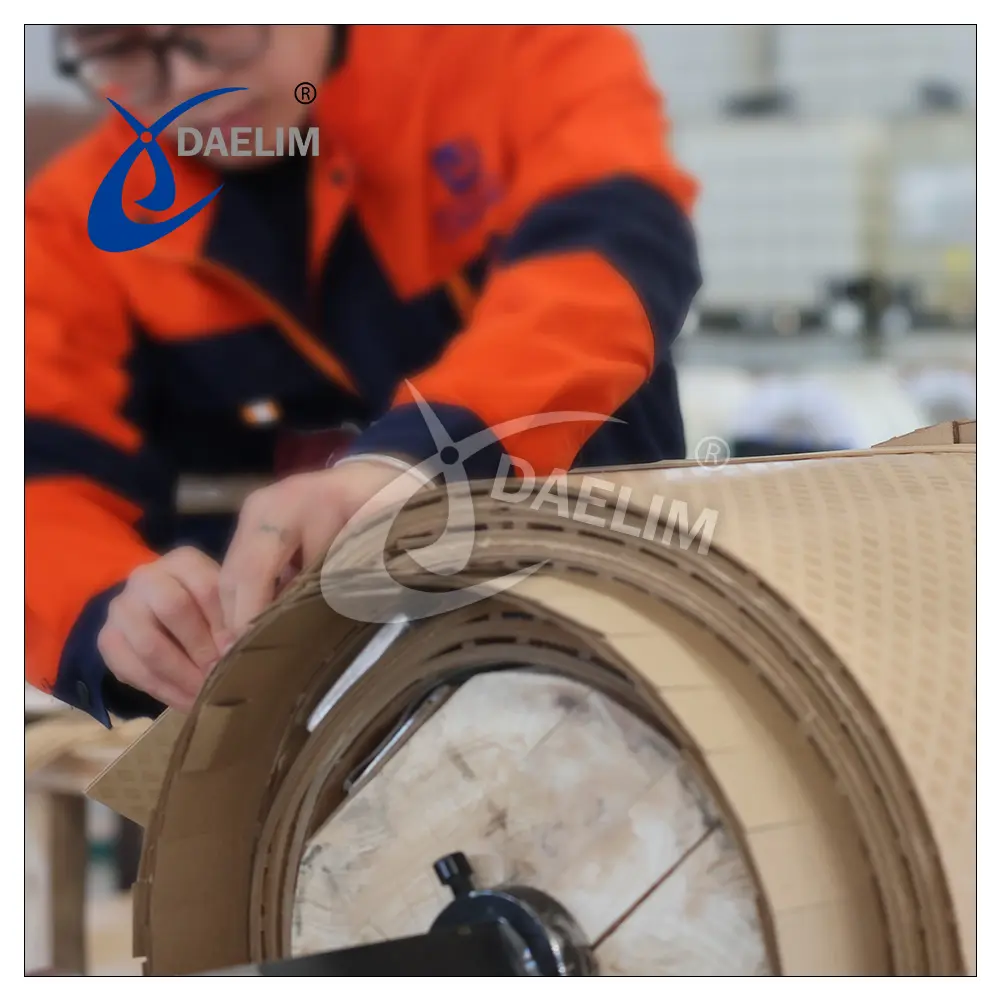
Not all coil damage on transformers is terminal, and some can be repaired if the right tools and knowledge are available. Some of the more common causes that are typically repairable include:
- Minor Insulation Damage – Sometimes, the insulation surrounding the coil will crack or become worn away. If found early, the insulation can, in most cases, be easily replaced or repaired with no harm done to the coil.
- Loose or Broken Connections – If electrical connections become loose or broken, most can easily be reattached or replaced to have the transformer functioning properly once again.
- Overheating – If a coil overheats but hasn’t melted or burned through, then in many cases, it can be rewound or cleaned to restore function.
- Dirt and Moisture – Dirt buildup or moisture absorption in transformers may be cleaned and dried to stop further deterioration.
- Small Short Circuits – Some small short circuits within the transformer are occasionally repairable by replacing that portion of the coil where the fault exists.
However, if the damage is small and discovered promptly, repair of the coil is a good option for extending the life of the transformer.
You may enjoy:How to Spot and Repair Transformer Oil Leaks / How to test a power transformer?
Repair Methods
The steps taken to repair a transformer coil are very critical in ensuring that the repair is effective and safe. Here are common methods that professionals use in the repair of a transformer coil:
- Coil Rewinding: The damaged wire of the coil is extracted and replaced with a new one. There is a winding machine which makes sure that the new wire wound is both equally tight.
- Insulation Replacement – In case the insulation is damaged, technicians will remove the worn-out sections and apply fresh insulation around the coil for its protection.
- Cleaning and Drying – Dirty or moist-absorbing transformers are cleaned using special solvents and dried by means of heat or vacuum.
- Reattaching Connections – The disconnected parts are then carefully soldered or bolted back together, ensuring that electricity is made to flow in the right direction.
- Testing and Calibration: The transformer is tested after repair using special equipment to ensure that it is safe for operation and functioning properly.
Limitations of Repair
While repairing a transformer coil can save time and money, it is not always the best solution. Some damage may be of such an extent that rectification is impossible; total replacement may then be required.
Consider the following limitations:
- Severe Overheating: It will burn or melt if the coil goes higher than 300°C or 572°F. This causes the insulation to get affected as well and perhaps permanently damage the core.
- Short Circuits: A heavy short circuit can cause the current to surge to 10 times the rated capacity and can cause catastrophic internal damage. This frequently results in the fusing of copper or aluminum windings, which necessitates complete replacement. About 85% of the time, when a severe short circuit occurs, replacement is the safest and most economical way to go.
- Aging Transformers – Older transformers have parts that may be difficult to find. Even if it is possible to repair the transformer, the overall life span may be short, with more problems arising later on.
- Cost vs. Replacement – Repairs to a badly damaged transformer can be nearly as expensive as purchasing a new one. In such instances, transformer replacement usually makes more sense.
Repairing transformer coils can be a great way to extend the life of your equipment, but knowing what kind of damage is repairable and when to replace the transformer entirely will be of great help. Its routine maintenance and testing would enable you to recognize problems early, thus having repairs be made easier and avoiding major failure.
Learn more:How Long Does It Take To Repair A Transformer?
Can a Damaged Transformer Coil Be Refurbished?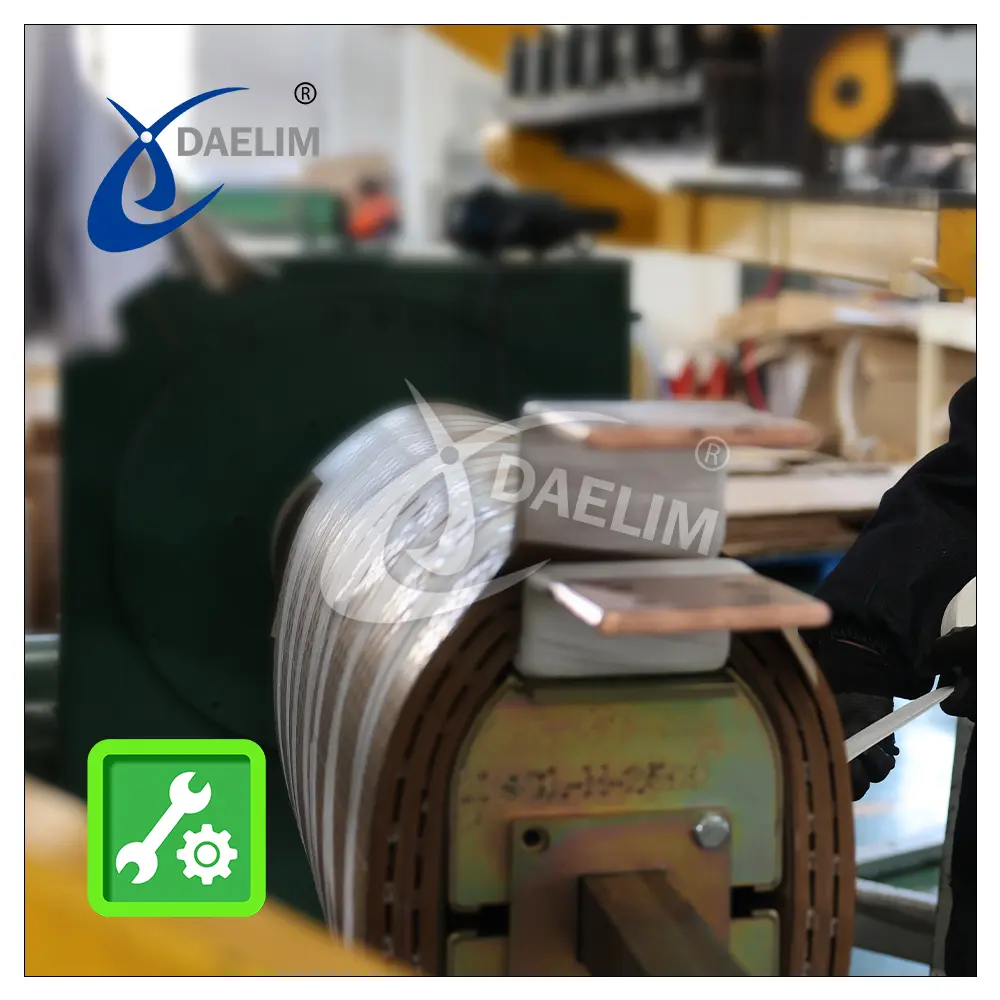
Replacement of the damaged transformer coil is also possible, and at times, it is also the only option. The replacement is done in such a situation when the damage cannot be repaired; the transformer coil is replaced, ensuring the transformer works under perfect conditions. It would enhance the life as well as the performance of the transformer. However, refurbishment may not be feasible if the damage is severe.
This will not only increase the life of the transformer but also its performance. However, refurbishment may not always be possible if the damage is severe.
Refurbishment vs. Repair
- Repair fixes small problems, usually loose connections or degraded insulation. Generally, it is faster and less expensive, although it sometimes cannot fully restore function to the transformer.
- Refurbishment is generally more intensive. It will generally include the replacement of old parts, the rewinding of coils, and updating of insulation. It makes the transformer more reliable and, in many instances, better performing.
Learn more:Everything you need to know about Refurbished Transformer
Steps Involved in Refurbishment
The refurbishing of a transformer coil is a meticulous process. Here is an extremely simplified version of what that looks like:
- Inspection and Testing – The transformer shall first undergo inspection before the test on the parts of concern that need to be replaced or repaired.
- Disassembly – The unit is first dismantled to remove the defective coils.
- Coils Rewinding – Old and damaged wires of the coil are removed and new wires are wound over the core. This step is considered very important in restoring power.
- Replacing Insulation – The worn-out insulation is replaced with fresh materials to prevent electrical shorts and overheating.
- Cleaning and Drying – The dirt and moisture are removed to ensure that the transformer is in optimal condition.
- Reassembling and Testing: After refurbishment, the transformer is reassembled. Following this, it goes under testing to ensure the rebuilt transformer performs as well as new.
You may enjoy:The Ultimate Guide To Core Type Transformer
Advantages of Refurbishment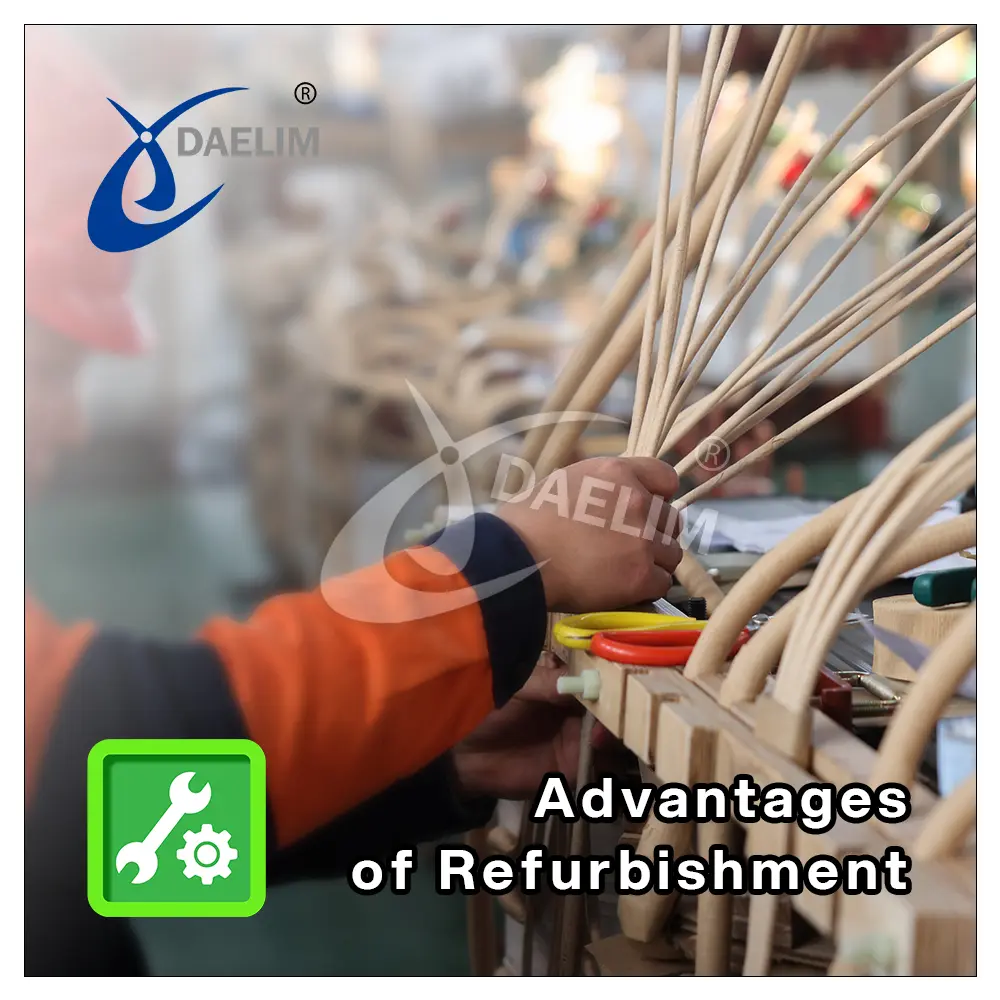
The advantages of refurbishing a transformer coil are:
- Cost-Effective – It is cheaper than buying a brand-new transformer, mainly for large or custom-built units.
- Extends Transformer Life – Upgraded parts and coils extend the life of the transformer for a lot more years.
- Improved Performance – Refurbishment can make the transformer run more efficiently, and this way energy loss is diminished.
- Eco-Friendly – Refurbishing recycles parts as it reduces waste and reliance in the manufacture of new pieces.
Can a Damaged Transformer Coil Be Replaced?
Yes, a transformer coil can be replaced if it is damaged, and sometimes this is the best alternative. If that cannot be repaired, coil replacement guarantees safety and correct operation of the transformer.
When is Replacement Necessary?
You may have to change the coil if:
- The coil is burnt or melted.
- There is significant insulation damage.
- Repairs have already been done, yet the transformer still doesn’t work well.
- There are frequent power failures or overheating issues.
If the damage is too big, attempting to fix the coil can create more problems. Replacement of the coil avoids future breakdowns.
Learn more: Guide to Transformer Maintenance
Factors to Consider When Deciding Between Repair, Refurbishment, or Replacement
When your transformer is not operating as it is supposed to, you will have a few options to consider: repair, refurbishment, or replacement. The nature of the damage and age of the transformer will decide the choice. Picking the right option helps in running your power system both safely and efficiently.
- Repair – This is the simplest and most affordable option. Repair is perfect for minor issues such as loose connections or small overheating.
- Refurbishment – This means doing more work than a simple repair. It may involve rewinding the coil or replacing insulation. It costs less than getting a brand-new transformer but can make the transformer work almost like new.
- Replacement – Sometimes the damage gets too big to fix. In such instances, the best option would be the replacement of the transformer. This happens when parts get burned or melting or when the transformer is quite old.
Key Differences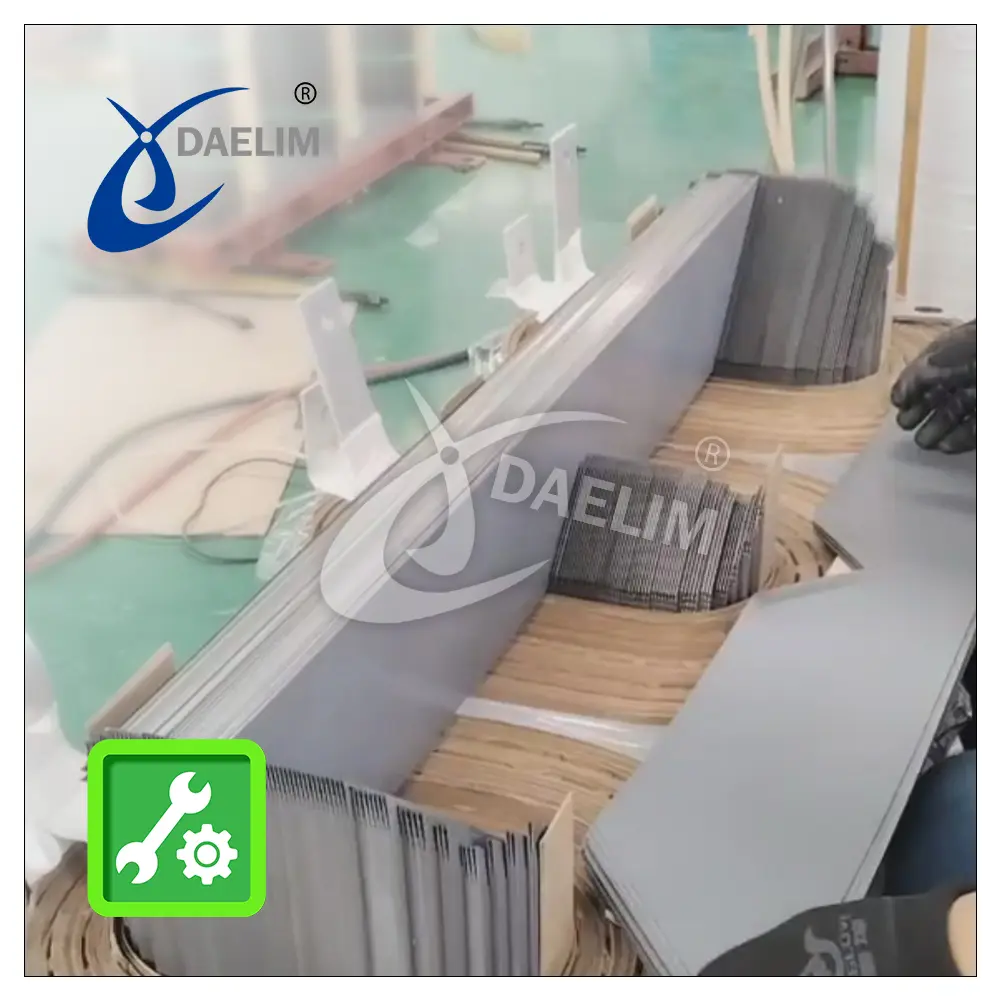
Repair – This is the simplest and most affordable option. Repair is ideal for minor problems like loose connections or small overheating.
- Refurbishment – This implies doing more work than just a simple repair. It may be required to rewind the coil or replace the insulation. This costs less than buying a brand-new transformer but can make the transformer work almost like new.
- Replacement – Sometimes the damage gets too big to fix. In such instances, the best option would be the replacement of the transformer. This occurs when parts are burned, melted, or when the transformer is aging.
Factors to Consider
- Age of the Transformer – If the transformer is old, then replacement may be a better option. Older transformers are liable to break down again, even after repairs.
- Extent of Damage – Small damage can normally be repaired, but if the coils are totally burned or if there are many broken parts, refurbishment or replacement is needed.
- Availability of Parts – At times, parts for aged transformers are difficult to acquire. If parts are not available, it may save you time and money to buy a new transformer.
Companies like Daelim offer transformer solutions that include services and equipment for every transformer need, from repairs to full replacements. Consulting with experts can help you make the right decision.
Conclusion
Transformer coils being taken care of ensure reliability in power systems. A small defect can be normally repaired, and in serious damage, refurbishment or even replacement may be required.
In determining the best option, the age, condition, and importance of the transformer are to be considered. We hope that you find this guide helpful. Whenever you need transformer solutions, Daelim is your go-to shop. Whether it’s transformer repair or replacement, we are here to provide the solutions you need. Contact us today to get started!


 English
 Polish
 German