
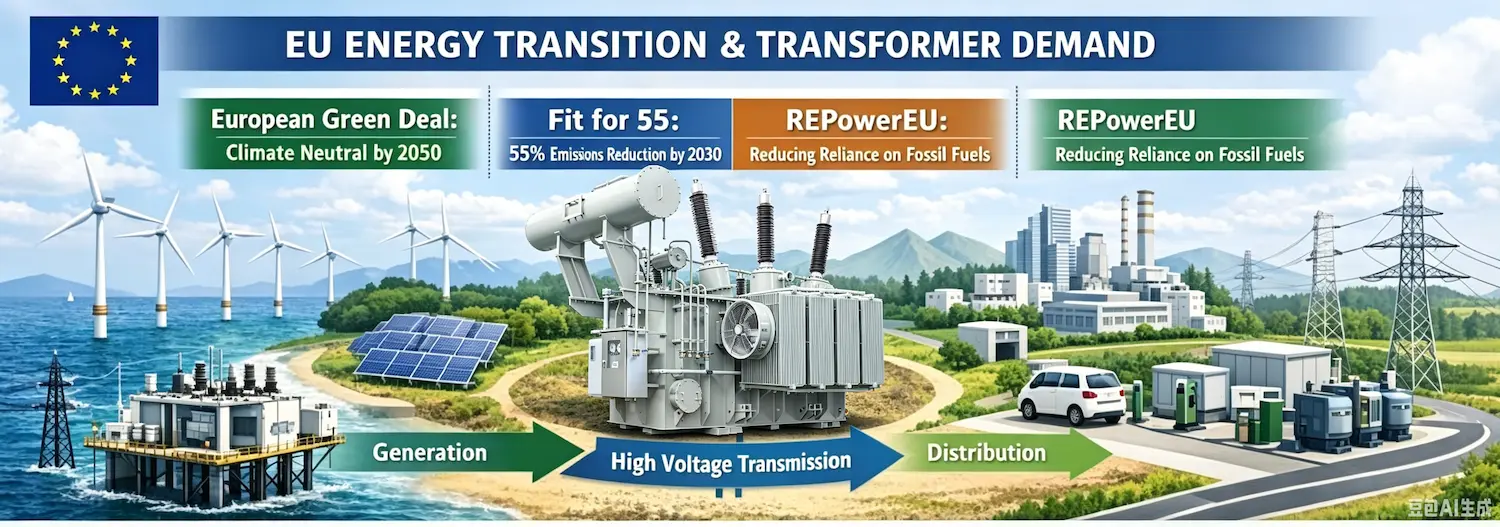
The European Union is providing a high-level energy transition to the electrical power system and the world. Europe is making advancements in its complete energy system through employing renewable sources, targeting climate, and larger-scale electrification plans.
A transformer is a main component for energy transition since it provides voltage transformation between the generation, transmission, and distribution levels with accurate power flow at different systems.
EU Green Policies Introduction
The European Union has given different policies for decarbonization, making modern power systems and enhancing energy quality. These policies make a proper path for affecting the electricity infrastructure, as well as the demand for transformers.
European Green Deal
It was used in 2019; that is, the EU has long-term plans for making Europe the first climate-neutral continent by 2050. Its main goals are:
- Shifting to clean energy resources
- Economic growth is decoupled from resource use
- Zero greenhouse gas emissions until 2050
- Growing sustainable industry and circular economy practices
The Green Deal applies to different sectors, like
- AI & data center
- Energy generation
- Industrial manufacturing
- Transportation
- Construction and buildings
- Agriculture
Fit for 55
- “Fit for 55” is a legislative package used to make sure that the EU minimizes greenhouse gas emissions by about 55 percent by 2030 compared to 1990 levels.
- It will make changes to different frameworks like the Renewable Energy Targets, the EU Emissions Trading System (ETS), the Energy Taxation Rules, and Carbon Border Adjustment Mechanisms.
- It will affect the energy system through the high-speed phase-out of fossil fuels, high renewable penetration, high energy demand, and the electrification of heating and transport.
Renewable Energy Directive (RED III)
RED III enhances EU binding renewable energy targets for 2030 and makes a simple permitting process for renewable projects. It affects the fast deployment of solar PV systems, the collaboration of renewable energy in heating and transportation, and the growth of onshore and offshore wind.
Through offering renewable installations, RED III offers the use of grid connection transformers, substations, upgrades, and step-up transformers at generation sites.
REPowerEU
REPowerEU was first introduced in 2022 as a result of geopolitical tensions and energy security difficulties. Its main objective is to minimize the EU using external fossil fuels like natural gas.
The main objective was to enhance renewable deployment, save more energy, expand electricity grids, and diversify energy supply.
Role of Transformers in the Energy Transition
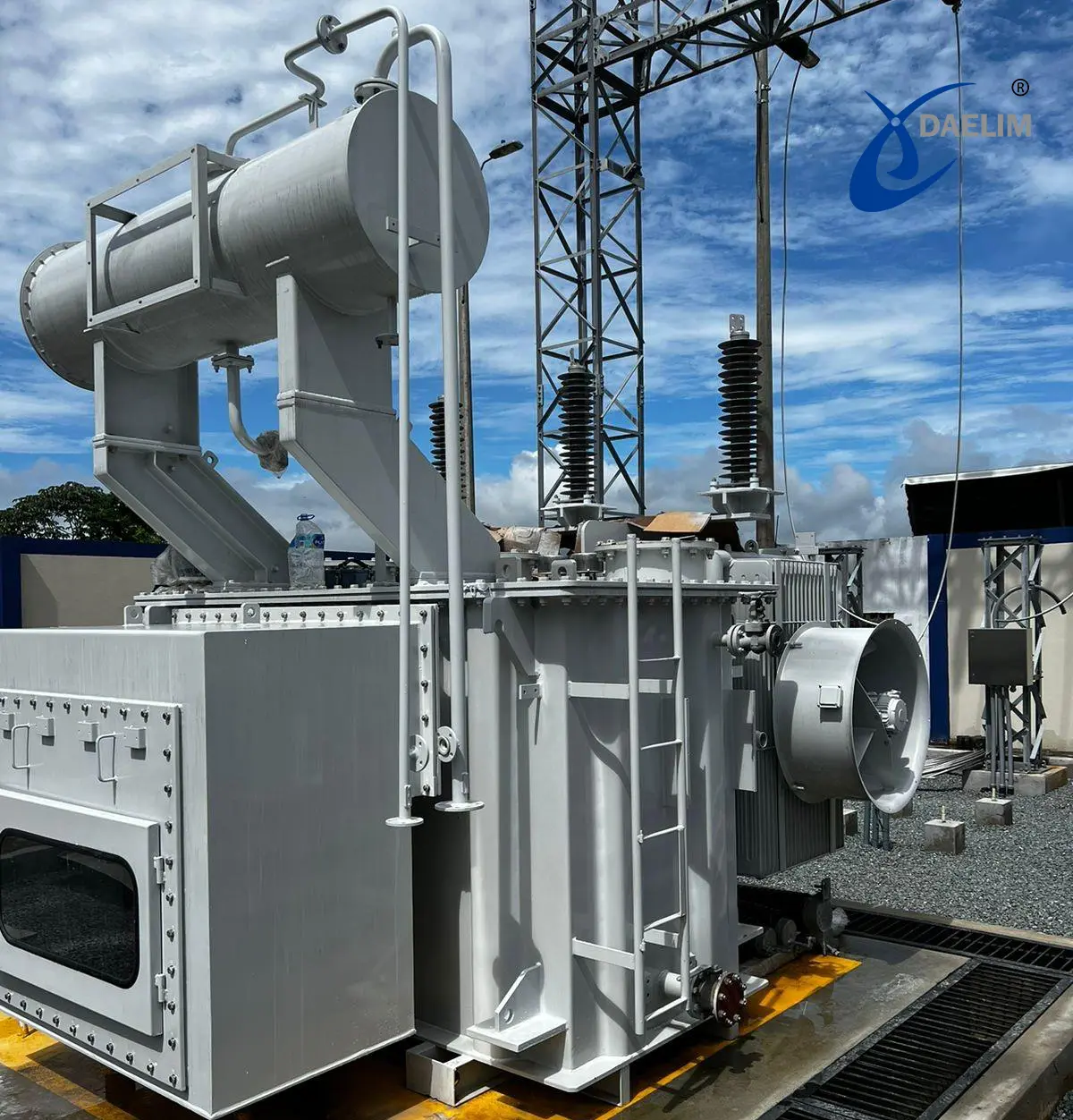
For modern power systems, the transformer is the main component; the transformer’s importance is becoming high for Europe and other countries shifting towards renewable energy and electrification.
Here detailed explanation of the importance of trasnformer for energy transition
Voltage Conversion for the Power System
Electrical power is generated, transmitted, and distributed to the load at different voltage levels. Such as for generation-level power plants, produces a mid-voltage level of about 11–33 kV.
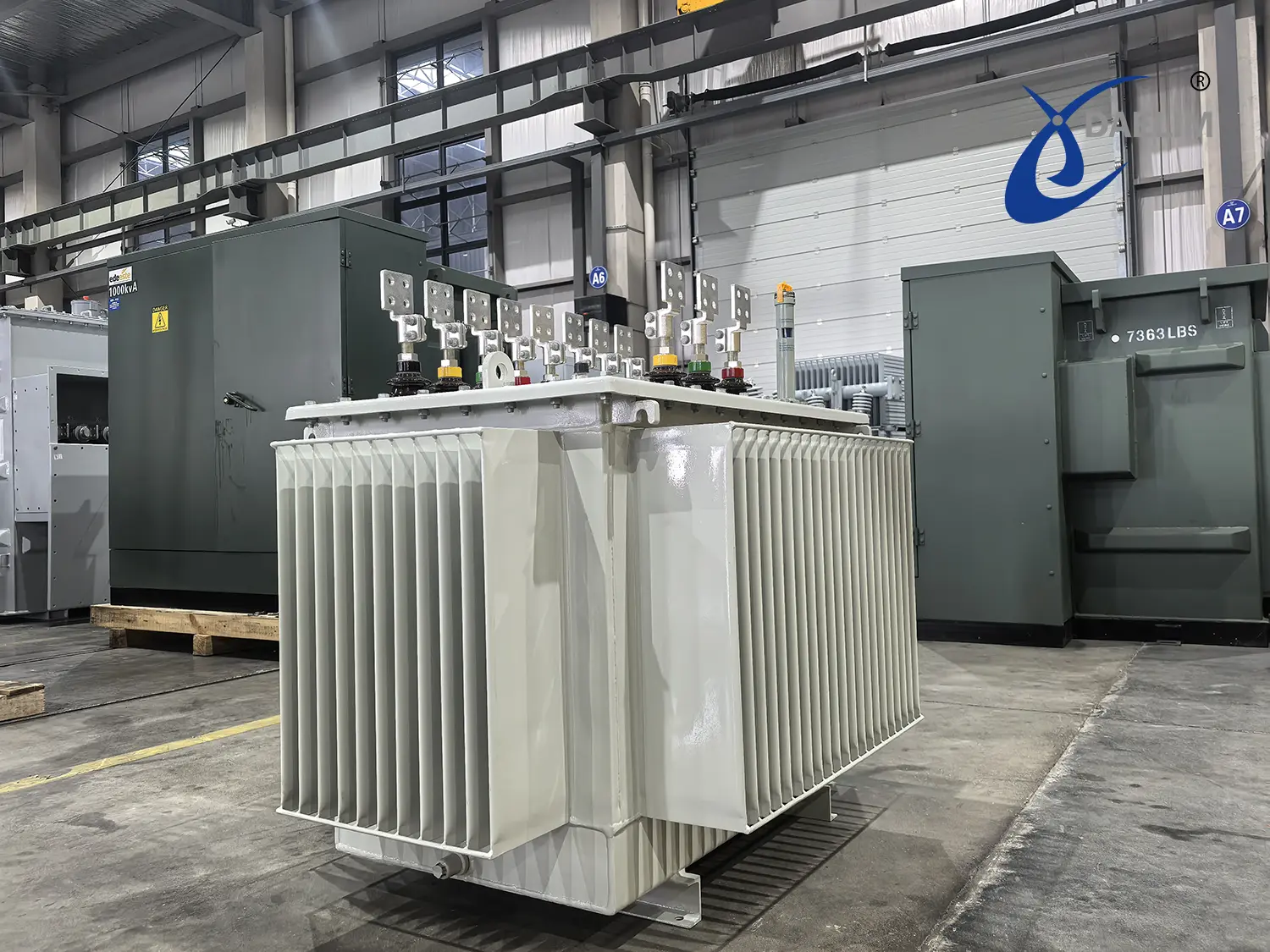
Then transmitted with a high voltage level of 110 kV to 400 kV for longer distances. At the distribution point, the voltage level reduces to a low level of 400 or 230 V that is used for industries and residential users.
All these voltage conversions occur through transformers. Like at the generation point, step-up transformer voltage increases, and the substation voltage level reduces that used for users.
Renewable Energy Integration with the Grid
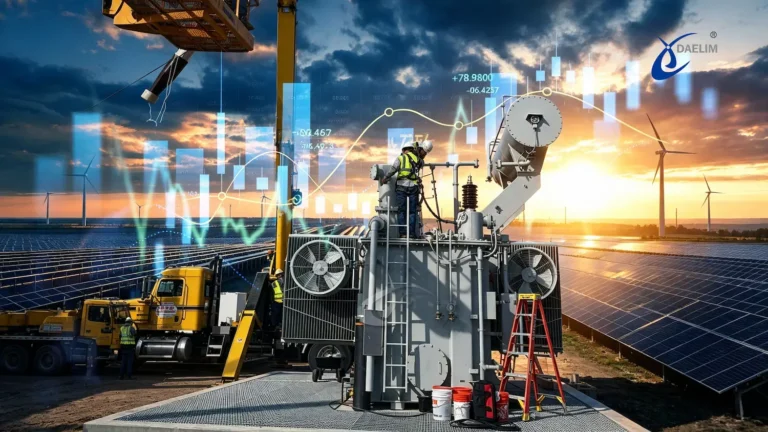
Energy is produced through different renewable energy sources like onshore wind, solar PV, and offshore. Each renewable plant comes with a certain transformer connected with the grid.
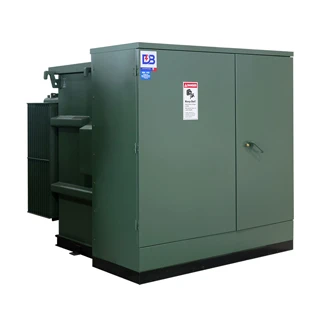
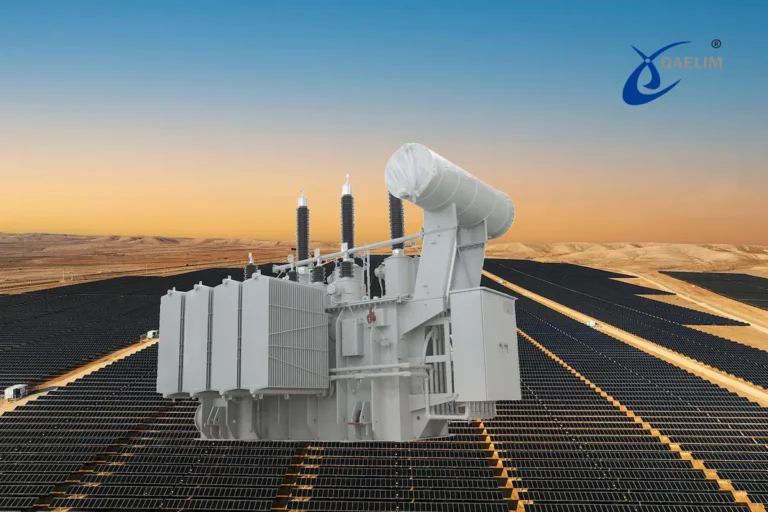
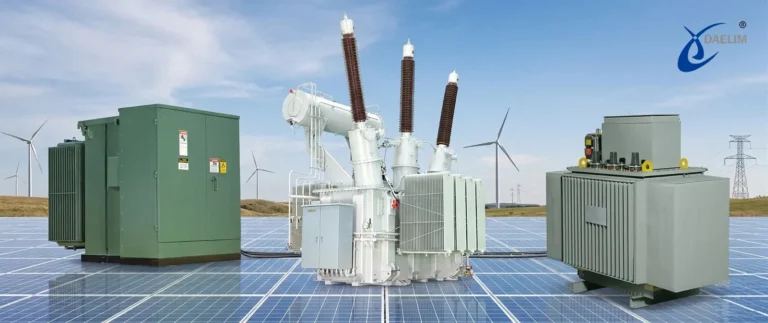
Such as solar farms, employ inverter transformers for fulfilling inverter output voltage to grid voltage. Wind turbines employ pad-mounted transformers for step-up voltage before delivery to the system.
Offshore wind farms use high-capacity transformers at offshore substations.
Efficient Long-Distance Transmission
The main function of a transformer in a transmission system is to reduce transmission losses. Power losses for transmission lines has direct relation with the square of the current (I²R losses).
Voltage increases reduce current at the same power level, which reduces energy losses for longer distances.
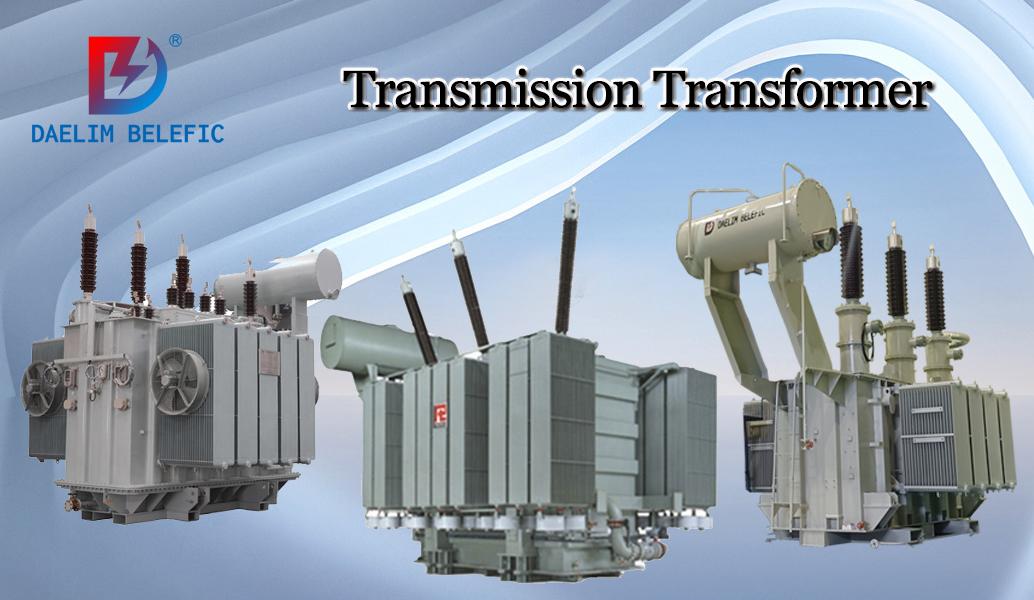
For energy transition applications renewables energy sources exist in distant areas, so HV transmission system used to transport power effectively.
Step up transformer, make these high voltage transmissions to make the renewable energy system viable
Grid Stability and Voltage Regulation
Renewable energy sources are variable features. Solar output generated varies with sunlight; wind production also varies with wind speed. These variations cause unstable voltage and grid balance.
Transformers maintain voltage stability for the grid through regulating the voltage level with on-load tap changers. that manage reactive power flow and contribute to frequency control through stable voltage supply.
Advanced transformers, like digital transformers, ensure real-time monitoring and automated voltage variations. That’s helpful for quality power and managing different faults like overvoltage, voltage dips, and harmonic distortions.
Renewable Energy Expansion and Transformer Demand
Renewables Rapid Growth
According to EU climate policies, member countries are employing onshore wind farms, utility-scale solar PV systems, and large offshore wind projects
Offshore wind in the North Sea is the main source of renewable capacity. These projects produce high power in megawatts and gigawatts of electricity.
In these facilities, different transformers are used, such as turbine-level transformers (in wind farms), collection transformers, substation transformers, and grid connection transformers.
Offshore wind projects are transformer-based since they need high-capacity offshore substation transformers, onshore grid connection substations, and export transformers for subsea transmission cables.
Step-Up and Step-Down Transformers
Step-Up Transformers
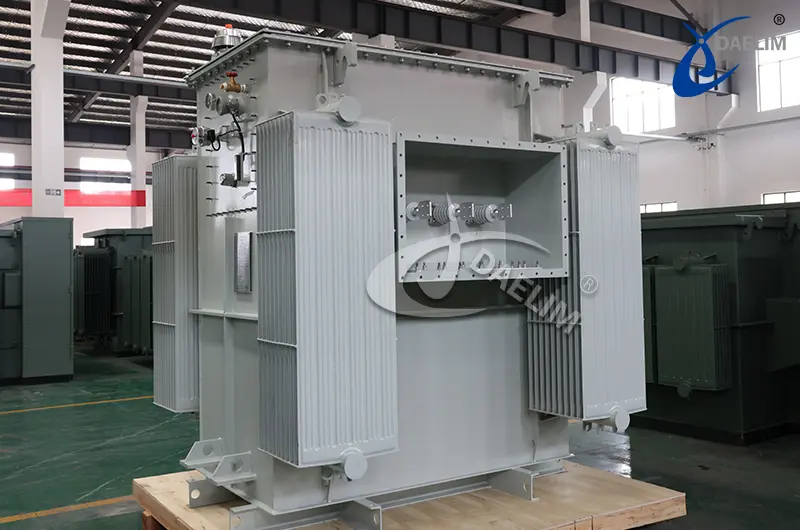
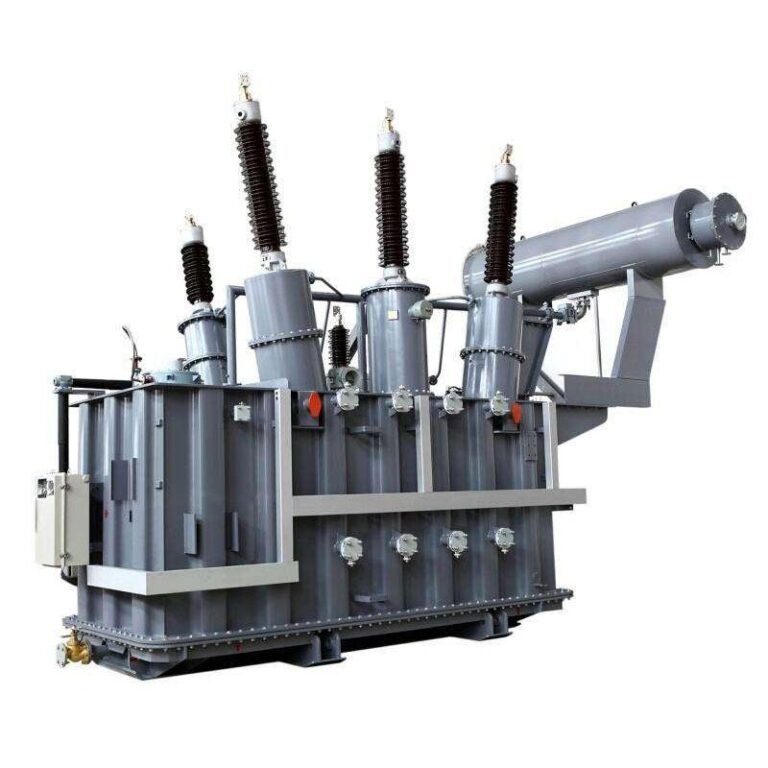
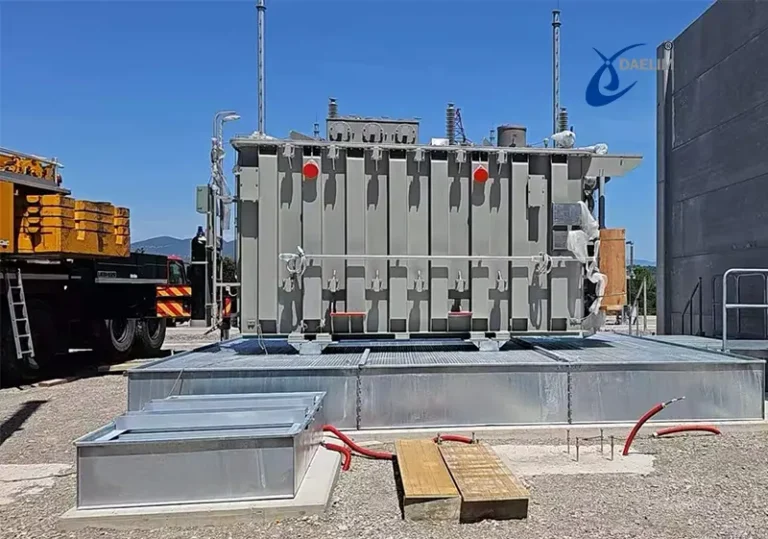
At the generation location, a step-up transformer increases the voltage from 20 to 33 kV of the renewable plant to a high-voltage transmission level that is generally 110 kV, 220 kV, or 400 kV.
That helps power to be delivered at longer distances efficiently through low losses. Large wind and solar farms needed different step-up transformers according to net capacity.
Step-Down Transformers
As generated power reached at load end, step down trasnformer reduces the voltage tolow level for distribution. distributiion trasnformer dleiver power to commercial and industrial consumers.
Increasing Size and Complexity of Renewable Projects
Currently, renewable plants are larger in size compared to older ones. Offshore wind farms cross 1 GW capacity, and utility-scale solar plants are at hundreds of hectares.
Larger plants needed a high-capacity power transformer, a high-level protection system, a reliable transformer configuration, and a proper cooling system.
Learn more about the differences and applications in our guide on Step Up Transformer VS Step Down Transformer
Grid Interconnection Difficulties
Renewable energy sources exist at a distance level from the user’s point. Offshore wind farms are constructed at offshore areas.
Solar farms exist in rural southern locations, and onshore wind farms are in populated areas.
such as offshore wind in the North Sea, deliver energy inland towards industrial zones.
Solar farms for Southern Europe are connected with national transmission grids, providing power at urban centers.
So it required cross-border interconnections, high-voltage substations, and special grid transformers.
Operational difficulties
Some operational challenges are fluctuating power levels, harmonic distortion for inverters, and voltage instability; all these are managed through the use of transformers. since advanced transformer technologies come with on-load tap changers, high-efficiency low-loss cores, and digital monitoring systems
Grid Modernization and Smart Grids
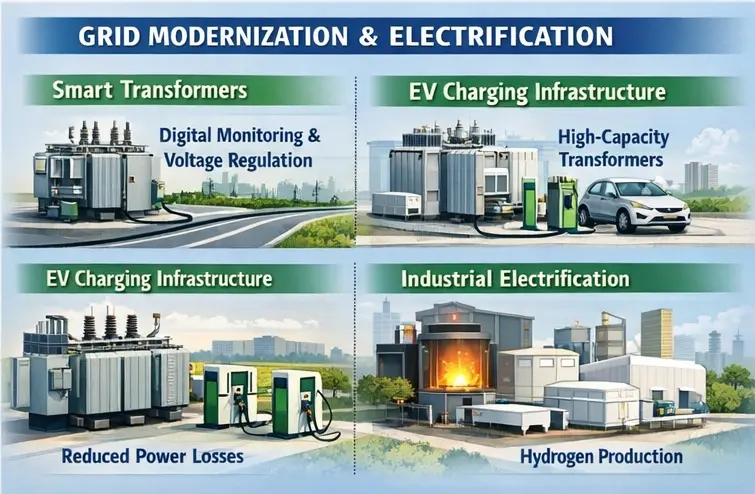
Aging Transformer Replacements
Most of the transformers installed in Europe are 30 to 50 years old but are still in operation; that causes high power losses, fewer digital monitoring features, a high chance of damage due to aging insulation, and support for variable renewable inputs.
Green policies help to replace ineffective transformers with advanced, low-loss transformers that come with the latest design and follow high-efficiency standards.
By removing aging transformers, we can get lower no-load or load losses, lower operational costs, high reliability, and a reduced carbon footprint.
Digital Substations
conventional substation operations based on analog and manual inspection. But advanced digital digitalsubstations comes with digital relays and protection systems, intelligent electronic devices, and remote monitoring systems.
Transformers of digital substations come with sensors that perform measurements of load levels, oil conditions, partial discharge, voltage, current, and load level.
Smart Transformer installations
A smart transformer comes with an embedded monitoring control system and communications system that offers real-time operational data, automated voltage regulation, and integration with SCADA and smart grid platforms.
A smart transformer comes with features to respond to variations of grid conditions, which is important for renewable energy systems.
Intermittent Renewable Energy Management
Power output of renewable energy sources like wind and solar varies based on weather conditions and produces fluctuating voltages and an imbalanced load.
These variations are managed through a smart transformer by adjusting the voltage through on-load tap changers automatically. manage reactive power flow, be compatible with a distributed generation system, and avoid voltage instability for low-voltage systems
Predictive Maintenance
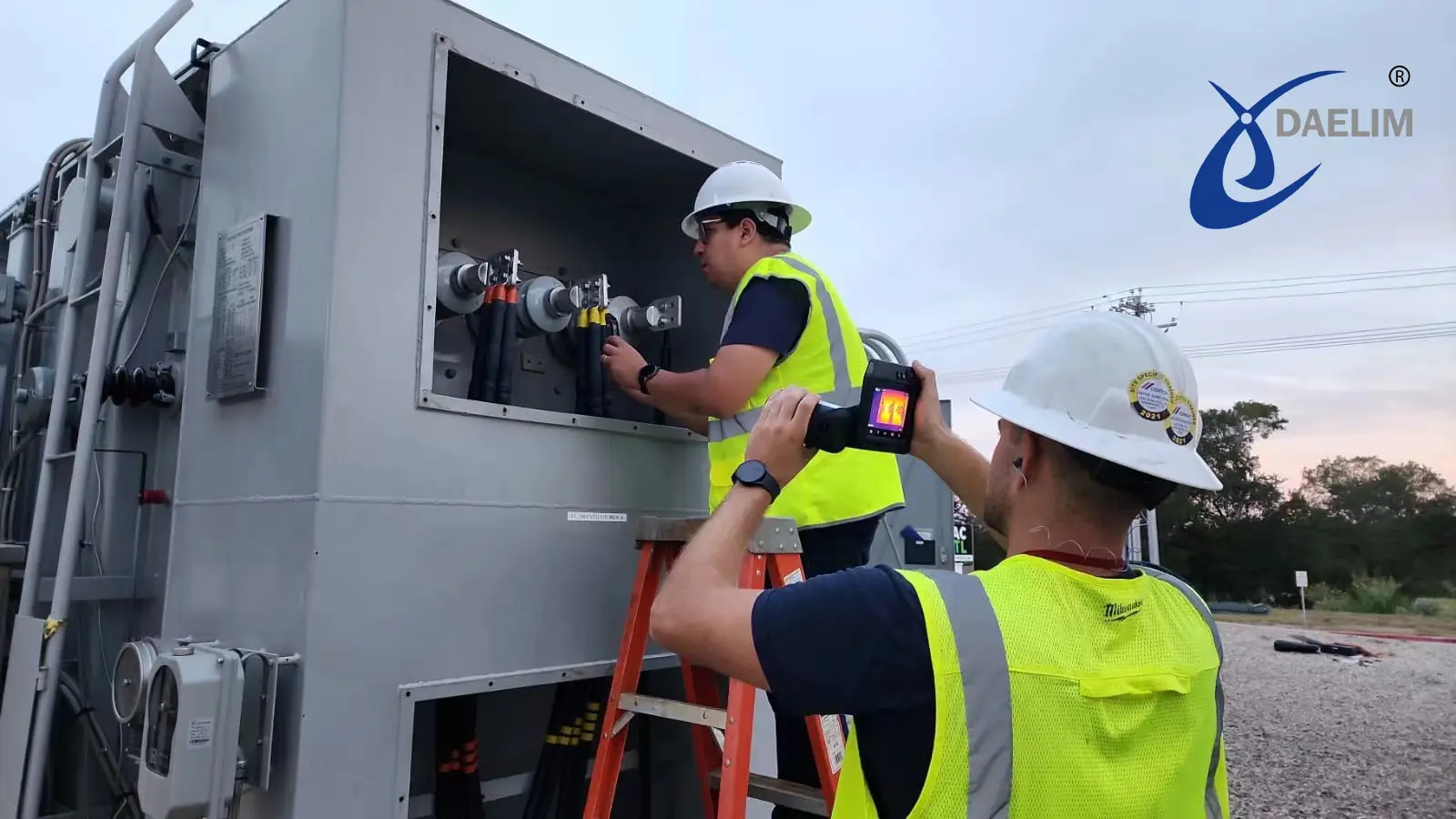
Conventional transformer maintenance is performed through a fixed inspection routine, but a smart transformer follows predictive maintenance through real-time data analysis.
Such as temperature variations showing degradation of insulation, oil sensors detecting contamination, and load management systems detecting overloading chances.
So predictive maintenance minimizes emergency repair charges and industrial and commercial facilities’ downtime.
Learn more in our Guide to Transformer Maintenance
Electrification of Transport and Industry
EV Charging System
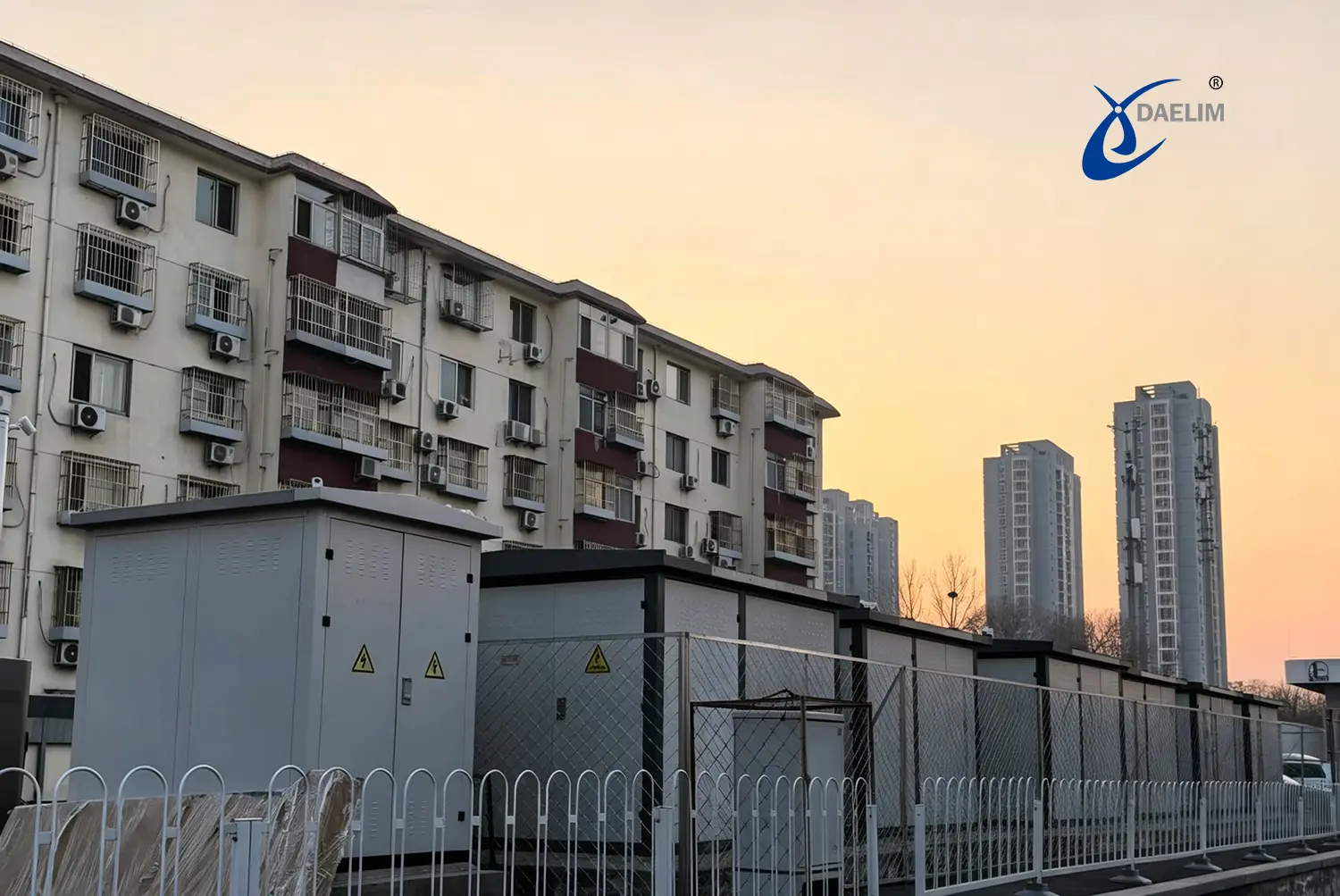
Since the advancement of technology, EVs are becoming common, and these charging stations are installed in public and special areas. These EV chargers are fast and ultra-fast DC chargers that get high power during short durations.
So, distribution transformers should manage high peak loads; there is a need for new transformers having high capacity and good thermal operations. Additionally, the already operating substations also demand upgrades.
Learn more in our Guide to EV(electric vehicle) Charging Station Transformers
Industrial Electrification
Industries are shifting from fossil fuel-based systems towards electric technologies like electric furnaces, industrial heat pumps, and electrically operated electrolysis for producing hydrogen.
This shift is increasing power demand for industrial sites that need larger and more advanced distributed transformers, transmission and distribution system reinforcement, and substation replacement.
Energy Storage and Hydrogen Integration
Industries are shifting from fossil fuel-based systems towards electric technologies like electric furnaces, industrial heat pumps, and electrically operated electrolysis for producing hydrogen.
This shift is increasing power demand for industrial sites that need larger and more advanced distributed transformers, transmission and distribution system reinforcement, and substation replacement.
Power-to-Hydrogen and Electrolysis Plants
Hydrogen produced through the electrolysis process uses electricity to power hydrogen projects. These plants operate with large capacity and need stable, high-power electrical connections.
Transformers in these projects manage high and continuous electrical loads, make stable voltage, and handle variations for renewable power inputs.
Flexible Grid Operations compatibility
battery- and hydrogen-based systems make flexible grids since they absorb extra energy and deliver power when needed. since transformers in these systems ensure safe voltage transformation, provide stability for grid performance, and manage different conditions
So development of battery storage and hydrogen generation requires advanced, high-capacity transformers that work well in dynamic functional conditions.
Sustainability and Eco-Design Standards
The European Union has given strict efficiency and strict environmental standards for electrical devices, including transformers.
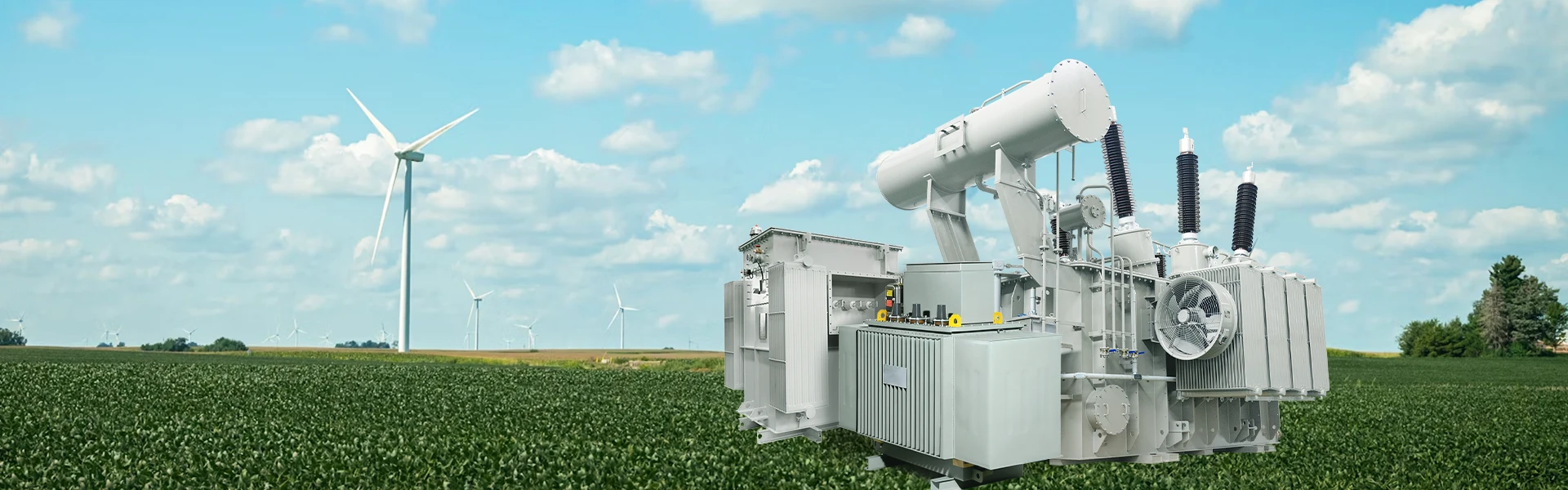
EU Eco-Design Rules
According to the European Union’s ecodesign guidelines, transformers should follow a performance level that minimizes power losses when operating. These rules are beneficial for reducing carbon emissions in transmission and distribution systems.
Energy Efficiency Requirements
Advanced transformers should reduce no-load losses, or core losses, when energized but not deliver power to the load and load losses under load conditions.
Environmentally Friendly Insulating Materials
Now common use of biodegradable insulating fluids, low-impact cooling oils, and less hazardous materials is growing. since they offer safer and lower hazard chances for the environment due to leakage
Life-Cycle Assessment and Recycling
The main goals of manufacturers are longer working life, recyclable components, sustainable material sourcing, and end-of-life recovery processes. All these are compatible with the EU’s circular economy objective.
Conclusion
European Union green policies are growing renewable energy, grid modernization, and electrification, which causes advanced and policy-based requirements for high-voltage transmission transformers, smart and energy-efficient transformers, and distribution transformers for EVs. For longer-term operations, transformers are important for getting the European neutrality objective through secure energy and compatibility with low-carbon power systems.
For long-term operations, transformers are important for getting the EU climate objective with safe energy delivery, advanced grid systems, and compatibility with renewable sources and electrified power systems.
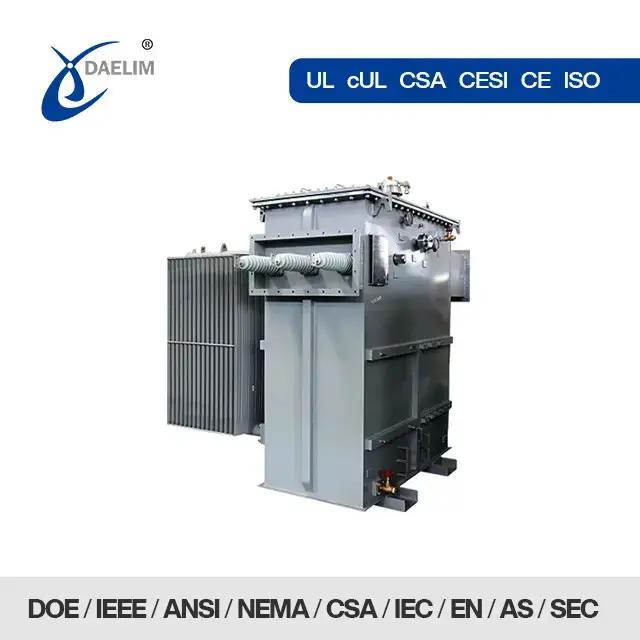
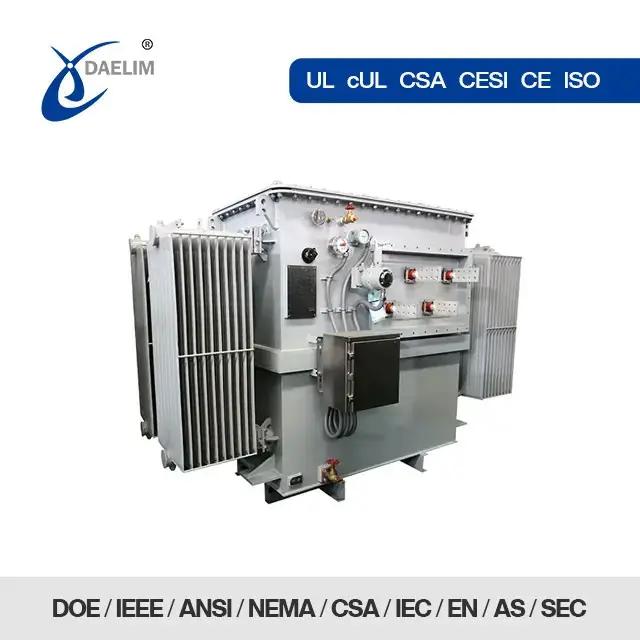
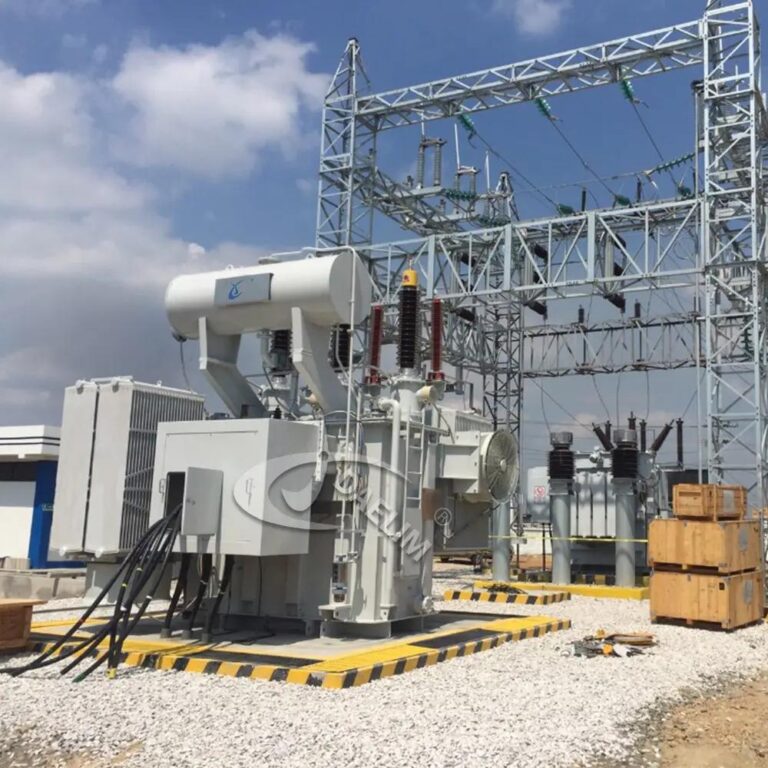
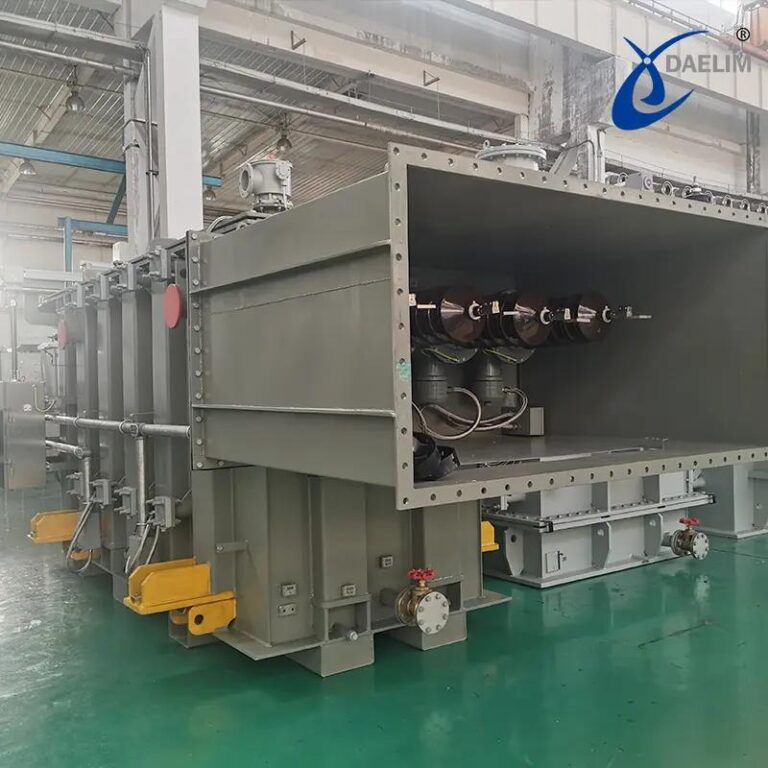
Global manufacturers are also configuring their products according to European Union eco-design and efficiency requirements and standards. Daelim Transformer is also offering HV power transformers, substation transformers, and distribution and pad-mounted transformers that are designed according to renewable plants, industrial electrification, and energy storage projects.
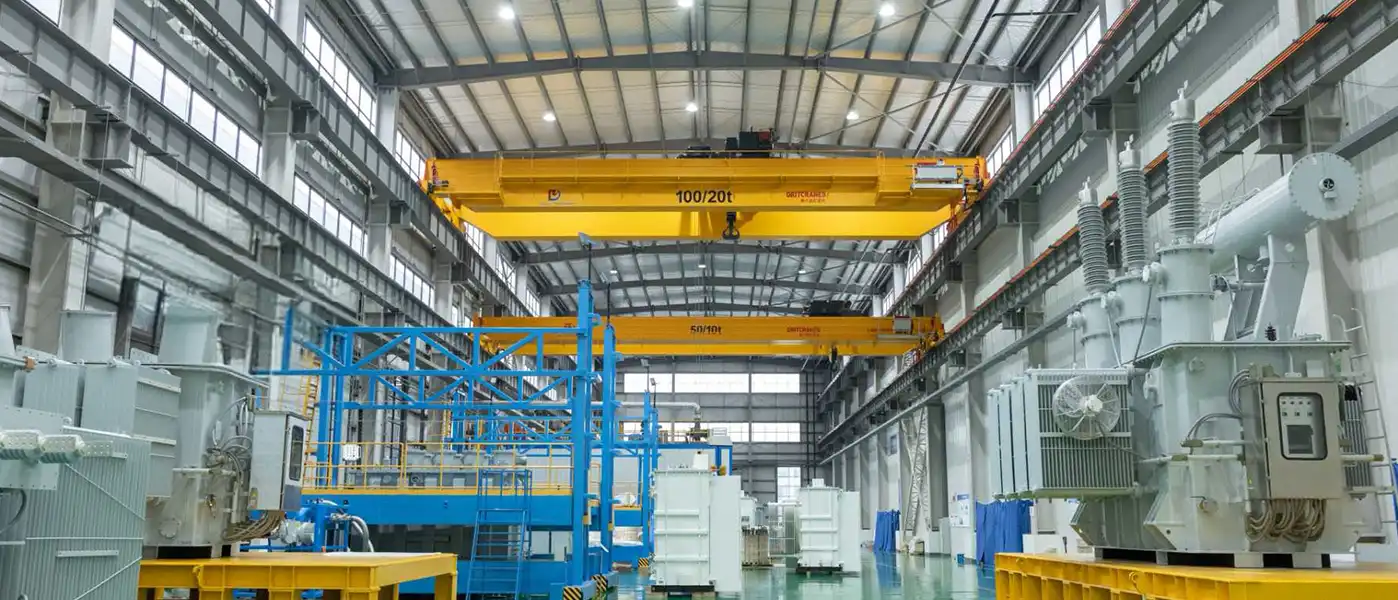
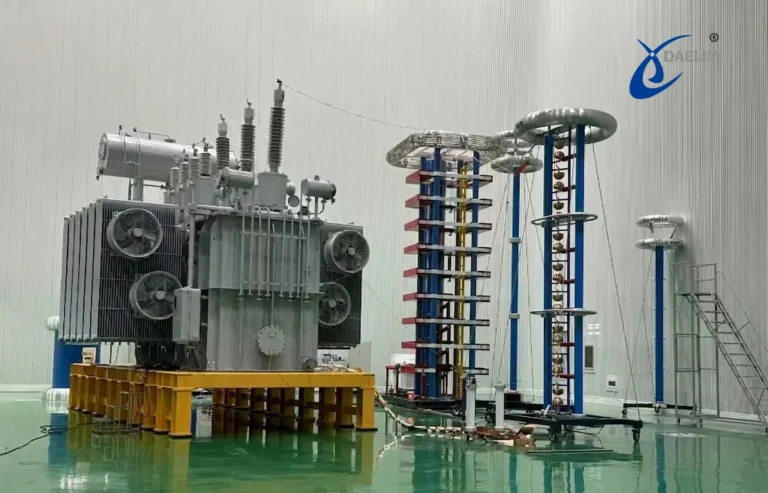
Designed in strict compliance with international standards (IEC, IEEE, and EN), our power transformers feature Tier-2 Eco-design energy efficiency and customized configurations tailored for advanced smart grids. We supply high-performance transformers worldwide—with a strong track record in North America and Europe—helping global clients fulfill growing energy demands and comply with regional energy transition policies.
Ready to Upgrade Your Grid for the Clean Energy Transition?
Partner with Daelim Transformer to power your renewable energy and smart grid projects.
FAQ
What are the objectives of the EU energy policy?
It was discussed between the European Union and member states, as explained in Article 194 of the Treaty on the Functioning of the European Union, that the European Union’s main objective is to offer reasonable, reliable, and clean energy for people and different European businesses.
What challenges do transformers face in the context of renewable energy integration?
The main challenge is variation in renewable energy resources. Production does not remain constant and varies according to weather conditions. This needed a transformer with high reliability and had a design to manage fluctuations.
How are transformers used to improve the efficiency of power transmission in the national grid?
A transformer increases the voltage level for transmission and steps it down for usage. The national grid delivers power efficiently and with low losses. Transformers are important to maintain a balance between safety and efficiency of the National Grid.
 English
 Polish
 German