
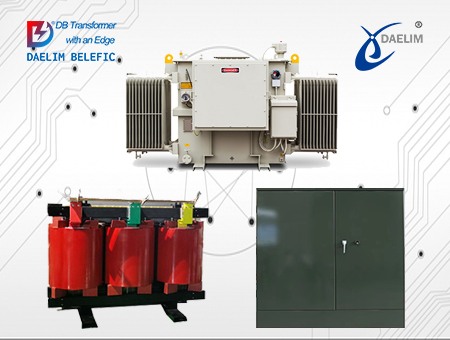
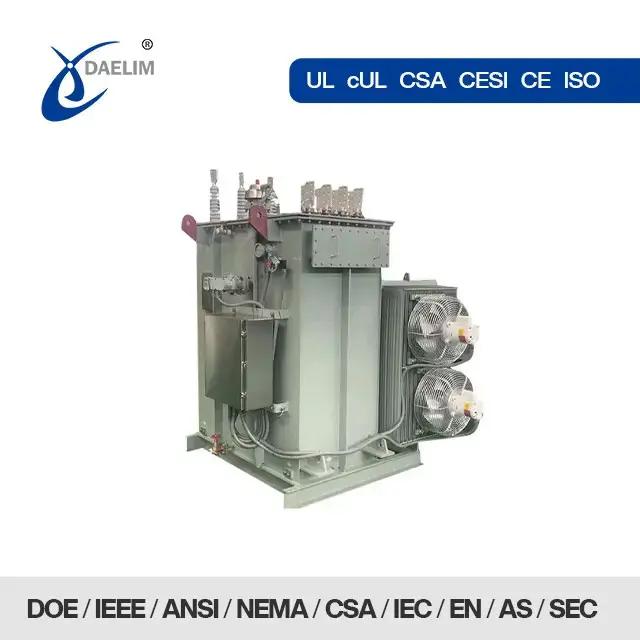
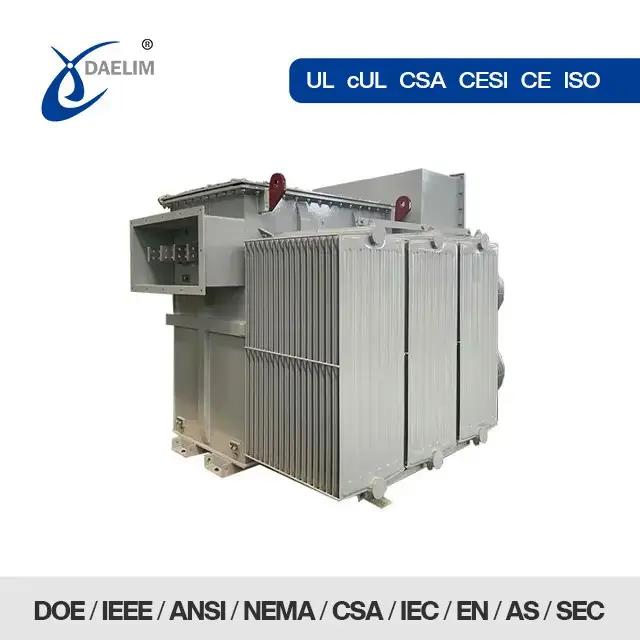
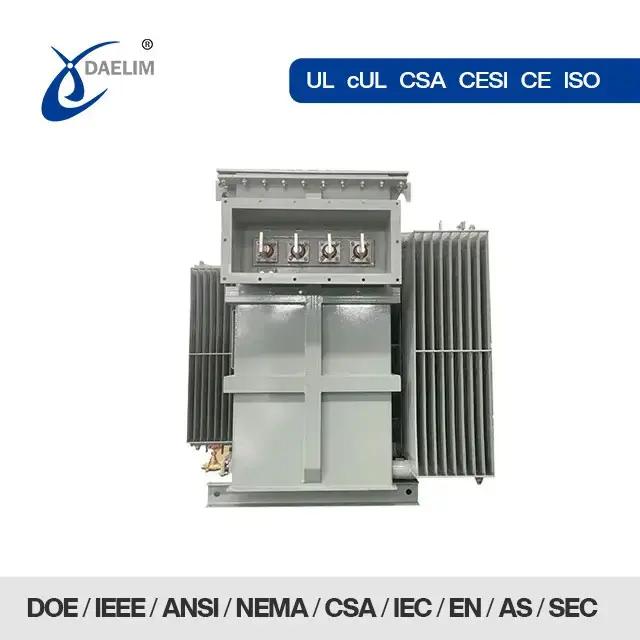
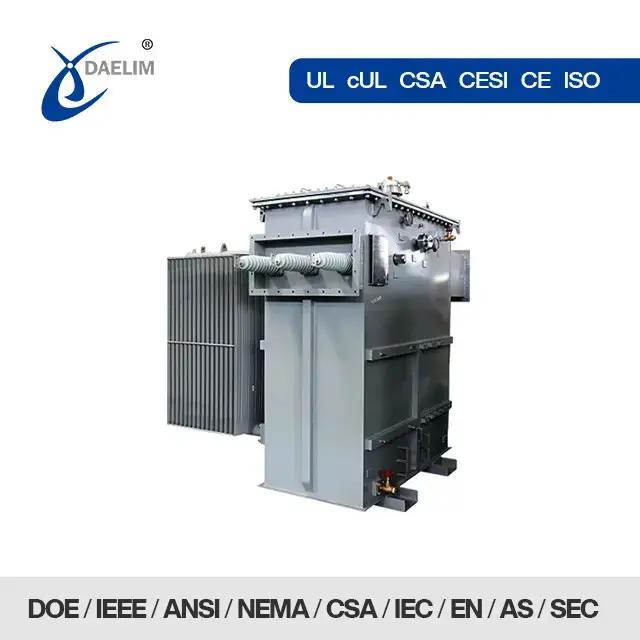
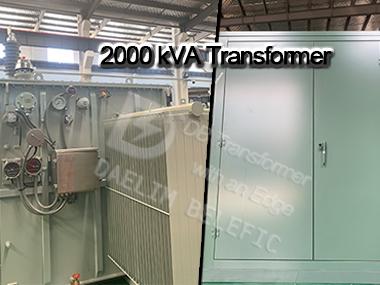
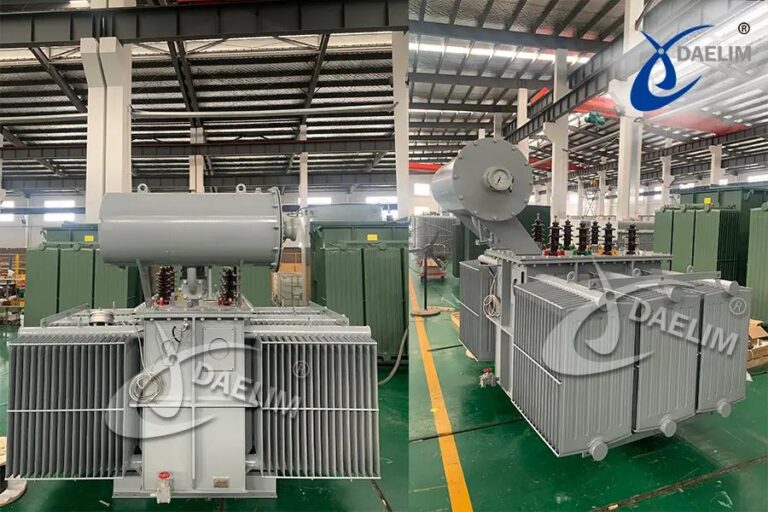
2MVA transformer is a kind of power equipment commonly used in distribution lines. 2MVA transformer is a distribution transformer. It can be used in factories, power stations, and other places.
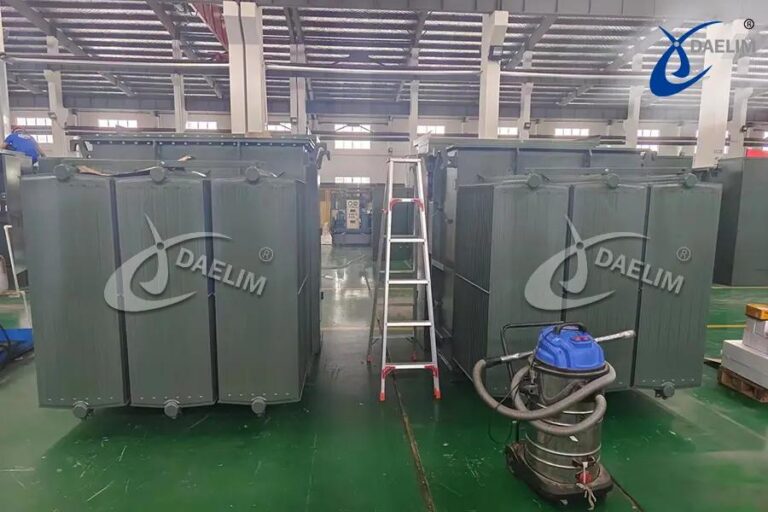
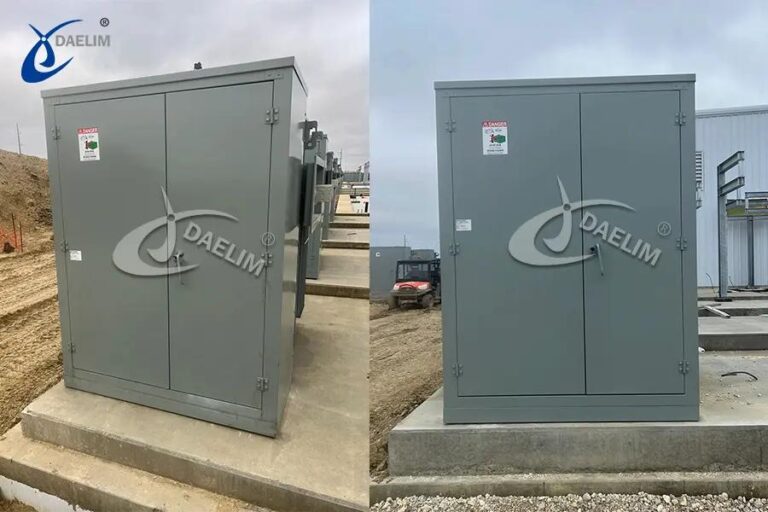
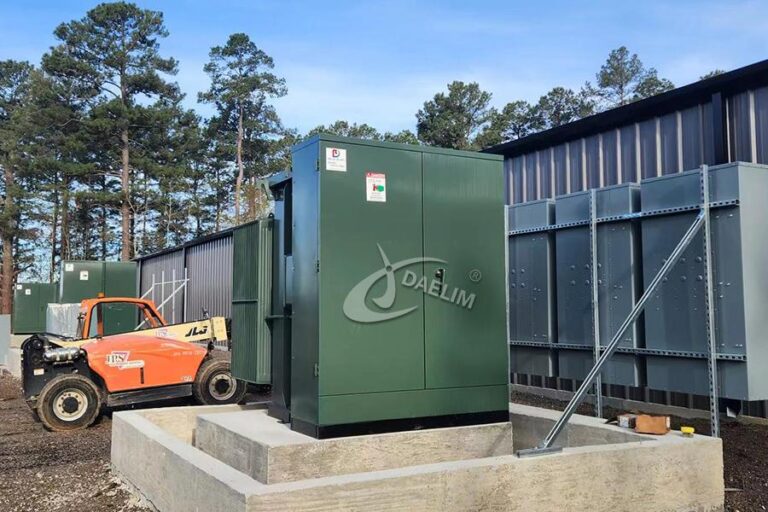
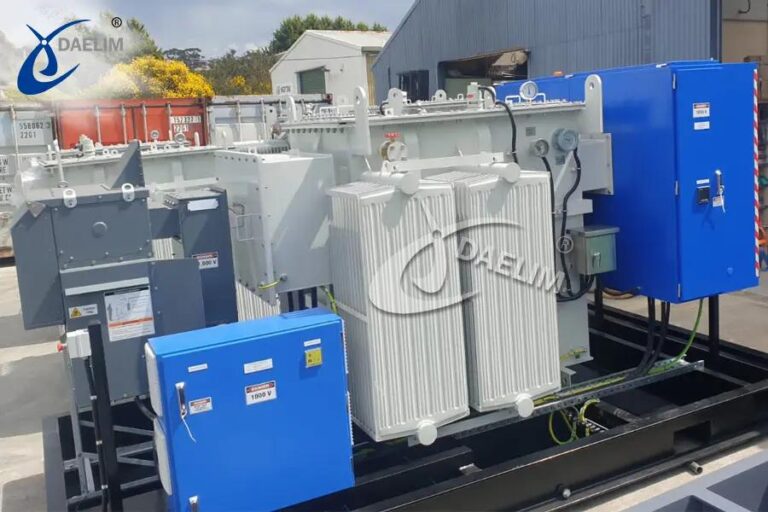
Daelim is a professional transformer manufacturer with a factory located in Jiangsu Province, China. With 16 years of design and export experience. The 2 MVA transformer produced by Daelim can meet the ANSI/IEEE/CSA/AS and American DOE efficiency value standards, and has CSA certification, UL certificate, and can be CSA and UL labeling.
Next, we will introduce more details about 2mva in detail.
What is the MVA rating of the transformer?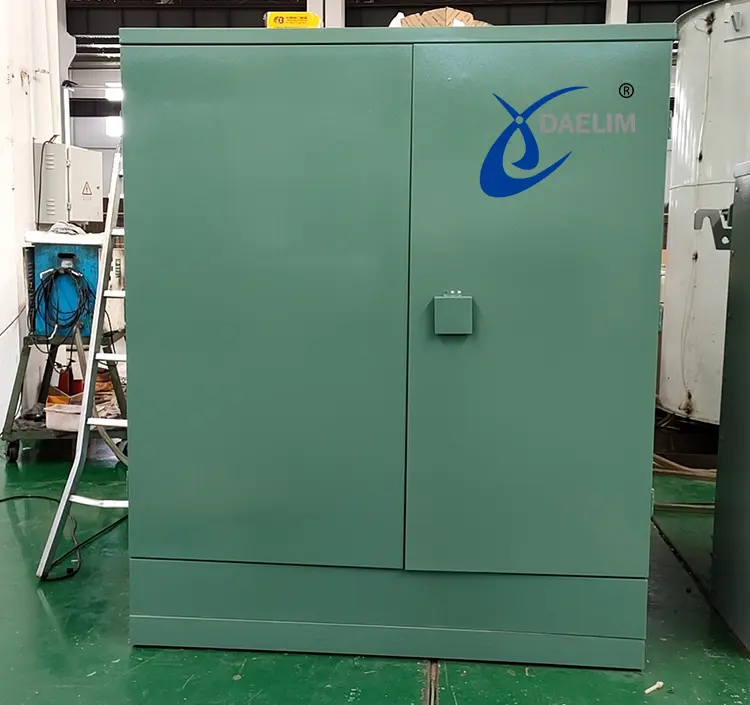
The MVA rating of a transformer is a fundamental parameter that dictates its capability to handle electrical power and is a cornerstone in the design and operation of electrical systems.
The MVA (Megavolt-ampere) rating of a transformer is a crucial specification used to denote its total apparent power capacity. It represents the maximum amount of power that the transformer can handle under specified conditions, encompassing both real (active) power and reactive power in an electrical circuit.
For example, when discussing a 2 MVA transformer, it signifies that the transformer can manage up to 2 megavolt-amperes of power. This measurement is essential in engineering and designing electrical systems, including substations and power generation setups. Engineers use the MVA rating to ensure that transformers and associated equipment can safely and efficiently handle the electrical loads they are expected to support.
Furthermore, it’s important to note that 2 MVA is equivalent to 2000 kVA (kilovolt-amperes), and 1 kVA is approximately equal to 0.85 kilowatts. This conversion allows for easy understanding and comparison of power ratings across different electrical equipment and components.
In addition, we can also note that MVA is also a reference base value for calculating the required power consumption for industrial use or residential use in residential areas. So this forms a substation equipment transformer machine generator, and the terminal uses the power capacity matching of the complete power distribution system.
At the same time, because different power supplies or transmission and distribution transformers have different rated MVA powers, engineers or power design institutes will also consider the performance of the transformers, so as to achieve the correct power in the process of power transportation to thousands of households. power matching.
And this can also reduce the power consumption, and ultimately reduce the consumption of electricity used by residential industries. The power is completely designed and effectively controlled, which will ultimately be very effective in preventing accidents and protecting people’s property loss and life safety.
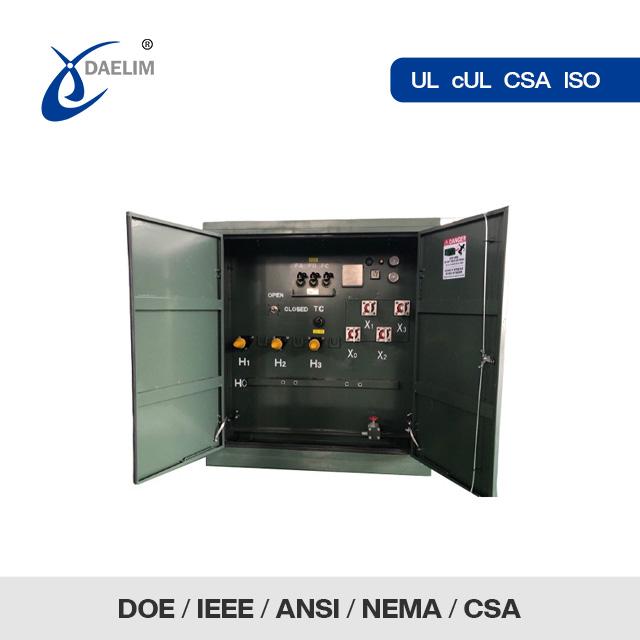
Try for free: Pad Mounted Transformer
What is a 2mva transformer?
Transformer with a 2 MVA rating, it indicates that the transformer can handle up to 2 megavolt-amperes of apparent power. This rating considers both active and reactive power components, making it essential for designing and operating electrical systems efficiently and reliably.
How much does a 2 MVA transformer cost?
The cost of a 2 MVA transformer can vary significantly based on several factors that influence its design, materials, and production. Here are the key considerations affecting the cost:
Materials and Construction
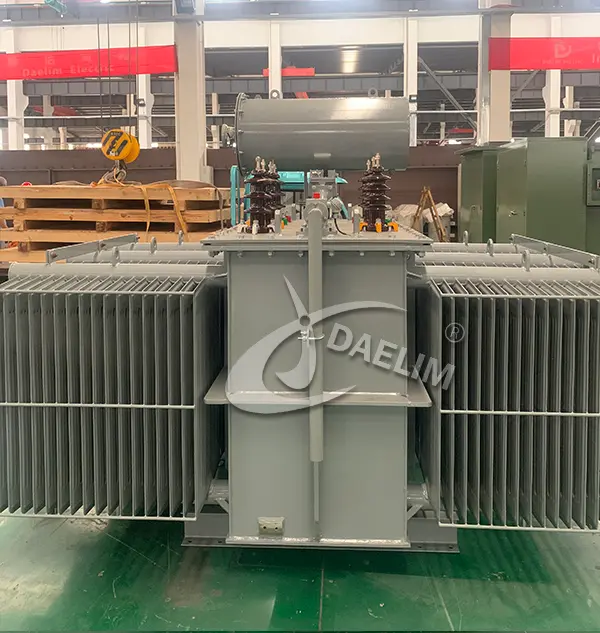 Core and Windings: The materials used for the core (typically laminated silicon steel) and windings (copper or aluminum conductors) are major cost components. Copper windings are more expensive than aluminum but offer higher efficiency.
- Tank and Enclosure: The choice between carbon steel and stainless steel for the tank impacts cost. Stainless steel is more expensive but offers better corrosion resistance, which might be necessary in harsh environments.
- Insulating Oil: The type of insulating oil used (e.g., mineral oil, vegetable oil like FR3) affects cost. Vegetable oils are eco-friendly but more costly than mineral oils.
Learn more about Transformer Oil
Design Specifications
- Cooling Method: Transformers can be designed for different cooling methods (e.g., ONAN, ONAF, KNAN), each impacting cost.
- Voltage Class: The voltage levels the transformer operates at affect the design complexity and therefore the cost.
You may enjoy: The Impact of Impedance on Transformer Design
Manufacturing and Labor Costs
- Labor costs for manufacturing and assembly play a significant role, especially in regions with higher wages or stricter labor regulations.
- Quality control and testing procedures also add to the overall manufacturing cost.
Brand and Supplier
- Transformers from well-known brands or those meeting specific standards (e.g., IEEE, IEC) may command higher prices due to reputation and certification costs.
- The reliability and service support from the supplier can also influence pricing.
Market Demand and Economic Factors
- Market conditions, including supply chain disruptions, fluctuations in material costs (such as copper prices), and currency exchange rates, impact transformer prices.
Given these factors, estimating the exact cost of a 2 MVA transformer requires detailed specifications and quotations from manufacturers. Prices can range widely depending on the specific requirements and conditions under which the transformer will operate. Generally, for a transformer of this size, costs can range from tens of thousands. Contact Daelim Transformer now to get an accurate quote for your 2 MVA Transformer.
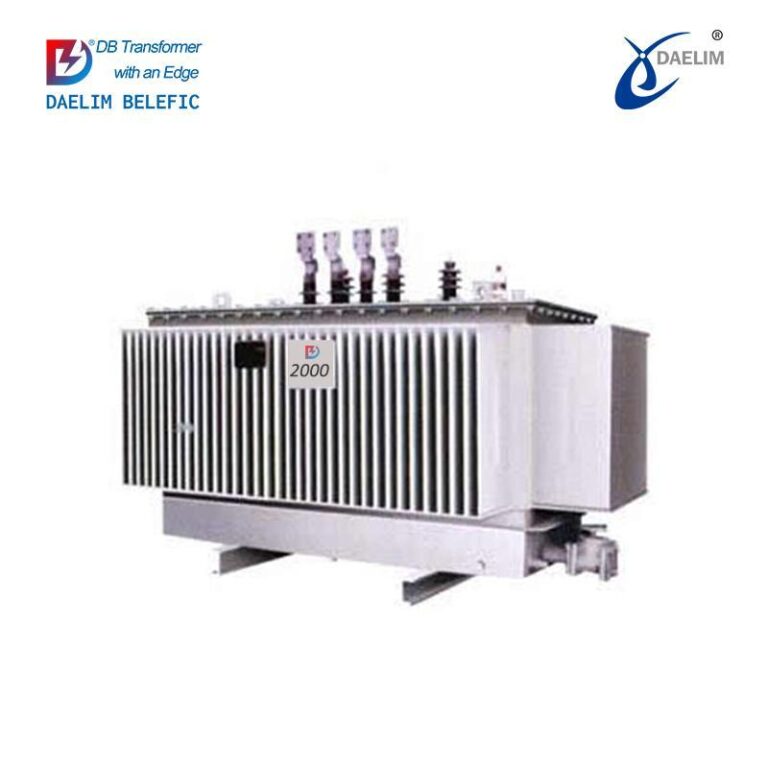
Read more about: 2000 kVA Oil immersed Substation Transformer For Portugal Market
What MVA signifies for a transformer?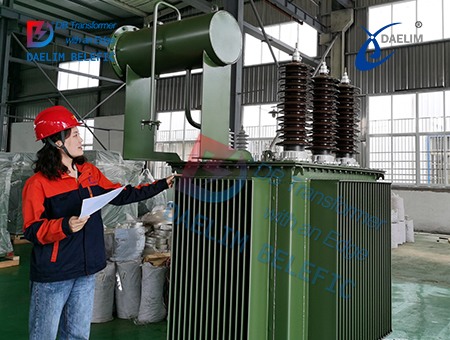
MVA (Megavolt-ampere) in the context of transformers refers to the apparent power rating of the transformer. Apparent power combines both real (active) power and reactive power, reflecting the total power flow in an AC circuit.
Load Compatibility: Transformers are designed to deliver a certain MVA rating, which ensures they can supply the necessary combination of active and reactive power to various types of loads. These loads can be purely resistive (like heating elements) or include reactive components (like motors and fluorescent lights).
Utility in Design and Operation: Engineers use the MVA rating to size transformers appropriately for different applications. For instance, industrial facilities with large motors and equipment requiring reactive power correction might need transformers with specific MVA ratings to ensure efficient operation.
Measurement and Standards: MVA is a standard unit used internationally to specify transformer capacities. It allows for consistent communication and comparison of transformer capabilities across different regions and applications.
How do you convert MVA to amps?
In fact, there is no way for us to directly convert MVA into current, and the current is represented by AMP here. Another basis that can be directly converted is that we should understand that voltage is both the source of current and the value of resistance under full load conditions. This is Ohm’s law, and it is also the calculation formula and law that we need to follow.
For more information on 2MVA transformers please click here to contact us!
 English
 Polish
 German