
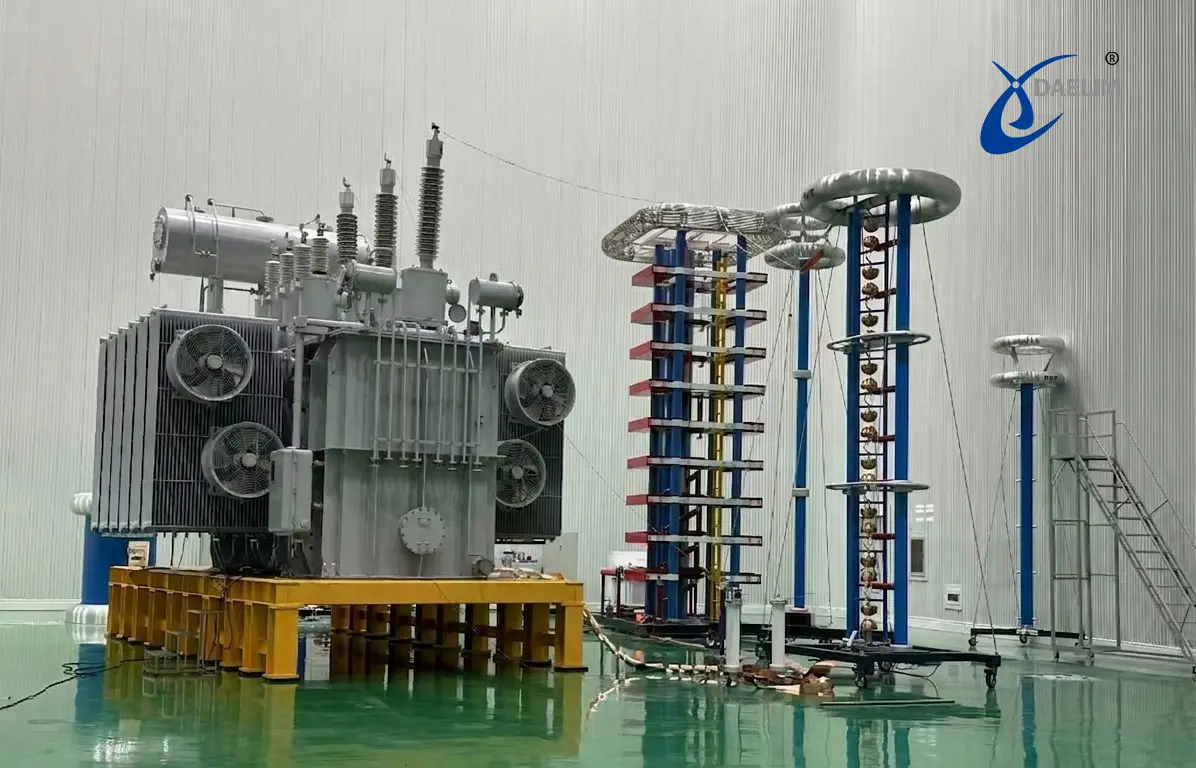
To understand what the standard is, think of a water pipe installed underground on a street. If that pipe has a little crack in it, we know that it will not burst today. But as time goes by, the crack will grow and the water flowing through it will start spraying out, and the street will be flooded. If we’re gonna talk about high voltage electricity, we have something that is similar which is called “partial discharge”
IEC 60270 is the international set of rules that tells engineers how to listen for those “tiny cracks” in the insulation inside the transformers. When the electricity is flowing and jumping through places that it should not be, it can be considered as a “tiny spark” even in small amounts. If these sparks keep happening, they will eat away the insulation.
To explain it further, it is a bit like a termite eating a wooden house. We don’t see them until the roof of the house sags. The IEC 60270 gives us the tools to “hear” those sparks before the damage is done.
Why IEC 60270 Matters for Transformer Reliability and Safety?
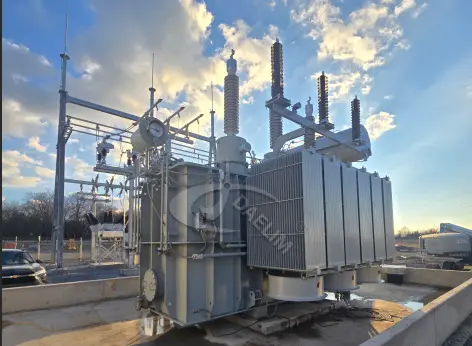
Alongside IEC 60270, you might also hear people talk about EN 60270. For some reason, the world of standards loves different names for the same thing. EN 60270 is just the European version of these rules. Whether you use the IEC or EN version, both standards have a common goal, which is safety.
The truth is, high-voltage equipment is experiencing a lot of stress. If the insulation inside is not good, the electricity that is flowing will find a way out. When this happens, it causes heat, more sparks, and in the worst case, a total failure. By following the IEC 60270 standard, manufacturers can prove to you that their transformer is “healthy” inside.
Get it free: The Ultimate Guide To IEC 60076 Standard
The Science Behind Partial Discharges (Those “Tiny Sparks”)
The special thing about these “tiny sparks” or the “partial discharge” is how small they are. To give you an idea, think of it as a single grain of salt. Now, imagine trying to weigh that grain of salt while it is sitting on the back of a 10-tonner truck. That is what the testing equipment has to do. The equipment has to ignore all the “noise” of the big electrical current to find that tiny spark. Surprisingly, even a few of these tiny sparks can tell us that a transformer is going to fail in a few years.
Big problems can arise in your project or facility if you choose to skip performing these tests. For example, a large data center chose to speed up the delivery of their transformers and skipped important IEC 60270 factory tests to save time. Less than a year later, one of its main units suffered a major insulation failure. What started as tiny electrical discharges eventually turned into a large internal fault that caused an oil fire and shut down part of the facility.
How IEC 60270 and Related Standards Ensure Reliable Power?
Take the IEC 60270 as the manual on how to measure the sparks, and the IEC 60905 as the guide on what to do on those measured sparks. It helps us determine if the discharge level is acceptable in a transformer or if it needs to be fixed.
Technically, these standards serve as the “safety ratings” on a new car. We surely would not buy a car that was defective and didn’t pass a crash test. In the same way, these standards ensure reliability, safety, and security. Therefore, when you see a remark on a specification sheet of being compliant with IEC 60270, it means that the manufacturer made sure that the insulation is good and proved it using a global benchmark.
Learn more about Transformer Insulation
How Partial Discharge Is Measured: The Challenge of Detecting Invisible Sparks
The unit of measure for these sparks is called a “picocoulomb” (pC). As mentioned, think of it as a single grain of salt and imagine trying to weigh it while it is sitting on the back of a 10-tonner truck. It takes incredibly delicate sensors to pick up that signal.
Due to this, you cannot just do the test in a regular testing area. You need a “shielded room” or a Faraday cage which is like a “quiet room” that blocks out the signals from your cell phones and radio waves. If you don’t do this kind of set-up, the sensors will likely pick up the “noise” from the environment instead of the sparks inside the transformer.
How Lead Times and Testing Impact Your Project
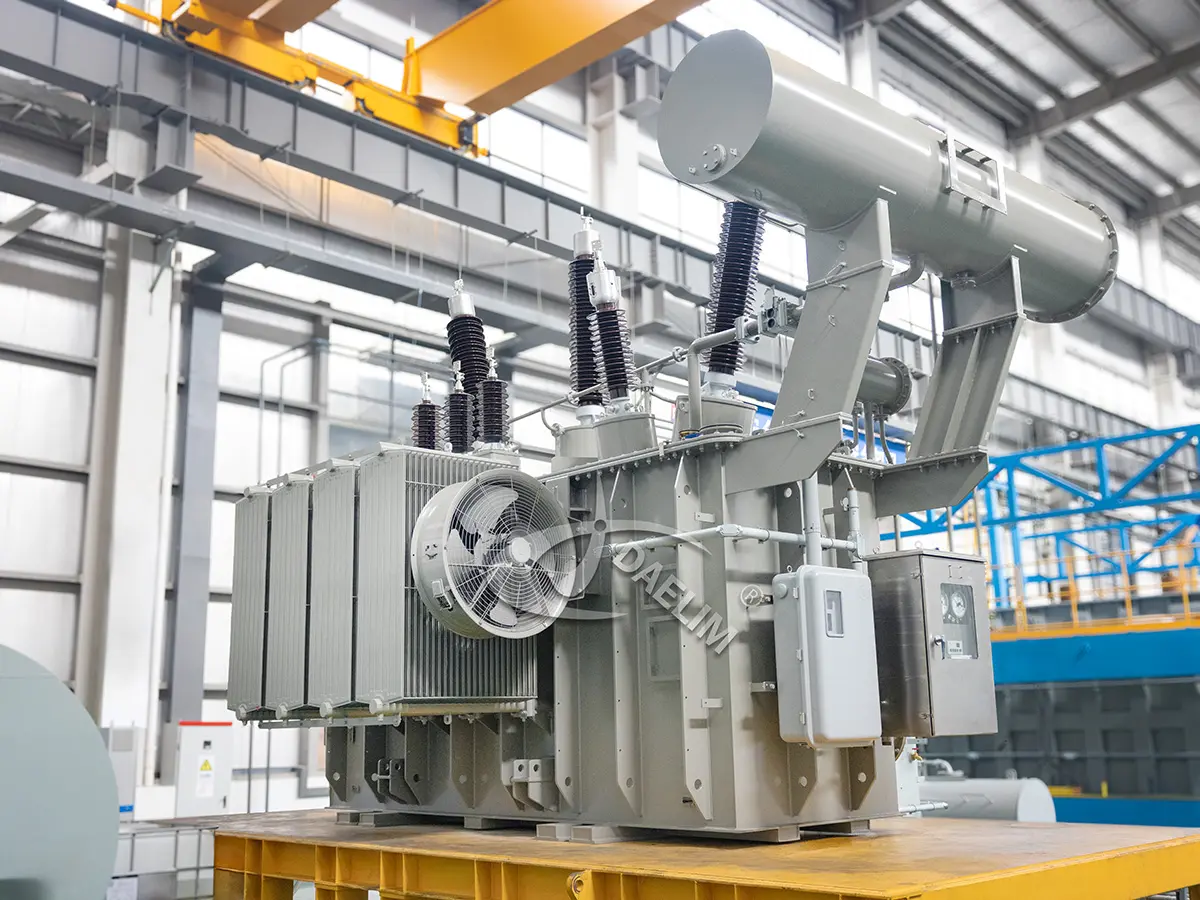
Proper testing cannot be rushed. For big industrial projects, dealing with the transformer lead times is usually the biggest challenge, and not conducting a full IEC 60270 test just to shorten the lead time is a huge mistake.
A reliable test on a transformer is required to be fully assembled and “soaked” in oil for a specific amount of time so all the air bubbles rise to the top. If a transformer supplier promises a fast delivery, you definitely should ask if they are cutting corners on the “soak time” or the PD testing.
| Project Type | Typical Transformer Lead Time | Testing Intensity |
| Small Industrial | 20-30 Weeks | Standard PD Check |
| Standard Utility | 30-50 Weeks | Full IEC 60270 Certification |
| Hyperscale Data Center | 50-70+ Weeks | Extended PD Testing & 24hr Heat Run |
For projects that are critical, the lead time is not just about building the machine, but proving that it is perfect and safe to use. A one-week delay that is caused by testing is much better than a six-month delay because your transformer failed on-site.
Key Questions to Ask When Purchasing a Transformer
In a transformer quotation, do not just ask the supplier if they comply with the standards. At least ask them for a sample test report and look for the actual numbers in picocoulombs. Also, the transformer should be marked as having passed in the test report in the audible sound test even when the voltage was pushed higher than the normal operating condition.
Conclusion
The reliability of your power system is not just about the technical detail. It is a factor that can dictate if the project will succeed or not. If a transformer fails, your timeline is ruined and it will surely incur additional costs. Making the IEC 60270 testing as a priority is the best way to ensure that the electrical leaks do not become a visible disaster. It is more than just electricity, but peace of mind.

Daelim Transformer has years of experience helping customers in the USA, Canada, and around the world navigate these tough technical requirements. We design and build transformers that meet the international standards like UL, CSA, and CE, and we take our partial discharge testing very seriously. We provide technical support and efficient delivery to keep your projects on track. Ready to ensure the reliability and safety of your project’s power? Contact Daelim Transformer today for expert advice on the IEC 60270 testing and customized power solutions that fit your specific needs.
FAQ
Can we perform PD tests on a transformer that is already running?
It is difficult to get an accurate reading in the field because of all the “electrical noise” around. While there are field tests, the most reliable IEC 60270 test happens in a shielded factory lab before shipping.
What happens if a transformer fails the factory PD test?
The manufacturer will find the source of the spark. It is just a loose connection or a tiny bit of moisture in most cases. Then, they will fix it, perform re-testing, and ship if it passed the audible sound test.
Is PD the same as a “short circuit”?
No. A short circuit is an instant and huge failure where everything in the system stops. Partial discharge (PD) on the other hand, is a hidden “leak” that slowly eats the insulation of the transformer until it causes a short circuit months or years later.
How many picocoulombs are acceptable in a transformer?
It depends on the size. Usually, the value is very low, under 100pC for most big transformers. So, the test report should show what is the limit for your specific unit.

 English
 Polish
 German