
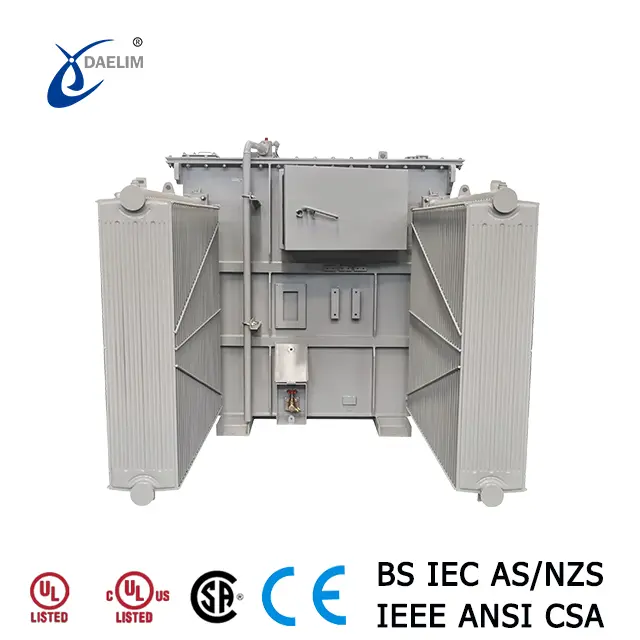
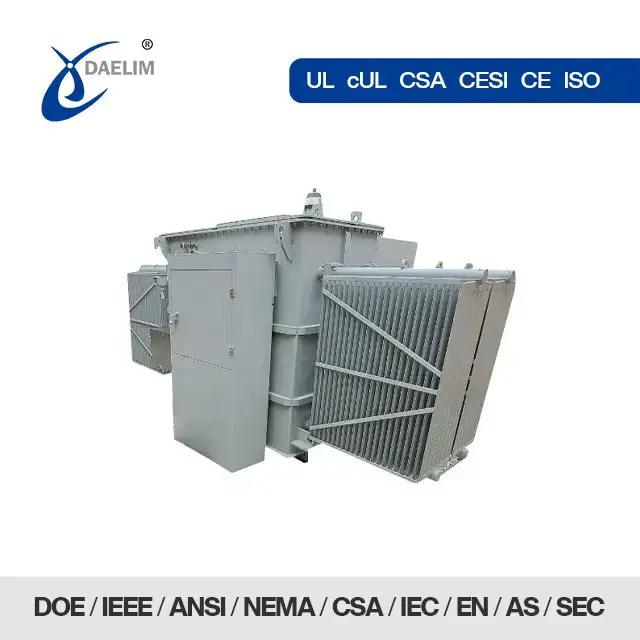
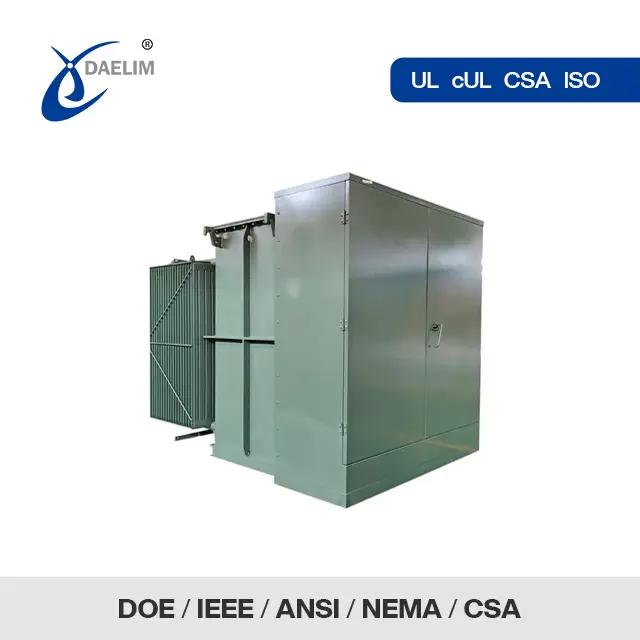
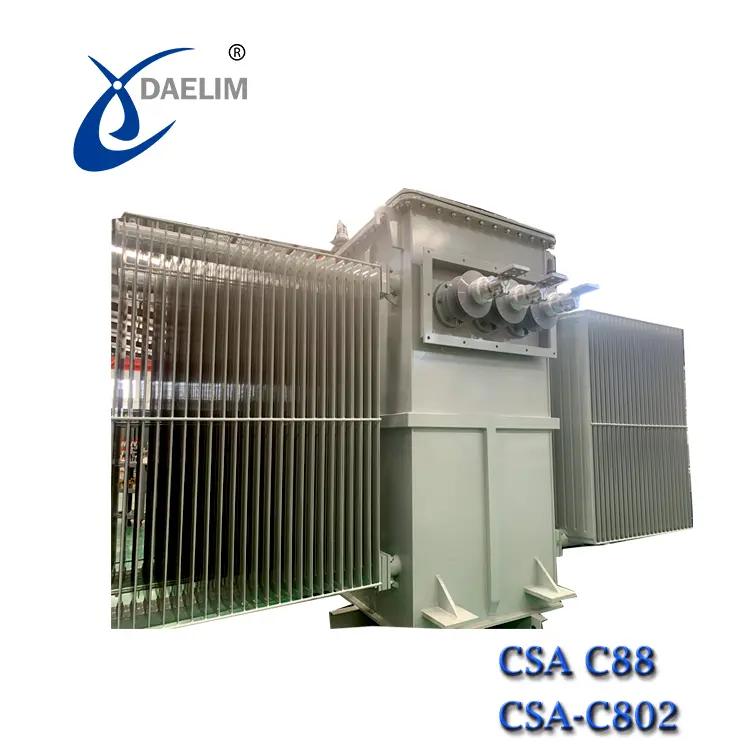
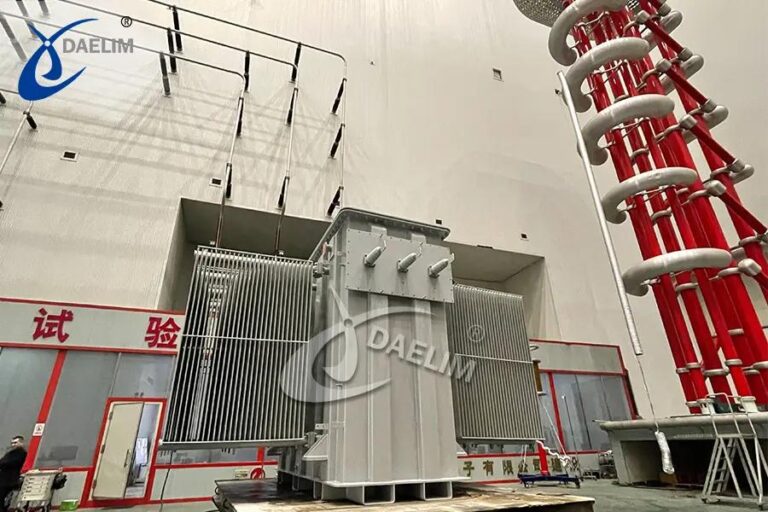
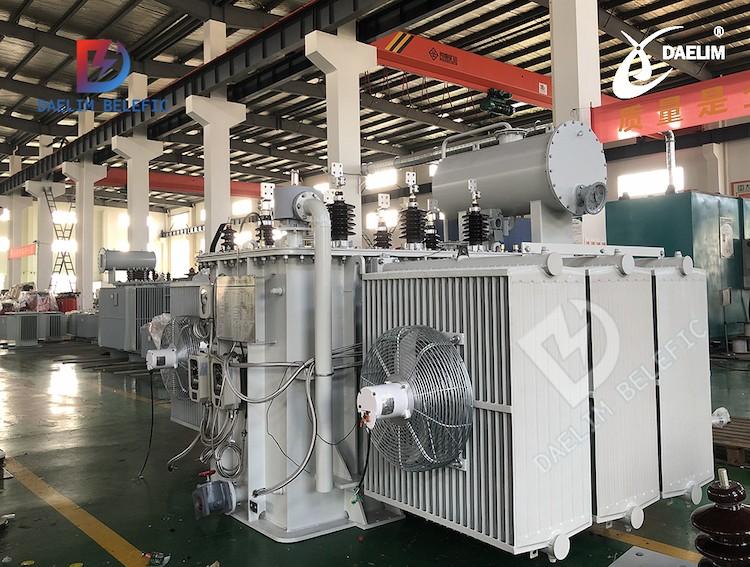
 Power transformers, such as the 5 MVA power transformer, play a crucial role in ensuring efficient electricity distribution. Understanding their overload capacity and the factors influencing their specifications is essential for maintaining reliable operation and preventing failures.
Understanding Overload Capacity
The overload capacity of a transformer refers to its ability to temporarily operate at higher loads than its rated capacity. Several factors influence this capability, including ambient temperature, initial load conditions, insulation levels, heat dissipation efficiency, and the duration of overload conditions.
Typically, a 5 MVA power transformer can handle short-term overloads exceeding its rated capacity by 25%-30%. However, sustained overloads should not exceed 10% to maintain safe and reliable operation. For instance, under specific conditions—such as an ambient temperature of 35°C and an initial load ratio of 100%—a large-capacity substation transformer operating at 500 kV can sustain an oil temperature of 100°C and a winding hotspot temperature of 150°C during a 20-minute overload period.
Factors Influencing Transformer Overload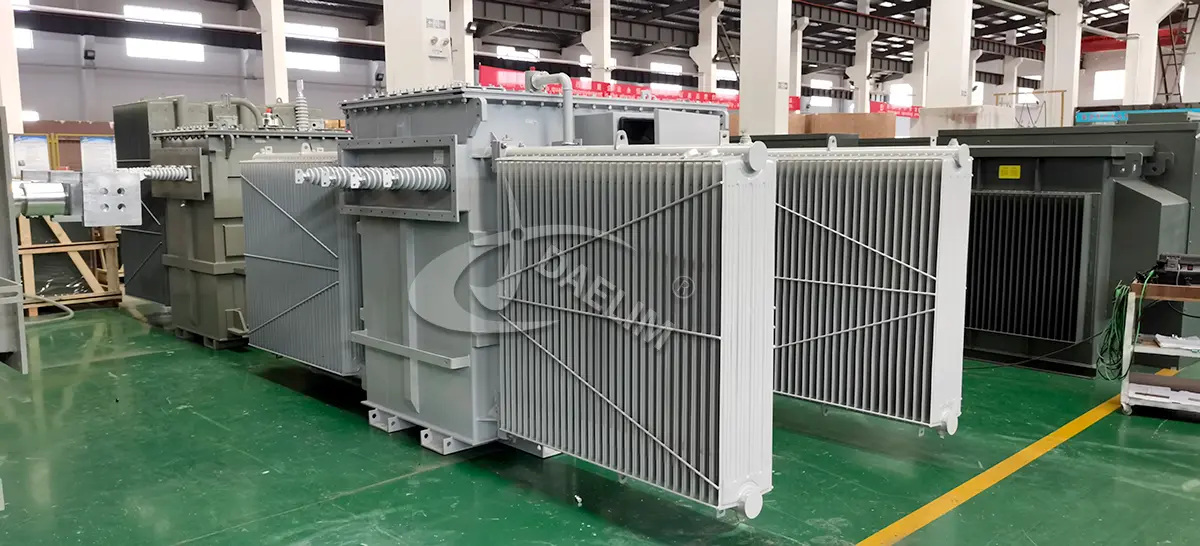
The load rate of distribution transformers directly impacts their performance and longevity. Key factors influencing transformer load rates include:
- Capacity Planning: The ratio of transformer capacity to expected load in the area affects whether transformers experience light or heavy overloads. Insufficient capacity planning can lead to overloaded transformers, compromising efficiency and reliability.
- Operational Performance: Sudden load changes, discrepancies between predicted and actual loads, and three-phase imbalances can all contribute to transformer overloads. These operational factors must be carefully managed to maintain optimal load distribution.
Solutions for Managing Transformer Specifications
To effectively manage transformer specifications and mitigate overload risks, several strategies can be implemented:
- Transformer Upgrades: Consider upgrading existing transformers to higher capacity models or replacing outdated equipment prone to inefficiencies and overloads. This enhances overall system reliability and performance.
- Data Accuracy Verification: Ensure accuracy in load data collection and analysis. Regularly verify monitoring system data against actual load measurements to identify discrepancies and potential overload risks promptly.
- Optimized Distribution Planning: Strategically add new distribution points and redistribute loads to balance transformer capacities across the network. This approach minimizes the likelihood of overloading while optimizing energy distribution efficiency.
- Resource Optimization: Implement a management approach that optimizes the allocation of distribution transformers based on their load characteristics. Exchange heavy-load transformers with lighter ones where appropriate to improve overall system load rates and reliability.
Conclusion
In conclusion, managing the overload capacity and specifications of 5 MVA power transformers requires a systematic approach. By understanding the factors influencing transformer performance and implementing proactive solutions, utilities can ensure reliable electricity distribution, enhance system efficiency, and extend the operational life of transformers.
For more information on managing transformer specifications and overload capacity, please contact Daelim Transformer
 English
 Polish
 German