
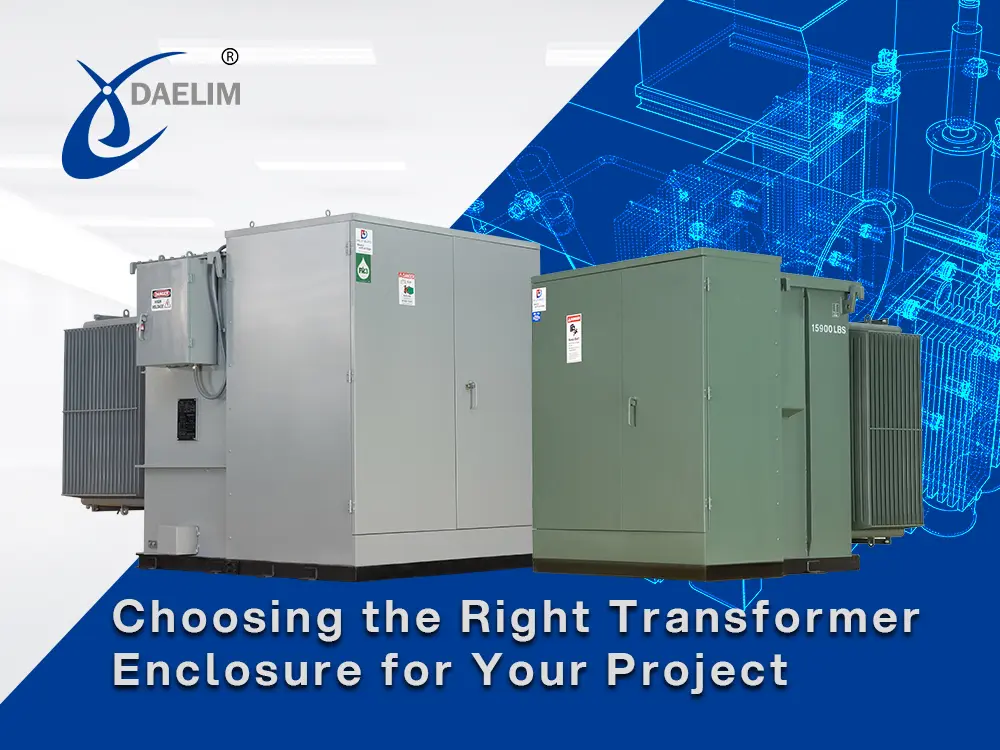
Transformers are very crucial to provide a reliable power supply to homes, schools, and industries. However, they must be protected enough to work efficiently and safely for a longer period.
A good enclosure protects the transformer from damage and accidents and ensures smooth operation in different surroundings—indoors or outdoors. This guide will lead you to the right transformer enclosure types for your specific needs.
What is a Transformer Enclosure?
A transformer enclosure is the armor around a transformer. It’s just an outer body casing that covers over the core and coil, so they are protected from damage and very harsh natural conditions. It can be compared to a heavy-duty, long-lasting jacket that protects a transformer from any environmental situation it might end up in.
Transformer enclosures do more than protecting your transformer. They also keep you safe from electrical parts inside them in case you inadvertently touch the injury-causing results.
Whether it is rain, dust, or burning heat, these enclosures keep your transformer running well while ensuring that it works safely for all. Poor choice of enclosure may eventually wear out your transformer even earlier or make it very hazardous to operate. Thus, it is prudent to pick the most suitable one.
Learn more about:How Do You Choose a Transformer Size You Need?
Materials Used in Transformer Enclosures
The transformer enclosures are usually made of mild or stainless steel. The type of steel is 12-gauge or 14-gauge, depending on what the transformer needs to contend with.
Your choice of enclosure will depend on the conditions surrounding the transformer. Is it going to be exposed to a lot of dust and dirt? Is it located in an area that often receives rain, sleet, or snow? Are you going to have to hose it off to clean it?
Some enclosures are designed to handle all this, while others are for specific conditions. The amount of maintenance it will require will depend on where you place the transformer and the type of enclosure you are going to use. Therefore, making sure you select the right enclosure is very important in keeping your transformer protected and running.
Related Article:What different materials are used in a Transformer?
Dry-Type Transformer Enclosures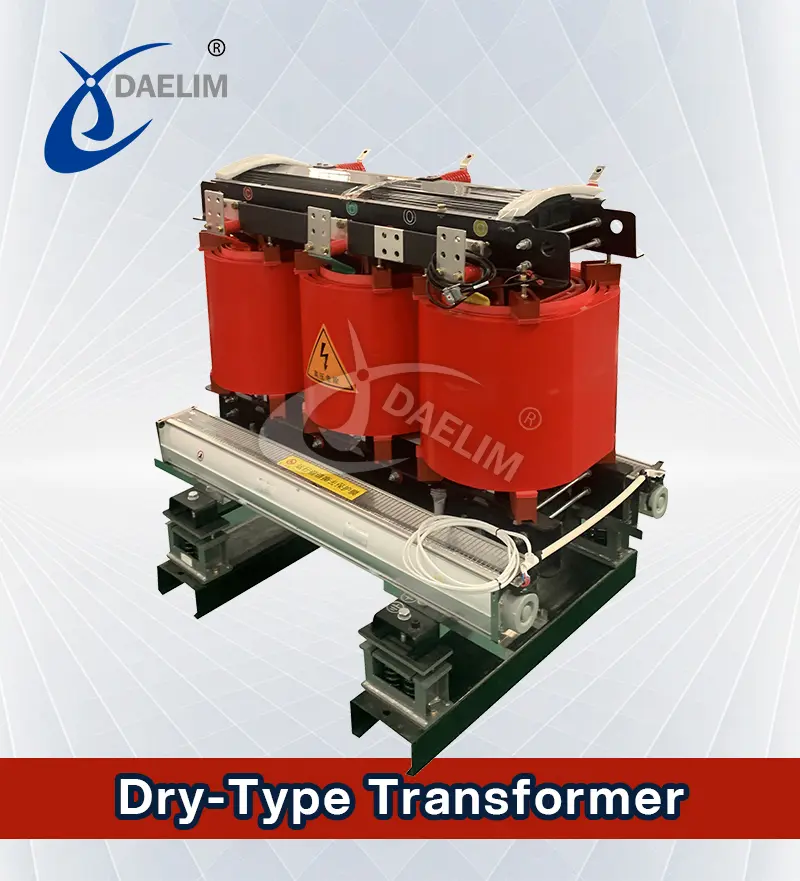
Different types of NEMA ratings available will determine the level of protection a dry-type transformer would need to withstand environmental conditions such as rain, dust, and snow. The rest are enclosures suited to indoor applications. Meanwhile, the rest can withstand both indoor and outdoor applications, making them quite versatile in terms of being applied anywhere your transformer needs it.
Understanding NEMA Enclosure Types for Transformers
All dry type transformer enclosures, regardless of their NEMA rating, are designed to protect against accidental contact with hazardous live parts. This guide provides a brief overview of the different NEMA enclosure types available for dry-type transformers, including examples of suitable applications for each type.
Protection | NEMA 1 | NEMA 3R | NEMA 3RX | NEMA 4 | NEMA 4X |
Corrosion | ❌ | ❌ | ✔️ | ❌ | ✔️ |
Circulating Dust | ❌ | ❌ | ❌ | ✔️ | ✔️ |
Hosedown & Splashing Water | ❌ | ❌ | ❌ | ✔️ | ✔️ |
Incidental Contact | ✔️ | ✔️ | ✔️ | ✔️ | ✔️ |
Falling Dirt | ✔️ | ✔️ | ✔️ | ✔️ | ✔️ |
Light Splashing Water | ❌ | ✔️ | ✔️ | ✔️ | ✔️ |
Rain, Snow and Sleet | ❌ | ✔️ | ✔️ | ✔️ | ✔️ |
Settling Airborne Dust | ❌ | ❌ | ❌ | ✔️ | ✔️ |
Windblown Dust | ❌ | ✔️ | ✔️ | ✔️ | ✔️ |
Types of Transformer Enclosures
Knowing about NEMA ratings helps a lot in the selection of the transformer enclosure. NEMA ratings indicate how well an enclosure is going to protect against dirt, water, and different weather conditions. It is like a checklist of what your enclosure has to face.
Examples of NEMA 3R enclosures include places with dusty environments and light rains. For locations that involve heavy rains and snowfall or are frequently hosed down, NEMA 4 and 4X will be used.
These NEMA 4 and 4X enclosures are designed for tougher environments, like where water would just easily pour into the transformer by a hose or even in a wet/dry application with plenty of moisture. Be creative when picking the enclosure because think about where it’s going and what kind of protection it needs to be there to keep that transformer looking brand-new and working properly.
Learn more: The Ultimate Guide to Electric Transformer
1. NEMA 1 (Indoor Use)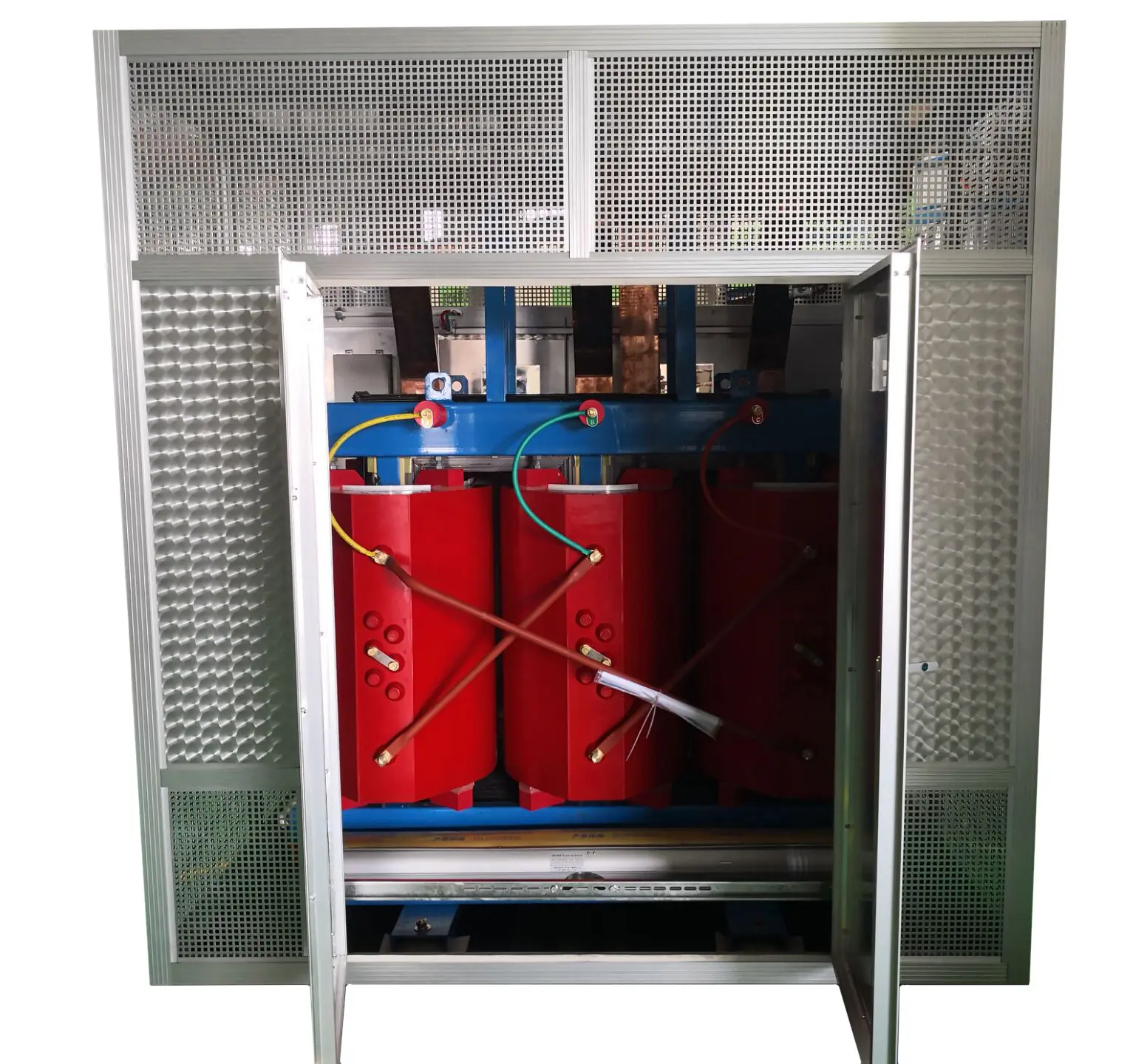
The lowest tier is NEMA 1 enclosures, with enclosures designed for interior application. They are generally applied for basic protection provided by a transformer against environmental agents, such as dust and dirt, that would abrade its parts, yet are not intended for application where water or an aggressive environment could be involved in low-risk applications within a controlled environment.
You will often see NEMA 1 enclosures in places such as factories, offices, and machine shops. They’re ideal for locations where transformers do not face problems like rain or high humidity.
This enclosure is practical and affordable and protects a transformer in locations where it will not likely come across much risk. In this case, remember the NEMA 1 enclosure is best used indoors for clean and dry environments!
2. NEMA 3R (Indoor and Outdoor Use)
NEMA 3RX enclosures are the most rugged option, especially if you expose them to moisture or a corrosive environment. Like NEMA 3R, they just have additional corrosion resistance. The stainless steel replaces mild steel to make NEMA 3RX enclosures not subject to rusting nor breaking with chemicals or excessive humidity.
These enclosures would be ideal for such installations as chemical plants, or near the ocean shore with much moisture in the atmosphere. If you are doing your work in a setup where a regular enclosure is going to rust away quickly, NEMA 3RX will keep your transformer protected and strong for quite some time. This is an excellent option where one requires both weather-proof and resistant to harsh conditions.
Learn more: Residential Transformer: The Small Green Electrical Box in the Neighborhood
3. NEMA 3RX (Indoor and Outdoor, Corrosion-Resistant)
If you need a moisture-resistant, humidity-proof, and even chemical-resistant enclosure, then NEMA 3RX is the best option. This type of enclosure gives you the same weather protection that a NEMA 3R offers but adds an extra degree of corrosion resistance. With stainless steel instead of the regular mild steel, NEMA 3RX enclosures are stronger and more resilient to rusting, thus less likely to decay over time, even when exposed to harsh conditions.
NEMA 3RX enclosures are ideal places where there is a large amount of moisture or chemicals in them. Such places would be chemical plants, warehouses, and factories situated in a very humid region of the area.
You will also find enclosures like this in coastal structures where salty sea air can rust overnight. These stainless steel enclosures are NEMA 3RX specifically designed to address the challenge of salty sea air or any other corrosion-causing agent.
4. NEMA 4 (Non-Ventilated, Indoor and Outdoor Use)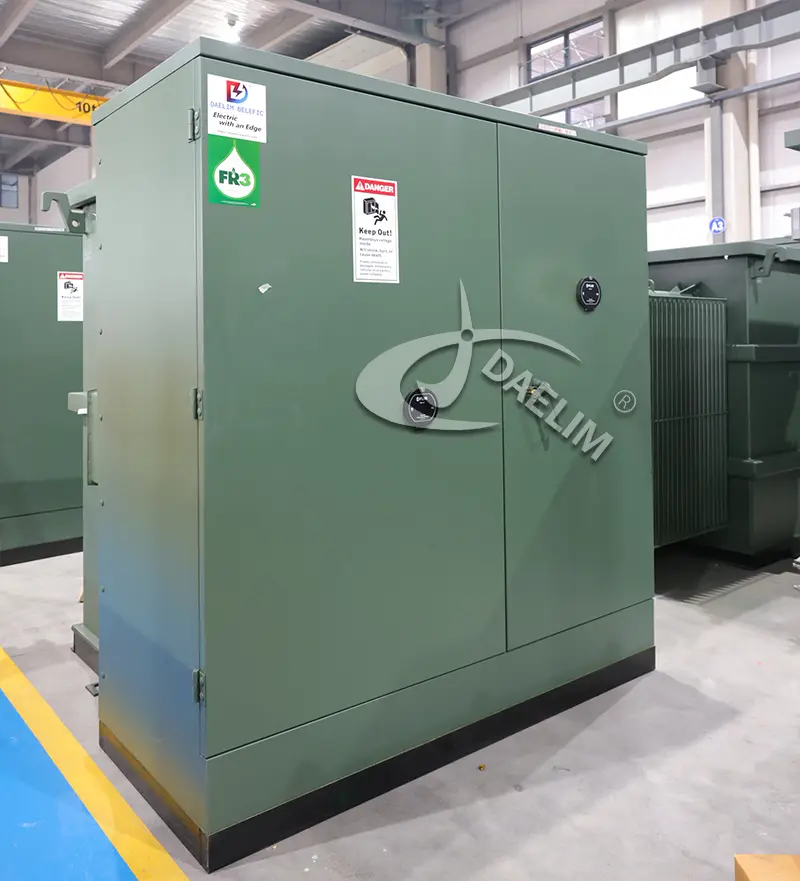
The NEMA 4 enclosures are sealed, hence very ideal for dusty, dirty, or wet environments. It would protect transformers from water splash, rain, or hose directed water from outside or even inside the room. For heavy exposure to wind-blown dust and flying debris in industrial or outdoor applications.
Since NEMA 4 enclosures are non-ventilated, they require more space around them to ensure proper dissipation of heat. So, they are larger and costly than others, like NEMA 3R, and occupy more installation space. NEMA 4 enclosures are the best for any application in a tough environment like a factory or construction zone to protect your transformer from the harsh environment and keep it running efficiently.
5. NEMA 4X (Non-Ventilated, Corrosion-Resistant)
NEMA 4X enclosures are as tough and rugged as NEMA 4, but they include corrosion resistance. They’re made of stainless steel rather than mild steel, making them ideal for environments where the regular steel might rust or break down.
A NEMA 4X enclosure protects your transformer from windblown dust, rain, snow, sleet, ice, and hose-directed water. Moreover, it seals to provide protection against corrosion and damage created by liquids.
NEMA 4X enclosures can be seen in a chemical plant, coastal, or any wet and damp location where moisture, salt, or vapors may raise concerns. The best would be for applications indoors and outdoors where extreme conditions tend to prevail. Whether on the oceanfront or chemical plants, NEMA 4X protects your transformer against harsh conditions and ensures it will be safe, reliable, and secure in the long term.
Learn more about :Substation Transformer Ultimate Guide, You Need To Know
Factors to Consider When Choosing a Transformer Enclosure
You should look into the following vital factors before finally settling on a specific transformer enclosure so that it can perform well and serve appropriately.
Environment
Will the transformer be indoor or outdoor? Outdoor enclosures have to withstand rain, snow, wind, and even salted air near the ocean. Indoor enclosures have dust, dirt, and scorching temperatures; therefore, the design must conform to the environment.
Level of Protection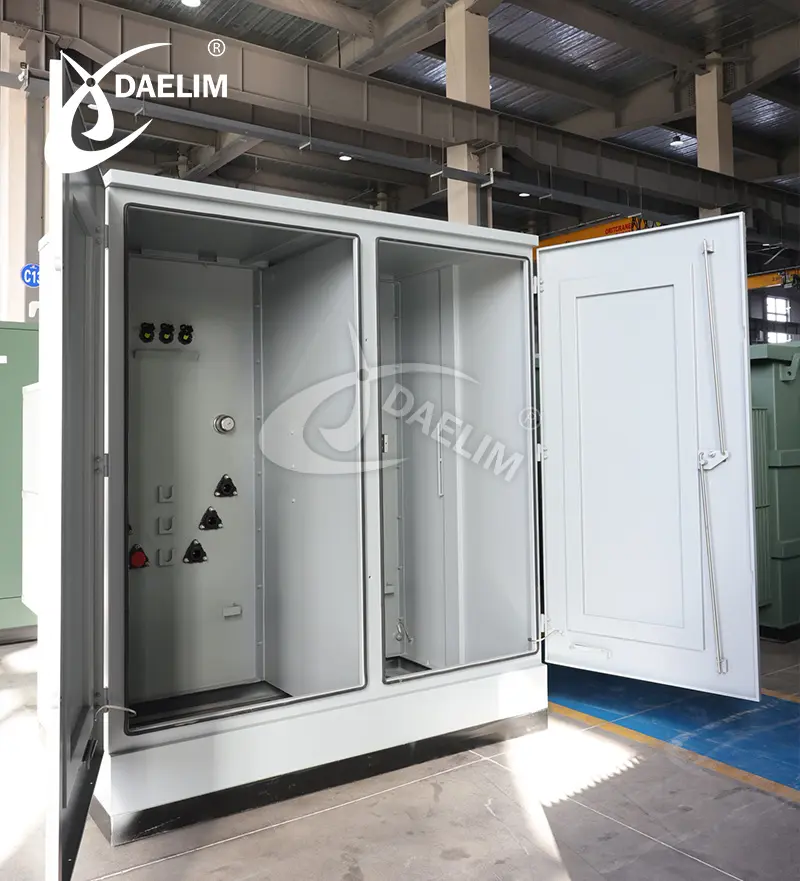
Transformer enclosures can be ordered with degrees of protection, such as NEMA ratings. Some are resistant to water and dust ingress. Others are resistant to corrosion or extreme weather. Choose an enclosure that suits your needs.
Material
The material of the enclosure does matter. The common material used is mild steel. However, stainless steel would work better in areas with moisture or salty air due to its resistance to rust and corrosion.
Temperature Control
Transformers are produced with heat, and thus ventilation or cooling should be provided. Select an enclosure that prevents overheating without excluding the transformer.
Maintenance Requirements
Imagine how easy it will be to maintain the enclosure. Some demand frequent cleaning or checks, especially in dusty or wet places.
Considering all these factors, one would choose an appropriate transformer enclosure, serving to protect equipment from costs and running for years.
Learn more about Transformer Size
Why Selecting the Right Enclosure Matters
- Protects the Transformer: The proper enclosure shields your transformer from dust, moisture, heat, and salty air that might destroy it.
- Ensures User Safety: It prevents accidental contact with live parts and keeps you and others safe from electrical hazards.
- Reduces Maintenance Costs: Proper enclosures lower wear and tear, helping you avoid frequent repairs or costly replacements.
- Extends Transformer Life: By resisting rust, corrosion, and weather damage, enclosures help transformers last longer and perform better.
- Meets Environmental Needs: Different environments require different enclosures. For instance, in coastal environments, stainless steel is normally used to fight rust.
Proper enclosures always ensure safety and durability, plus savings in the long run.
You may enjoy: Different Transformer Types and Their Applications
Conclusion
The matching of the enclosure to your project’s requirement is a must for making sure your transformer is safe, efficient, and lasts long. You can make the best selection for reliable protection by very carefully analyzing environmental factors, including dust, moisture, temperature and corrosion risks.
If you’re unsure which enclosure will work best for you, contact us at Daelim Transformer. We offer transformers with various enclosure types, such as stainless steel, carbon steel, and corrosion-resistant materials tailored to meet your diverse operational needs. Let us help you find the right solution for your project!


 English
 Polish
 German