
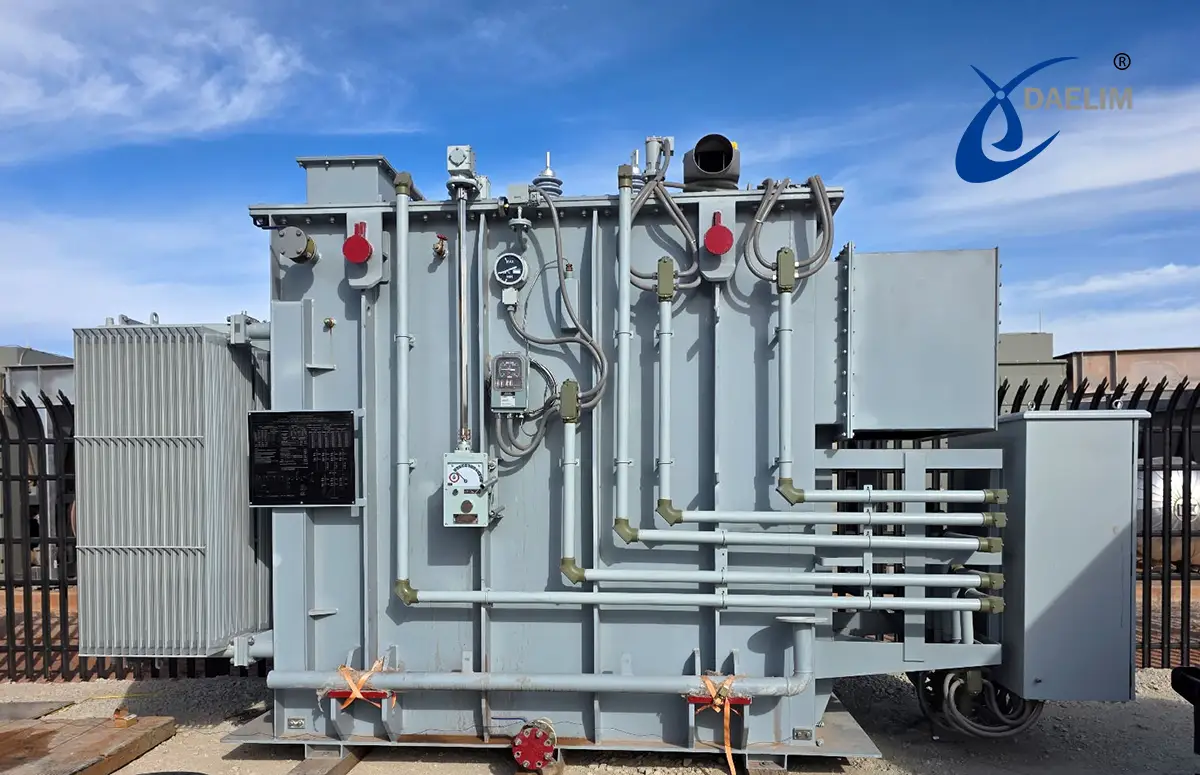
Transformers, both dry type and oil immersed, require precise temperature protection settings to ensure safe and efficient operation. Proper transformer thermal protection systems help maintain safe transformer operating temperature and conditions. This improves the overall transformer reliability in industrial and utility applications.
This article outlines the key aspects of temperature protection, insulation grades, allowable temperature rises, and specific settings for different types of transformers.
Temperature Protection Settings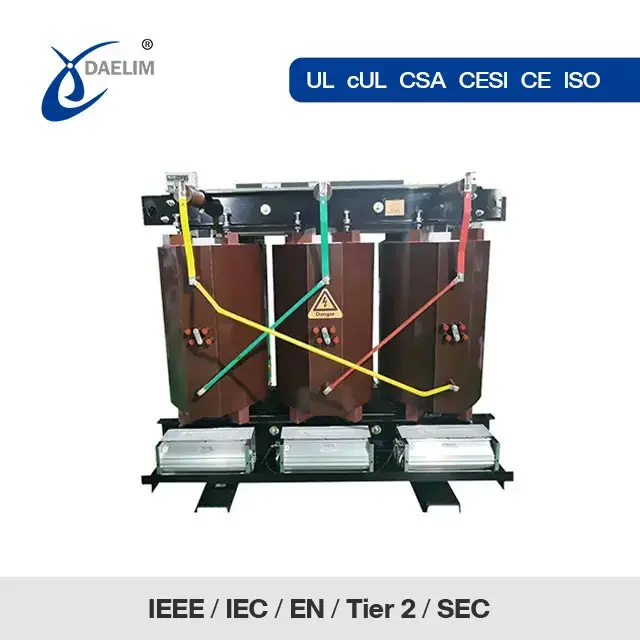
Dry type transformers generally trip at around 130°C, while oil-immersed transformers trip at around 90°C. It can be said that these are by default or design settings for the electrical transformer. These transformer winding temperature trip settings and transformer oil temperature trip setting are very important design aspects of a transformer.
This is because they are designed to work for transformer protection specially to protect transformer insulation and prevent any overheating event during operation during peak loading condition.
The ambient temperature specifications for transformers are a maximum of 40°C, a minimum of -25°C for outdoor transformers, and a minimum of -5°C for indoor transformers. It is very important for an electrical transformer to maintain a correct transformer temperature and transformer oil temperature for an extended transformer service life and ensuring stable operation under varying operating loads.
Transformer Insulation Grades and Temperature Rise
The insulation grade of a transformer refers to the heat resistance grade of the insulation material used. The transformer insulation class is not a measure of insulation strength but a standard for allowable temperature rise. The insulation grades and their corresponding temperature standards are:
Grade A: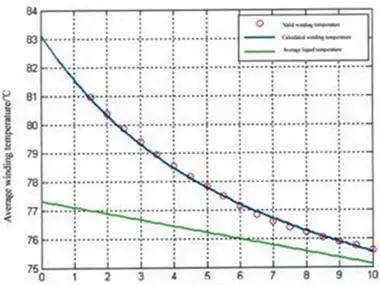
Maximum allowable temperature 105°C, winding temperature rise limit 60°C, performance reference temperature 80°C
Grade E:
Maximum allowable temperature 120°C, winding temperature rise limit 75°C, performance reference temperature 95°C
Grade B:
Maximum allowable temperature 130°C, winding temperature rise limit 80°C, performance reference temperature 100°C
Grade F:
Maximum allowable temperature 155°C, winding temperature rise limit 100°C, performance reference temperature 120°C
Grade H:
Maximum allowable temperature 180°C, winding temperature rise limit 125°C, performance reference temperature 145°C
The difference between the transformer’s temperature and the ambient air temperature is known as the temperature rise of the transformer. The “rated temperature rise” on a transformer nameplate indicates the temperature increase due to the heat generated during operation, compared to a “standard environment.”
The transformer winding temperature range and transformer oil and winding temperature range must remain within the allowable limits of the selected transformer insulation class to prevent accelerated aging of insulation materials.
Standard Environment Temperature
In China, the standard environment temperature is set at 40°C. This provides a unified reference standard for using transformers in various locations and seasons. The standard ambient operation conditions also help to define the acceptable or allowable transformer operating temperature during peak and continuous operations.
Temperature Settings for Dry Type Transformers
The start-stop and over-temperature alarm values of a dry-type transformer thermostat should be set according to the transformer’s insulation level. The principle is to ensure that the temperature does not exceed the maximum allowable temperature.A properly designed and integrated transformer winding temperature alarm and trip setting are essential for dry type transformer thermal protection.
For example, for F and H grades:
Grade F:
- Fan start: 95°C
- Fan stop: 75°C
- Over-temperature alarm: 110°C
- Over-temperature trip: 130°C
These above-mentioned transformer winding temperature alarm and trip settings are commonly used in dry transformers operating under medium and high loading conditions.
Grade H:
- Fan start: 105°C
- Fan stop: 85°C
- Over-temperature alarm: 130°C
- Over-temperature trip: 150°C
These transformer winding temperature trip settings can be adjusted based on actual conditions, transformer loading, and ventilation requirements.
Low Temperature Settings for Oil Immersed Transformers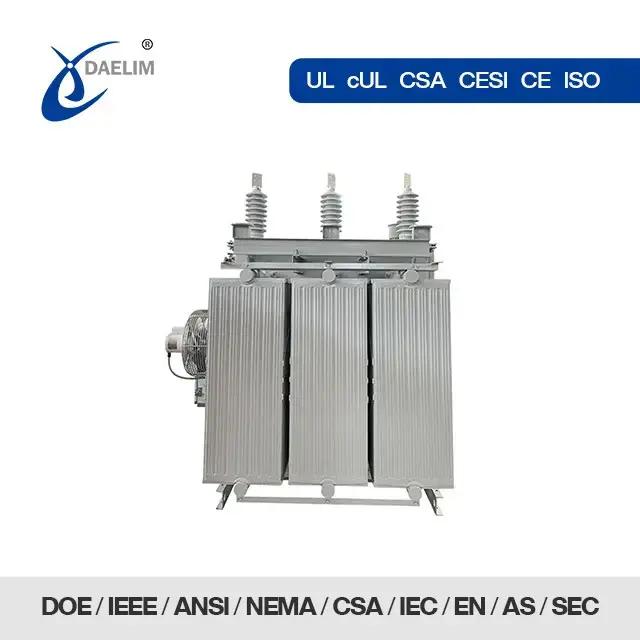
Oil immersed transformers often use Class A insulation, with a maximum heat-resistant temperature of 105°C. The winding temperature during operation is typically 10-15°C higher than the average temperature of the upper oil. Thus, when the upper oil temperature reaches 85-95°C, the winding temperature is approximately 105°C.
Prolonged operation at this extreme temperature can lead to insulation aging and accelerated deterioration of the insulating oil, reducing the transformer’s service life. Maintaining the correct transformer oil temperature range is therefore critical for the transformer performance, reliability and efficiency.
Recommended settings for oil immersed transformers
- Fan start: 65°C
- Fan stop: 55°C
- Over-temperature alarm: 80°C
- Over-temperature trip: 90°C
The above mentioned transformer oil temperature alarm and trip settings are specially designed for the oil immersed transformer temperature protection and are widely used in the industry as well. The proper transformer oil temperature trip settings work to prevent any overheating of the transformer that can result in insulation damage and premature oil degradation.
Transformer Oil Grades
The grade of transformer oil is determined by its freezing point:
- No. 10: Freezing point not higher than 10°C
- No. 25: Freezing point not higher than -25°C
- No. 45: Freezing point not higher than -45°C
Selecting the correct grade of the transformer oil according to your application and power rating of the transformer will help maintain a stable oil temperature in transformer specially in extreme environmental conditions.
Use of FR3 Fluid in Cold Climates
For regions with very cold climates, vegetable oil-based insulating fluids such as FR3 are recommended. FR3 fluid can maintain its dielectric properties at temperatures as low as -50°C (-58°F), making it suitable for harsh environments where traditional transformer oils may not perform effectively.
By adhering to these temperature protection settings and maintenance practices, the operational safety and lifespan of transformers can be significantly enhanced. Having a proper control of the transformer temperature, transformer winding temperature range and the transformer oil temperature range is essential for having a long term transformer efficiency and reliability of its operations.
Conclusion

Having a specifically designed Transformer protection system for the Electrical Transformer design for your specific application is essential to maintain safe Transformer operating temperature and prevent any type of insulation damage. This can also help extend equipment life. By applying the correct Transformer winding temperature alarm and trip settings you can improve your Electrical Transformer reliability, efficiency, and thermal performance in extreme environmental conditions and peak loading scenarios.
For further information or specific inquiries, please contact Daelim Transformer.
FAQ
Why does transformer need temperature protection systems?
Electrical transformers when being operated produce a lot of waste heat and if that heat exceeds the limit, the entire transformer can blow. To prevent that from happening, they need a temperature protection system.
What role does cooling play in maintaining transformer stability?
The cooling system works with a temperature protection system to remove waste heat and never make it reach the point where it can disturb the operation of the transformer thus adding stability to its operations.
 English
 Polish
 German