
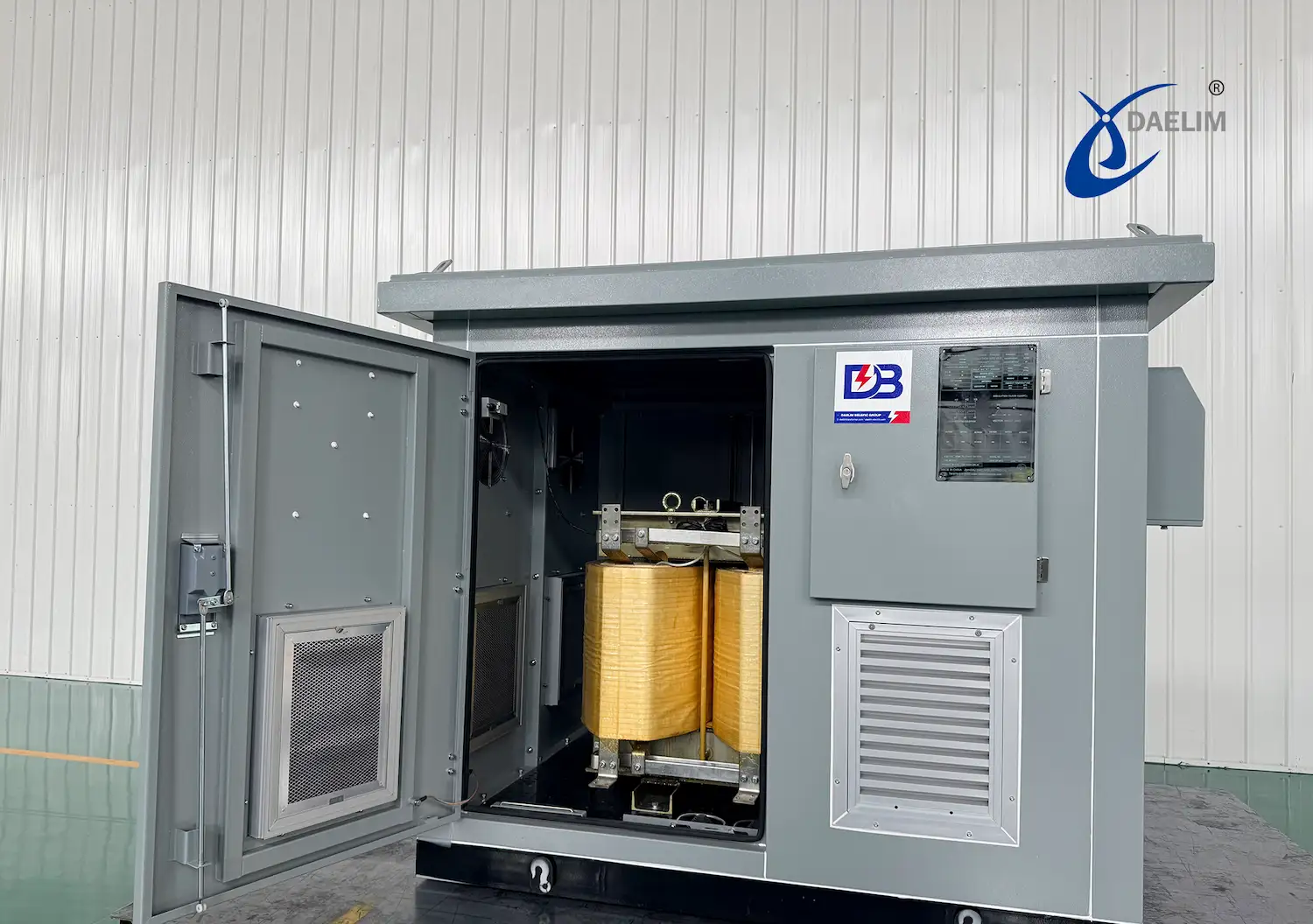
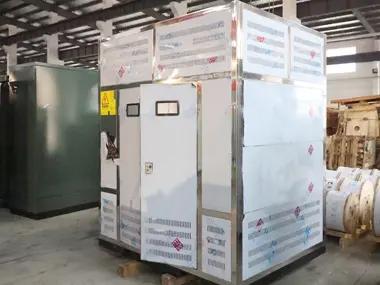
An indoor transformer is designed to operate safely inside a building or a facility instead of operating outdoors. Many modern projects including data centers and other industrial facilities prefer indoor transformers because they help to reduce fire related risks and make the installation easier. This article explains what indoor transformers are and the common dry type transformer options available in the market. This will also explain how they are installed, and why choosing the right one is important for keeping your project safe and on schedule.
Indoor transformers are designed to be installed inside enclosed spaces such as electrical rooms or basements. Unlike outdoor units, they do not require protections for heavy weather which makes them more compact. Many people think transformer units always need to be installed outside, but indoor transformers are best when you want the equipment close to where the power is being used. As a result, this can help reduce the use of long cables and lower the risks of voltage drop problems.
Why Choose Indoor Type Transformers?
The main reasons for choosing an indoor transformer is because of safety and convenience. The traditional way of installing large oil-filled transformers outside a building is not always practical for modern facilities. While oil filled units work well outdoors, using them inside a building creates bigger safety concerns because of fire risks and possible oil leaks.
Indoor transformers, especially dry type transformers, help reduce these risks. They can also help avoid the need of expensive fire protection systems or adding special containment systems, which can save a lot of money in the long run. They are also easier to secure and monitor. For example, data centers that are utilizing dry type transformers allow the equipment to be installed near the server rooms or racks, which helps to improve efficiency. However, proper planning when it comes to space and ventilation of the unit are still important for the beginning.
Indoor Dry Type Transformer: The Most Common Choice
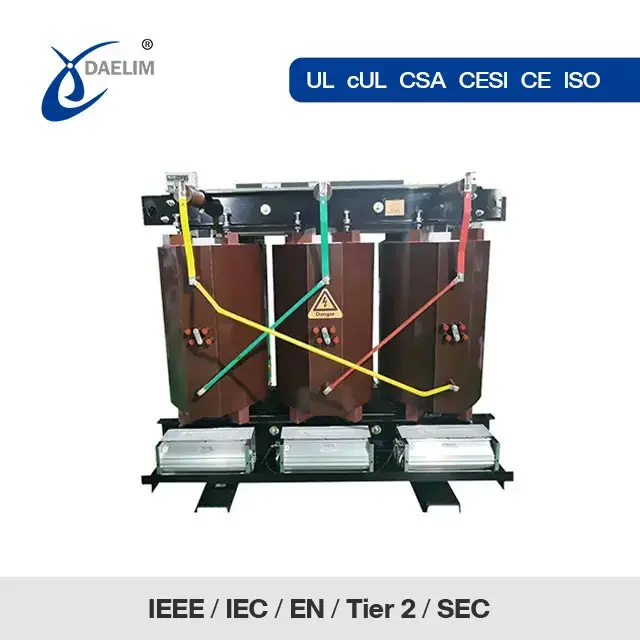
The term “dry type” is more of a general term that includes different insulation methods. You can notice it when you start comparing your transformer options for your project. Choosing the wrong type can lead to problems like overheating and reduced performance, which can also lead to equipment wearing out earlier than expected.
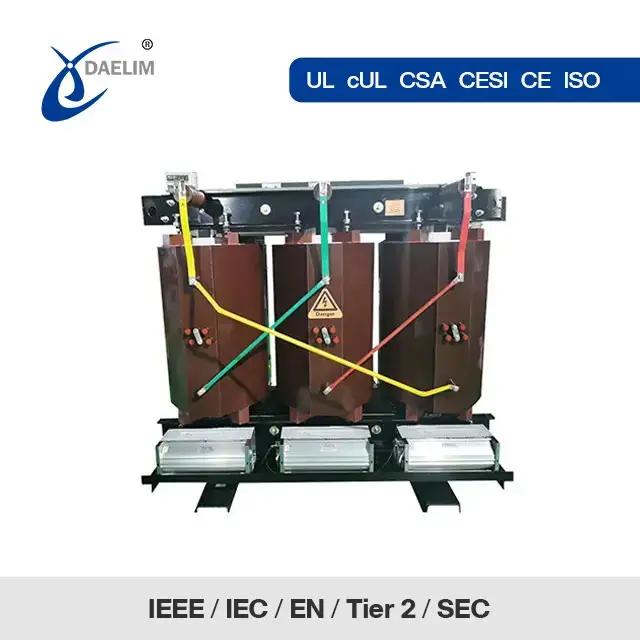
All dry type transformers use surrounding air for cooling instead of liquid oil. The way the internal windings of the unit are designed by the manufacturers can make a big difference in performance and reliability. For many modern building projects, dry type transformers are often one of the top choices for indoor power systems.
Learn more about Dry Transformer
Types of Dry Type Transformer
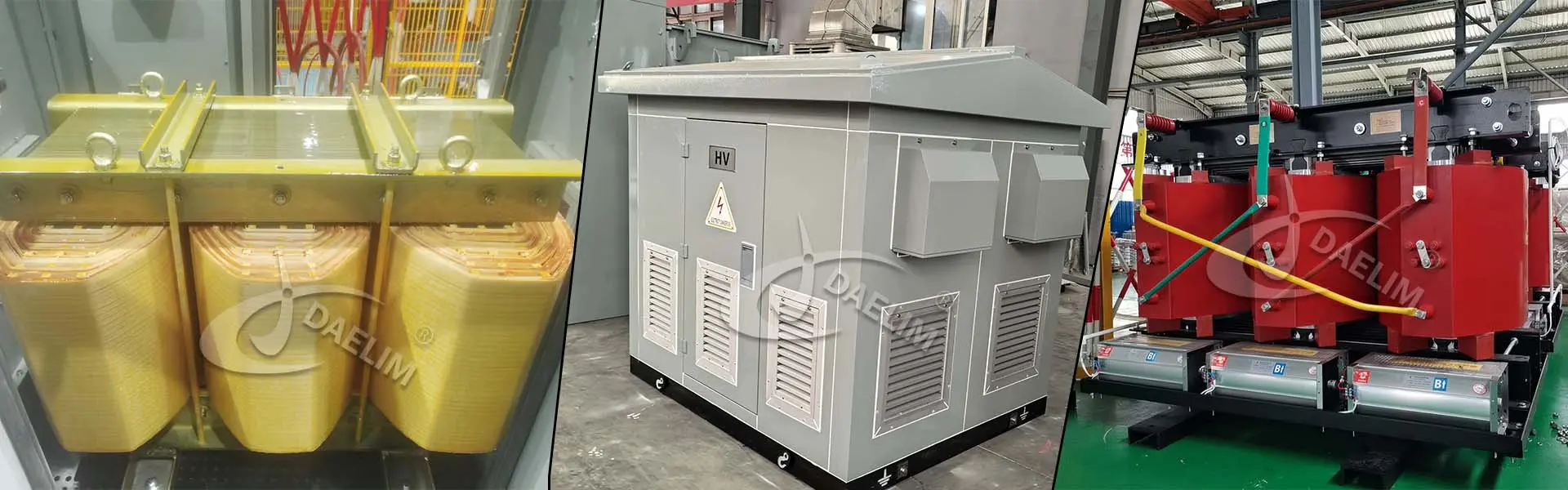
There are a few common types of dry type transformers you will usually see:
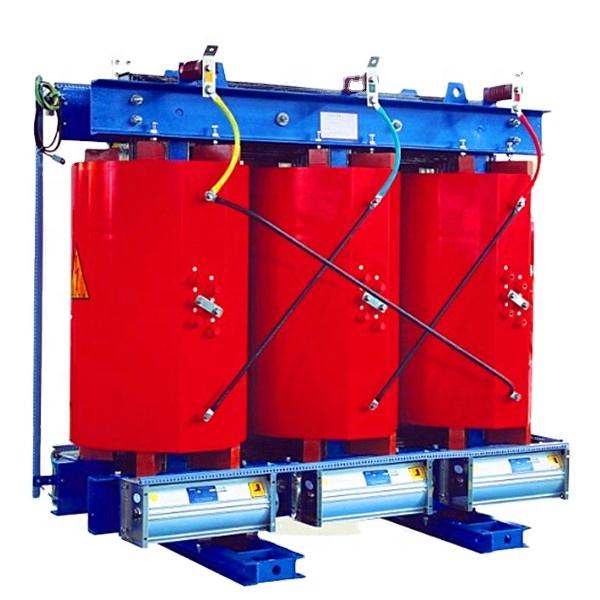
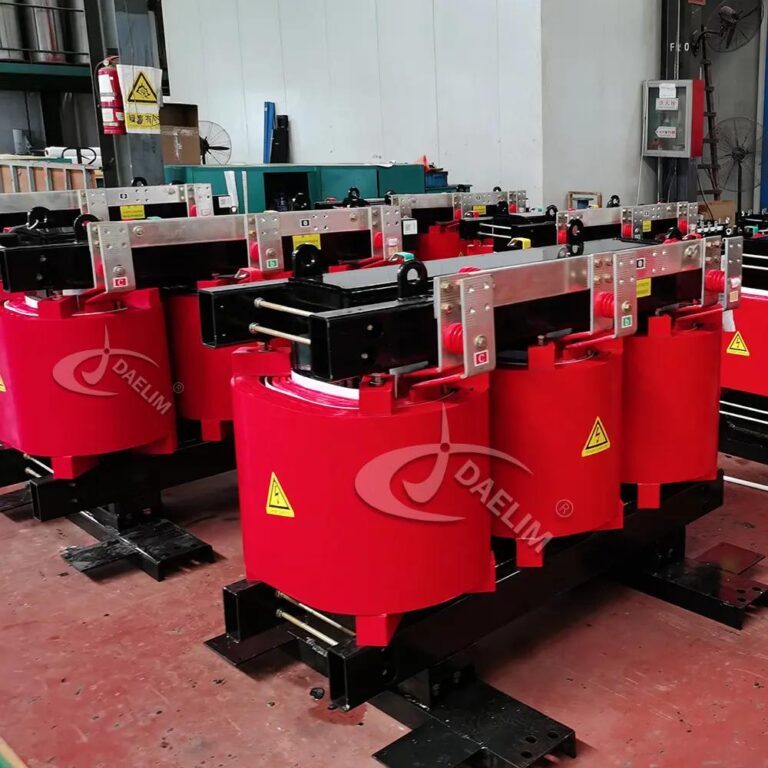
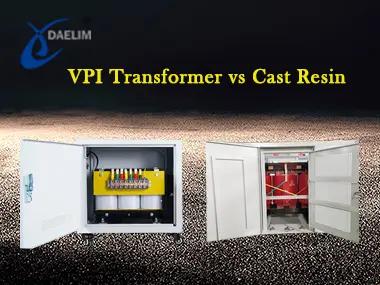
- Cast resin transformers: The windings are fully sealed in epoxy resin which gives a strong protection against moisture and dust.
- Vacuum Pressure Impregnated (VPI) transformers: Resin is applied under vacuum and pressure to improve insulation and mechanical strength.
- Vacuum Pressure Encapsulated (VPE) Transformers: Multiple layers of resin are used for coating to provide better protection against humidity and dust or other contaminants.
- Open wound or ventilated transformers: These rely on natural air circulation for cooling and are often used in cleaner indoor environments.
Looking at these different systems side by side will help you visualize where each of these fit best. Every project has a different priority or requirements. For example, some projects require the lightest transformer weight for their indoor application. while others need total protection from moisture and dust.
| Transformer Type | Environmental Sealing | Relative Cost Profile | Weight & Footprint | Optimal Installation Zones |
| Open Wound | Low protection; open to dust | Highly economical | Lightest & compact | Clean, climate-controlled utility rooms |
| VPI System | Moderate; varnish prevents basic moisture | Balanced / Moderate | Medium weight | Standard commercial buildings, clean plants |
| VPE System | High; thick silicone layer blocks moisture | Mid-to-Premium | Medium-to-Heavy | Damp utility rooms, coastal zones, ships |
| Cast Resin (CRT) | Very High; totally sealed in epoxy | Premium investment | Heaviest & bulkiest | Data centers, hospitals, damp basements |
Dry Type Transformer Installation Basics
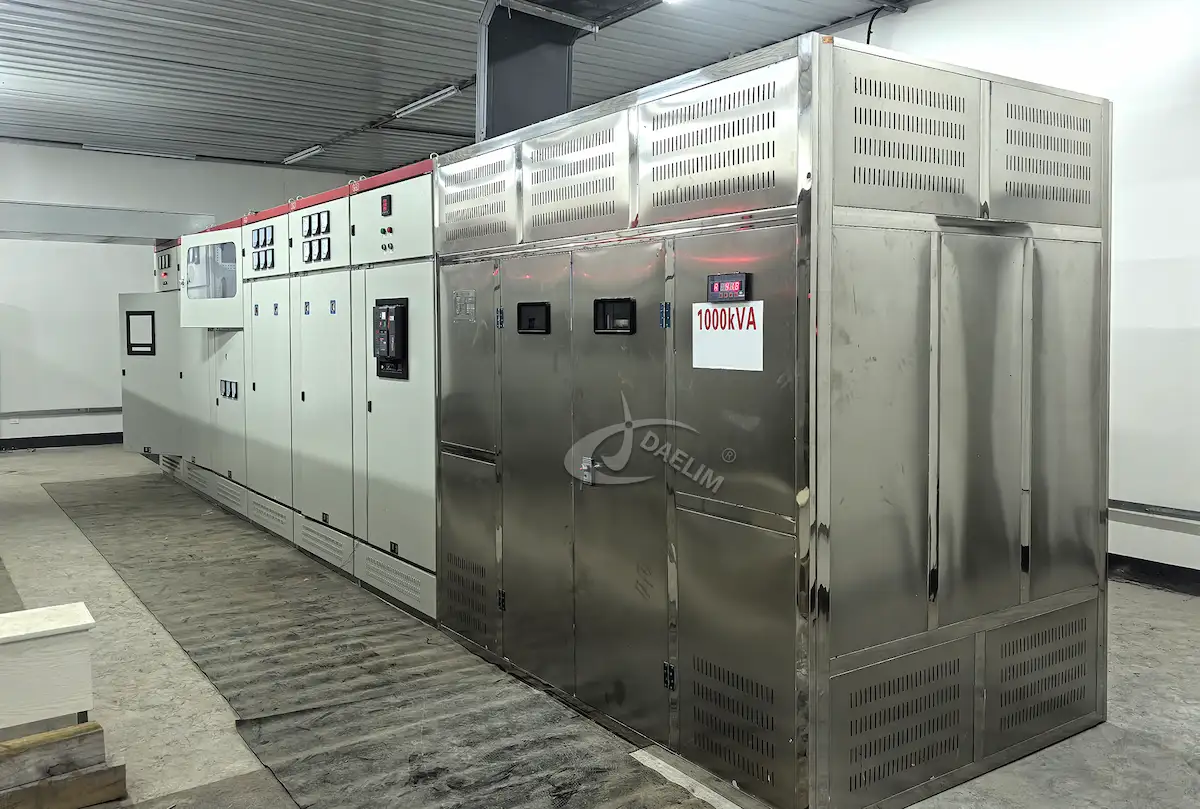
It is generally straightforward when it comes to dry type transformer installation. However, it is still important to have better planning and execution when performing at this stage. The unit should be placed first in a flat or strong foundation like concrete pad or steel frame that can support its weight.
Airflow and maintenance access should always be considered before or during installation. The transformer can easily overheat and reduce its performance if air is not effectively flowing so enough space must be left around it in order for air to circulate and use it for cooling.
For example, think of a running laptop that is placed inside a closed environment. You may notice that it heats up very quickly. That is because there is not enough air flowing inside the laptop. The same thing can happen with a transformer if there’s not enough air flowing in its place.
Key Considerations for Indoor Transformer Installation
- Location and space: Install your transformer unit in a dry and clean place away from dust and any chemicals. Avoid areas that have high humidity.
- Clearances: Proper distance or clearance from wall or any nearby equipment shall be maintained inside the facility. This is to avoid any risks during operation.
- Mounting: Make sure your transformer is securely installed to handle vibration during operation.
- Noise: Humming noise is common in dry type transformers. A special treatment may be needed if the room is near occupied areas.
- Accessibility: Enough space should be left for easy inspection and maintenance. Additionally, it will help perform daily routine checks of the unit.
These decisions can directly affect the construction timeline especially for data center projects. Not having enough planning for the transformer installation or not considering the proper ventilation can lead to redesigning or failing in inspections. It can also cause delays during commissioning when the facility is already preparing to go live.
More Resource
Step-by-Step Guideline On Installing A Transformer
Technical Requirements for Transformer Installation
How Indoor Transformers Impact Your Project Timeline
When managing a large commercial project, a big part of the schedule depends on the main power system. The transformer acts as the main entry point for electricity in the facility. Because of this, many teams on the project cannot fully continue their work until the power system is installed and energized safely.
Choosing the right indoor transformer in early stages of your project helps avoid problems later on. Selecting the wrong type or having poor installation planning can lead to several changes in terms of design and extra permits. Furthermore, delays can also occur due to adjustments in the ventilation or cooling system.
In projects like data centers, every week matters. Using a compliant indoor dry type transformer and being installed correctly can surely help shorten the project timeline. It also reduces delays in inspections and helps project contractors continue work without any interruptions.
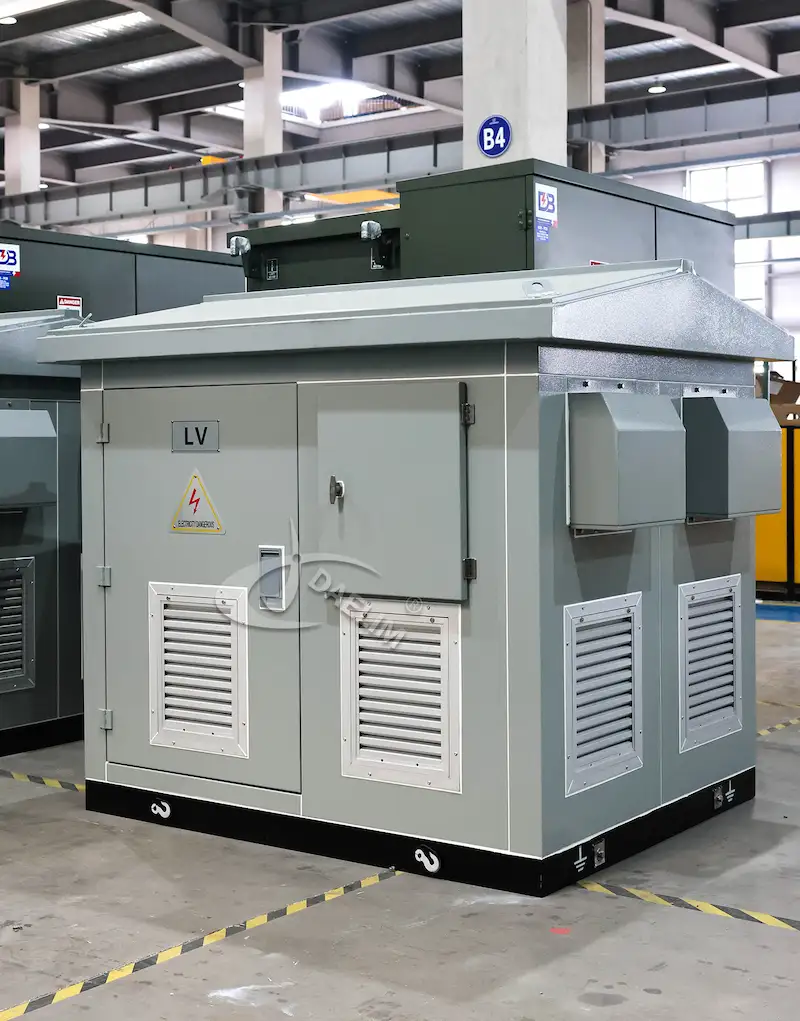
Understanding the Standards: What IEEE, NEMA, and CSA Mean for Your Project?
Understanding all the transformer related standards can feel overwhelming. Ignoring them can cause delays in your project and can incur additional costs in the future. Compliance in the electrical codes and standards are important to make sure the equipment is safe and reliable.
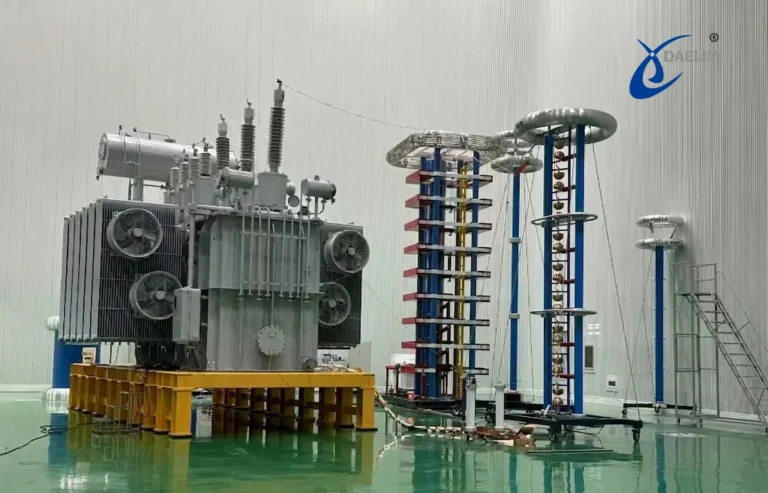
One important standard is IEEE C57.12.91. It explains how dry type transformers should be tested to confirm if they can operate safely under normal conditions and heavy electrical loads. It includes procedures for checking performance and overall reliability. If a supplier cannot perform tests and provide reports based on this standard, it may cause problems especially in the approval of the unit to operate and connect to the electrical grid.
Another important part of an indoor transformer installation is the enclosure around the unit. The standard for enclosures follows NEMA standard ratings. Indoor transformers do not need protection from heavy rain. However, the enclosure should still protect the equipment from accidental contact or any falling objects. It should also protect the equipment from small water drips from overhead pipes.
Finally, if your project is located in Canada, you must follow CSA C22.2 standard. The Canadian Standards Association or CSA includes sections discussing fire related safety and electrical equipment used in commercial and public buildings. A transformer that complies with the standard can help avoid delays during inspections and make the approval process smoother.
More Resource
The Ultimate Guide To IEC 60076 Standard
Ultimate Guide To IEEE C57 Standard
CSA C88 Standard For Power Transformers
Pad Mounted Transformer CSA C227.4 National Standard of Canada
CSA C227.3 For Single Phase Pad Mounted Distribution Transformer
Why Compliance in Standards Keeps Your Facility Safe and Reliable?
Safety standards are not just created for paperwork and simple compliance. It is important to make sure that your transformer unit is safe and reliable to operate. When an indoor dry type transformer complies with the industry standards and certifications, it means that the unit has been tested and able to handle any operating conditions.
Utilizing a transformer unit that is non-compliant may be cheaper but it can create risks as the time passes by. Problems including overheating, failure in insulation, or even unexpected shutdowns which will incur additional costs for repair or even redesigning.
Conclusion
Selecting a transformer unit for your project is more than just choosing equipment. It is considered as an important decision that affects safety and efficiency. Additionally, effective planning for your transformer will dictate on how smooth the project moves toward completion. With projects having tight schedules, a properly planned indoor transformer installation can help avoid delays and keep the project on track.
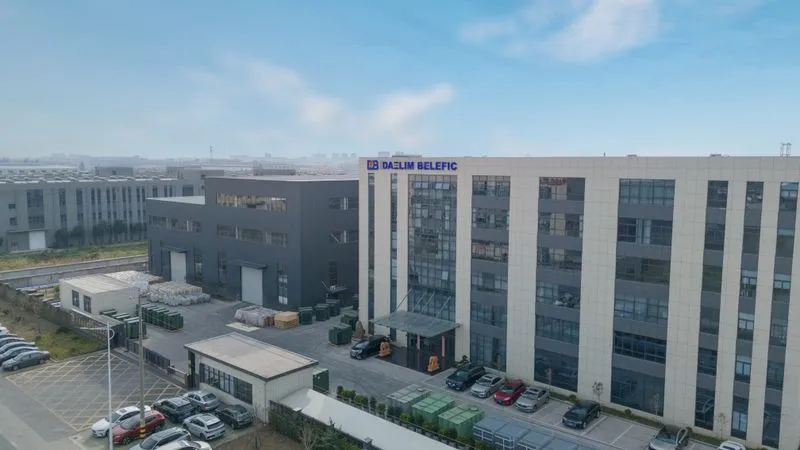
Daelim Transformer has extensive experience supplying indoor dry type transformers for industrial, commercial, and data center projects across North America and other global markets. Their products comply with major international standards such as UL, CSA, and CE. Ready to find an indoor transformer solution that fits your project needs? Contact Daelim Transformer today for expert advice on indoor type transformer selection and customized power solutions.
FAQ
What is the main difference between indoor and outdoor transformers?
Indoor transformers are designed for indoor environments and usually do not require heavy weatherproof enclosures. Outdoor transformers, on the other hand, must withstand any weather and changing temperatures. They are often larger and more expensive because of the added weather protection.
Can dry type transformers be installed outdoors?
Some indoor transformers can be used outdoors if they are installed with proper protective enclosures but it is recommended to keep them indoors for better performance and longer service life.
How important is ventilation for indoor dry type transformer installation?
Proper ventilation is very important for dry type transformers. They rely on air to cool their windings, so if airflow is limited, operating temperature can rise and can cause the transformer unit to shorten its lifespan.
 English
 Polish
 German