

Transformers are indispensable to a constant power supply for homes, schools, and workplaces. Proper care needs to be administered to the transformer for long-term storage, six months or more, to retain its state and high level of preparedness.
In this article, we will outline the major steps that guarantee safe storage of transformers to avoid damage and keep them reliable for use at later dates without wasting unnecessary costs and repairs.
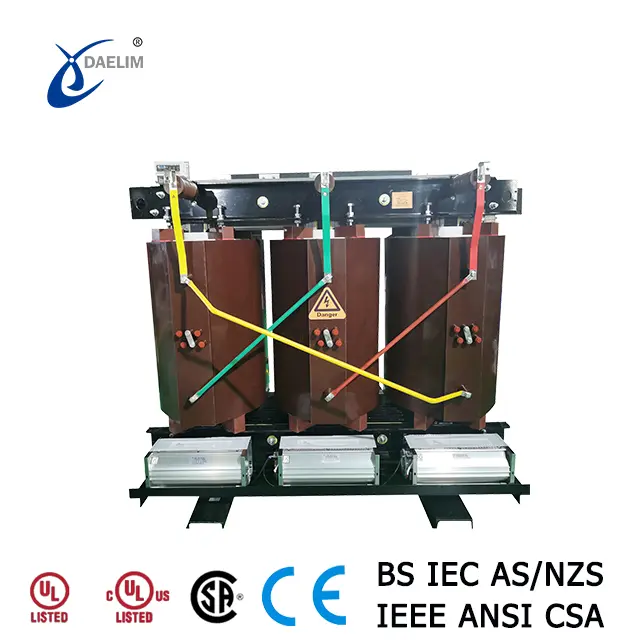
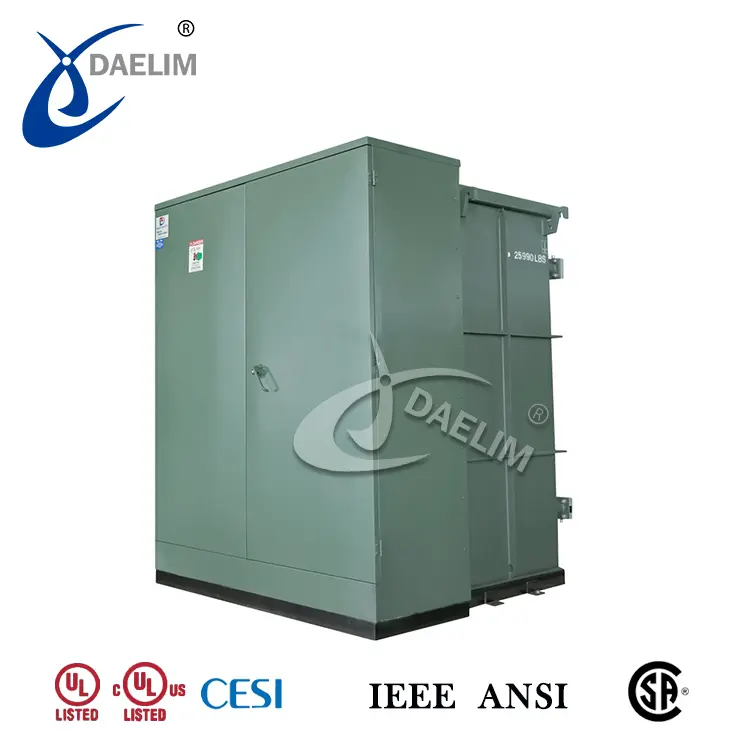
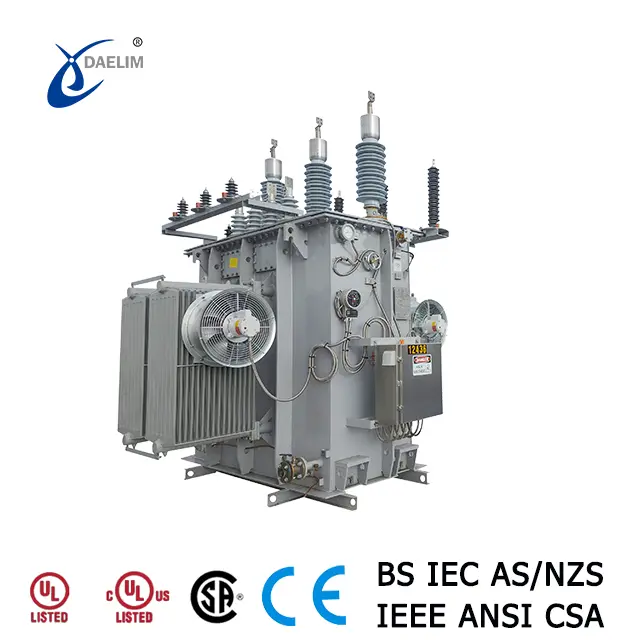
Choosing the Right Location for Transformer Oil Storage
Proper storage of your transformer is very important to ensure it stays in good condition and is ready for use when it will be required. A well-thought-out storage plan starts from a proper location. Here is how to ensure safe and effective storage of your transformer:
1. It is mounted near the installation location
Store a transformer near its point of application for easy access to it if need be. Much time and energy spent in moving around can be saved once it has to be placed into use. Easy access guarantees smooth deployment, especially in critical instances requiring immediate deployment when the second counts.
More resource: Step-by-Step Guideline On Installing A Transformer
2. Provide ample coverage
Transformers, including dry-type transformers, shall be stored indoors. Adverse weather such as rain, snow, and sunlight may damage its structure. Continued exposure may cause corrosion and damage to its insulation and ultimately reduce the whole lifespan.
If it cannot be stored indoors, then a good outdoor shelter or weatherproof covering would be adequate. Just ensure that the transformer is kept ventilated so that moisture does not get trapped under the cover.
3. Prevent Extreme Temperature Fluctuation
The most sensitive in transformer storage boxes is stability temperature, thus capable of accumulating moisture by way of condensation owing to large temperature fluctuations damaging parts within and deteriorating insulating materials in transformers.
Choose a location that maintains a constant temperature throughout the year. The most ideal locations will be indoors such as warehouses or climate-controlled storage facilities. If there is no other alternative but to place it outside, use thermal blankets or enclosures to at least keep some form of temperature around the unit.
4. Indoor vs. Outdoor Storage:
Your choice between indoor and outdoor storage will be based on the type of transformer:
- Outdoor Storage: Any outside storage must have appropriate protection with waterproof covers and platform at sufficient height to elevate transformers out of flood waters, should indoor storage not be feasible.
- Indoor Storage: Indoor storage offers superior protection for transformers, shielding them from adverse weather conditions like rain, snow, and direct sunlight. It is ideal for ensuring stable environmental conditions, such as temperature and humidity, which are crucial for maintaining the transformer’s insulation and overall integrity. However, it’s important to ensure the storage area has adequate floor capacity to support the weight of the transformer, and the area should be free from environmental hazards like potential oil spills or fire risks. Additionally, indoor storage helps prevent UV damage to exposed components and reduces the likelihood of rust or corrosion on the transformer.
Additional Tips for Transformer Storage
Seal All Openings
Seal all of the transformer’s openings, vents, and valves before storing it. This action seals off entry and damage due to entry and effects from dust, water vapor, and rodents subsequently.
Use Desiccants or Heaters
Install desiccants inside the transformer or use inbuilt heaters available to maintain the inner environment dry from the entrance of moisture. This tool is highly important for damp or wet climatic conditions.
Lift the Transformer
Mount the outdoor transformer at a raised level so that it will not contact damp ground moisture. This prevents the transformer from being subjected to flooding or heavy rainwater flooding.
Regular Inspections
Storage does not mean forgetting the transformer. Schedule regular checks to look for signs of rust, leaks, and seal damage. This will help catch problems early before you need to spend money on a more expensive repair or even replacement.
Try for free: What inspections are required before the transformer is put into operation?
Why Location Matters
Right storage location will make the entire process easy, but most importantly, it will ensure the lifetime and reliability of your transformer. A transformer, when protected properly, has minimal chances of being damaged or deteriorated; hence it can work to its full extent at any given time.
This keeps the transformer closer to the installation site and under cover within a stable temperature environment, so it’s ready for successful operation for a long time. Whether stored for a few months or some years, you are then ensuring that you get maximum utility out of your investment.
Special Storage Considerations for Different Transformer Types
Store ventilated dry-type and sealed liquid-filled transformers with proper care if stored over a long term. Each has different requirements:
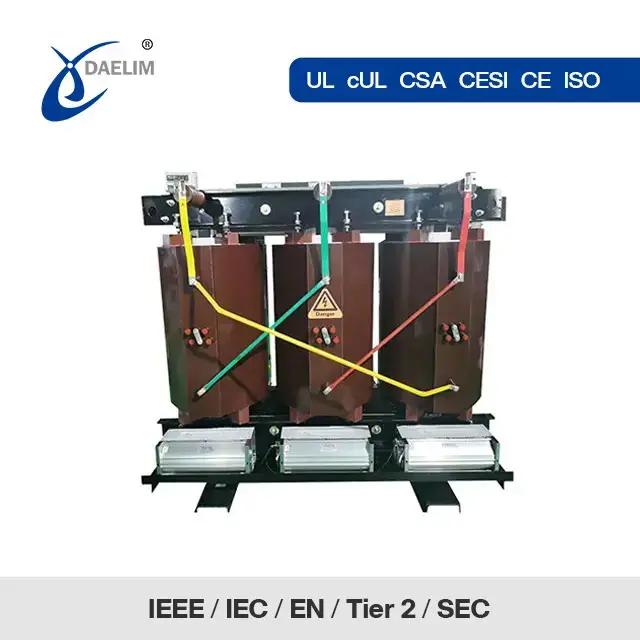
- Dry-type transformers: They are sensitive to moisture, being open ventilated and require clean, dry atmosphere and ventilation with proper storage.
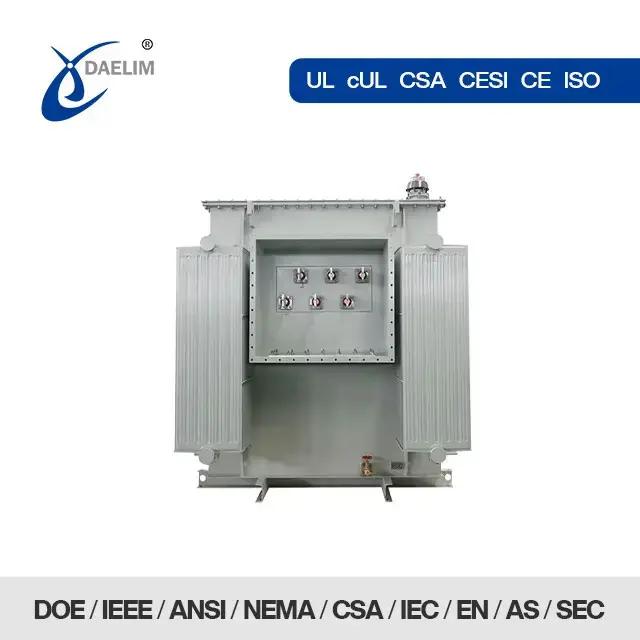
- Liquid-Filled Transformers: They consist of sealed tanks making them relatively easy to store. However, they should not be without protection lest the oil degrades while maintaining the pressure of nitrogen.
More resource: Different Transformer Types and Their Applications
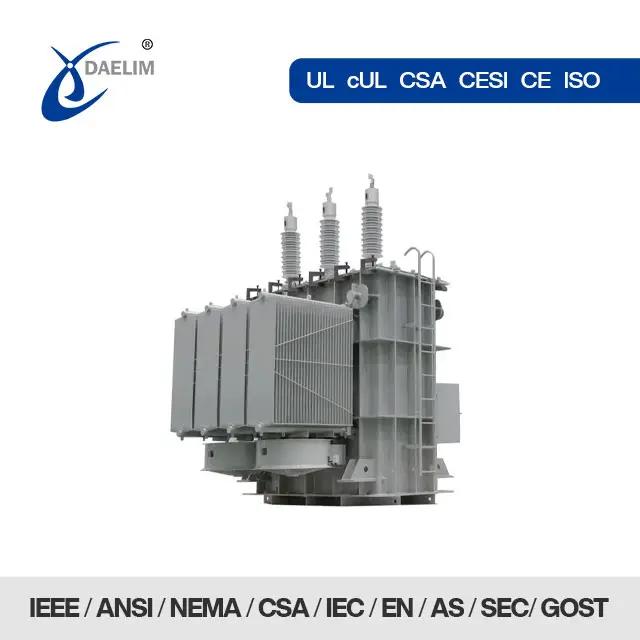
How to Store Liquid-Filled Transformers Safely
Transformers are crucial for continuous smooth operation of power systems, but if they are stored for a long time then proper care is required. Given below are the key practices in long-term storage success:
Maintain Nitrogen Pressure
Keep your transformer under 2-3 psi of nitrogen pressure. Transformers are often shipped with a nitrogen blanket cover, which keeps them under their shipping pressure in storage. Take pressure readings quarterly and catch leaks or anomalies early.
If the pressure gauge reads at zero, there could be an air leak which may need direct trouble-shooting. The transformer must withstand both positive as well as negative pressure requirements especially in places where temperature extremities exist.
Oil Level Maintenance
Store the transformer with oil at factory-filled levels to avoid oxidation and contamination of the internal components. After bringing the transformer into service, check the oil level and test for moisture content if desired for the optimal functioning of the transformer.
Reading more: How to analysis of gases and check oil level in transformer?
Avoid Temperature Fluctuations
Extreme temperature changes will damage transformers because expansions or contractions can break seals and break parts of the transformer. Thus, store these units in locations that have stable temperatures indoors or outdoors to minimize stress on the equipment.
Pre-Service Testing
Critical maintenance and diagnostic tests should be conducted before returning a transformer to service from long-term storage. Among the critical tests:
- Transformer Turns Ratio (TTR)
- Insulation Resistance (Megger)
- Winding resistance
Checking for moisture in the oil is also good as low insulation resistance readings may indicate water contamination.
More resource: How to test a power transformer?
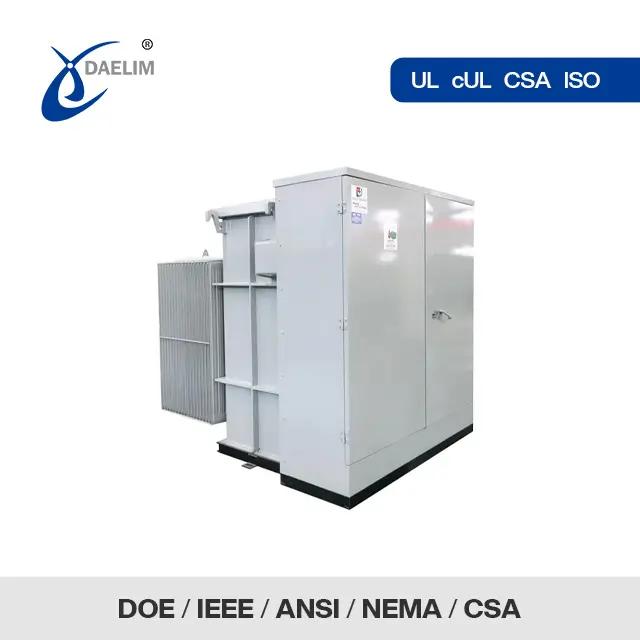
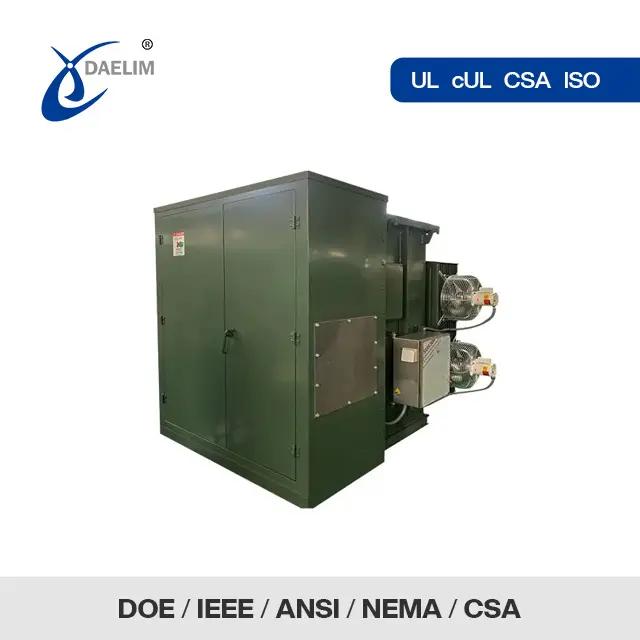
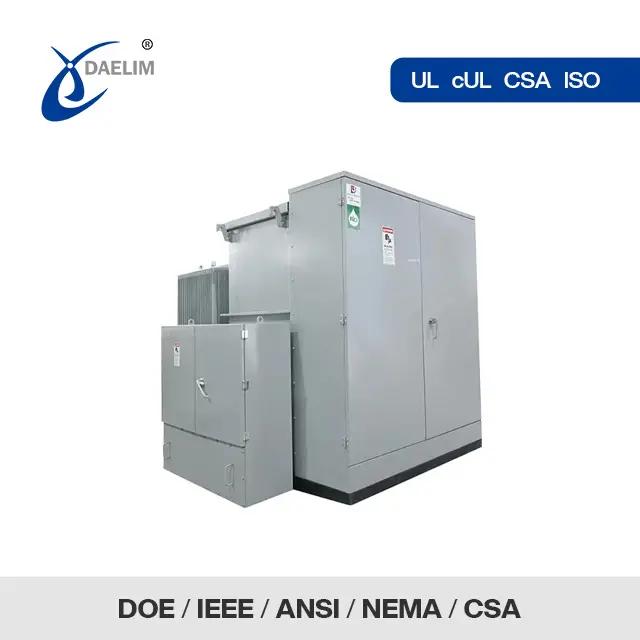
Outdoor Storages for Pad Mount Transformers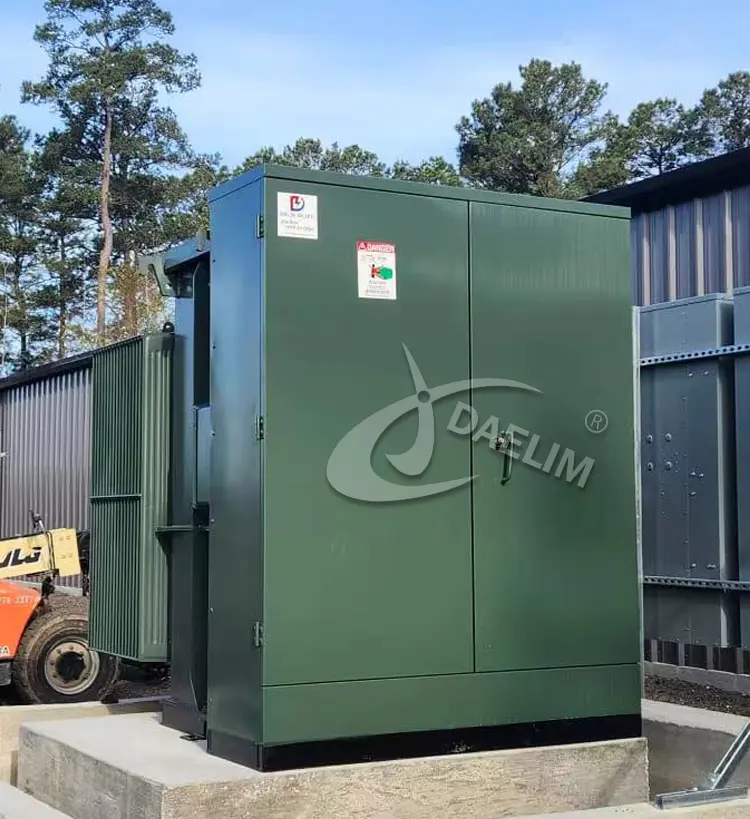
Pad-mounted transformers are designed for use outdoors, but maintenance is still required. Make sure that all the parts, such as gauges and bushings, have a good UV rating to withstand longer periods of sun exposure. When components are not UV-rated, one can shrink-wrap these components to prolong their lives.
Indoor Storage Considerations
Indoor storage provides added protection but has some drawbacks:
- Floor Capacity: Verify that the concrete slab is strong enough to hold the weight of a transformer without cracking.
- Environmental Hazards: Be sensitive to likely instances of oil spills or fire outbreaks and check your insurance coverage.
Storage indoors guards against such weather-related wear and slows the degradation of the gaskets, paint, and bushings.
UV Protection for Exterior Units
For outdoor substation transformers, some parts will break down with UV exposure eventually. Ensure gauges, bushings, etc. are UV-rated, so that these parts will not degrade. Sealed indoor-designed bushings may require an extra protection layer through wrapping or sealing.
Transformer Reconditioning Before Use
Liquid-filled transformers should be refinished by a reputable service shop if they have spent a decade or more just sitting in a warehouse. Here’s why:
- Replace Worn Gaskets: Gaskets can deteriorate with age and leak. Reconditioning means that all gaskets will be checked and replaced if necessary.
- Protective Coating: Apply Fresh coat of paint prevents rust on the transformer and hence increases its lifetime.
- Diagnostic Tests: Conduct all critical diagnostic tests to confirm that the transformer is free from electrical and oil flaws, thus completely ready for use.
- Renew the Warranty: Reconditioning is usually assigned a new warranty that will protect the most critical phase—at the time when the transformer has been returned to service the first time.
Reconditioning gets your transformer ready for hassle-free operation without worry. Contact us today, when you are ready to refresh the unit with your quote!
How to Store Dry-Type Transformers Safely
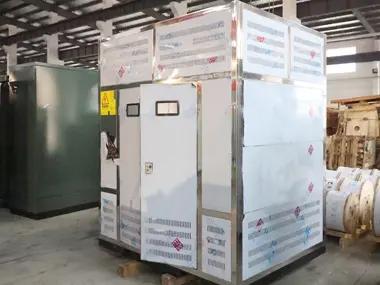
Dry-type transformers are open-type and thus have to be taken with specific care for longer periods in storage. Here is how you might keep your transformer in great condition until you are set to put it into service.
1. Keep It Dry and Clean
Dry-type transformers have ventilated enclosures. The windings and inner components of a dry-type transformer are more prone to moisture and dust. Here is how you may protect them:
- Store Indoors: Clean, climate-controlled building that maintains a steady temperature is an excellent option. Space heaters or desiccant packets in the enclosure would help keep moisture away.
- Cover It Outside: If indoor storage isn’t feasible, cover the transformer with a tarp to protect it from rain and humidity. Just make sure air can still circulate to prevent condensation.
2. Protect the Enclosure
Dry-type transformers often have several vents that allow dust, dirt, and even small creatures to enter their structure. The enclosure must be kept clean:
- Clean Regularly: The cage should be checked at all times to be cleaned free of dust and grime.
- Use Rodent Screens: Install rodent screens over the vent openings, if rodents are a problem.
3. Use Emerging Technologies
- Dielectric Frequency Response: It is one of those diagnostics means, which offers detailed analysis of moisture presence in solid insulation.
- Online Monitoring Systems: They allow online moisture data through which predictive maintenance strategies are given before such problems become worse.
4. Testing Before Using
 It is very important that the transformer is tested to its validity before being returned to service after storage. A small problem in transformers during storage may end up posing significant operational challenges. Here are some of the important tests and procedures you should follow:
- Monitor Moisture Levels: Moisture is the greatest enemy of transformers, degrading its insulation and, subsequently, leading to failure. This moisture is measured by an insulation resistance tester, commonly known as a Megger, applied on verification that windings are dry.
- Procedure: Apply a DC voltage say, 500V, 1 kV or more depending on the transformer voltage class across windings. Measure resistance. Resistance will be low if there is moisture in the insulation that will require the moisture to be dealt with prior to operation.
- Acceptable Levels: The resistance reading must be within the manufacturer’s specification. Generally, high insulation resistance, measured in megaohms, is an indication of dry and healthy insulation.
Reading levels below the acceptable level should be checked for insulation resistance before applying any transformer to avoid failures.
Methods of Transformer Drying
- Vacuum Drying: This is highly efficient dehydration by placing the transformer in a vacuum chamber.
- Oven Drying: Useful for smaller transformers; it supplies controlled heat and dries via evaporation.
- Hot Oil Circulation: In liquid-filled transformers, circulating hot oil absorbs moisture from the system and then the oil is degasified to maintain purity.
4. Physical Survey
A detailed physical inspection is a part of essential testing before using a transformer.
- Visual check for corrosion: Check exterior surfaces, tanks, and radiators for rust or corrosion in all areas where exposure has been outdoors.
- Seals and gaskets: should be intact to prevent oil leakage or moisture passing through Replace if any are bad.
- Cooling System: Check for proper working of cooling fans, radiators, or pumps. Also, ensure that there is free flow of oil and check for any blockage in radiators.
- Bushings: Check bushings for cracked, dirty, or contaminated conditions that can lead to electrical failure. Clean and replace damaged bushings.
Learn more: Guide to Types of Low-Voltage Bushings for Pad-Mounted Transformers
5. Operations Readiness Testing
Before powering up, simulate operational conditions to validate the transformer’s readiness.
- Voltage Withstand Test: Impose the overvoltage on an insulation system to test dielectric strength.
- Load Simulation: If practical, connect a test load to test under simulated operating conditions.
- Protection System Check: Examine protective relays, alarms, and cooling system triggers to ensure they operate according to fault conditions.
What Happens If the Transformer Isn’t Dry Enough?
If the Megger test is unsatisfactory, then moisture may cause failure of the insulation, and such a transformer would fail when  energized. Large dry-type transformers may be needed to be dried completely using professional means in a bake-out oven.
They allow you to store them safely, so when you need to use them, they work flawlessly. Require professional support or testing? Contact Daelim today! Daelim has been offering transformer solutions for over 20 years, and we are here to provide expert support and guidance when you need it.
Final Thoughts on Safe Transformer Storage
One way of being sure to be prepared for any unseen situation is through the storage of spare transformers. Liquid-filled transformers should be refinished by a reputable service shop if they have spent a decade or more just sitting in a warehouse. In need of transformer help? Contact us today!
At Daelim, you come first. We have thousands of in-store transformers as well as a few of the faster lead times in the marketplace. If ever you need a transformer, you just have to reach us, and one of our representatives will get back to you for further assistance.


 English
 Polish
 German