
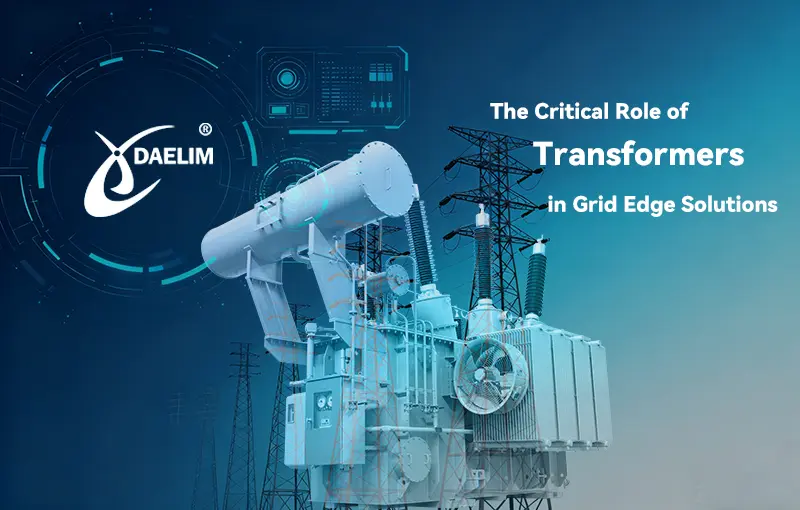
The electric power grid is evolving, driven by renewable energy, electric vehicles, and digital technologies. To keep up with this pace, the grid needs solutions that bring flexibility and intelligence to the point called the grid edge, where energy is actually used.
With transformers forming the very essence of the transition, these devices are not just passive anymore. With transformers, we could now monitor performance, manage loads, and support rrenewable integration; they provide a safe and reliable delivery of electricity efficiently, even as the complexity of demand and generation increases.
What Are Grid Edge Solutions?
Grid edge solutions are a great shift from traditional centralized power systems to distributed, smart, and more flexible systems. They operate at the spot where the grid meets customers and distributed energy resources (DERs), like solar panels, battery storage, electric vehicles, smart meters, and more.
As energy systems evolve with renewable integration and the need for greater resilience, these solutions become quite important. By enabling two-way power flows, real-time monitoring, and smart energy management, edge technologies now empower consumers to both use and supply energy, which creates a very dynamic and efficient ecosystem.
Also, by reducing dependence on fossil fuels. Decreasing losses and supporting local energy generation grid edge solutions, these solutions strengthen grid reliability and sustainability. Indeed, the main transformer’s role is in managing bi-directional power flow, renewable variability, and real-time communication.
Role of Transformers in Grid Edge Technology
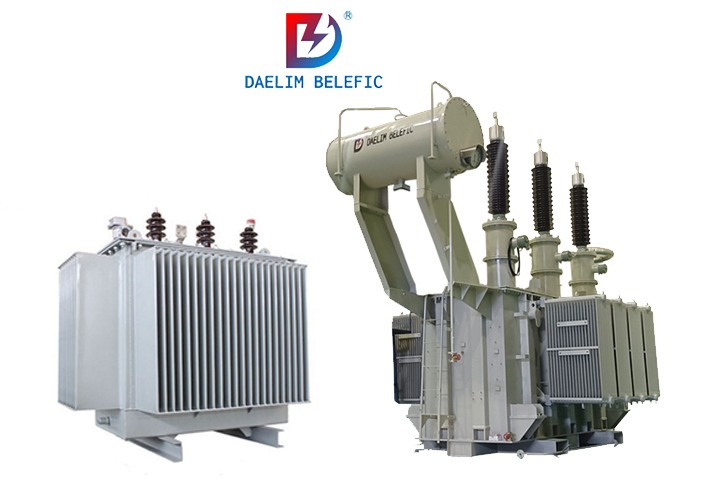 Transformers are no longer just passive devices that have only the purpose to step up or down voltages; they are now a key component of grid-edge technology. In modern systems, they offer efficient power flow, adaptability to fluctuating demand, and resilience in harsh environments.
The main role of grid edge transformers is to manage bidirectional power flow, which is important for DER integration. They connect energy storage, solar, wind, and battery directly to the distribution system. They also have transformer load management, balancing demand from electric vehicles, smart homes, and data centers.
Real-time monitoring is now possible with IoT sensors, ensuring stability even in high-stress applications, like EV load.
Transformers also improve grid protection through FLISR (Fault Location, Isolation, and Service Restoration), which reduces breakdowns and strengthens resilience. In microgrid transformers, these capabilities are important for reliable operation in islanded or hybrid modes.
Types of Transformers Used in Grid Edge Solutions
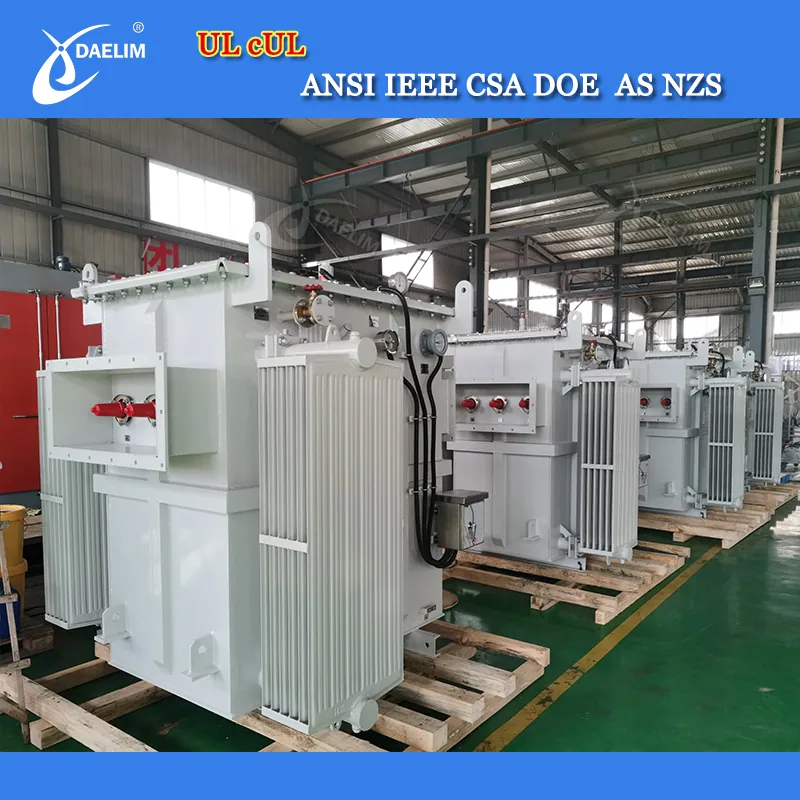 Not every transformer serves the same purpose at the grid edge. Different types of transformers are made to meet the needs of other types of settings, such as urban, industrial, renewable, and remote. Each type is important for reliable and efficient power delivery.
- Distribution Transformers – Traditional transformers convert high-voltage electricity to low-voltage electricity for local power transmission to homes, businesses, and industries. With distribution transformer monitoring, IoT transformer sensors provide real-time load management.
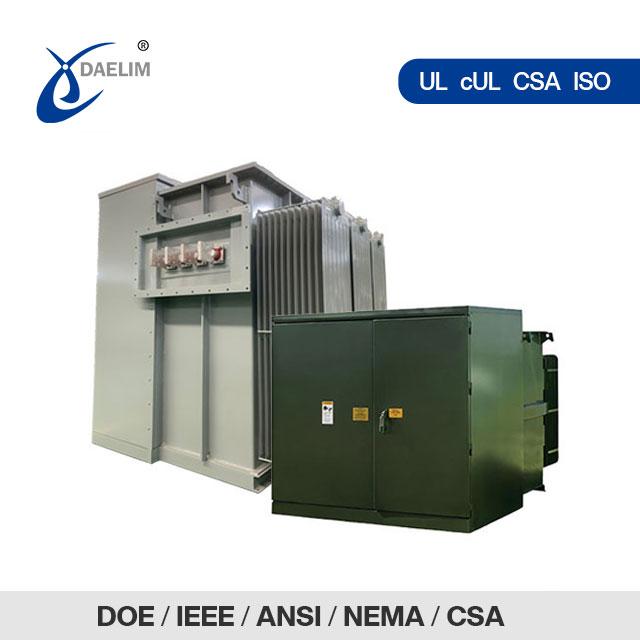
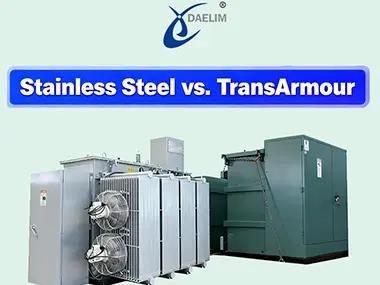
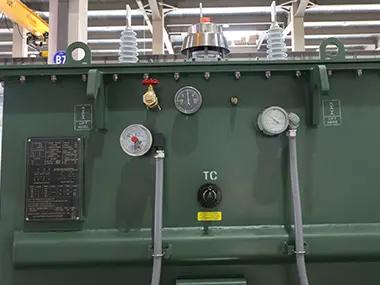
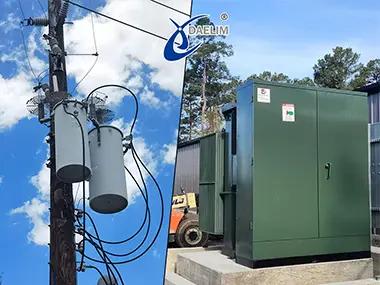
- Pad-Mounted Transformers – These are enclosed variants for protection. Usually installed in cities and suburbs. Great for data centers, commercial sites, and EV load.
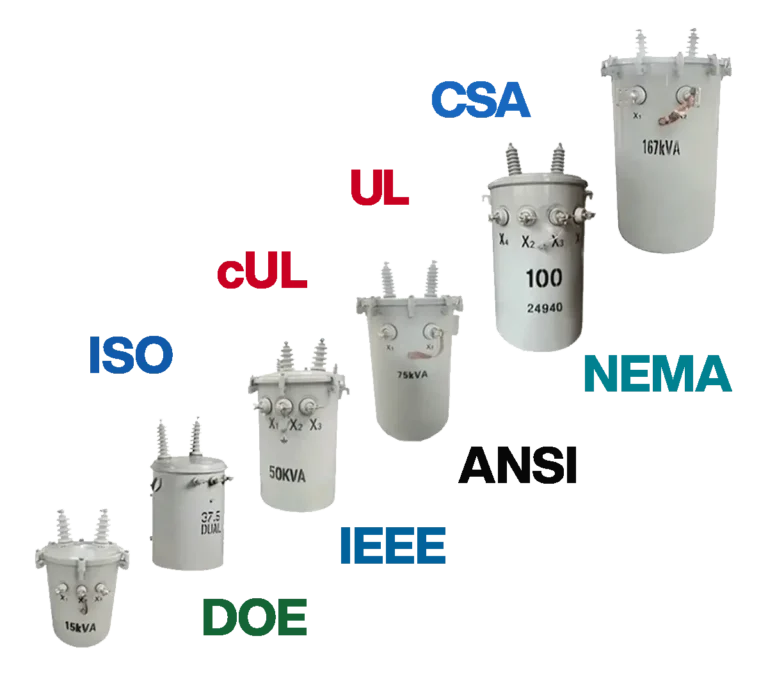
- Pole-Mounted Transformers – These are compact units for rural or distant areas. They work as DER integration transformers, connecting renewable energy to the electric power grid.
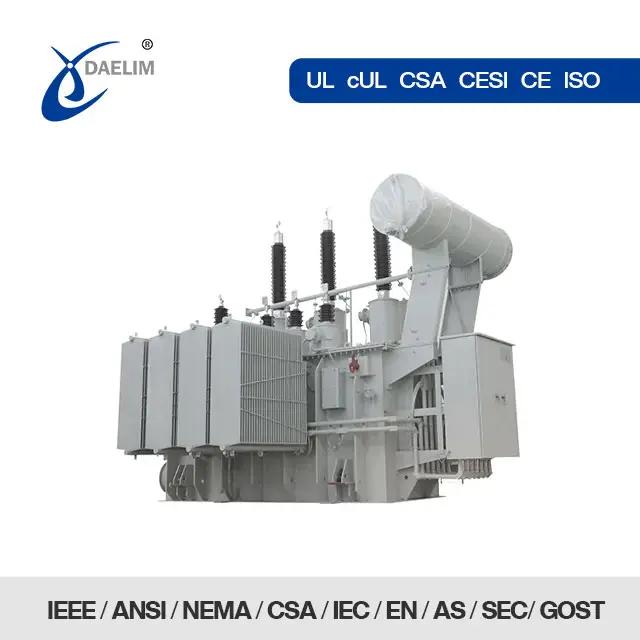
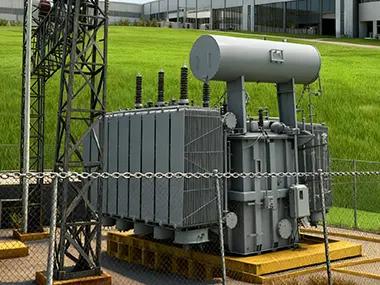
- Substation Transformers – High-capacity units that link power transmission and distribution. It has smart features for bi-directional flows and FLISR safety.
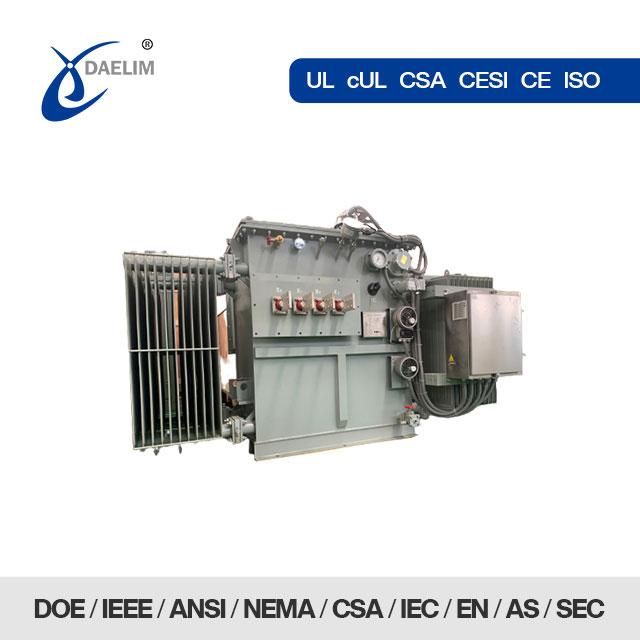
- Microgrid Transformers – They ensure stable operation on campus, communities, and military bases while syncing with the main transformer grid.
- Dry-Type & EcoDesign Transformers-Dry-type variants provide safe and fire-resistant options. Good for hospitals, schools, and data centers. EcoDesign transformers reduce energy loss and resultant carbon footprint.
These transformers form the foundation for smart, robust, and sustainable grid edge operations.
Daelim Transformer Role in Grid Edge Solutions
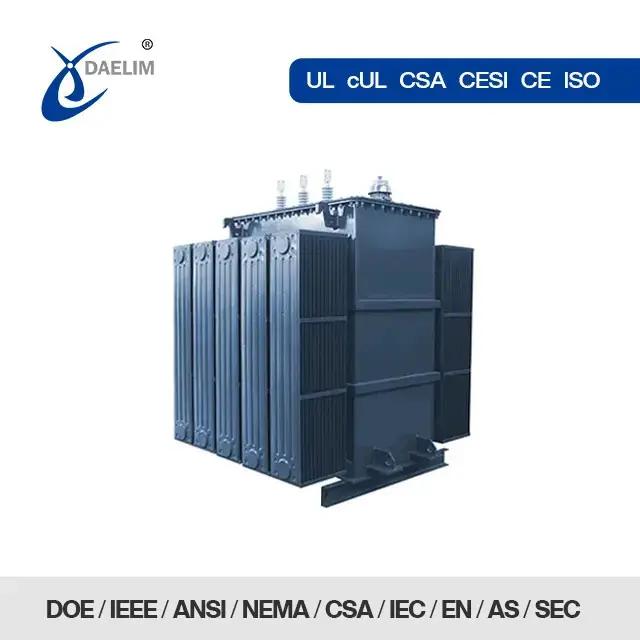
With the emergence of smarter and more resilient energy networks, Daelim Transformer stands out as a reliable global partner, outdoing most of its competitors with over 20 years of transformer manufacturing. Certified by UL, CSA, ANSI/IEEE, DOE, and IEC, Daelim delivers transformers that meet the highest international standards.
Our product portfolio is designed to meet grid-edge needs: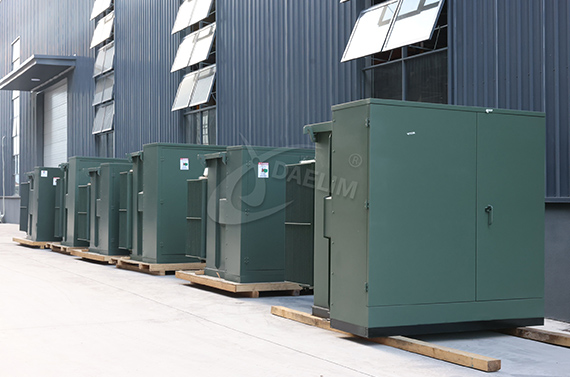
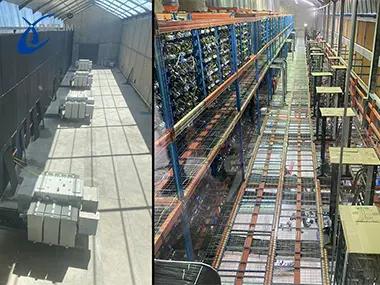
- Pad-Mounted Transformers – Good for EV charging, industrial usage, and urban networks. We have 500 pieces in stock and ready to ship on demand, without the long lead times to delay fast deployment on urgent projects.
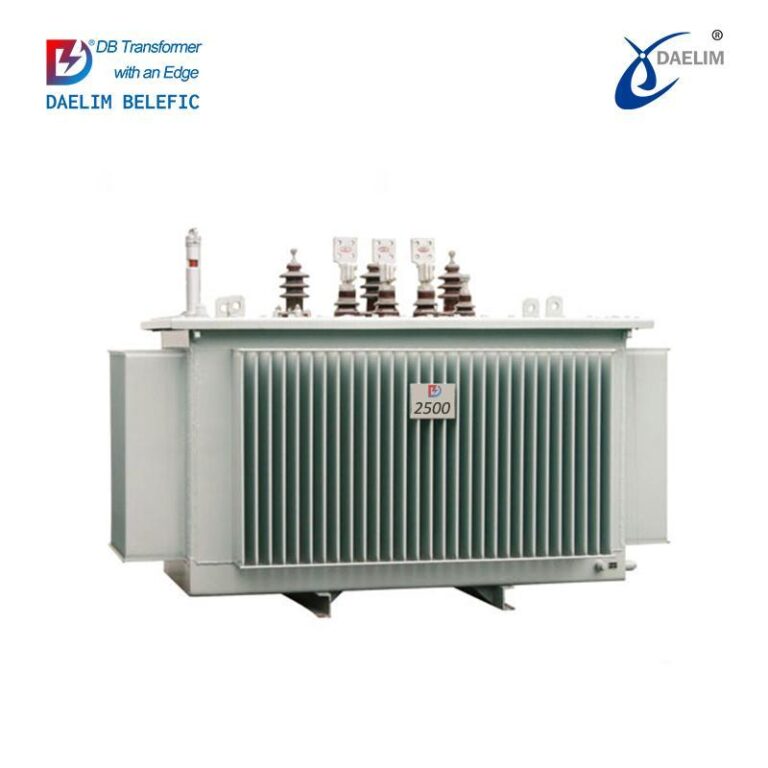
- Distribution Transformers – IoT sensors are installed for real-time monitoring and load management.
- Microgrid Transformers – They are ideal for hybrid operations in cities, campuses, and industries.
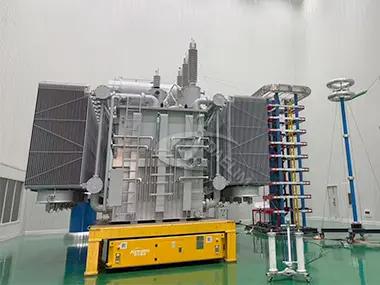
- Substation and High-Voltage Transformers – They support DER integration, renewable plants, and interconnections on a large scale.
- Dry-Type and Eco-Design Transformers – They are safe and energy-efficient transformers. Good for hospitals, schools, and data centers.
With inventory available in Houston and flexible custom engineering, Daelim can provide fast delivery and solutions to suit your requirements. From renewable integration to FLISR-enabled transformer protection, our transformers power utilities, industries, and developers to build reliable, future-proof power networks.
Conclusion
The great shift toward decentralized, smart, and renewable energy makes the transformer role important in the grid-edge solution. They are no longer passive devices as they now provide distribution monitoring, load management, DER integration, and support for electric vehicles, acting instead as intelligent and adaptive assets for resilient, sustainable networks.
With innovations like smart transformers, IoT sensors, and FLISR, the grid is getting smarter and is now able to detect faults itself, manage complex loads, and integrate with greener energy. It helps industries tackle today’s challenges while preparing for a future of clean energy.
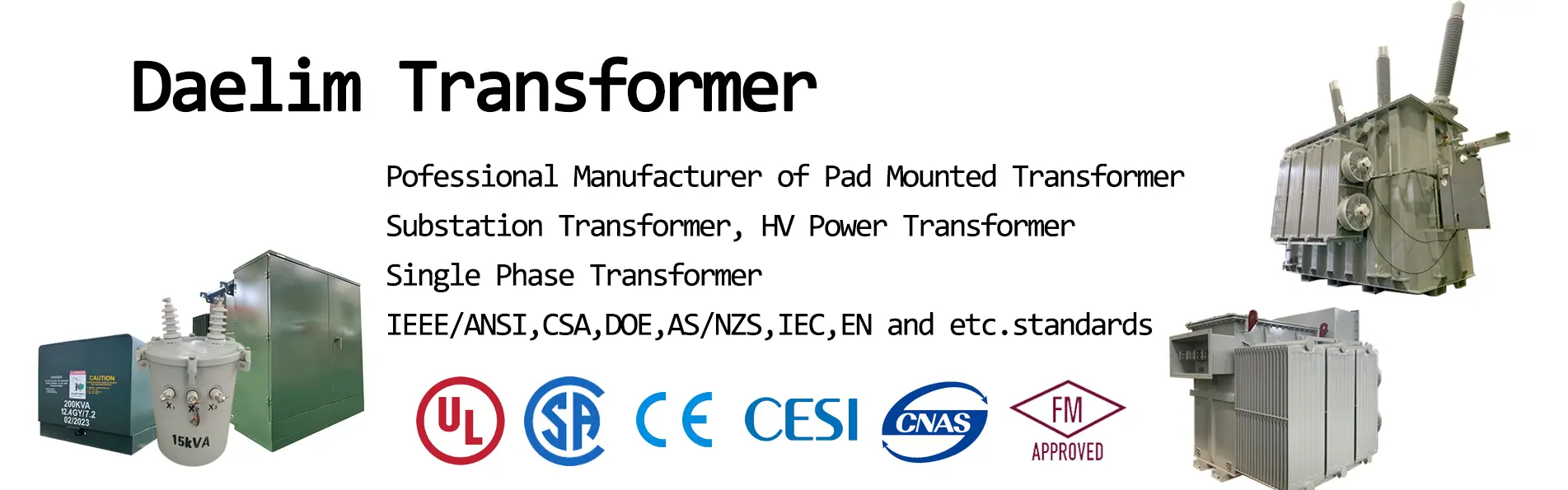
At Daelim Transformer, we offer some reliable answers to the grid edge—microgrid transformers, pad-mount, dry-type, and substation transformers. With the vast expertise in the grid edge solutions backed by as many years of experience, compliance with global standards, we can provide reliable and efficient solutions of transformers meeting future needs for utilities, developers, and industries.
 English
 Polish
 German