
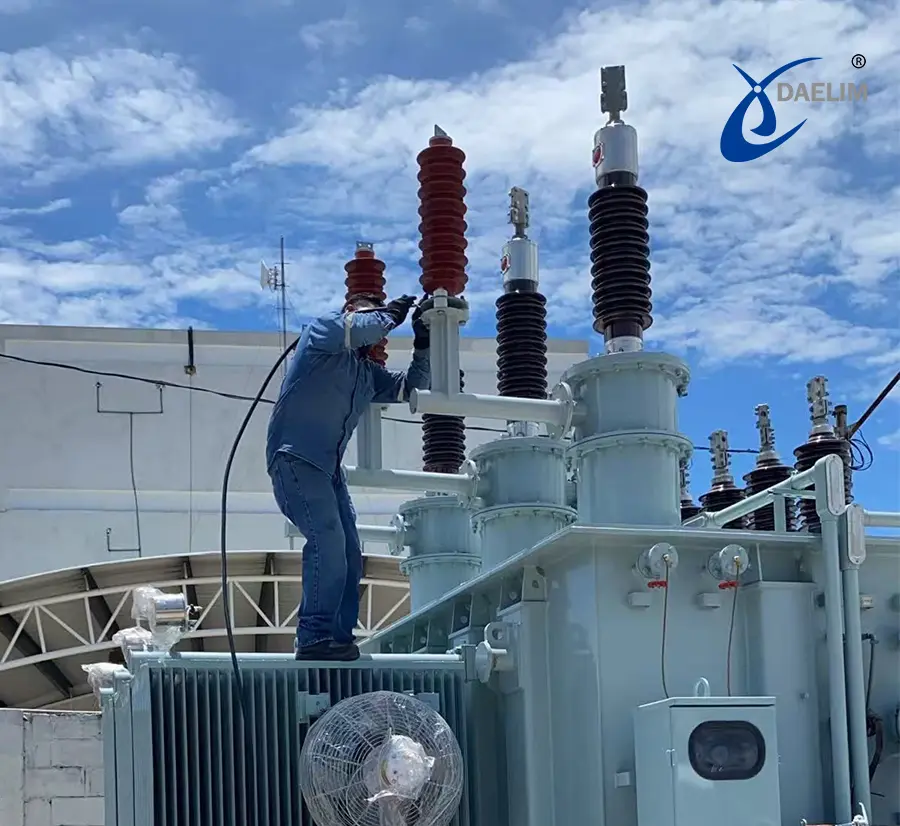
The block transformer is a critical component of an advanced electrical power system. These transformers are important for performing the main function of delivering high-voltage power generated at power plants effectively and stably to the high-voltage transmission grid. Normally, these transformers handle high voltages of about 220 kV and 500 kV. In this transformer, we will cover details for the block transformer and the importance of high-voltage systems.
Block Transformer Definition
- Block transformers are high-voltage, larger capacity transformers that exist at the power generating system output point. where it steps up the voltage generated at the power plant to transmit for longer distances.
- Block transformer term used in Russia and CIS countries as engineering terminology.
- where the block shows close collaboration of generating unit and its connected step-up transformer. This layout is also known as the generator–transformer block In Western countries itcalled generator step-up transformer (GSU).
Block Transformers Role in Power Systems
Block transformers in power systems make connections between power production systems and high-voltage line transmission, and their main functions in power systems are.
Step-up voltage
- The electric generator source of energy generation and generated voltage has a low level in the range of 10 kV to 27 kV. This low voltage level is difficult to transmit at longer distances on the grid with the same level and without losses.
- A block transformer increases the voltage level to a higher level, like 110 kV, 220kV, 330 kV, or 500 kV, which can easily transmit over a longer distance.
Effective power transfer:
- When this transformer increases the voltage level, it helps to minimize current that avoids resistive (I²R) losses in transmission lines, and system efficiency is maintained. It also prevents conductors from overheating. This effective power transmission is needed for larger power systems to deliver power over longer distances.
Grid integration
- Block transformers make generation point connections with high-voltage grids. It maintains electrical isolation between the generation and the grid while maintaining the voltage level. It delivers power to different load centers and causes continuous grid operation.
Stable operation
- Transformers also work continuously in high heat conditions and help to work the regular power system. It provides longer power flow for a longer time without any stop, helping power plants work continuously and power to be delivered constantly.
Block Transformer Voltage Levels and Capacity
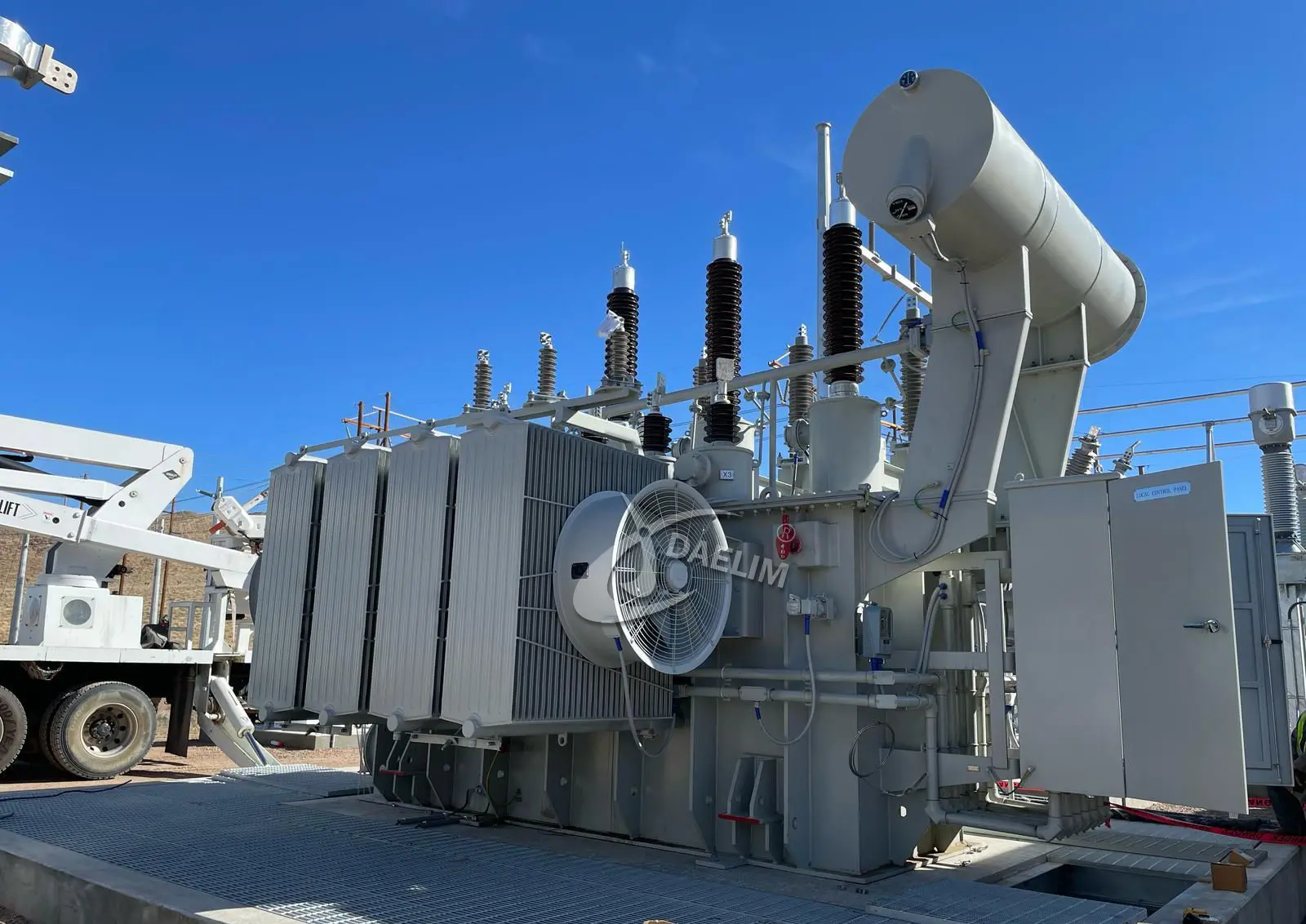
High-voltage side:
- The grid is connected with the high-voltage side of the block transformer. The voltage levels on this side are 220kV and 500kV that are connected to a larger power system. For longer transmission, the end voltage can also be higher than this level. These voltage levels minimize transmission losses and effectively transmit power.
Low-voltage side:
- The generator generated the voltage given at this low-voltage side of the transformer. That is in the range of 10kV to 27kV.
- This low input voltage is then converted to a high voltage level that is transmitted to the grid.
Power rating:
- These are step up transformers, so they have a high power rating of about 100MVA or 1000MVA, and some are higher. transformer rating based on power plant capacity. This rating helps the transformer to deliver full generator output without overloading.
Frequency:
- Usually block transformersoperate in CIS countries and Russia, where the system frequency is 50 Hz that is according to regional power grid frequency. For accurate transmission, required frequency level is important.
You may enjoy: A Comprehensive Guide to Transformer Specifications
Block Transformer Construction Features
Core and Windings
Magnetic Core
Different materials like high-grade oriented silicon steel are employed for making the magnetic core. These materials have features to avoid core losses when transformers operate. that helps manage heat and increases efficiency, which is important for larger transformers.
Windings:
Windings are constructed with materials that provide high conductivity and mechanical strength, like copper or aluminum. These materials also help winding to carry high current and handle the effects of short circuit conditions. All these features help the winding remain stable and distribute voltage.
Read more about Transformer Windings
Insulation
Oil paper insulation is employed for a block transformer. In this configuration, insulating paper is wound around conductors, and the tank has oil. Oil is helpful for electrical insulation and heat dissipation for maintaining dielectric strength and minimizing the effects of high voltage on insulation.
More about Transformer Insulation
Cooling Systems
Since block transformers operate in high-load conditions that cause high heat. Proper cooling is important for safe operation. Some cooling techniques used are
ONAN
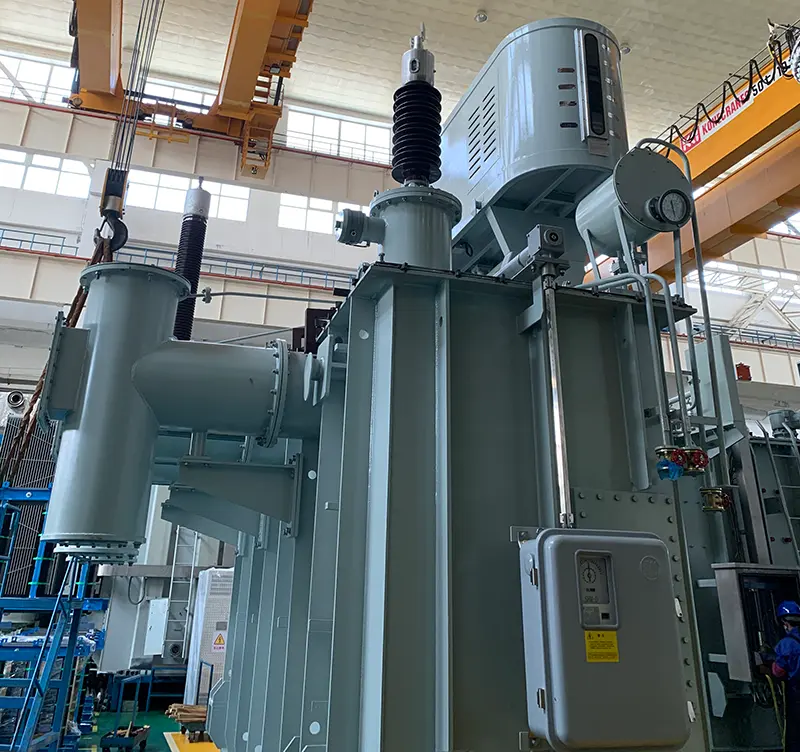
For dissipating heat, the transformer has oil circulation, and it releases heat to the surroundings through a radiator. This cooling system is employed in medium-rated transformers.
Get it free: The ultimate guide to ONAN transformers
ONAF
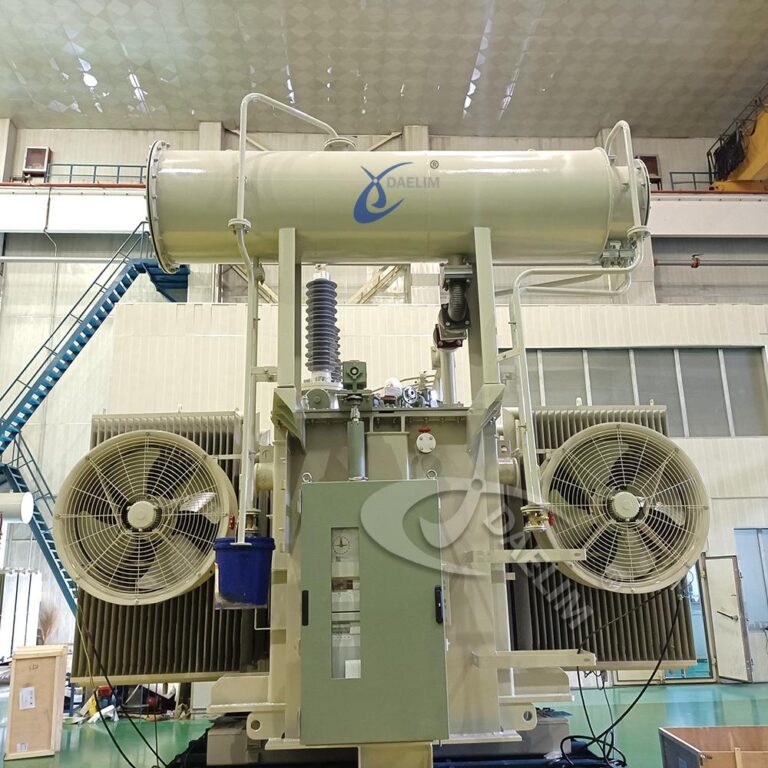
This technique has a fan for circulating air over the radiator to perform heat dissipation. High-rating and high-capacity transformers use this method.
OFAF (Oil Forced Air Forced):
This system comes with oil circulation and airflow with fans and pumps. This method is preferred in larger transformers that operate in heavy loads.
ODAF
A larger block transformer uses this cooling method, and it is an advanced cooling method that causes air flow for winding parts where high losses occur for heat dissipation.
It increases transformer working life and maintains operation at a high power level.
Learn more: What is Transformer Cooling and How is it done?
Transformer Structural Design
Transformer Tank:
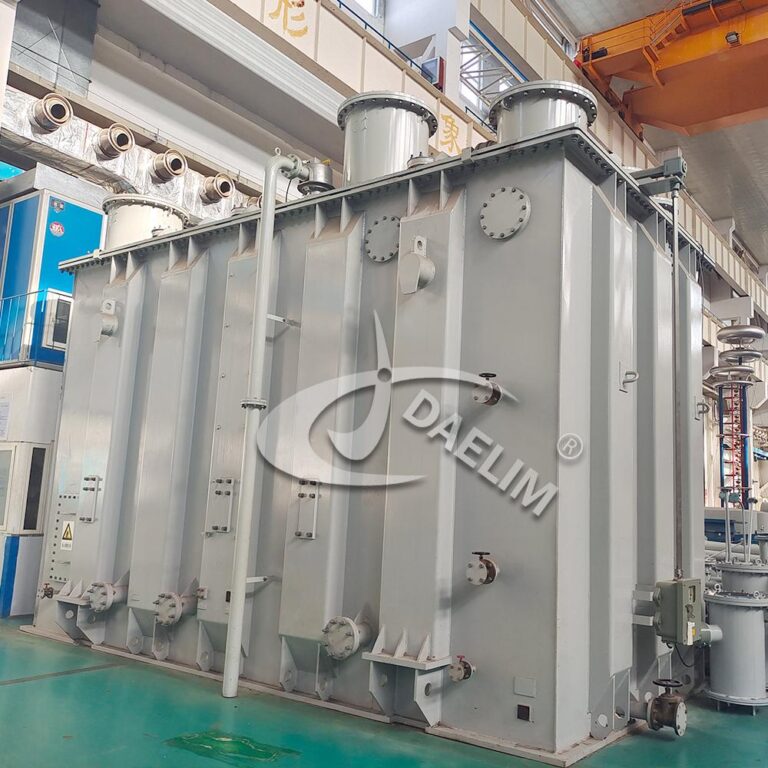
Transformer tank structure made with heavy-duty steel plates. In the tank, insulating oil exists, and the active components of the transformer core and winding are assembled. The tank must have features to handle oil pressure variations with changes in temperature and the effects of short circuits. The tank also protects internal components from external environmental factors like moisture, etc.
You may enjoy: Choosing the Right Transformer Enclosure for Your Project
Conservator System:
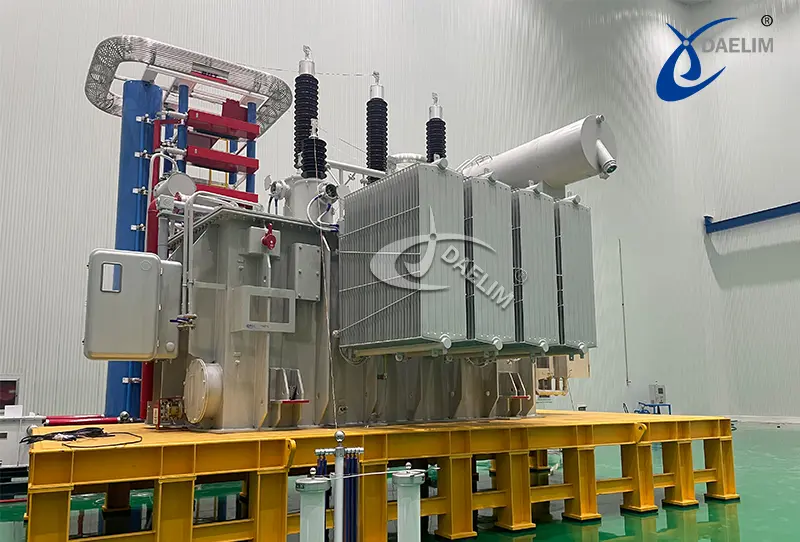
Like other transformers, the block transformer also comes with an oil tank that is called a conservator tank, connected with the main tank. When temperature changes and oil expansion occurs, move to this tank, and when contraction occurs, move to the main tank.
This tank maintains the oil level and avoids air connection with the oil, and avoids oil oxidation and moisture ingress.
Read more: Hermetically Sealed Transformers vs Conservator Type Transformers
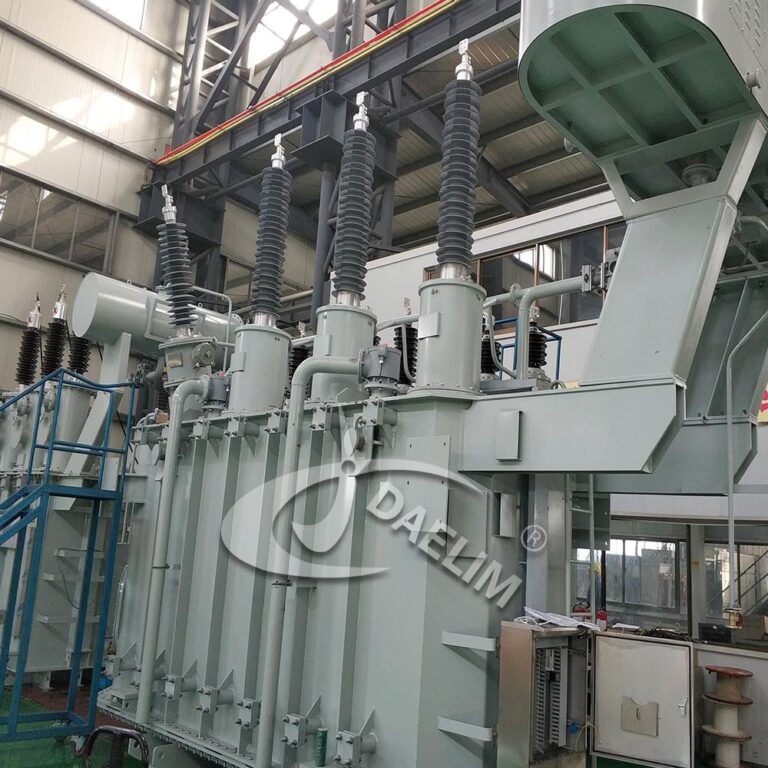
High-Voltage Bushings:
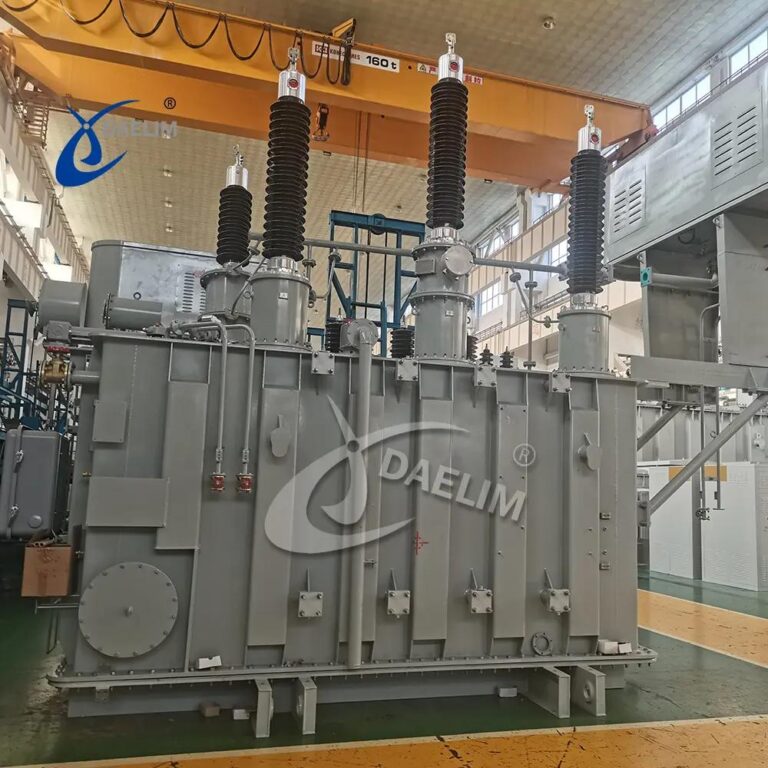
Bushings are conductors passed through the tank of the transformer and provide insulation between the ground tank and the energized conductor. Block transformer bushings can manage high voltage easily and manage difficult conditions.
For proper electrical clearance and insulation, their length is set high. This structure is helpful for accurate power transmission from the transformer to the transmission lines.
Protection Systems
Block transformer since it manages high voltage, so it needs an accurate protection system for safe operation without any damage.
Differential Protection:
t is an important protection system for a transformer whose operation occurs through making a comparison between the current at the input and output of the transformer. When the transformer is operating normally, these two currents have the same value. If any fault occurs, like a short circuit, both currents show different values, and this protection system operates and stops the operation of the transformer.
Buchholz Relay:
Buchholz relay is basically a mechanical protection component that exists between the conservator and the transformer tank. Its main operation is to abruptly change the oil movement and gas accumulation in the transformer that occurs due to overheating and insulation damage.
The alarm only operates for short faults, like slow gas accumulation, but for high faults, oil moves fast, and the relay trips to break the circuit.
Temperature Monitoring Process
Transformer windings and insulating oil temperature monitoring are important for safe operation. Sensors connected measure temperature variations, and a signal is delivered to the alarm and a temperature higher than the safe limit trip circuit. It avoids overheating that results from insulation damage and serious faults.
Online Condition Monitoring

Dissolved gas analysis is an important tool used for detecting online conditions. Its operation is to monitor gases in transformer oil that result from different faults.
The dissolved gas analysis diagnostic tool performs online condition monitoring. It performs gas analysis that is generated due to electrical faults.
Through proper understanding of gas types and concentration, DGA checks insulation damage and arcing at the initial phases before serious faults.
Block Transformer Operational Features
Continuous operation
This transformer works without interruption when connected to a generator in operation. it provide power to loads without any effect. All these continuous operations occur due to proper cooling techniques, using quality materials in the structure, and managing electrical faults and generated heat.
Resistance to short-circuit forces
When high current flows in the windings of a transformer due to short circuits causes high mechanical forces. The black transformer has the mechanical strength for handling these forces and their effect on the transformer. High resistance to short circuits provides safe operation without damage.
Proper voltage regulation
These transformers maintain the voltage level with varying loads. that maintain voltage according to grid requirements that help the grid to accurately operate connected devices
Service life:
A block transformer can work up to 40 years with accurate design, using quality material and timely maintenance.
Energization:
Normally, these transformers remain in service since they are energized when connected to a generator operating. This helps to provide an uninterrupted power supply.
Block Transformers Applications
Power plant installation
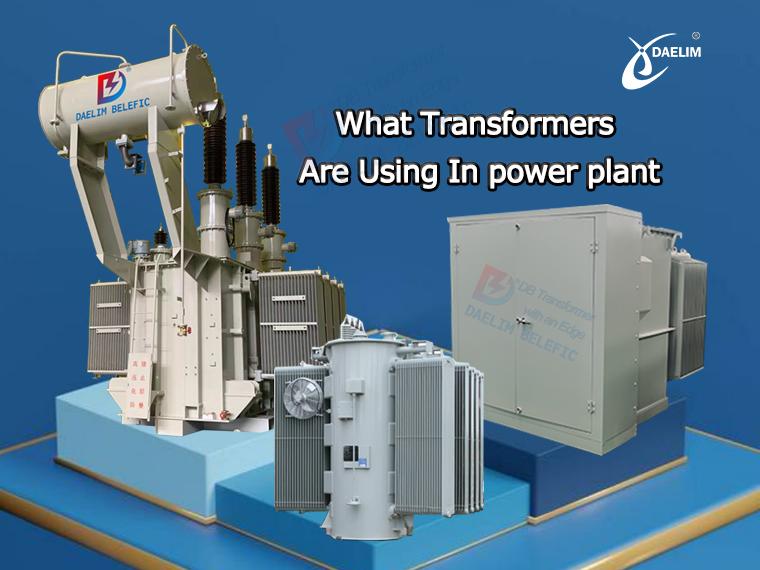
A block transformer is normally connected at power plants with a generator output to increase the voltage level to the required transmission level. These transformer parts are part of coal, gas, and oil operating plants, and also hydroelectric power stations.
They are also part of larger-scale solar power plants and wind farms. In these systems, the generator comes with its own block transformer that performs its operation for a continuous power supply.
Get it free: What Transformers Are Using In power plant?
Large Substations
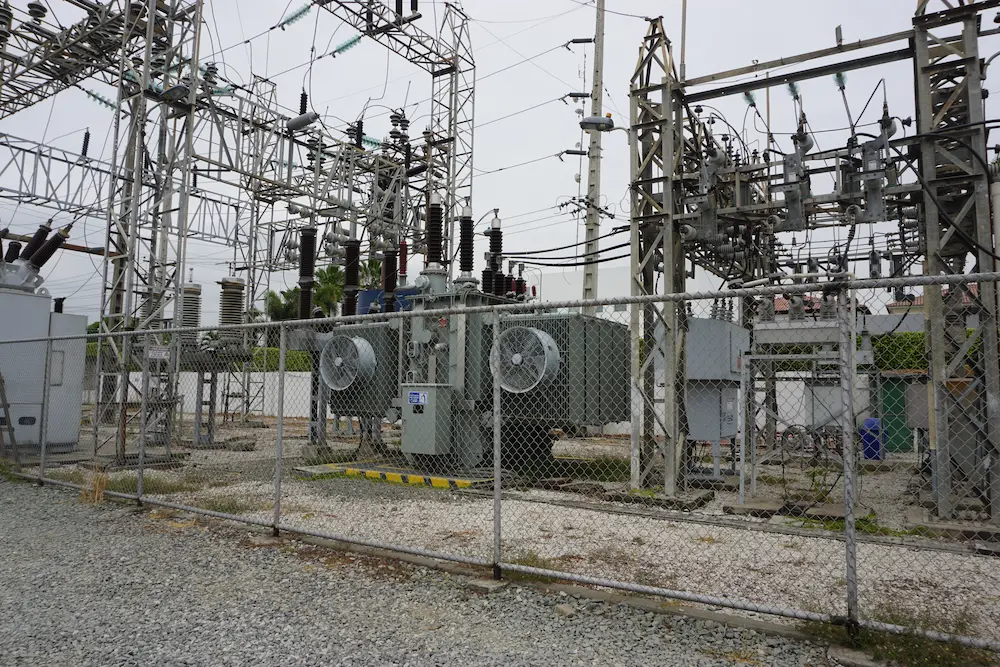
Block transformers are also installed at substations where larger power flows. Here, deliver power with different voltage levels and connect with the grid. High capacity helps to use at national or regional power substations.
Block Transformer Importance in Russia and CIS Power Systems
Block transformers are normally preferred in systems where longer-distance power delivery is needed, such as in parts of Russia and CIS countries where longer power delivery is needed. These transformers increase voltage levels to about 220 kV and 500 kV for safe transmission. In these regions, these transformers are standard and fulfill national standards.
Conclusion
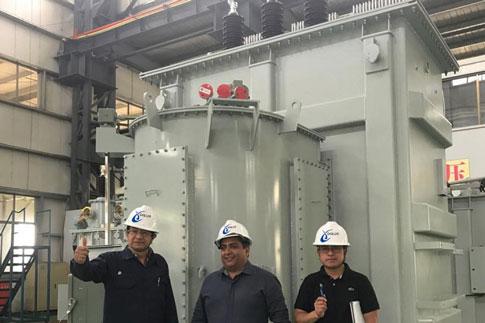
For high-voltage power system block transformers, the main component is to connect the generation and grid points for longer transmission. Their high voltage levels, such as 220 kV and 500 kV, help deliver high power flow effectively. For getting a transformer to handle these high voltage values, Daelim Transformer, a global manufacturer, has served for more than a decade as an experienced transformer manufacturer.
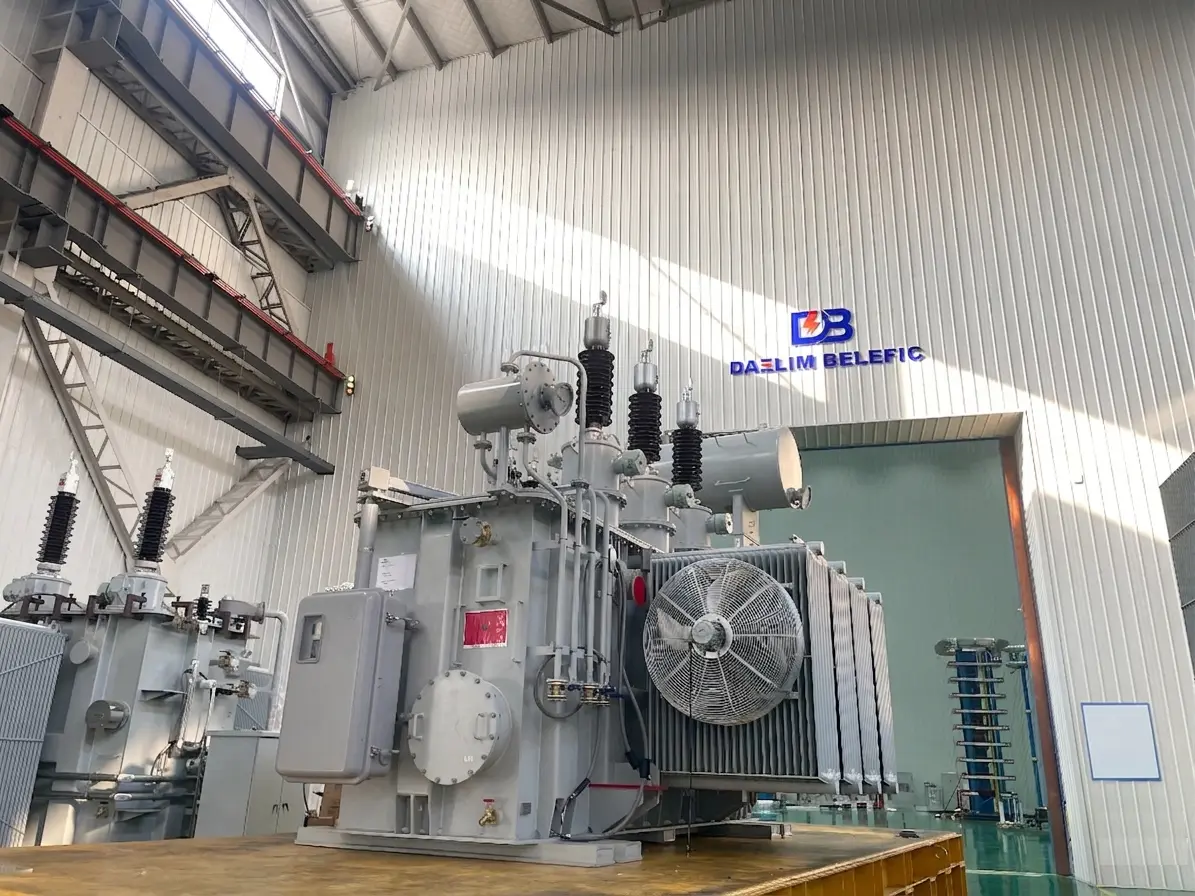
Daelim Transformer is a professional Block Transformer manufacturer and supplier. All transformers are constructed according to ANSI/IEEE, CSA, IEC, GOST, and other standards. We manufacture HV power transformers with a rating of 500 MVA with the required insulation class for proper stability from the generation point to the grid. We have delivered transformers to more than 40 countries. So, if you have block transformer projects needs help, please contact Daelim Transformer.

 English
 Polish
 German