
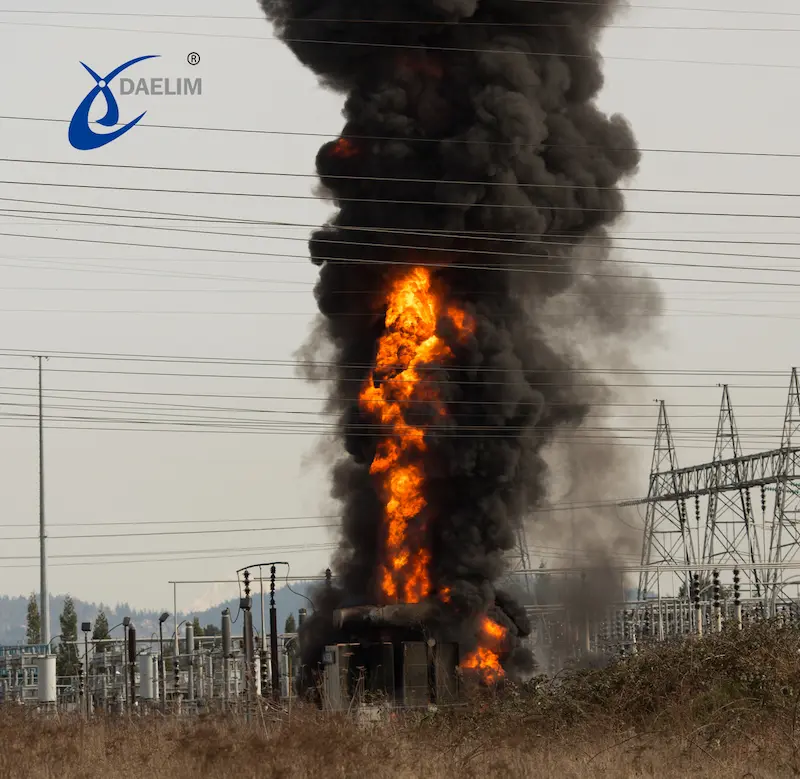
When a transformer blows up, it causes a sudden blown transformer power outage that disrupts homes, businesses, and critical infrastructure. Since transformers are the backbone of electrical distribution so even a minor failure can disrupt the lives of many people or bring the whole industry down. This raises an important question: How long does it take to fix a blown transformer?
The answer will not always be the same for every incident. Repair time depends on many factors, like the degree of damage, availability of parts for replacement, transformer size, and location. In some cases, power may be restored within hours; sometimes, it takes days or maybe weeks.
What Causes a Transformer to Blow?
A blown transformer means that the transformer has failed under an extraordinary stress condition or has suddenly been damaged. It is important to know the main causes for the prevention, maintenance, and timely repair.
- Overloading– When the transformer is loaded above its designed capacity, the windings and insulation will overheat and eventually fail. Such happenings are common in areas where electricity demand spikes suddenly.
- Short Circuits– Internal winding faults or an external fault on the grid will result in the flow of great currents. Such short-circuits are known to destroy components and trip protection devices, thus blowing up a transformer.
- Weather-Related Damage– Lightning strikes, storms, floods, or extreme heat can damage the transformer. Lightning can lead to instant insulation breakdown and can even cause a transformer to blow up with a transformer exploding sound.
- Aging Equipment– The insulation weakens, oil gets old, and parts wear out. An older transformer has a higher chance of failing.
- Environmental Factors–Dust, moisture, and corrosive environments damage insulation and bushings and increase the chances of a blown transformer power outage.
- Improper Maintenance or Installation– Poor installation or neglected inspections can cause issues unnoticed until an outage occurs.
In some cases, a blown transformer fuse acts as protection for the rest of the system.
You may enjoy: What Happens When A Transformer Blows?
Initial Response and Assessment
When transformer blowouts occur, safety comes first. Initially, crews isolate the damaged unit so it does not cause incidents such as an electrical fire, surge, or risk of an accident.
- Safety Measures: Power cuts, the site is cordoned off, and crews check for live wires or oil leaks.
- Visual Inspection: During the inspection, signs such as burnt bushings, damaged casings, or oil leaks are investigated.
- Testing and Diagnostics: To determine the nature of repairs, needs to use equipment to measure insulation, the condition of windings, and the quality of oil.
- Damage Evaluation: Minor issues, like a blown fuse, would be quickly repaired, but when it is a serious issue like winding burns or a blown transformer smoke ring due to ignition from oil, it can require the equipment’s replacement.
The speed and accuracy of the response determine whether power will be restored in a matter of hours or delayed for days.
Get it free: Introduction to Transformer Inspection
Factors That Affect Repair Time
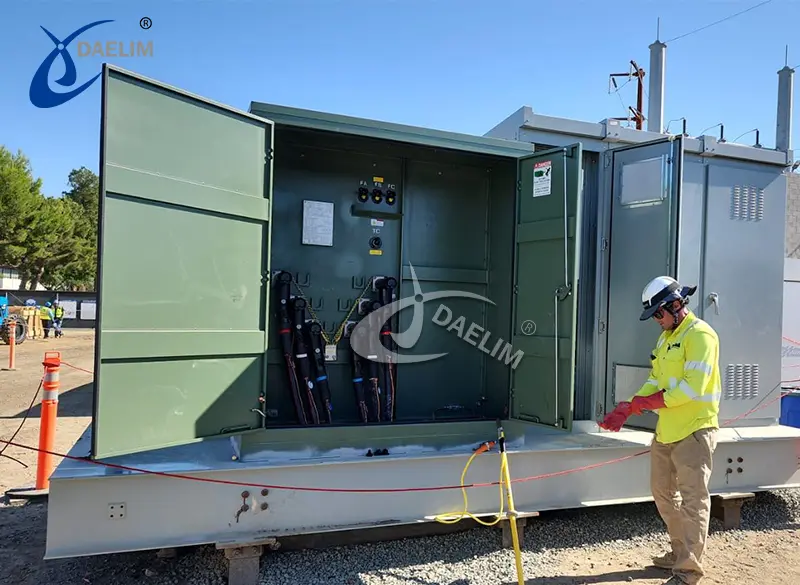
The timeframe to fix a blown transformer can be from hours to weeks. It depends on the following factors:
- Severity of Damage: A blown fuse or bushing can be fixed in a short time. But when it comes to major issues, like the damaged windings or cores, it can only be replaced, which can take time.
- Parts: Alternative units and some spare parts on site can really decrease the repair time. But for a custom unit, it can take weeks or even months for procurement.
- Location:Remote locations can face delays compared to cities because they are not as easily accessible.
- Weather:Harsh weather like storms, floods, or extreme heat can make the repair work delayed or even stopped for some time.
- Regulatory Checks: Safety inspections and approvals could take extra hours or sometimes even days.
Typical Repair Timelines
The level of damage and availability of resources decide how much time it will take to repair a transformer.
- Minor Repairs (Hours to Same Day):When there is a minor issue like blown fuses, loose connections, or little bushing damage, it doesn’t take too long. Repair can be done in minutes to hours, and power restored on the same day.
- Moderate Repairs (1–3 Days): When there is a need to install new bushings, oil refill, or some rewinding, it can take 1 to 3 days to get it done.
- Major Failures (Several Days to Weeks):When it comes to major issues like Internal faults, winding burns, or tank ruptures, it needs total replacement, which is a really time taking process. It can take days or even weeks to restore the power.
- Emergency/Widespread Outages:When power is disrupted by a storm or lightning, some important areas are restored first as they prioritize those that leave some other areas without power till extra crews and parts arrive.
Read more: How Long Does It Take To Repair A Transformer?
Replacement vs. Repair: Which Takes Longer?
When a transformer blows, it needs to be decided if it has to go with repair or full replacement. Each has different timelines and complexities.
- Repair:It is fast for minor issues like a blown fuse, bushing damage, or oil leaks. Repairs are cost-saving and can restore power within a few hours to a few days. But when it comes to an aged or stressed unit, it’s only timely relief.
- Replacement: Slow, as it requires ordering, transporting, installing, and testing a new unit. Standard transformers may be replaced in days, but big units can take weeks or months. The plus point for replacement is long-term reliability.
Repairs are faster for small failures, while replacements take longer but ensure durability after major breakdowns.
Minimizing Downtime in Critical Industries
Hospitals, data centers, plants, and mining sites, where even a minor power interruption can disturb the whole operation. It is important to keep downtime minimum here.
- Backup Power:Backup power sources like generators and UPS can keep important things running until repairs or replacements get done.
- Preventive Maintenance: By doing timely Inspections, oil testing, thermal imaging, and load monitoring, you can help to detect problems earlier that could lead to failure.
- Spare Units: Having spare transformers or parts is a big edge. It can make quick changes without waiting too long for deliveries.
Learn more about Transformer Maintenance
Conclusion
The duration to fix a blown transformer is determined by its extent of damage, the availability of parts, and the logistics of replacements. Less severe problems, such as a blown fuse, are quickly repaired, whereas severe breakdowns that require replacements take longer.
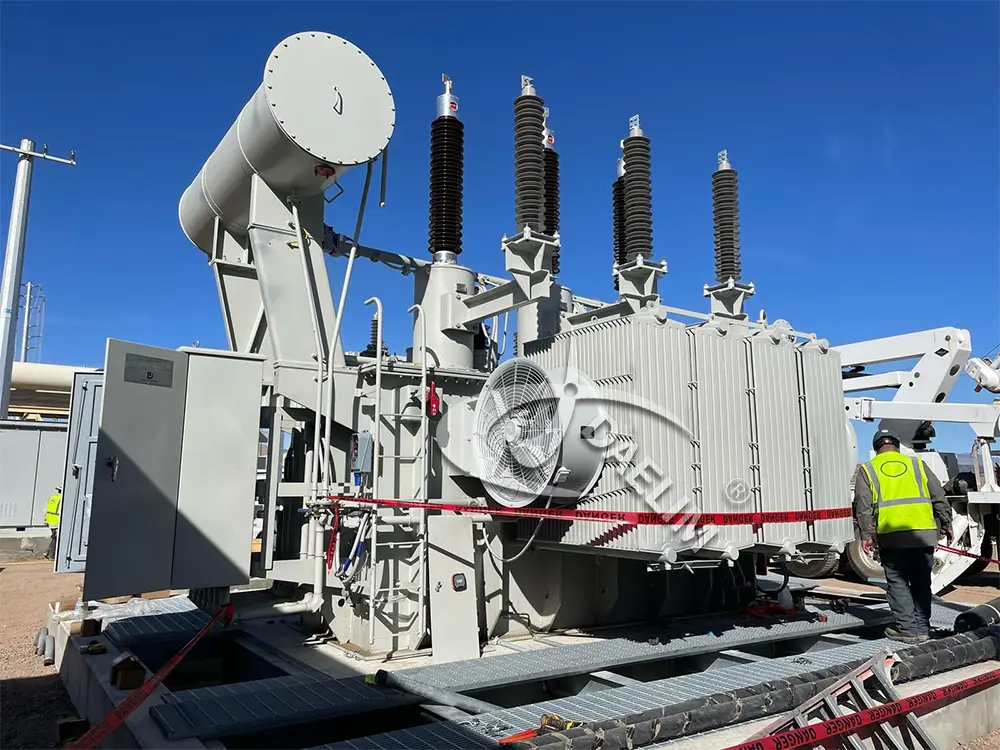
Such delays in industries where every second matters prove the necessity of preventive maintenance, backup power, and reliable partners. At Daelim Transformer, we can get you custom medium and high-voltage transformers that are made with international specifications to minimize downtime and maintain power continuity. Contact Daelim Transformer now!
 English
 Polish
 German