
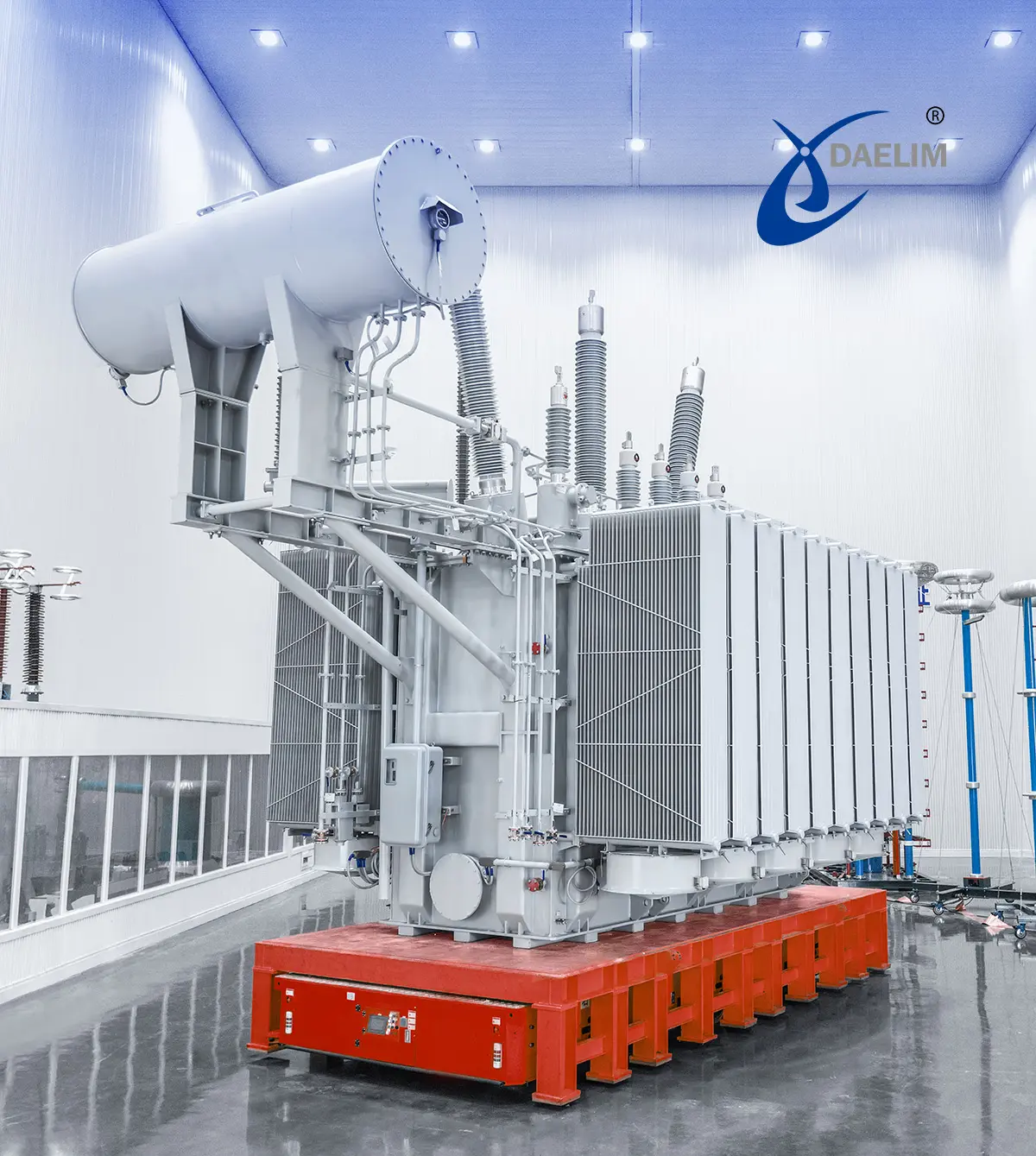
The power industry is now getting advanced with digitalization, smart grids, and sustainable solutions. The digital transformer can be the core of any modern electrical system as it combines traditional transformer engineering with advanced digital technologies.
In conventional transformers, where you only have to rely on manual inspections, digital transformers use IoT sensors, AI analytics, and cloud connectivity, which can give real-time performance data. With this data, industries can make systems more reliable, which can reduce energy losses and predict faults before they occur, giving a big edge.
What Is a Digital Transformer?
A digital transformer is an advancement of the traditional transformer. Unlike traditional ones, it combines electrical performance with digital technology to live tracking of its performance, efficiency, and asset health. Digital transformer uses sensors, data analytics, and communication interfaces to get these advanced features.
By converting an analog signal into digital data, the accuracy of measurement gets better with a digital current transformer. Digital transformer ratiometer can give quite precise ratio testing and consistent performance across the network.
The digital transformer can provide predictive maintenance and fault prevention. It became possible by monitoring its parameters like temperature, voltage, current, oil quality, and winding conditions.
Key Components of a Digital Transformer

A digital power transformer integrates traditional technology with digital advancements for a smarter and more efficient system. As it can collect, analyze, and share real-time data, the digital transformer comes with some important components, which are discussed below:
Smart Sensors
It monitors parameters like temperature, oil level, moisture, gas concentration, vibration, and partial discharge. These sensors convert analog signals into digital data to get accurate monitoring.
Intelligent Electronic Devices (IEDs)
These are transformer brains as they do most important tasks like analyze sensor data, detecting faults, and managing load and performance automatically to keep safe and efficient operation.
Communication Modules
The transformer transmits its data to cloud platforms by using Communication modules like Modbus and Ethernet.
Cybersecurity Systems
To protect the data and make network even safer, the transformer uses encryption and firewalls.
Cloud and Edge Computing
It gives live processing and analysis to the syste, that allows data-driven decisions and allow efficient management of the grid.
How Digital Transformers Work
A digital transformer still do its basic function to step up or down voltage, but what makes it superior is its ability to monitor and manage operational data.
Digital transformers come with smart sensors and intelligent electronic devices (IEDs), which empower them to measure important parameters and then further convert them into digital data for analysis in real time.
Data Collection and Processing
Sensors provide the measured data to IEDs. These IEDs analyze the condition and detect problems in the provided data, then automatically activate alerts or actions before the faults occur.
Communication and Transmission
To transmit the data to control centers or the cloud, the transformer uses different communication protocols.
Predictive Maintenance
AI and machine learning algorithms analyze trends to check for potential failures. It helps in predictive maintenance and also reducing downtime.
Smart Grid and IoT Integration
As it connected through IoT, digital transformers aid utilities in balancing loads, integrating renewables, and guaranteeing grid stability.
You may enjot: Smart Substation
Benefits of Digital Transformers
With the addition of digital technology, transformers have truly revolutionized the power sector. Transformers are now not only made to change voltage levels but can even work as an intelligent monitoring and diagnostic unit.
Real-Time Monitoring and Fault Detection
By monitoring its important parameters like temperature, oil moisture, and partial discharge, these transformers are able to spot issues way earlier. It can help to fix those issues which can lead to failures.
Enhanced Reliability and Less Downtime
With its analytics and smart alarms, you can allow it for condition-based maintenance, which can really extend service life and decrease interruptions.
Get it free: Understand the Transformer Lifespan
Improved Energy Efficiency
It also has improved performance and reduces energy consumption compared to traditional ones, as it can analyze load balance, power losses, and thermal behavior.
Learn more about Energy Efficiency
Smart Grid Integration
It communicates quite smoothly with smart grids for automatic load control, renewable energy management, and remote operation.
Optimized Maintenance and Lower Costs
Now with its real-time data, you can schedule maintenance only when necessary, which means cutting those unnecessary servicing and reducing costs.
Safety and Environmental Protection
Its constant monitoring can even stop overheating, which results in better safety.
Applications of Digital Transformers
As the power sector is now heading toward more of smarter and sustainable systems, the role of digital transformers has become quite important for it. Their live monitoring and smart grid connectivity make them great fit across many applications:
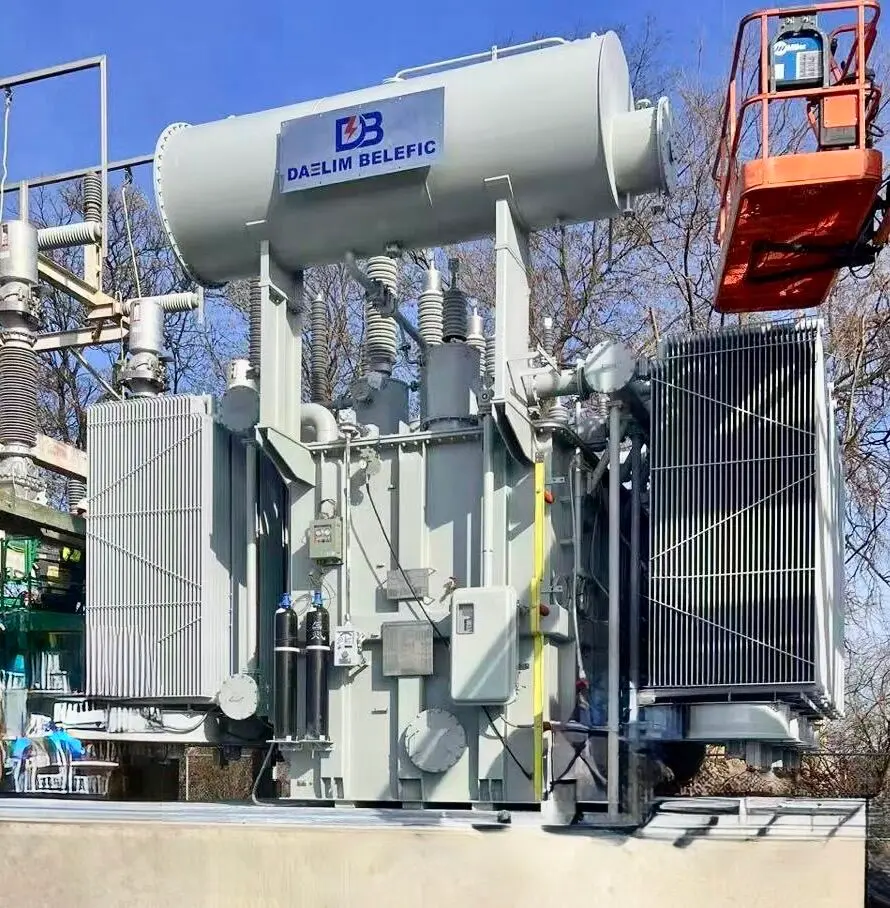
- In data centers, digital transformers can play a good role by delivering stable voltage, overload protection, and tracking.
- In renewable plants, it can effectively balance loads and stabilize voltage, while also maintaining smooth integration with the smart grid.
- It can provide utilities with real-time grid performance data, faults, and energy losses. It makes it a great option for modern-day use in utilities.
- It can be a worthwhile addition in industrial buildings. With its reduced downtimes and savings in cost, its monitoring gives a big plus here.
- It can also allow for smooth coordination between renewables, batteries, and local loads, by managing bidirectional power flow and maintaining voltage quite efficiently.
Conclusion
The digital transformer is among those big technological advancements in power systems, where traditional engineering meets with IoT, AI, and real-time monitoring, which makes the system smarter, safer, and efficient. These help the transformer to make data-driven decisions that can really reduce downtime, improve reliability, and improve performance.
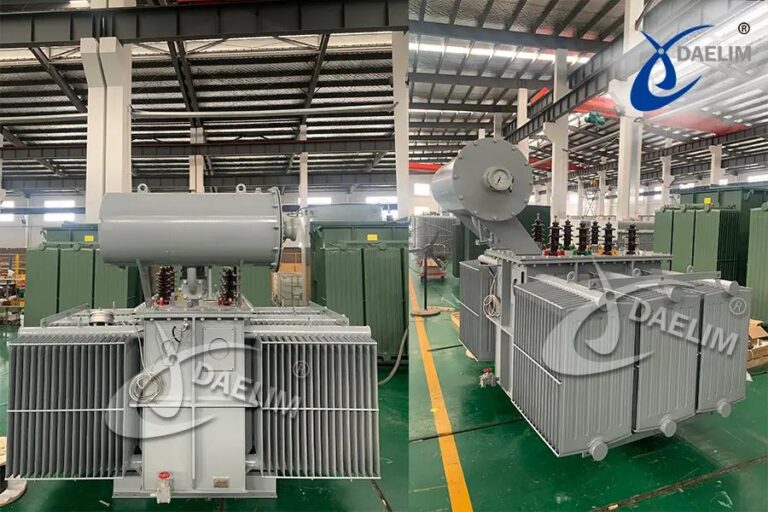
We, Daelim Transformer, became a respectable name in the transformer manufacturing industry. We are now on the front line in this digital revolution in designing medium and high-voltage digital transformers.
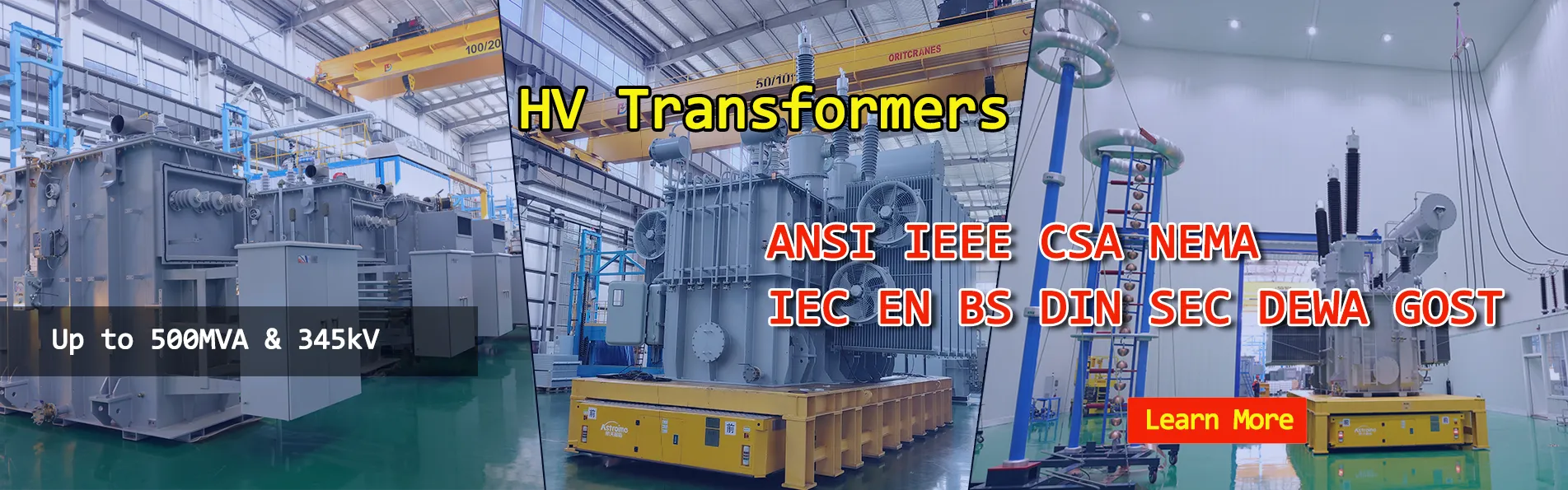
For utilities, industries, and renewable projects, we can provide the digital transformer solution that powers the world more elegantly. Looking for a reliable digital transformer solution for your projects? Contact Daelim Transformer Today to get a professional technical proposal and a free quote from our engineering team!
 English
 Polish
 German