
Power distribution transformers are critical components in electrical infrastructure, serving to step up or step down voltages for efficient transmission and distribution of electricity. Here, we delve into their standard features, operational principles, and selection criteria.
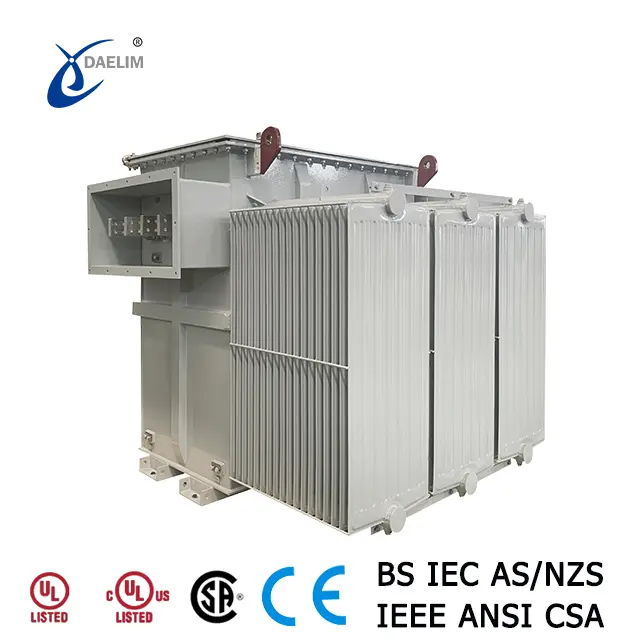
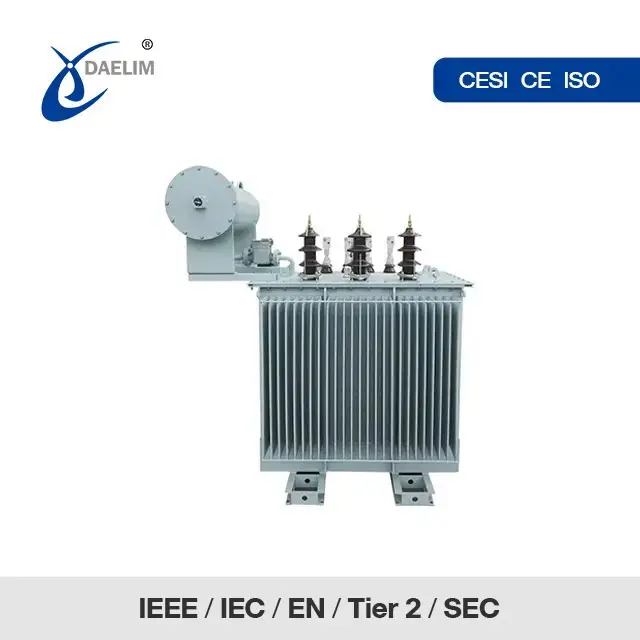
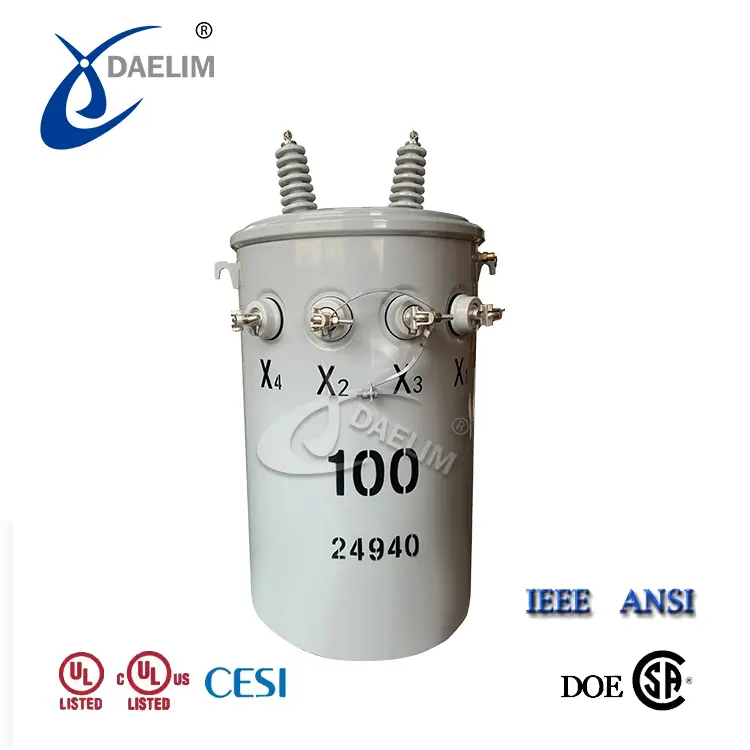
Components of Power Distribution Transformers
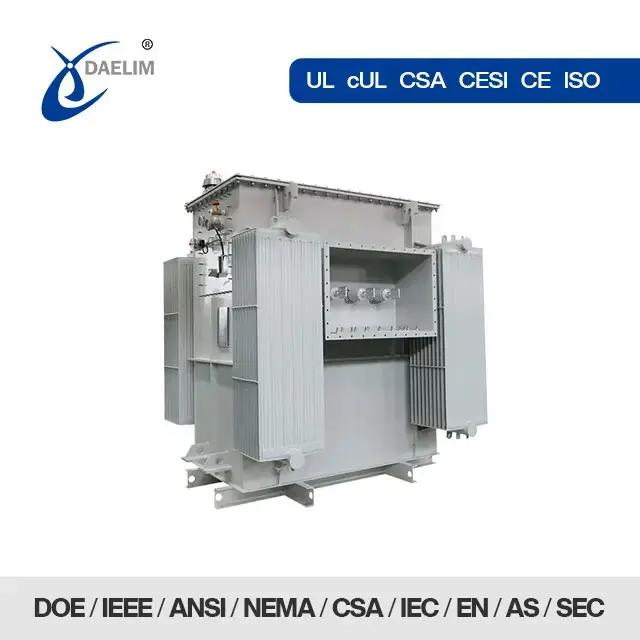
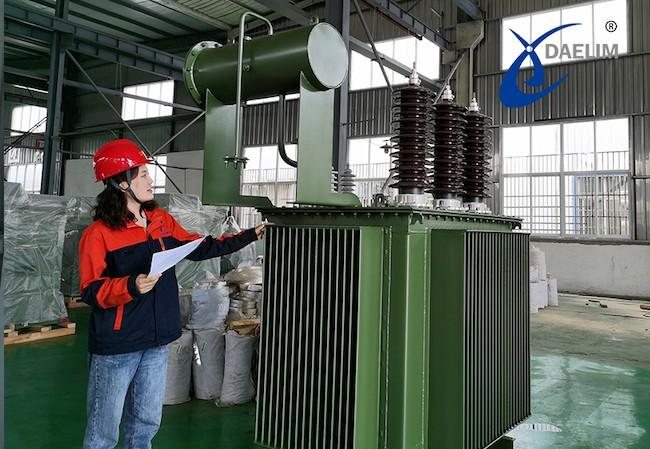
Oil Tank: Houses insulating oil that aids in cooling and insulation.
Airways: Allow for ventilation and heat dissipation.
Oil Level Indicator: Monitors the oil level for maintenance purposes.
Temperature Detector: Ensures the transformer operates within safe temperature limits.
Pressure Relief Mechanism: Prevents excessive pressure buildup inside the transformer.
Temperature Switch: Activates cooling systems based on temperature thresholds.
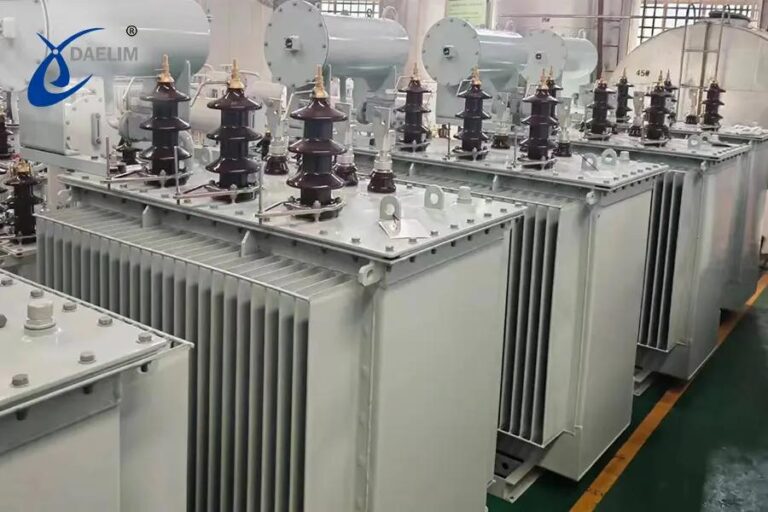
Radiator: Enhances cooling efficiency by dissipating heat from the oil.
Bushing: Insulated device for conducting current into or out of the transformer.
Reading more: How to choose the best distribution transformer?
Operational Characteristics
- High Voltage Input: Receives high-voltage electricity from transmission lines.
- Low Voltage Output: Provides lower voltage suitable for local distribution.
- Efficiency: Operates optimally at 70%-75% efficiency under normal load conditions.
- Material: Typically utilizes CRGO (Cold Rolled Grain Oriented) steel for its core due to low iron loss.
- Amorphous Substances: Some transformers use amorphous materials for improved efficiency.
Working Principle
Power distribution transformers operate on the principle of electromagnetic induction:
- Core and Windings: The transformer core made of soft magnetic material (often CRGO) enhances magnetic flux linkage between primary and secondary windings.
- Coils: Primary coil connects to the power supply, inducing an alternating magnetic flux.
- Voltage Transformation: Secondary coil outputs a lower voltage, maintaining a proportionate relationship based on the turns ratio of the windings.
Get it free: 500 kVA Distribution Transformer for the Greek Market
Selection and Installation
Choosing the right distribution transformer involves:
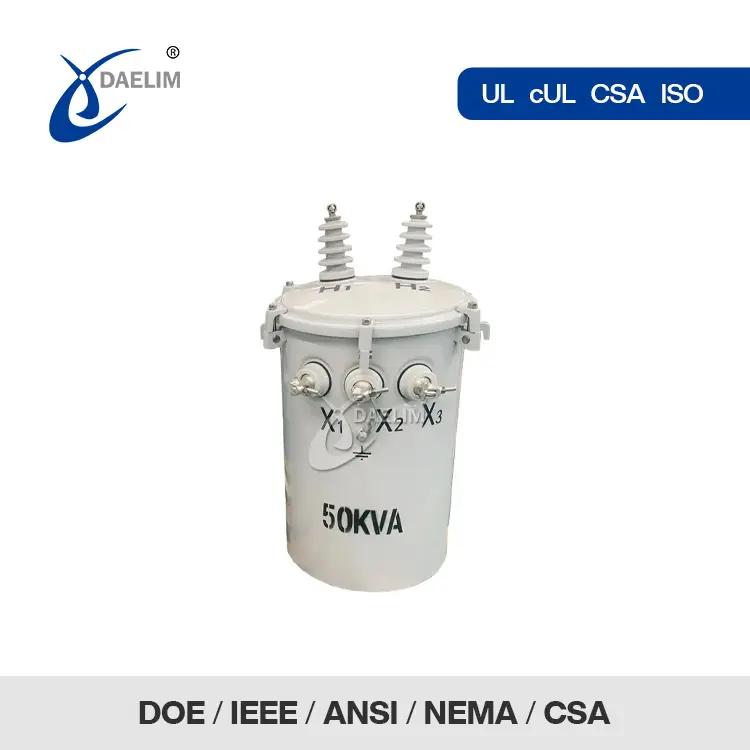
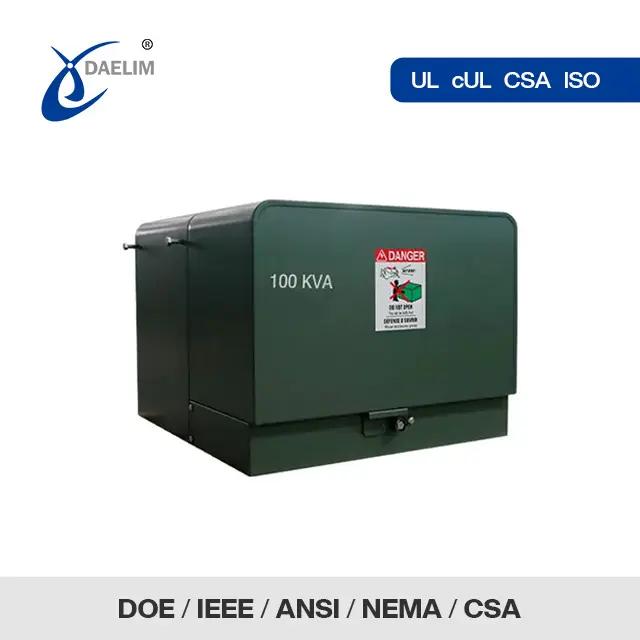
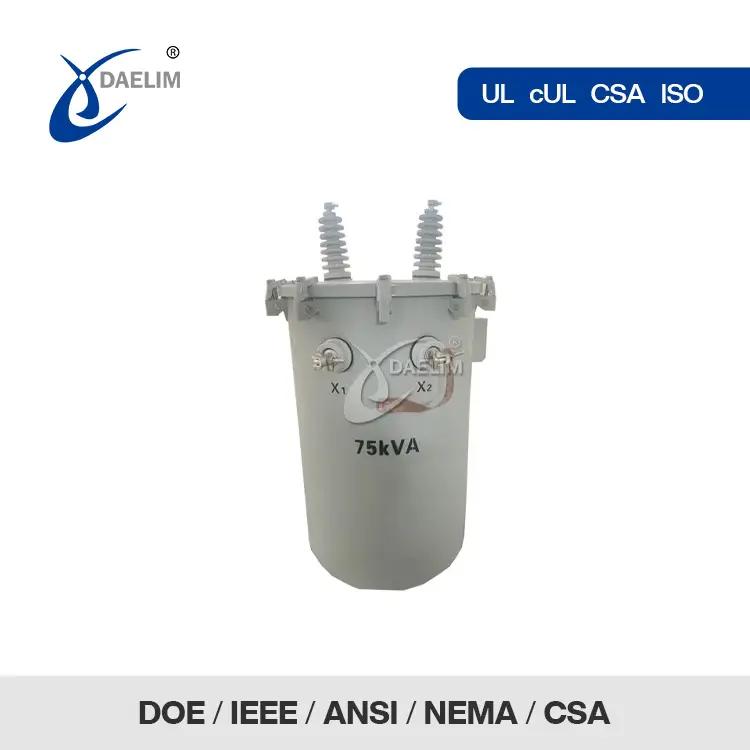
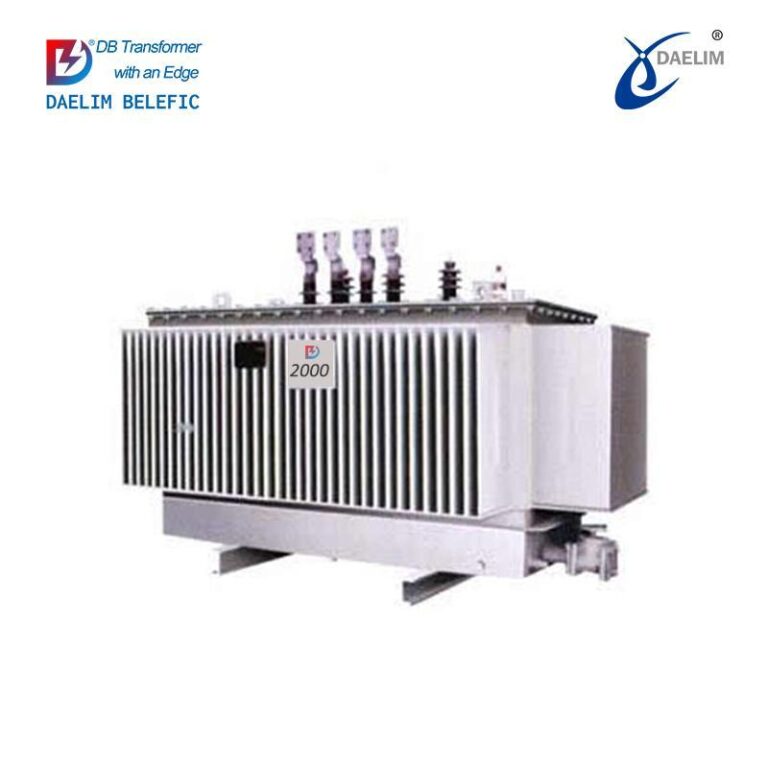
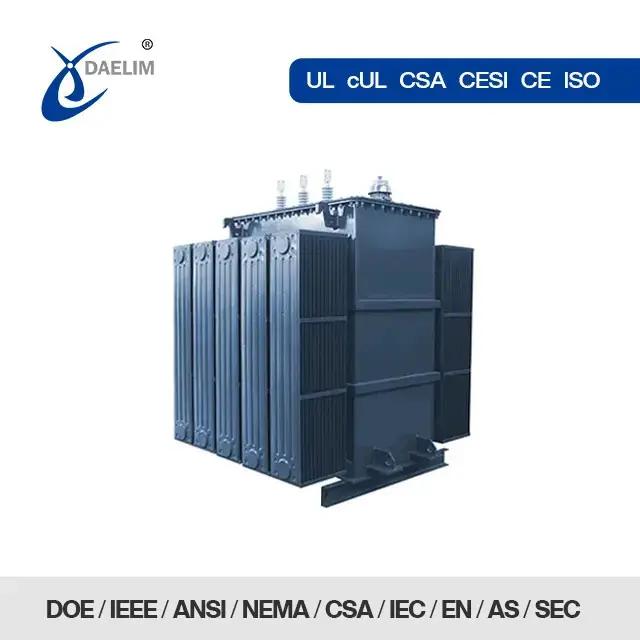
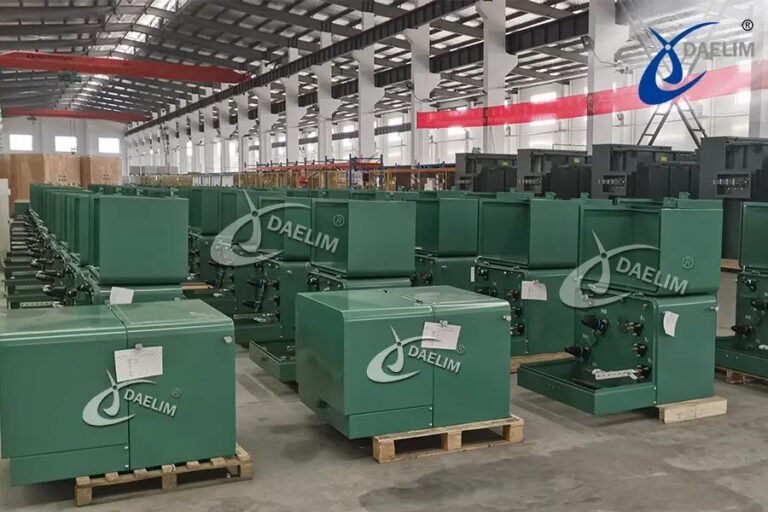
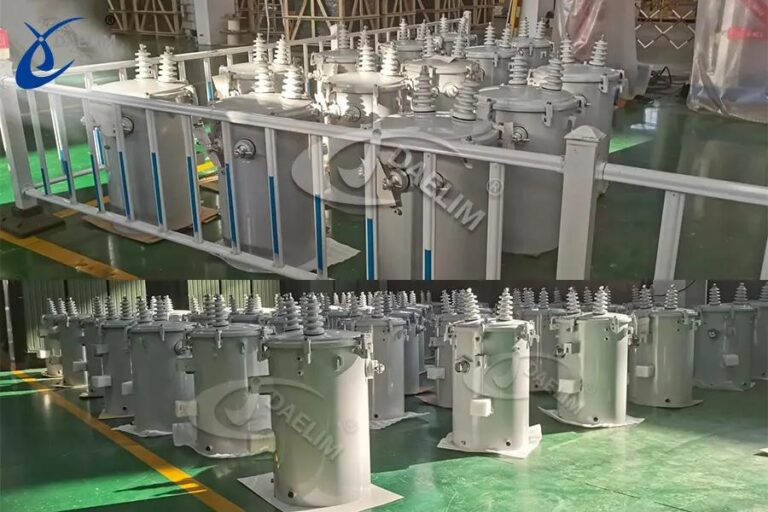
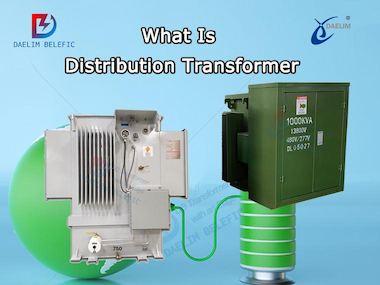
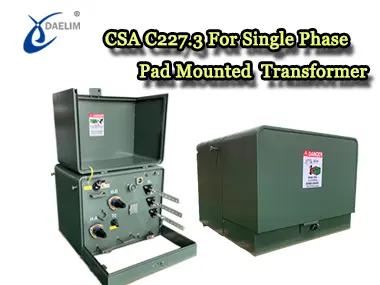
- Type: Selecting between substation-type, pole-mounted, or pad-mounted transformers based on application and space availability.
- Specifications: Considering rated capacity (kVA), input/output voltage requirements, and any special needs such as environmental considerations (e.g., oil vs. dry type).
- Supplier Selection: Opting for reputable manufacturers with certifications (e.g., UL, CSA, IEC) and a track record of quality and reliability.
Step-by-Step Guideline On Installing A Transformer
Importance in Electrical Systems
Distribution transformers are indispensable in:
- Power Transmission: Reducing high voltages from substations for safe local distribution.
- Voltage Regulation: Ensuring stable voltage levels suitable for residential, commercial, and industrial applications.
- Efficiency: Minimizing power loss and enhancing energy efficiency across the grid.
More about Transformer Efficiency
Conclusion
Power distribution transformers form the backbone of electrical distribution networks, enabling safe and efficient transmission of electricity from substations to end-users. Understanding their components, operational principles, and selection criteria is crucial for ensuring reliable and effective electrical infrastructure.
For reliable distribution transformers tailored to your needs, consider partnering with trusted manufacturers like Daelim Transformer, known for their commitment to quality and innovation in transformer technology.
 English
 Polish
 German