
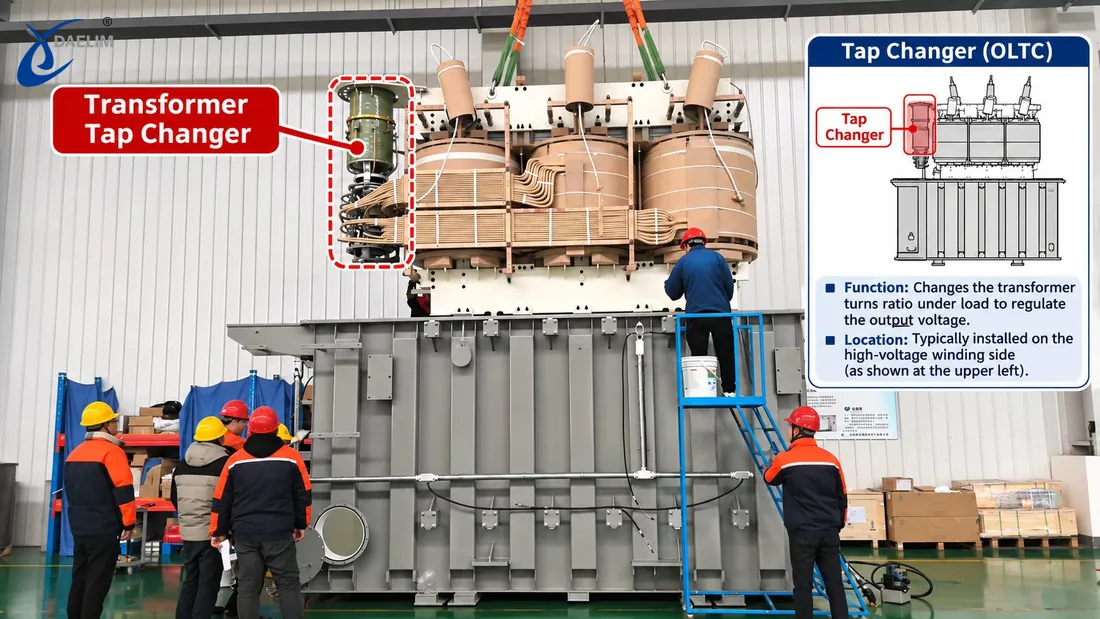
Voltage regulation is the only aim of an Electrical Transformer. The transformer has to do this in a working condition where the incoming voltage and the demand are changing continuously. To handle this continuously changing input and output voltages electrical Transformers have a component called Transformer tap changer.
Our article will be all about what a transformer tap changer is, its working principle, range types, and general maintenance. We will also have a brief comparison of the leading tap changer brands to conclude the best available options for your transformer.
What Is a Transformer Tap Changer?
A transformer tap changer is a mechanical device that is designed and developed to adjust the transformer turn ratio of the winding. The Transformer tap changer adjusts the Transformer turn ratio by adjusting the tapping point on the Transformer winding. Each tapping point of the transformer winding is connected to a different level of the winding that establishes a different turn ratio in the transformer.
Purpose of Tap Changing in Transformers
The primary purpose of the transformer tap changer is to ensure that the output offered by the transformer remains independent of input fluctuation. It ensures that the secondary voltage remains stable (typically within the 5 to 10%) even when the input voltage is changing.
The transformer tap changer also works to adjust the transformer internal working when there is a sudden increase in load attached to the transformer output. Increase in load can cause voltage drop in transformer and transmission lines. Tap changer adjusts the transformer turn ratio to match the voltage needed by load.
An efficient transformer tap changer improves the working of the transformer and makes it more reliable. It offers improved power quality, reduces losses and also prevents over-voltage or under voltage conditions. This helps enhance your overall stability of the electrical network.
Transformer Tap Changer Working Mechanism
As we all know that the transformer winding is made by winding a copper wire on the core. As more and more wires are wounded, the thickness of the winding increases and so does the number of turns. This number of turns decides the working and output voltage of the transformer.
During the construction of the transformer winding, taps are fixed along the thickness of the winding. Each tap is connected at a different point with a fixed number of turns under it. So when needed, the transformer tap changer changes the tap position which changes the number of turns of the secondary winding. This instantly changes the transformer internal working and output voltage.
Transformer Tapping Range
The transformer tapping range is a quantitative measure of how much voltage adjustment is possible with the help of a tap changer. This transformer tapping range is usually expressed in percentage.
A typical transformer tapping range includes any number of tap positions for total range that can be 5%, 7.5% or 10% in both higher voltages (plus percentage value) and lower voltage (minus percentage value). This is different from tapping step size which is typically between 1.25%, 1.5% or 2.5%.
Types of Transformer Tap Changers
Generally speaking there are two main types of transformer tap changer. One is called no load tap changer and one is called load tap changer. We will discuss both in great detail and will have a one to one comparison of both types of Transformer tap changer.
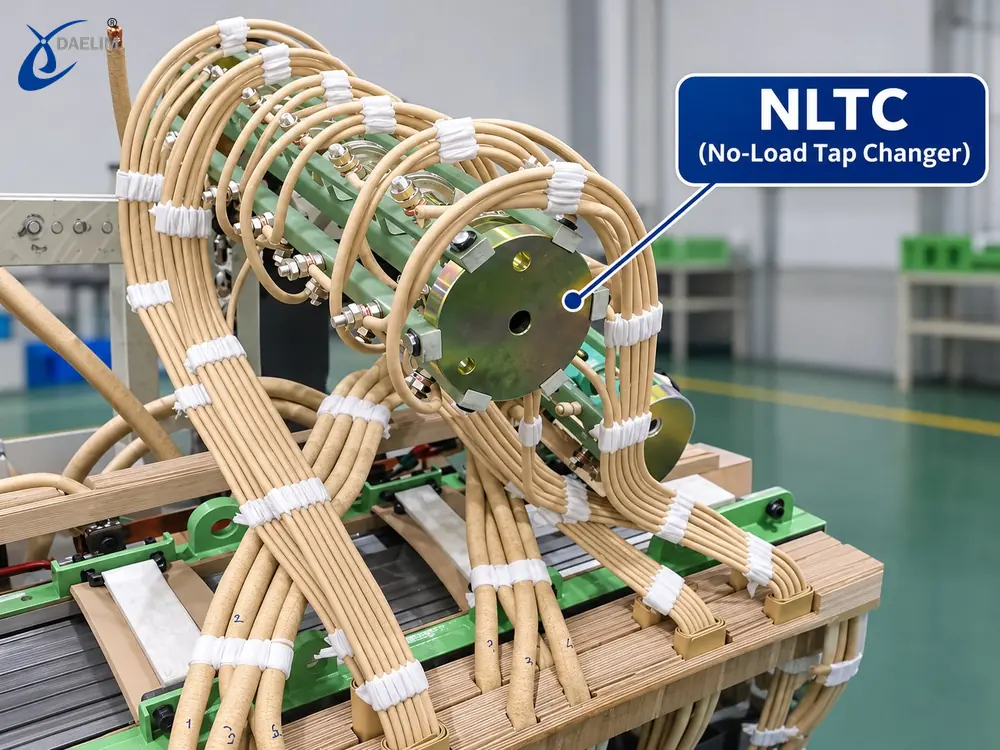
No Load Tap Changing Transformer (NLTC Transformer)
The no load tap changer as their name says is a type of Transformer tap changer that works when there is no load on the Transformer. or we can say that this Transformer tap change is used after the energy of the Electrical Transformer. The tap position of the transformer remains fixed during the operation even if there is a variation in the load or incoming voltage.
The no load tap changer is used in Transformers that are part of local or small scale distribution systems. These step changes are used in rural area electricity distribution systems, in transformers of small substations and in fixed voltage applications.
There are some limitations of these no load tap changer Transformers and these include,
- Real time control over the fluctuating voltage demand or supply
- An additional step of shutting down the Transformer to change the tap position
- Cannot be used in any application where there is even a small fluctuation in supply or load
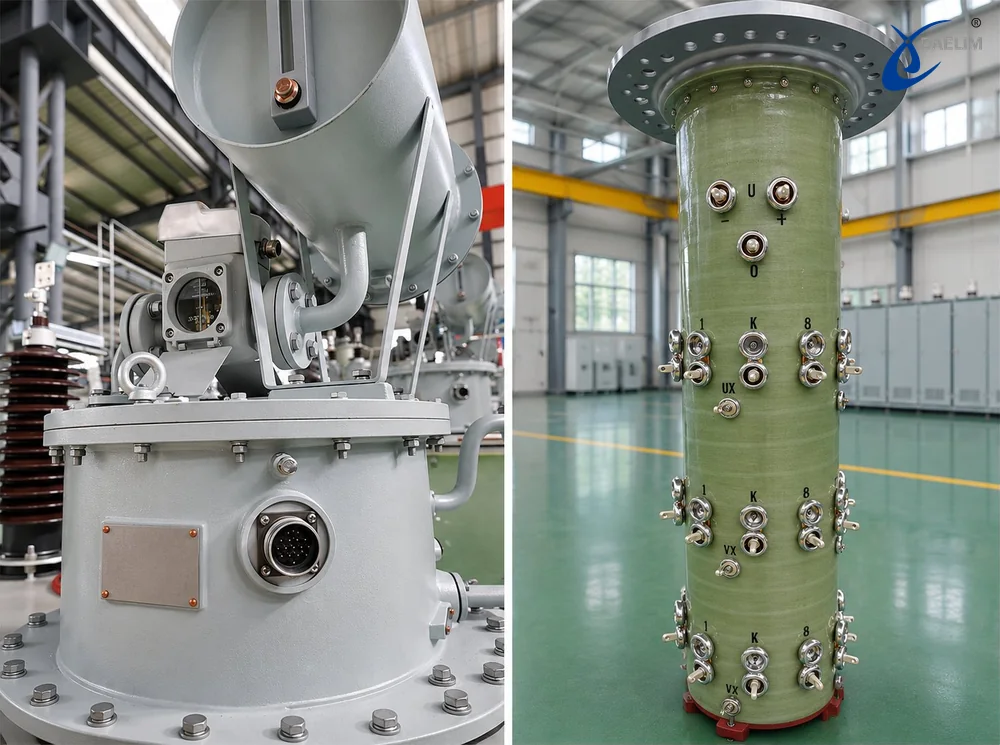
Load Tap Changer Transformer (OLTC Transformer)
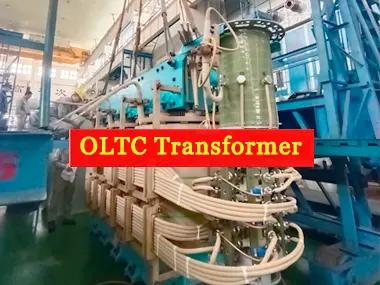
The load tap changers as their name says or type of Transformer tap changer that can change their tap position while the transformer is working and is properly energized. Its load tap changer uses a diverter switch and a transition resistor to change the tap position of the transformer without interrupting load current. Sometimes the load tap changer also uses a reactor to change the tap position file the transformer is working on.
These load tap changers are considered a better option as compared to the no load tap changers. This is because the load current is only momentarily diverted and the transformer can continue to operate during change. In load tap changer the arcing is controlled using oil or vacuum interrupters and the voltage remains stable during.
There are certain advantages of using load tap changer for voltage regulation and that include
- A continuous control over the Transformer operation and output voltage
- Improved power quality due to continuous operation
- Offer much better grid stability and reliability of the grid operations
Comparison Between NLTC and OLTC
| Feature | NLTC | OLTC |
|---|---|---|
| Operation | Off-circuit | On-load |
| Cost | Low | High |
| Voltage regulation | Limited | Continuous |
| Application | Distribution | Power & grid |
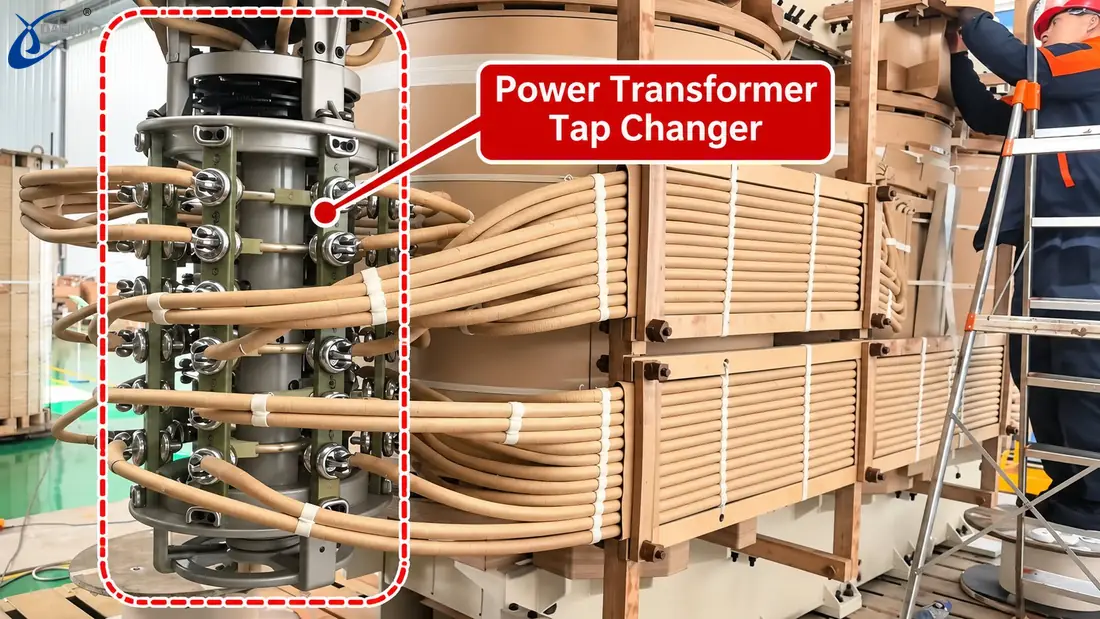
Power Transformer Tap Changer
Power Transformers are used in electrical power generating plants. They are responsible for transmission of power from the plant to the local distribution. Thus these transformers face much more fluctuation in input power than any other Electrical Transformer.
So the Power Transformers rely heavily on load tap changer to maintain voltage level across the transmission system. In power transformer tap changers help regulate voltage during peak and off peak loading condition insurance system reliability.
Power transformer tap changer are specifically designed for high Voltage and voltage fluctuation. They are responsible for system stability reduce losses and protect equipment from damage
Distribution Transformer Tap Changer
The distribution Transformers are quite diverse in the range and their true application. These Transformers can be used in national grid stations for distribution of electricity between national grid and local grid stations. These Transformers are also used in local distribution systems and the pole mounted Transformer that you see around your neighbourhood is also a distribution transformer.
So depending on the true application of distribution the Transformer. Your distribution transformer tap changer can be a no load tap changer or it can be a load tap changer. Most of the distribution Transformers that you see around your neighbourhood have no load that changes. The distribution transformer used in national or local grid stations can have load tap changer.
OLTC Transformer Specification
If you are an electrical engineer working on the on load tap changer then there are certain specifications related to the tap changer that you need to consider. These specifications of tap changer are helpful in deciding which type or what range of tap changer is needed for a specific transformer.
The on load that change your Transformer specification include
- The voltage and current rating of the transformer
- The number of tap positions required for a specific transformer
- The required switching capacity of the tap changer against specific transformer
- This insulation level needed by the tap change your to satisfy the specific standard and Transformer design
The OLTC are designed to withstand
- High short circuit currents
- Frequent mechanical operations
- Long service life under harsh conditions
Transformer OLTC Maintenance
In transformers where an on-load tap changer is installed on load, the tap changer is one of the most stressed parts of the transformer. This is because in a high fluctuating environment the Transformer tap changer your continuously adjust Transformer turn ratios to match the supply and demand. So on load tap changer needs continuous maintenance as poor maintenance can lead to complete Transformer failure.The common on load tap changer maintenance include
- Oil testing and filtration
- Contact point inspection
- Drive mechanism inspection and lubrication
- Timing and operational checks
If not maintained properly the Transformer on load tap changer can fail. however before failing the tap change you will give certain signs that includes.
- Increase contact resistance
- An abnormal noise during tap changing process
- Presence of oil contamination in oil during the schedule inspection and maintenance
- Erratic tap position movement during normal operation
Transformer Tap Changer Brand
There are a number of companies worldwide that design and manufacture transformer tap changers. The two most well known brands are Maschinenfabrik Reinhausen and Huaming. Both work to design and develop transformer tap changer for a bit different clients.
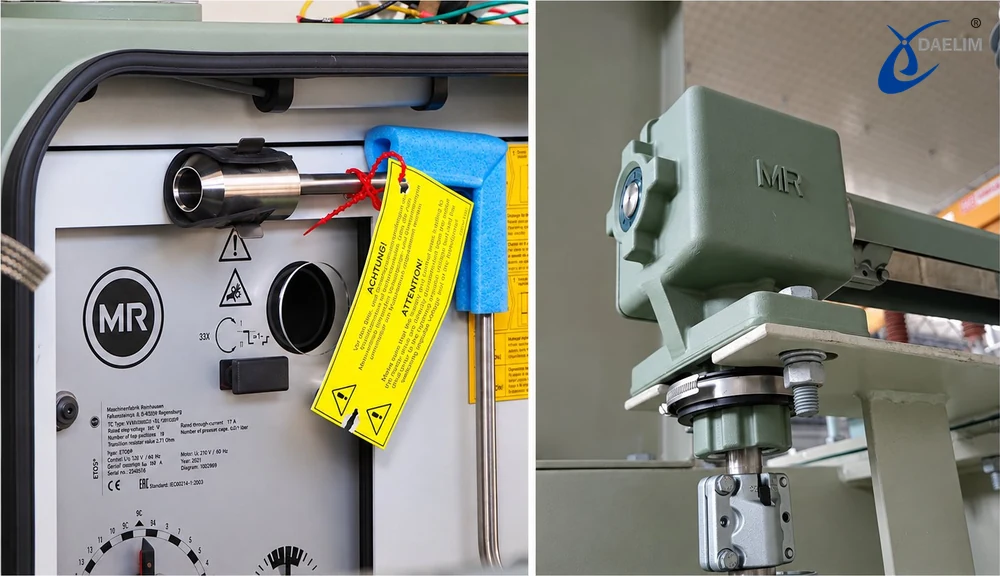
Maschinenfabrik Reinhausen Tap Changer
This company designs and manufactures tap changer for high and electrical Transformers. This is the reason that the tap changer manufactured by this company or your really very high cost tap changer and they need a very trained person and they need a very trained person for maintenance.
However this company is also one of the most well known companies in industry as they manufacture the best OLTC for transformers. Their OLTC offer high reliability and long service life even in the most demanding conditions. Their OLTCs are designed, developed and integrated in transformers to offer an advanced monitoring solution.
MR initially offered oil type tap changers however their new vacuum type tap changer are completely maintenance free and this reduces the overall life cycle cost of the tap changer. Their VACUTAP technology also offers in tank assembly with resistor type switching principle.
They offer several variants of VACUTAP that range from VI to VM with maximum step voltage rating of 1500V to 3300V respectively with up to 22 tap positions without change over selector. This type has a maximum rated through current rating of 400 to 650 Amp that gives the max step capacity of 600 kVA to 3500 kVA.
Huaming Tap Changers
The Huaming Company has the opposite strategy as they design and build OLTC for general application and offer most cost effective OLTC solutions. Their OLTCs are widely used in ASIA and other developing markets. Their OLTC offer compatibility with distribution and power transformers alike. However their OLTCs offer shorter service life compared to other premium brands and have limited advance diagnostic features. This tap changer is cheaper than the MR tap changer but has limited applications.
They also offer conventional oil type and oil immersed vacuum tap changer that is fitted with several monitoring devices that continuously monitor its condition. Huaming oil immersed vacuum type tap changer includes their five products, the CV2, CM2, CHVT,HWV and SHZVG.
The CV2 is good for up to 132 KV system with max rated step voltage of 2000 V for 10 contacts points and 1500 V for 12 contact points. It has a rated step capacity of 800 kVA.
Their SHZVG variant of oil immersed vacuum tap changer has maximum rated step voltage of 6000V with maximum rated current of 1500A. Its maximum step capacity is 6000 kVA.
Conclusion
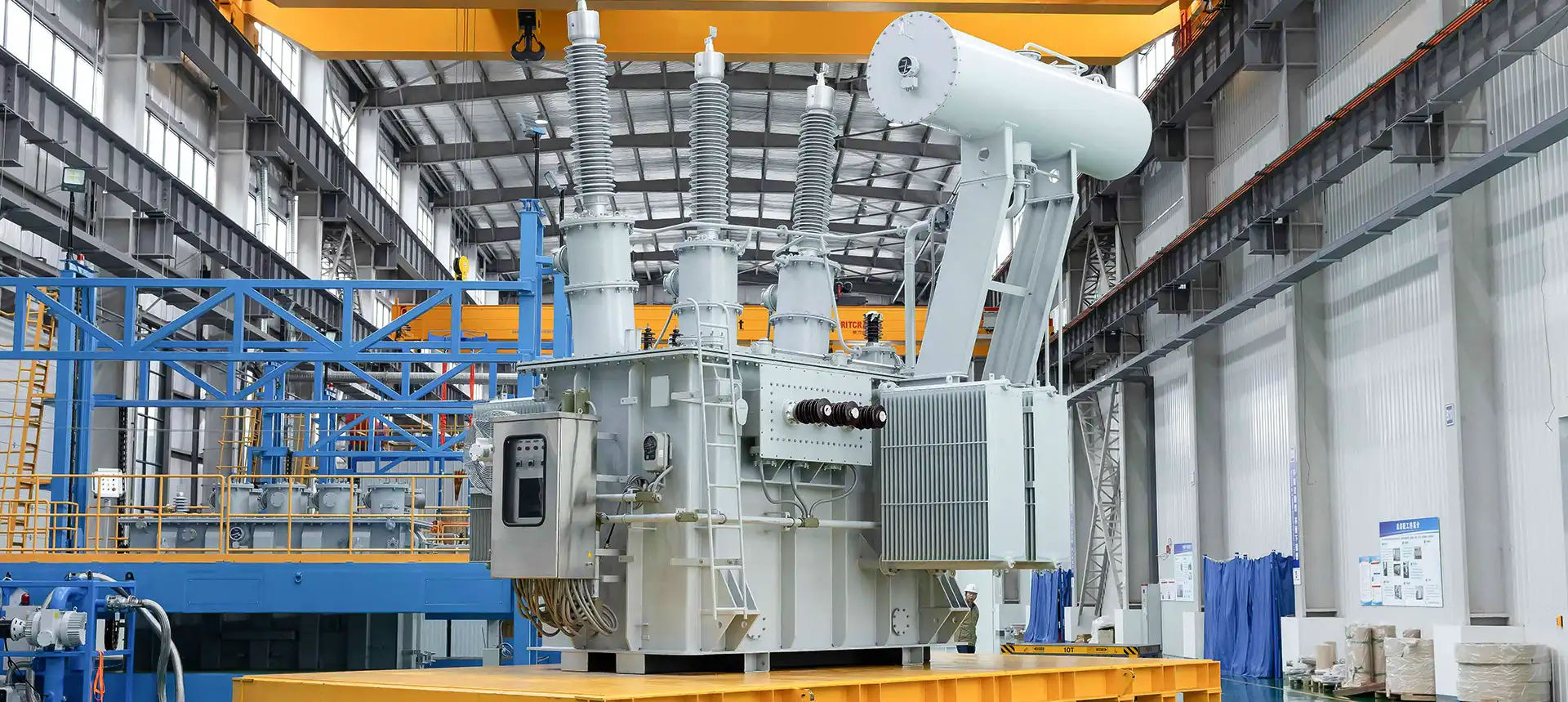
Transformer tap changer is one of the most critical parts of any transformer in this modern age. This is because with increased use of modern electronics the need for reliable and safe electrical power is increasing. Tap changer is the only device on the Electrical Transformer that ensures stable output. At Daelim Belefic, we offer transformers of all types, sizes, and power capacity with very high quality NLTC and OLTC that can comply with any related international standards. If you are in search of a reliable supplier for transformers with standard tap changer installed on it, Contact us.
FAQ
What is the OLTC in a Transformer?
OLTC in a transformer refers to an on load tap changer representing the type of tap changer installation on a transformer.
What is the Difference Between OLTC and Non-OLTC?
The OLTC can change the tap position of the transformer while the transformer is fully energized and is operating. The non OLTC needs the de-energizing of the transformer before changing tap position.
Which Side of the Transformer is the Tap Changer Provided?
The tap changer is provided mostly on the High voltage side of the transformer. This is because the high voltage side carries lower current that offer reduced arcing during switching. However, depending on the true application and client specification, tap changer can also be installed on low voltage side or even on both sides of the transformer.

 English
 Polish
 German