
This paper mainly introduces the use of transformers, including step-up transformers, voltage drop transformers, autotransformers, single-phase transformers, and three-phase transformers. Secondly, it briefly describes the causes of transformer fire and explosion.
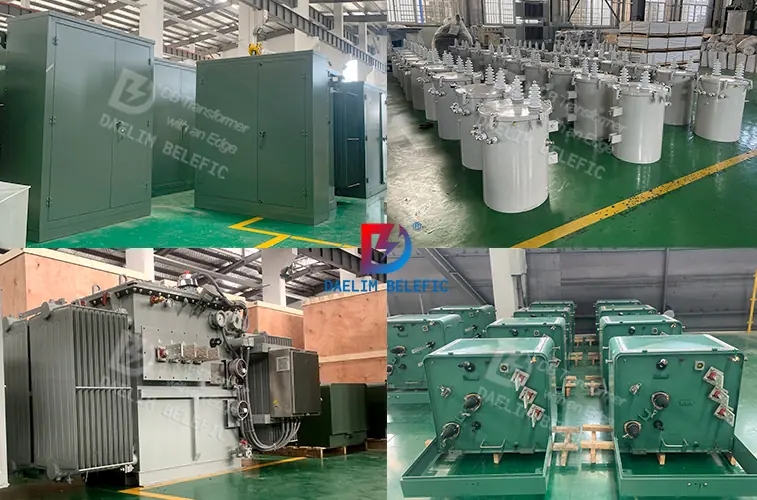
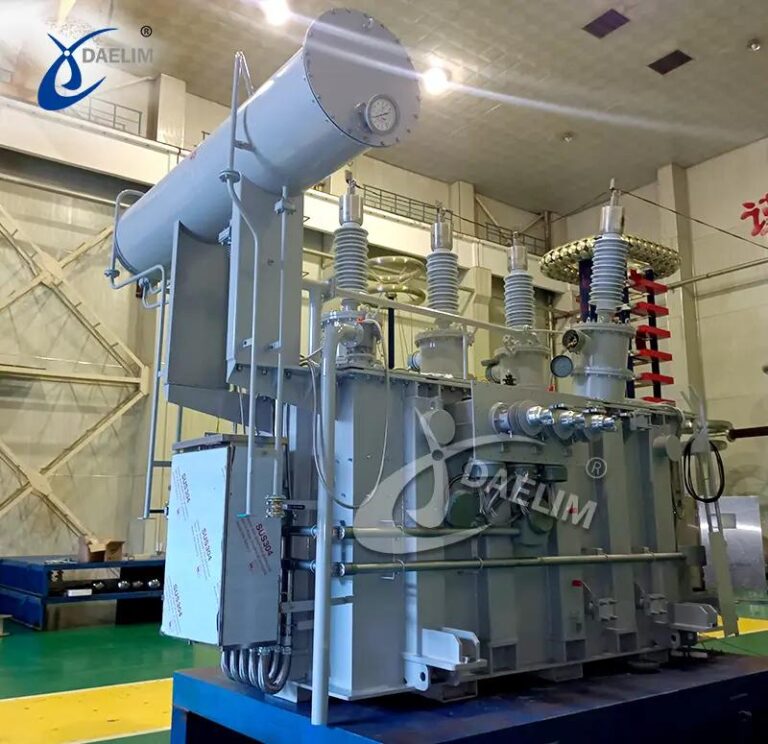
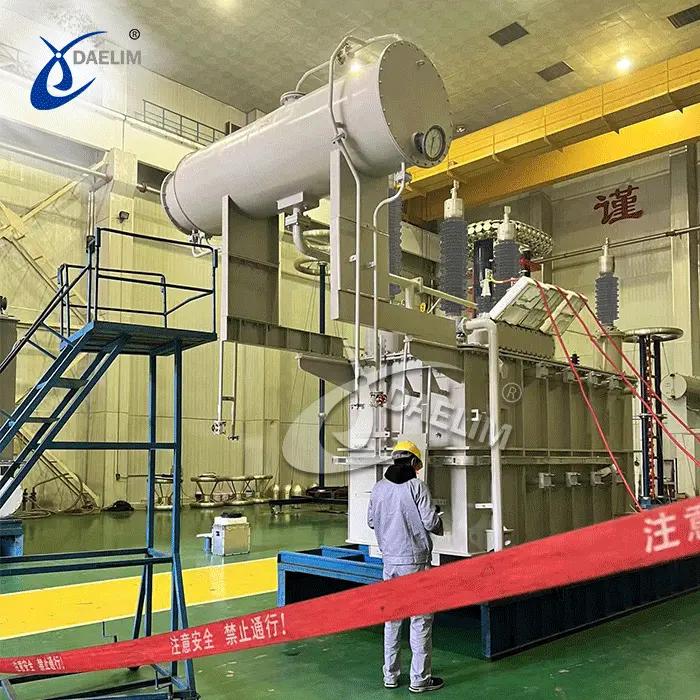
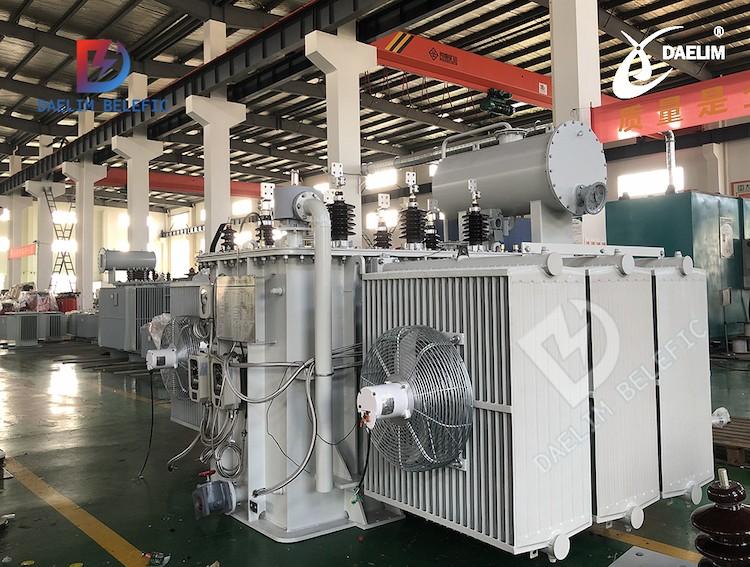
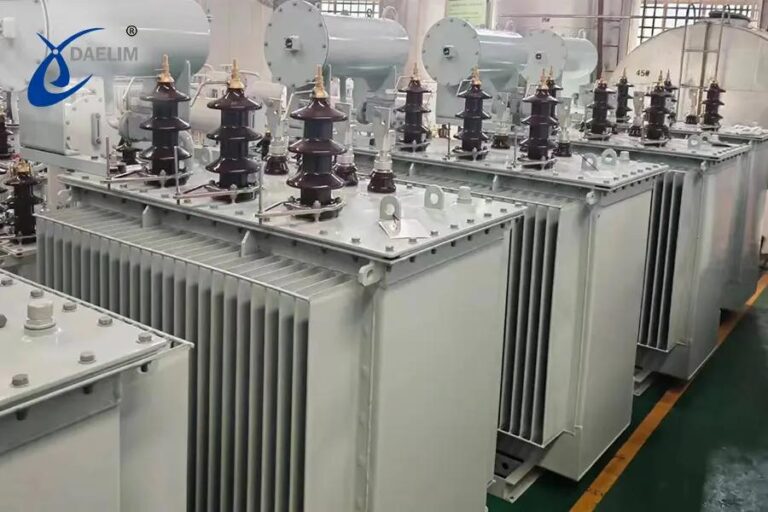
Daelim manufactures many types of transformers, which comply with ANSI / IEEE, CSA, IEC, AS, and many other international standards. Daelim’s transformers include single-phase pole-mounted transformers, single-phase pad-mounted transformers, three-phase pad-mounted transformers, substation transformers, etc. A large number of transformers manufactured by Daelim are exported to the United States, Australia, Canada, the Philippines, and other countries, with many North American markets and customers. Welcome to consult me at any time!
What is the purpose of a transformer?
Transformers adjust voltage levels in electrical systems for efficient power transmission and distribution. They can step up or step down voltage as needed. Special transformers are designed for specific industrial uses, such as welding or powering furnaces. Instrument transformers measure and protect electrical systems by scaling voltage and current. Test transformers generate high voltages for equipment safety testing. Voltage-regulating transformers maintain stable output despite load changes. Control transformers provide electrical isolation for safety and multiple voltage outputs for control systems, ensuring safe and reliable operation.
Read more: Do You Know How To Do a Transformer Test?
What is the industrial application of transformers?
Transformers play a crucial role in various industrial applications, enhancing the efficiency, safety, and functionality of electrical systems. Here are key industrial applications of transformers:
- Power Distribution: Transformers adjust voltage levels to ensure efficient transmission of electrical power from generation sources to industrial facilities. They step up voltage for long-distance transmission and step down voltage for local distribution.
- Industrial Machinery: Transformers supply the necessary voltage and current levels for heavy-duty machinery and equipment, such as motors, pumps, and compressors, ensuring their proper operation and efficiency.
- Welding: Welding transformers are specifically designed to provide the high currents required for various welding processes, including arc welding and resistance welding, ensuring reliable and consistent welding performance.
- Steelmaking: Furnace transformers are used in electric arc furnaces and induction furnaces to supply the high power needed for steel production and other high-temperature processes.
- Electroplating and Chemical Processing: Specialized transformers are employed to provide precise voltage and current control for electroplating and other chemical processes, ensuring quality and consistency in the final products.
- Test Equipment: Test transformers generate high voltages for testing the insulation and performance of electrical equipment, helping to ensure that equipment can withstand operational stresses and maintain safety standards.
- Control Systems: Control transformers are used in control panels and automation systems to provide electrical isolation and multiple voltage outputs, ensuring safe operation of control circuits and protecting sensitive components from voltage fluctuations.
- Renewable Energy: In renewable energy systems, such as wind and solar power installations, transformers are used to step up the voltage from generation equipment to match the grid voltage for efficient integration into the power grid.
Overall, transformers are integral to industrial operations, facilitating power management, equipment functionality, and process control across a wide range of applications.
Maybe enjoy: Transformers Solutions for Industrial and Commercial Buildings
Use of step up transformer
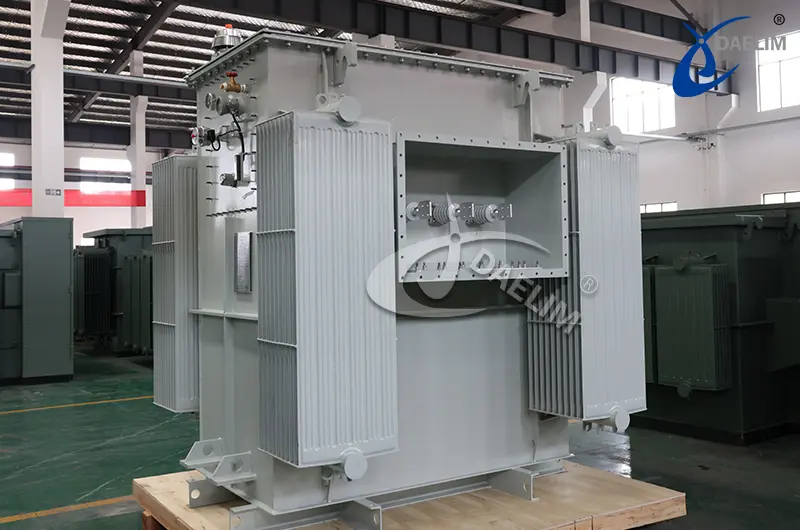 The primary function of a step up transformer is to increase voltage levels. This capability is crucial in power plants, transmission substations, and transformation stations, where it is essential to enhance voltage for efficient power transmission. Step-up transformers play a key role in addressing voltage compensation and boosting requirements to meet the needs of power transmission, industrial operations, commercial applications, and factory construction.
Learn more: Step Up Transformer VS Step Down Transformer
Use of step down transformer
Step-down transformers are extensively utilized in electrical and electronic circuits. In power supply systems, step-down transformers are employed within the power distribution network to reduce voltage levels as needed. They are used at various stages of power supply to ensure that voltage is appropriately decreased. In electronic equipment, step-down transformers are essential for converting higher input voltages to lower operating voltages suitable for the equipment. This type of transformer is commonly found in adapters for diverse electronic devices and low-voltage applications, ensuring compatibility and safe operation.
Reading more about Step Down Transformer
Use of autotransformer
When primary and secondary isolation is not required, an autotransformer is used, which has the advantages of small size, less consumables and high efficiency. When using an autotransformer, it is mainly to save coils and reduce costs. It also has the functions of an ordinary transformer, that is, to increase or decrease circuit voltage, isolate and reduce impedance. At present, in high-voltage and large-capacity power transmission systems, autotransformers are mainly used to connect two power grids with similar voltage levels as a contact transformer. In laboratories, autotransformers with sliding contacts on the secondary side are often used as voltage regulators. In addition, autotransformers can also be used as starting compensators for asynchronous motors.
Read more: Power Transformer In Substation
Single phase transformer uses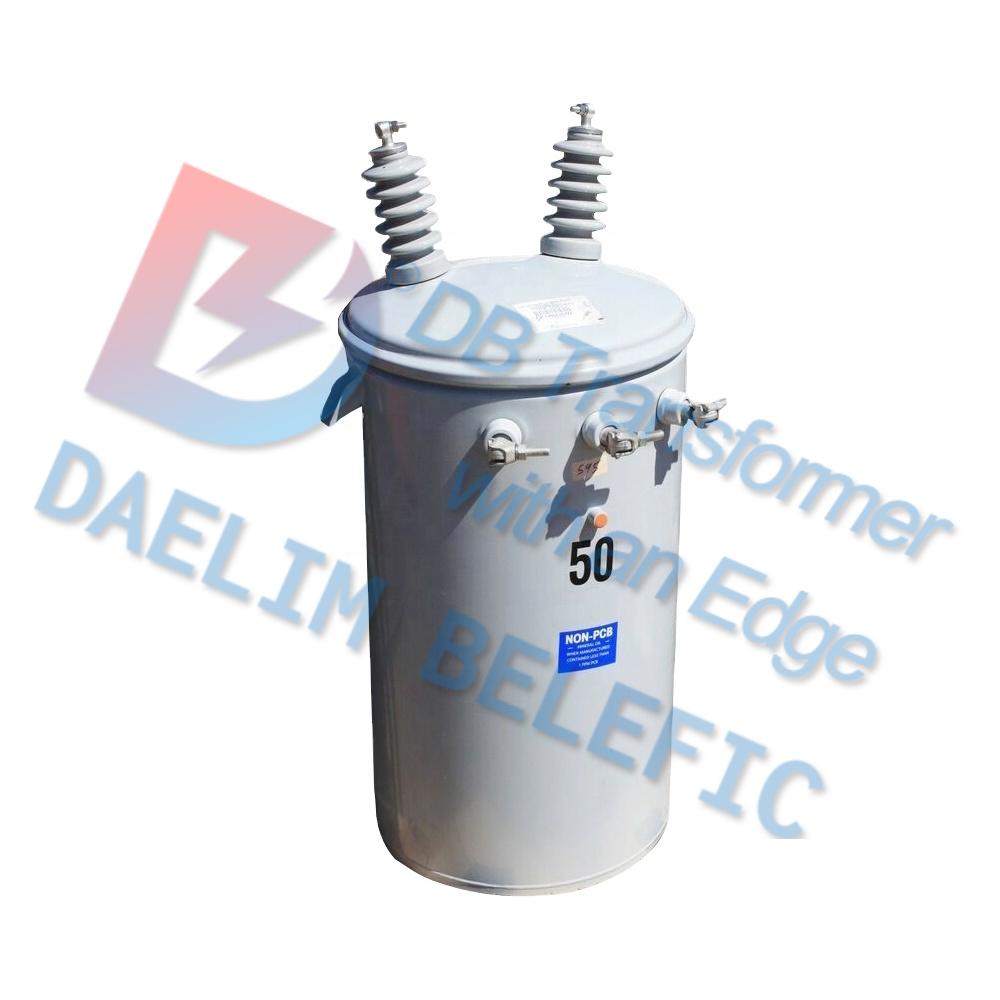
The single-phase transformer is simple in structure, small in volume, and low in loss, mainly due to small iron loss. It is suitable for application and promotion in low-voltage distribution networks with low load density. A single-phase transformer is a transformer whose primary winding and secondary winding are both single-phase windings. It is mainly used in residential power supply and distribution networks like small shopping malls.
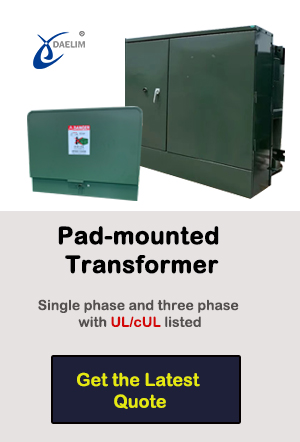
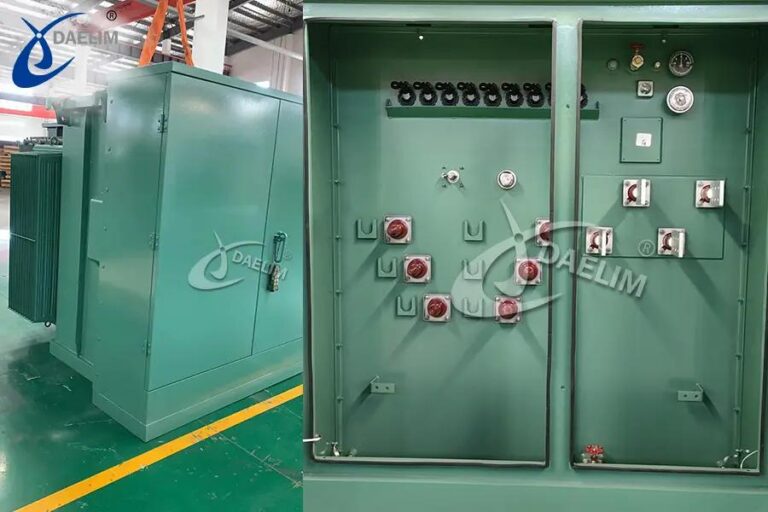
Single-phase transformers can also be divided into pole-mounted transformers and pad-mounted transformers These two types of transformers have very similar applications and are both used in distribution networks. Daelim has rich experience in manufacturing single-phase pole-mounted transformers and single-phase pad-mounted transformers, and a large number of them are exported to the United States, Canada, Mexico, the Philippines, and other countries. If you need a single-phase transformer, please feel free to contact me!
More Resources
Single Phase Pole Mounted Transformer For Guyana
Single Phase Pad Mounted Transformer For USA Utility
Three phase transformer uses
Three-phase transformers are extensively utilized across various sectors, including industry, commerce, renewable energy, energy storage, electric vehicle (EV) charging, and blockchain.
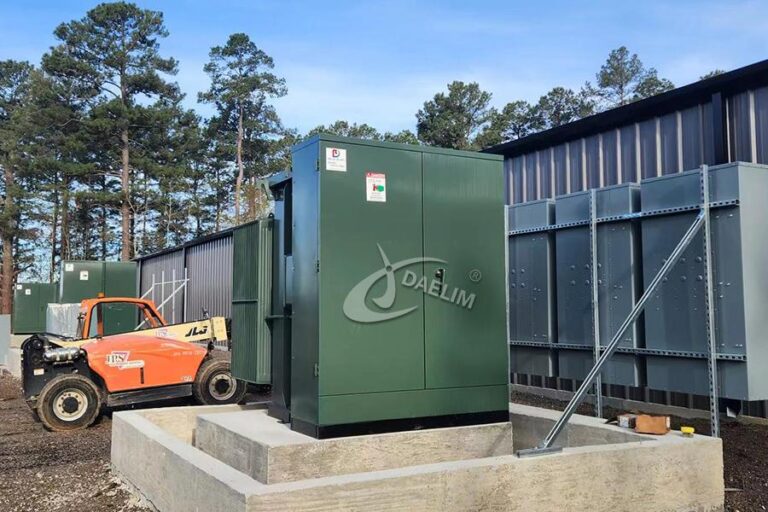
The Daelim three-phase distribution transformer is Available In Stock and is particularly suited for Blockchain applications. It offers capacities ranging from 1,000 to 3,000 kVA and supports voltage levels of 12.47/13.2/13.8/24.94/34.5 kV. Immediate delivery is available for in-stock units. For transformers not currently in stock, we provide a rapid production turnaround time of 8 to 12 weeks.
Learn more : 3 Phase Pad Mounted Transformer
In conclusion
Daelim Transformer is one of the famous transformer manufacturers, with more than 20 years of experience in transformer manufacturing and export. The main export market is North America. The single-phase transformer and three-phase transformer manufactured by Daelim are very popular in the North American market, with excellent quality, affordable price, short delivery cycle, and compliance with various international standards. If you have any transformer needs, please feel free to contact me!
 English
 Polish
 German