
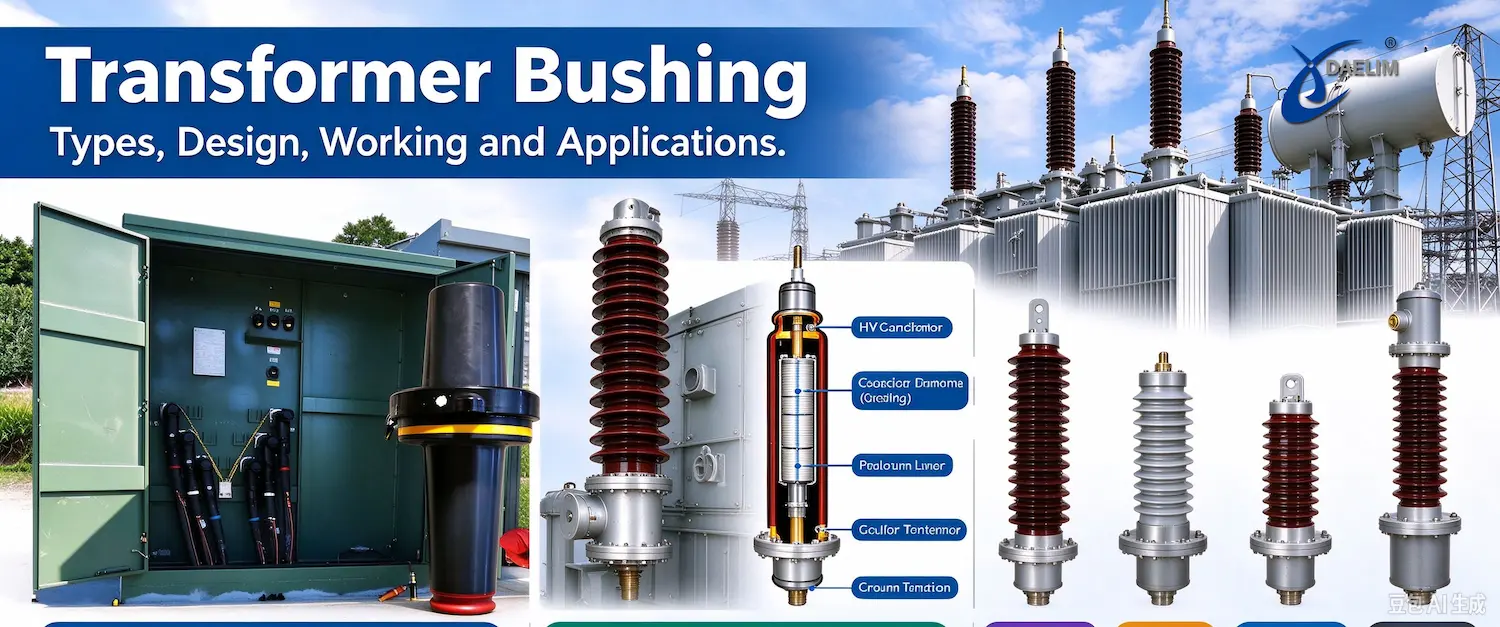
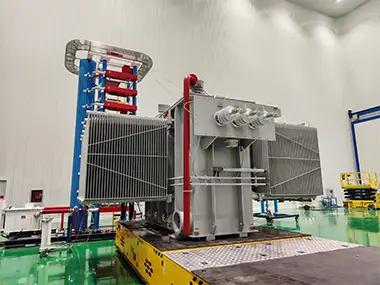
Electrical Transformers are an amazing piece of equipment that work to regulate megawatts of electrical power using components present inside its tank. Transformer bushing is used to safely connect these internal components with external electrical circuits.
In this article we will discuss Transformer bushing in a very comprehensive manner. We will study what bushing is, what are its different types of designs and what is its working principle.
What is Transformer Bushing?
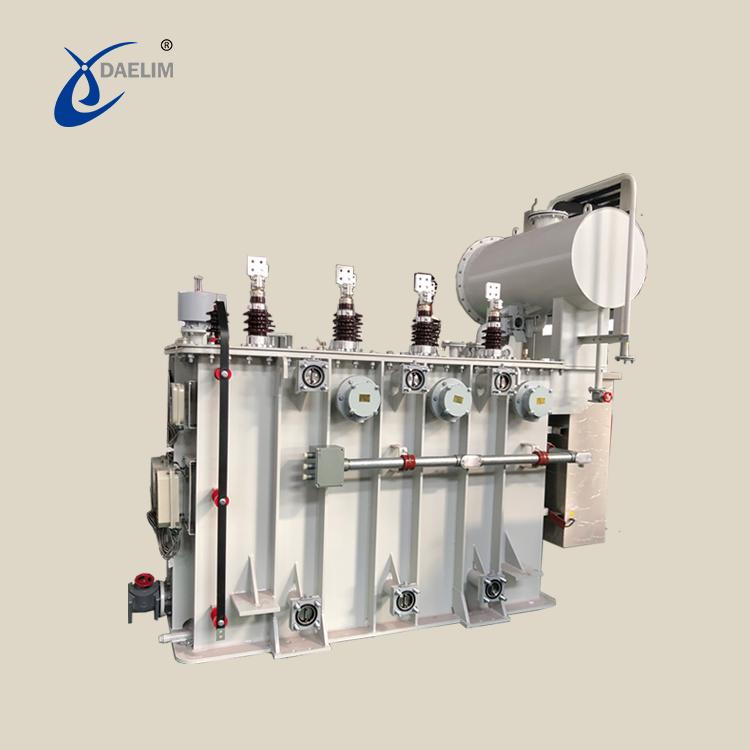
The Electrical Transformer bushing is a critical insulating component of the Electrical Transformer. It allows the Transformer to pass electrical connectors safely and reliability through the grounded Transformer tank to connect internal and external parts.
As per the design and working of Electrical Transformer, the Transformer tank is grounded for safety reasons. Transformer bushing provides the necessary electrical insulation, mechanical support and field control to ensure reliable connection between external and internal transformer electrical components.
How Transformer Bushing Works?
In electrical Transformers a live conductor (that is usually copper wires of strips) must cross grounded metallic Electrical Transformer tanks. The bushing enables this connection in a safe and reliable manner by enclosing the conductor in a carefully designed insulation system. The system is designed to prevent any type of current leaking from incoming or outgoing electrical wires.
The bushings are really designed in order to keep the conductor material as a central piece while the surrounding part of the bushing is made from high quality insulation material. This insulation material ensures that there is a sufficient dielectric strength between the conductor and the grounded tank.
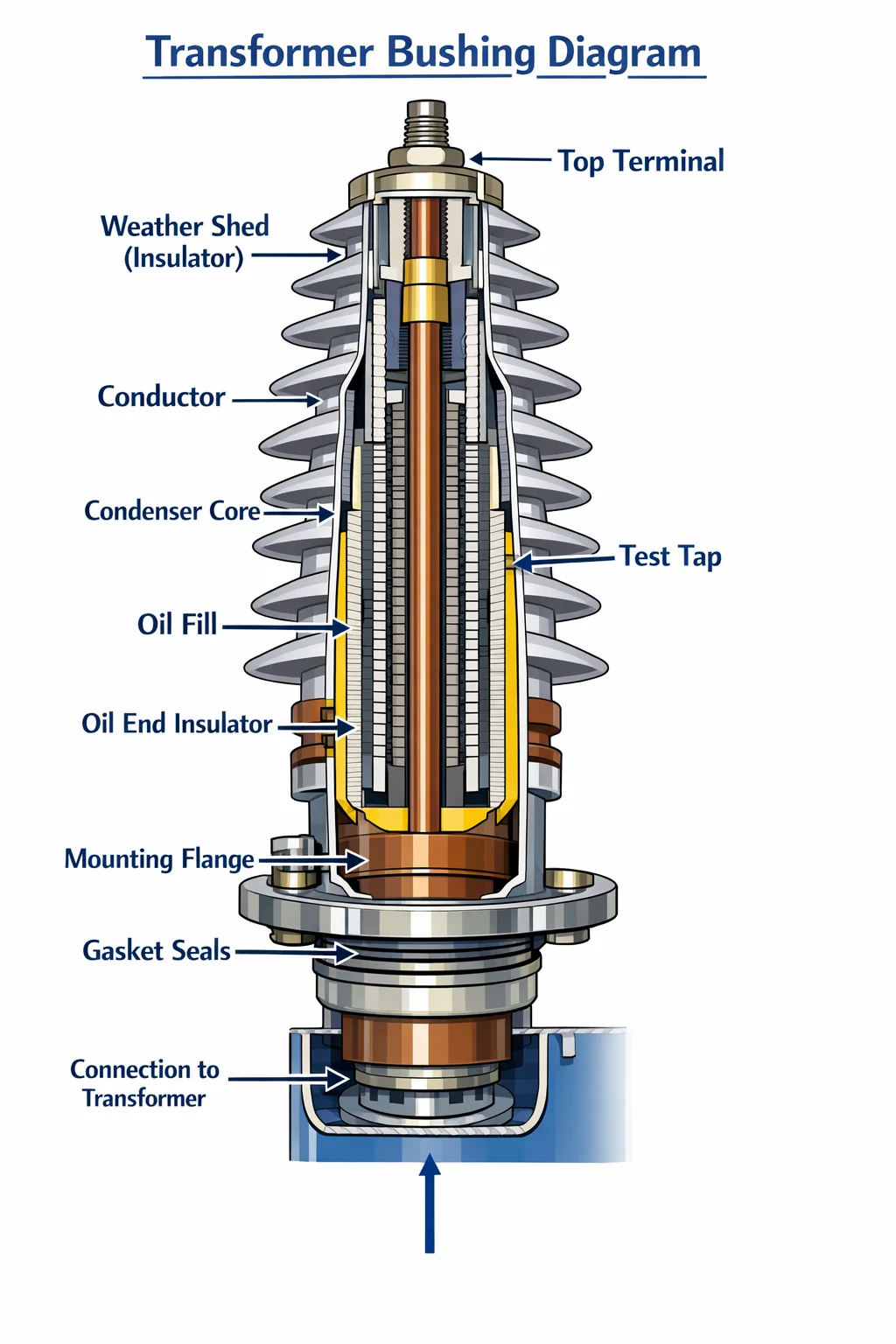
Transformer Bushing Diagram
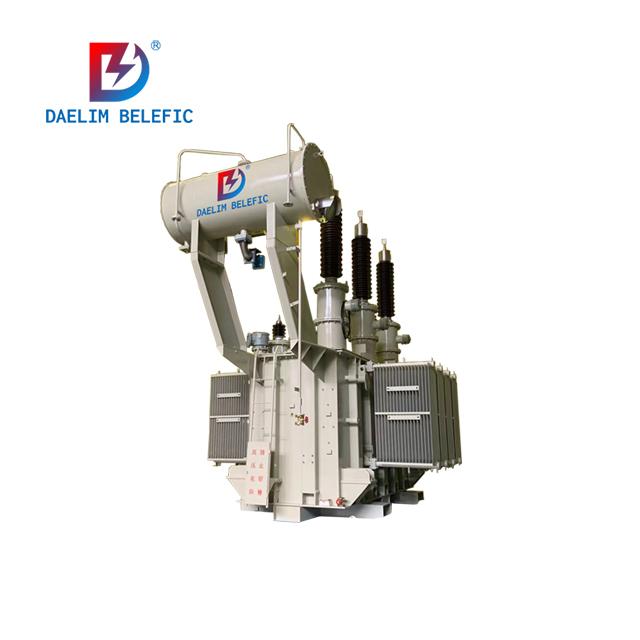
Traditional Transformer bushing is made up of 5 main components. The first and the most important component of the Transformer bushing is the central current carrying conductor. It is the part that connects the external and internal electrical components.
This current carrying conductor is covered by the insulating fluid or a solid insulator called the internal insulation system. The internal insulation system ensures that the connecting material is properly insulated from all the other parts of the bushing and transformer tank.
The internal insulation system is placed inside the bushing housing that is called external insulation housing. External housing is responsible for the overall insulation of the setup. It ensures that no current leaks from the Transformer into the conducting material passing through the bushing.
The transformer bushing also has the flanges for mounting and grounding of the transformer bushing. To connect the internal electrical components of the transformer with the external electrical setup the bushing offers terminals so that a proper electrical connection can be established.
Importance of Bushing Insulation Grading System
In Electrical Transformer bushing work, the increase in electrical voltage level increases these stresses produced by the electrical field. At higher voltage these stresses became non-uniform and highly concentrated near the conductor.
To control this the modern machines are made using graded insulation systems that control the electric field intensity and can avoid localized overstressing.
This insulation grading system ensure that the Electrical Transformer bushing offers
- Uniform voltage distribution in bushing area when high voltage current passes through the bushing
- It offers reduced partial discharge activity in the Transformer bushing area
- It also prevent the degrading of the insulation material and offer longer bushing service life
By offering uniform voltage distribution, reduce partial discharge activity and longer bushing service life. The insulation grading systems offer improved operation reliability of the electrical transformer and transformer bushing.
Transformer Bushing Material
Electrical Transformer bushings are manufactured using a variety of materials. This election of the material largely depends on the bushing design and application against which the bushing will be used. We have comprehensively discussed all the potential materials that are used for the Transformer bushing manufacturing.
Porcelain Bushings
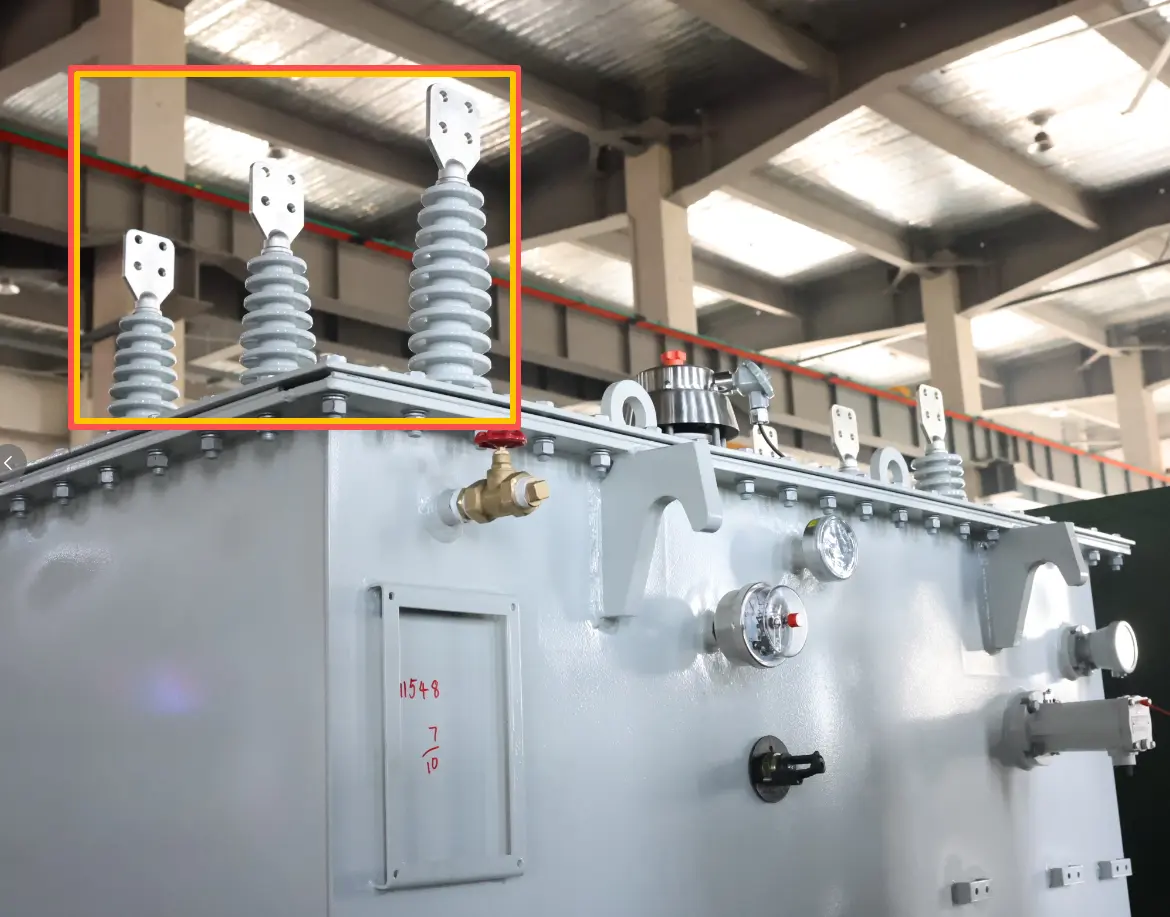
The most additional material used in the Electrical Transformer bushing manufacturing is porcelain. These porcelain bushing are traditionally used in all types of applications that need high mechanical strength with excellent dielectric properties. These are famous for offering long service life, however the Porcelain is a brittle material and it can result in catastrophic failure if mechanical stress exceeds its fracture point.
Polymer and Composite Materials
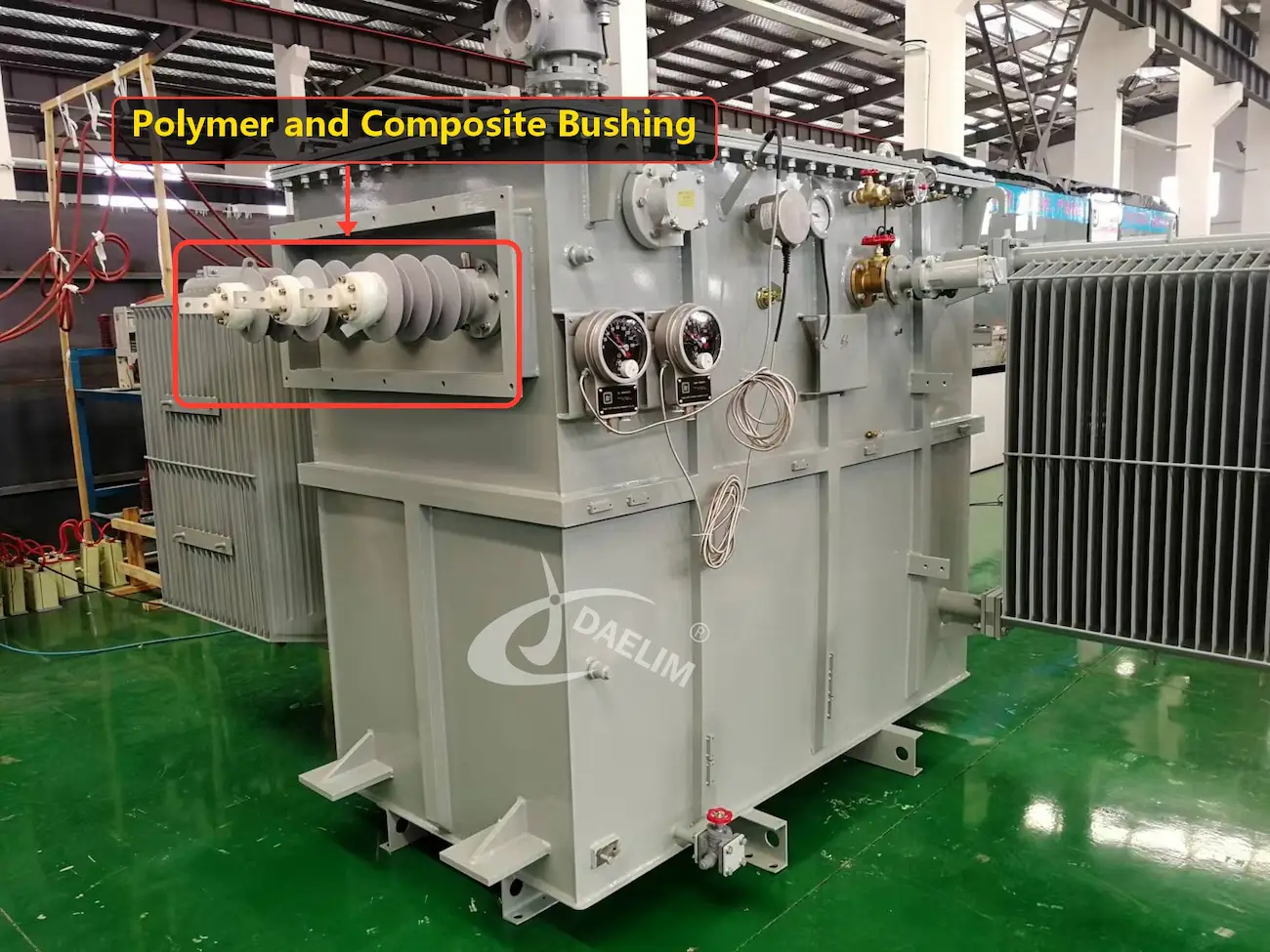
To overcome the catastrophic failure issue of Porcelain bushing, polymer and composite materials were introduced in bushing manufacturing. These Polymers and composite materials offer a very light weight material that offer excellent resistance against all types of electrical and thermal loads. The polymer and composite material have much better pollution performance and have resistance to all types of vandalism and cracking.
Bushing Internal Insulation Materials
The porcelain and the polymer or composite material are used to make the external or overall shape of the bushing. The internal components of the bushing also need insulation and for that separate bushing material are used.
Internal bushing materials includes
- Oil impregnated paper
- Resin impregnated paper
- Synthetic insulation material
Bushing Material Selection Criteria
Material selection criteria of the transformer bushing depends on number of factors that includes but not limited to;
- Electrical Transformer type, design, size, and power capacity
- The maximum voltage level that can exist at peak loading condition
- The national and international standards and laws regulating the Transformer and design
- The environmental conditions in which bushings will be installed
- All type of mechanical load on the Transformer bushing
- The maintenance criteria and the overall project cost
Types of Transformer Bushing
Depending on the application and type of Electrical Transformer, there are different types of transformer bushings developed to compensate each application. Other than this each Transformer can have more than one bushing as per its design and application. Following are some of the basic types of the transformer bushing.
High Voltage Bushing
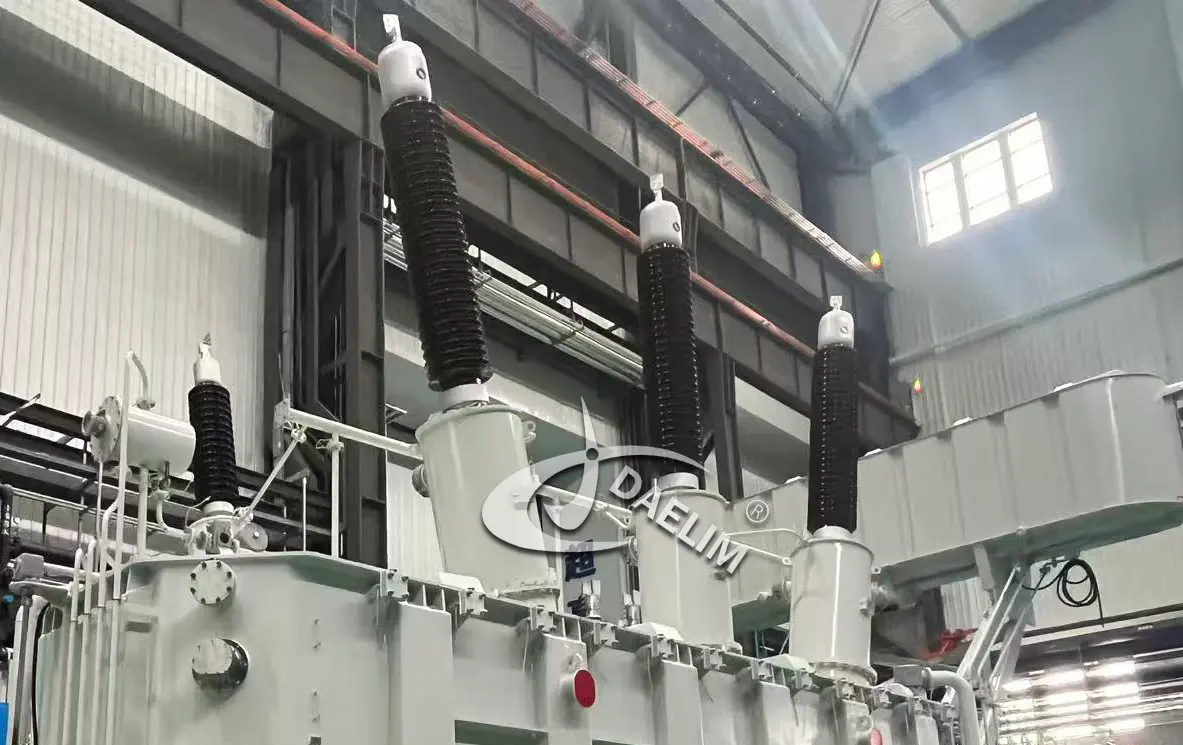
High Voltage bushings are used on the high voltage terminal or High Voltage side of the Electrical Transformer. These bushing use condenser type insulation and are designed to offer electric field control to handle high electrical stresses.
Low Voltage Bushing
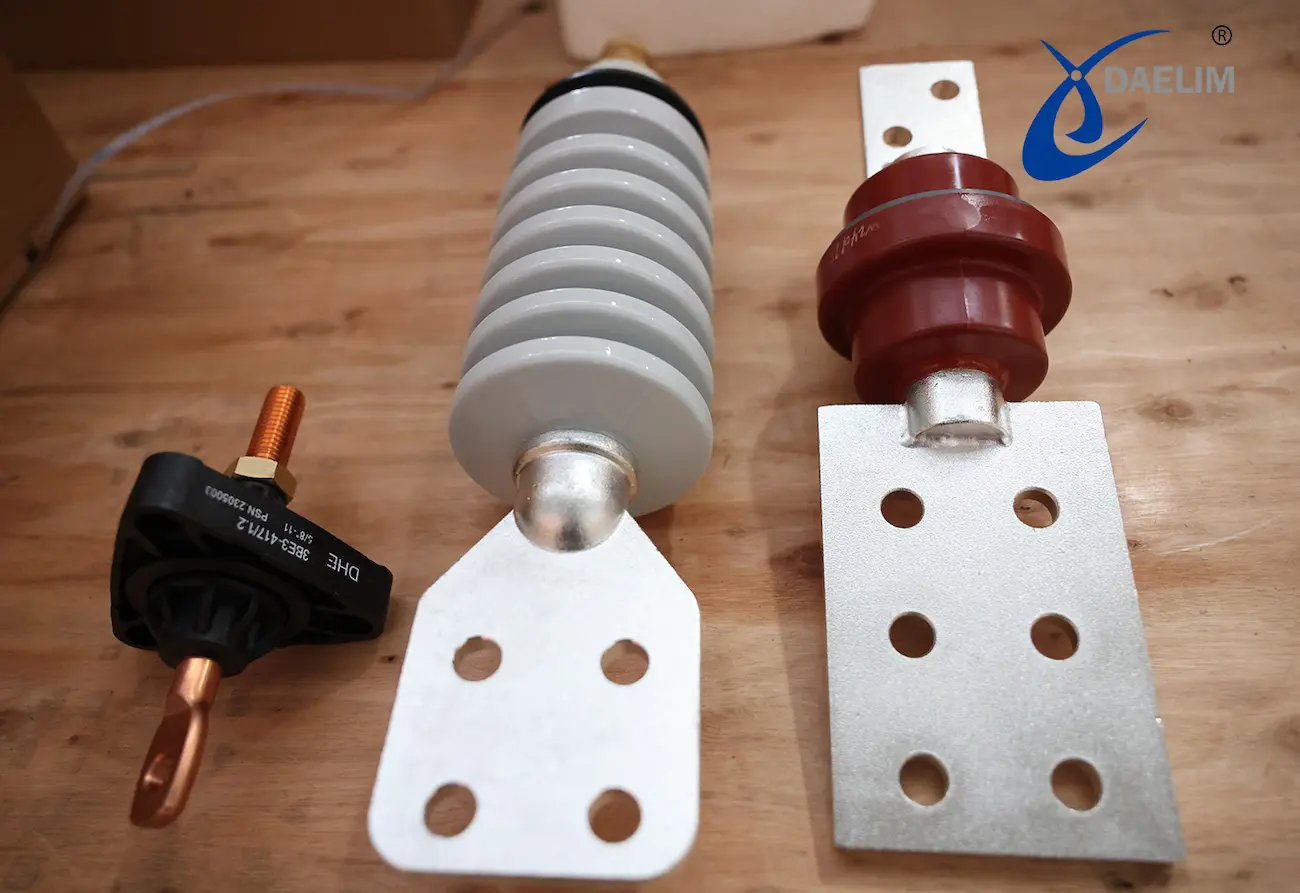
Low voltage bushings or bushing use on the low voltage side of the electrical transformer. Due to low voltage applications these bushing are made quite simple and they are really a solid dielectric bushing, working relatively under low chemical stress.
Neutral Bushing
Neutral bushings are an integral part of Electrical Transformer and like low voltage bushing these bushings work at relatively low voltage. These bushing are essential for grounding schemes and fault current management.
Dead Front Bushing
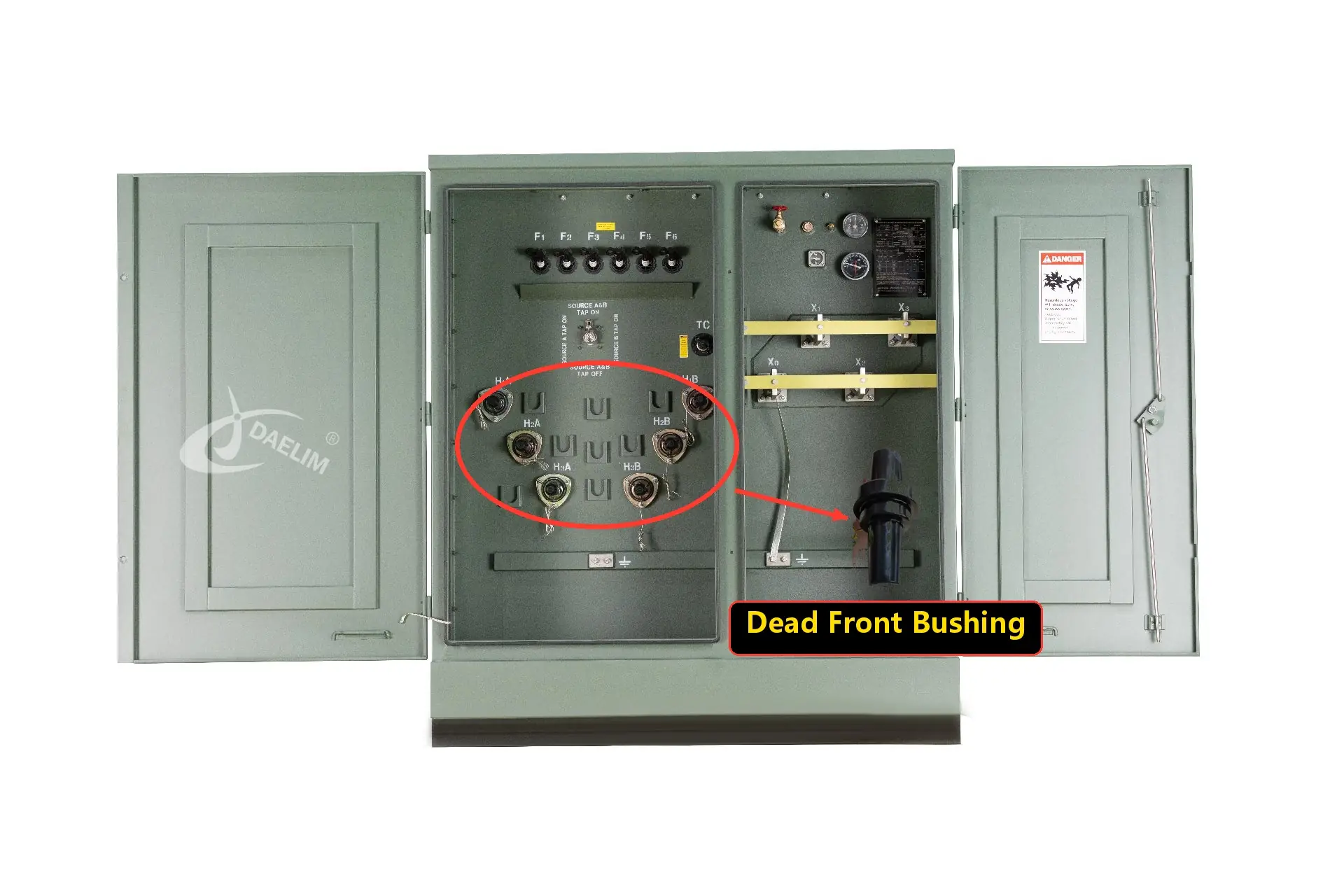
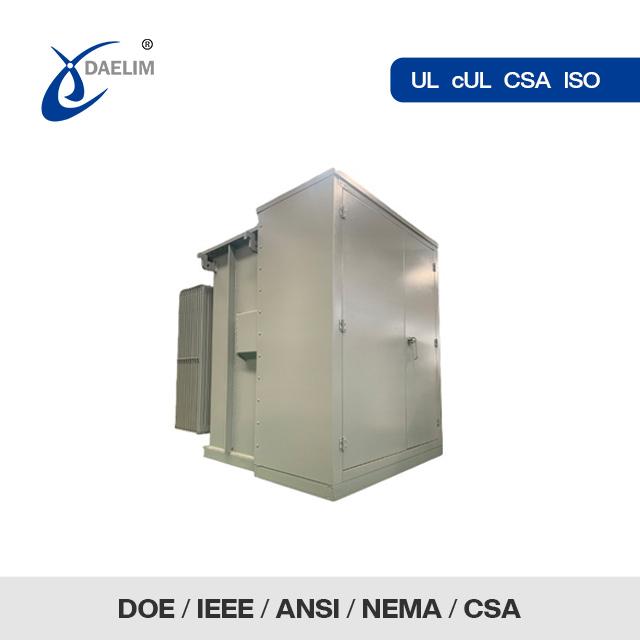
A dead front bushing is a dedicated type of bushing specifically designed and developed for the pad mounded transformers. In these bushing, all electrically conductive parts are well insulated using rubber or epoxy like material.
This significantly increases safety, minimizes accident risk and makes it easy to inspect and replace in densely populated installations. Dead front bushing is the common choice for transformers designed and developed for the American market.
Live Front Bushing
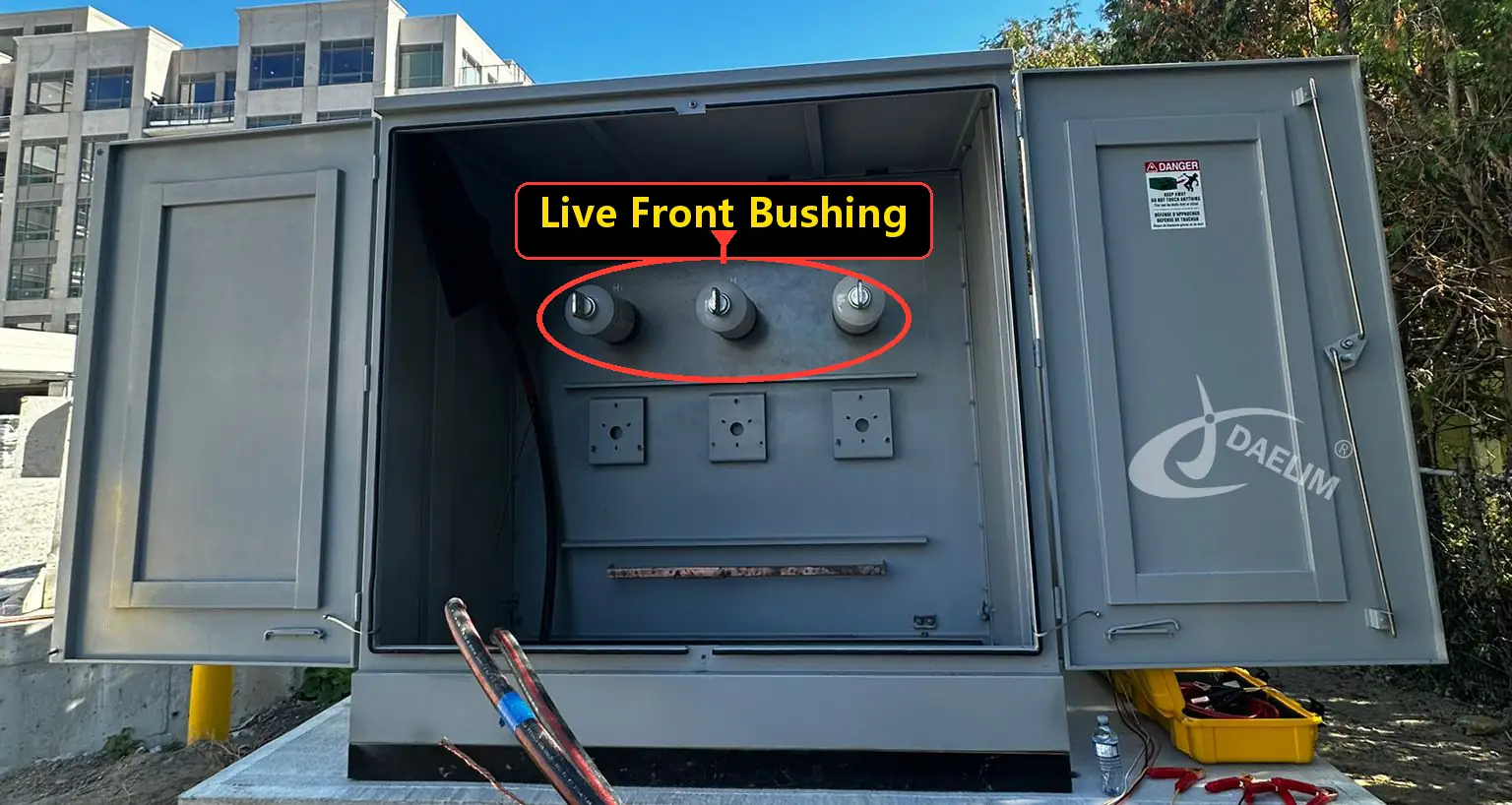
Live front bushing is a dedicated design of bushing developed for live pad mounted transformers. These bushings have exposed terminals that do increase the accident risk however are much easier to work with and cost less. Working with these bushing needs strict compliance of safety standards and procedures.
Plug in Bushing
Plug in transformer bushing are modern and alternate of dead front and live front bushing. These are also safe alternatives to conventional bushing designed for rapid connection using a shielded separable connector. Transformers designed and developed for European market or on European standards prefer this Plug in type bushing.
Solid Bushings
Solid bushings are one of the most traditional types of bushing design where a homogeneous insulation material is typically used for manufacturing. These bushings are designed and developed for low voltage applications.
Condenser Bushing
The condenser bushing is used for high voltage application. These bushings are designed and developed with conductive layers to grade the electric field and minimise stress produced due to strong electrical fields.
Types of Bushing Terminals
The Transformer bushing terminals are the points where bushing gets connected with the Electrical Transformer. Depending on the design there are three main types of bushing terminal. The first type is the stud terminal, the second type is Palm type connectors and the third type is the clamp type terminal.
This terminal makes the mechanical and electrical connection between the Electrical Transformer and the Transformer bushing. So these connection should make sure that the connection between the bushing and transformer is
- Properly secured and mechanically fixed so that any type of mechanical thermal and electrical stress can be handled properly
- connection of minimum electrical resistance as high contact resistance can lead to overheating and can cause bushing or Transformer failure.
Common Transformer Bushing Failures and Maintenance
Like any other component of Electrical Transformer the Transformer bushing also faces failures and maintenance issues that need to be addressed for proper transformer working. The following are some of the common Transformer bushing failures and maintenance requirements that you need to perform efficient output.
Partial Discharge
As the transformer bushing is designed and developed for insulation of electrical conductors moving into and out of these transformers. so one of the very common failures for maintenance issues detected on the Transformer. Bushing does not completely fail rather it is considered as it is leaking small electric current from minor defects.
Insulation Breakdown
Another most common Transformer bushing Failure is the insulation breakdown. Is a permanent bushing failure where the Transformer bushing fails to provide insulation of the electrical conductor moving into or out of the Electrical Transformer.
The insulation breakdown really happened due to prolonged electrical stresses and thermal stresses. These stresses are produced due to excessive heat in the Transformer. These electrical stresses and thermal stresses can lead to dielectric material failure.
Oil Leakage and Moisture Ingress
One of the failure modes of the Transformer bushing is where the Transformer bushing starts leaking its internal insulation oil. The oil leak really happened due to either poor manufacturing practices or damage on the Transformer Bushing. The oil leakage from the transformer bushing also increases the chance of moisture ingress resulting in the moisture contamination of the transformer bushing.
Inspection and Diagnostic Methods
As transformer bushing is an integral part of the Electrical Transformer. So during the scheduled maintenance of the Electrical Transformer the inspection and diagnostics of the transformer bushing is also done. There are four different diagnostic techniques involved in inspection and Diagnostic of the transformer bushing and the or as follows.
- Visual inspection of transformer bushing is done to inspect any visual damage done to only the external part of the transformer bushing or any type of internal insulation fluid leakage.
- Infrared thermography test is done to inspect the Transformer bushing thermally and detect any sign of overheating affecting the Transformer bushing.
- Partial discharge test is done on the Transformer bushing to detect any leakage of electric current from the bushing.
- Capacitance and Tan Delta measurement test is done to test the ability of the transformer bushing to offer insulation to the electrical conductor moving into or out of the transformer tank.
FAQ
Why do transformers need bushings?
Electrical transformers need bushings for offering insulated electrical connection between external and internal electrical components. They are also needed for mechanical support and pressurized sealing of electrical conductors.
What causes bushing failure?
Factors like moisture ingression, insulation aging, thermal stress and surface contamination are major causes that can result in total bushing failure.
What happens when a bushing fails?
A transformer bushing failure can result in total or partial transformer failure, explosions or fire on the affected part or at least temporary outage of the electricity.
How much does it cost to replace a bushing?
It totally depends on the type, size, and power capacity of the transformer. A low voltage distribution transformer bushing can cost from $100 to $350 per unit, high voltage bushing can cost from a few thousand up to $30,000. The total replacement cost also considers shipment and installation cost as well.
What is the difference between a transformer bushing and an insulator?
Transformer bushing is an integral part of a transformer as they offer an insulated and secure way of connecting internal and external electrical parts of the transformer. Whereas the insulator as a whole refers to the material used to insulate international components like winding, core and other internal parts.
What are the signs of a bad transformer bushing?
Transformer bushing is an external component and signs of bad bushing can be observed in visual inspection. These signs include cracks on the outer surface, oil leakage, high temperature reading during thermography and abnormal reading in capacitance and Tan Delta measurement test.
What is the life expectancy of a transformer bushing?
Transformer bushing is designed to offer efficient performance during the entire life span on the transformer on which they are installed. For any given transformer bushing, 10 to 25 years is a normal useful life during which it offers best performance.
Conclusion
Transformer bushing provides a safe and reliable connection between internal and external transformer parts. Selecting transformer bushing of the right type, size, and material is crucial for efficiency and compliance with international standards. At Daelim Belefic, our engineers with decades of experience ensure that each transformer is designed and built with the correct bushing type. If you need help or have query about transformer bushing design, sizing, and supply, Contact Us now!

 English
 Polish
 German