
Residential transformers are important for providing safe, stable power to homes, industries, container homes,and other buildings. Whether the transformer is installed at any location, such as residential projects, or by the developer, selecting an accurate transformer is difficult, as it is a procurement decision that affects overall operational cost and regulatory approval.
In this tutorial, we will cover details for the buying guide for residential transformers for getting the right transformer for our applications. Let’s get started.
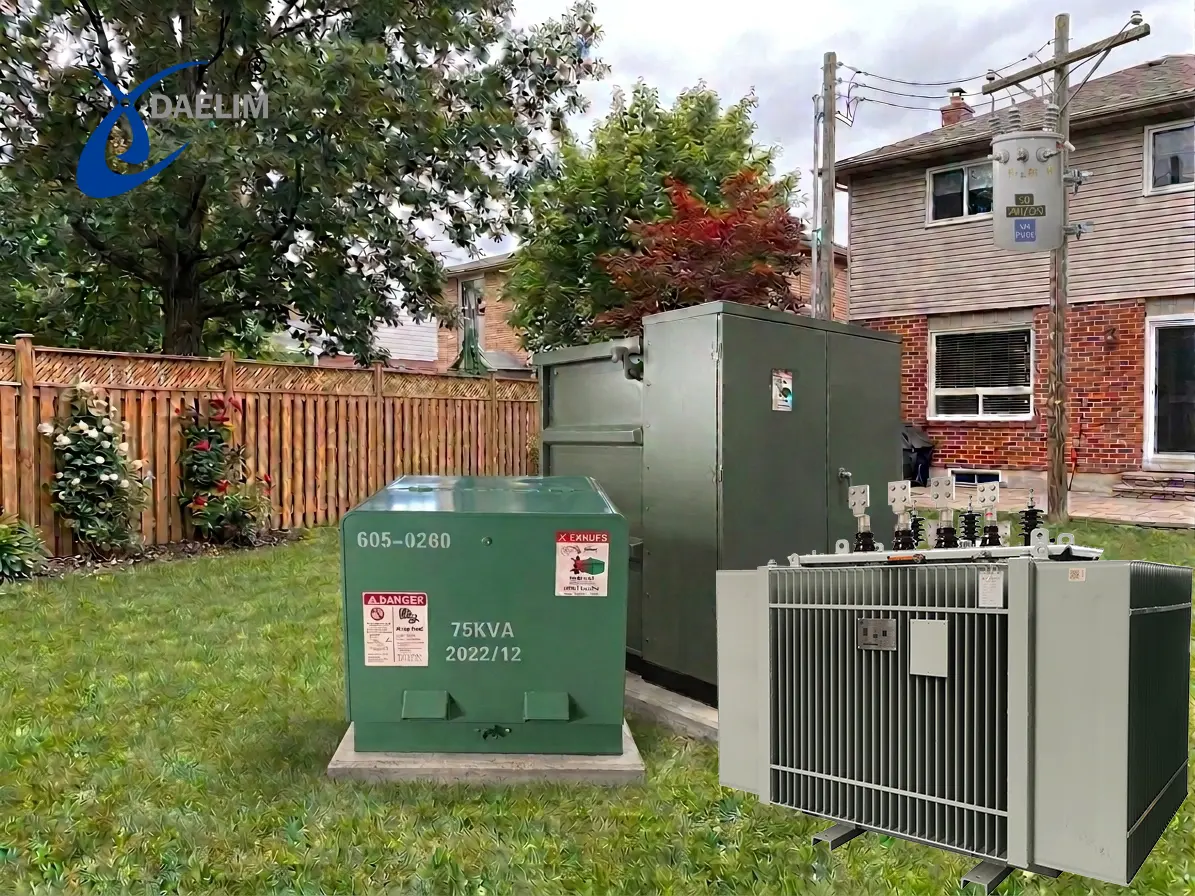
Main Procurement Factor
Required Capacity Configuration
- The initial procurement step is to check that the transformer capacity meets current and residential demand requirements.
- When buying, check these factors for the transformer kVA rating as well.
- It is according to residential load requirements, providing required occupancy growth and future expansion plans, such as extra housing units.
Net Procurement Cost
- The purchasing cost does not include the actual cost of the transformer. Complete procurement evaluations of transformer comes with
- Documentation and certification charges, protection components, accessories, inspections and approval charges, and installation preparation demand.
- If not considered, these components result in a high budget and extra financial burden for project applications
Get it free: How to Request and Evaluate a Transformer Quotation?
Compliance & Certification
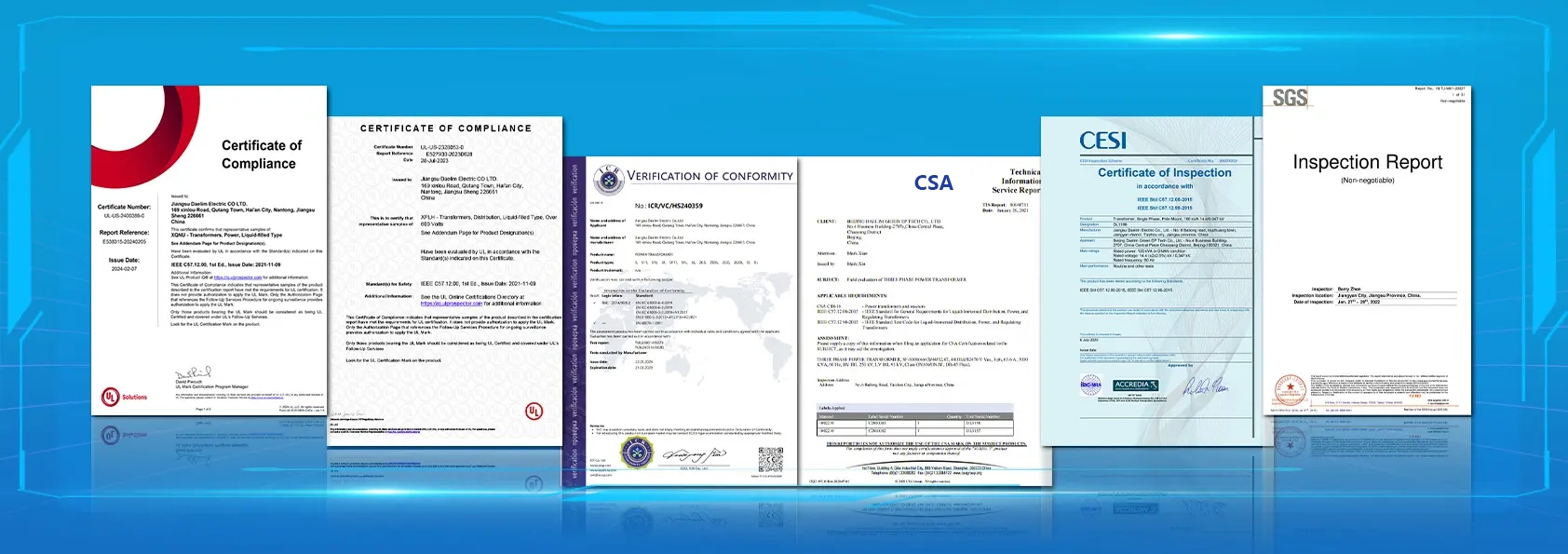
- The residential transformer should fulfill the requirements of electrical rules for certain locations and also utility company standards, such as IEEE, ANSI, IEC, CSA.
- Certification documents checks, factory testing reports, utility acceptance demand, compatibility with applicable electrical codes.
- If you get a noncompliant device, it will not be accepted during commission, resulting in delay and extra cost for replacement.
Warranty & Commercial Protection
A transformer is a device that needed lnger term operations so the warranty should cover important procurement parameters like:
- Warranty time
- Coverage scope
- Claim details
- Supplier responsibilities during warranty
Parameter & Technical Solution Confirmation
Capacity & Voltage
- First of all, check if the transformer rating is according to the residential project requirements. When buying, check the kVA capacity according to residential electrical demand and the primary voltage according to the incoming supply.
- Secondary voltage fulfills the requirement of the distribution system employed in the residential area.
- Not only check the catalog features, but also ask the supplier about written details that show the transformer rating best for the required applications. These validations avoid any dispute occurrence in the future.
Installation compatibility
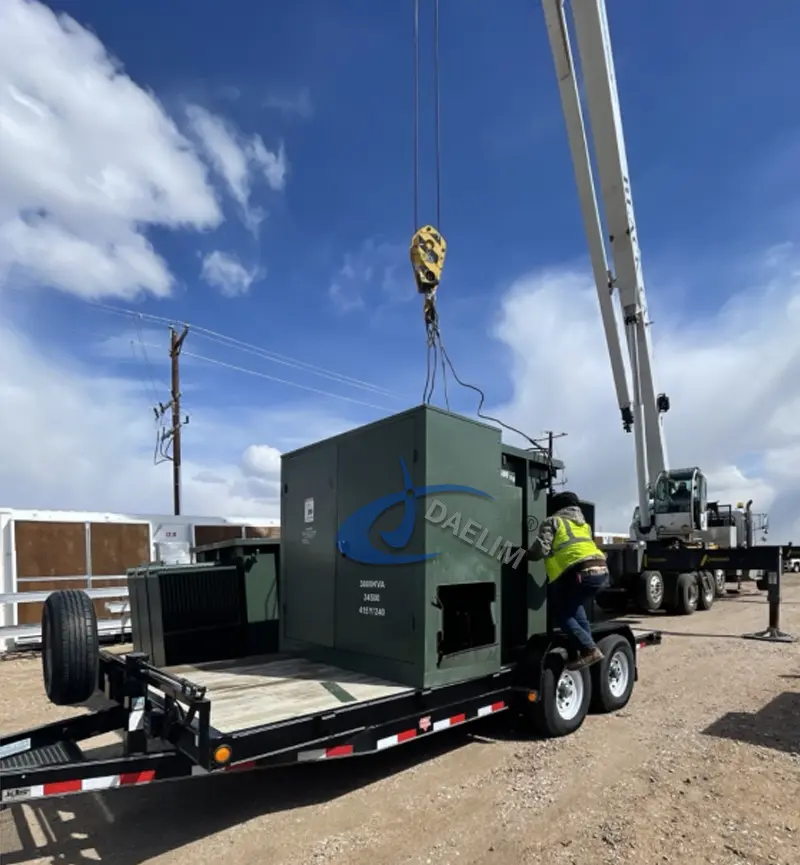
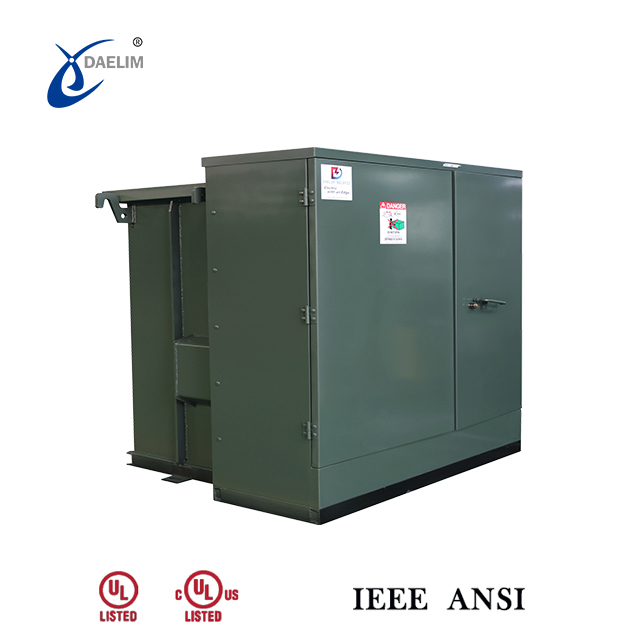
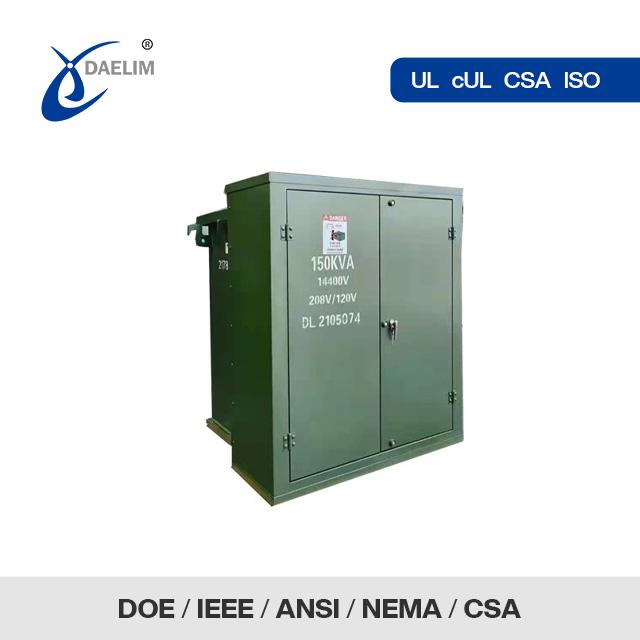
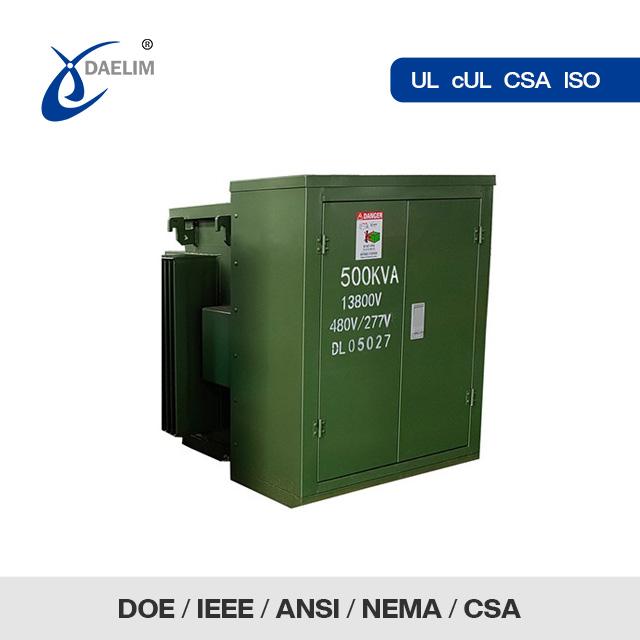
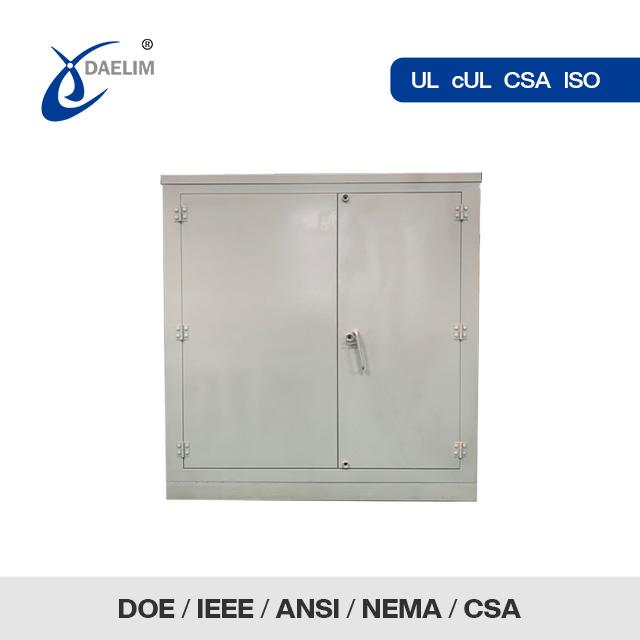
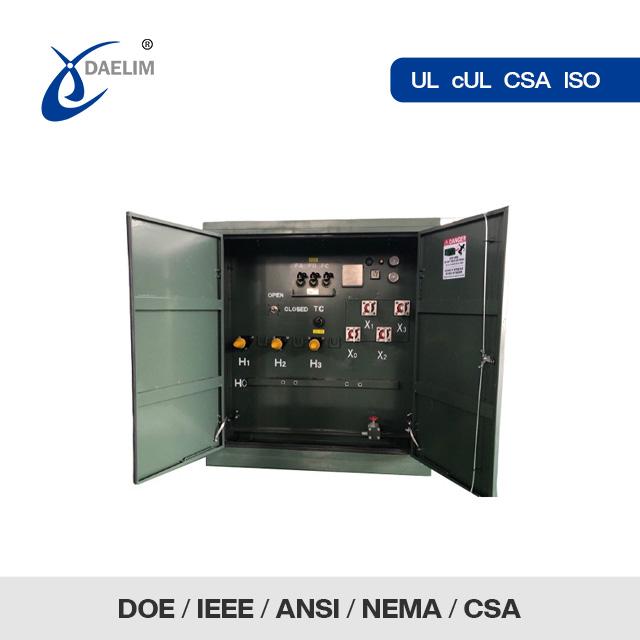
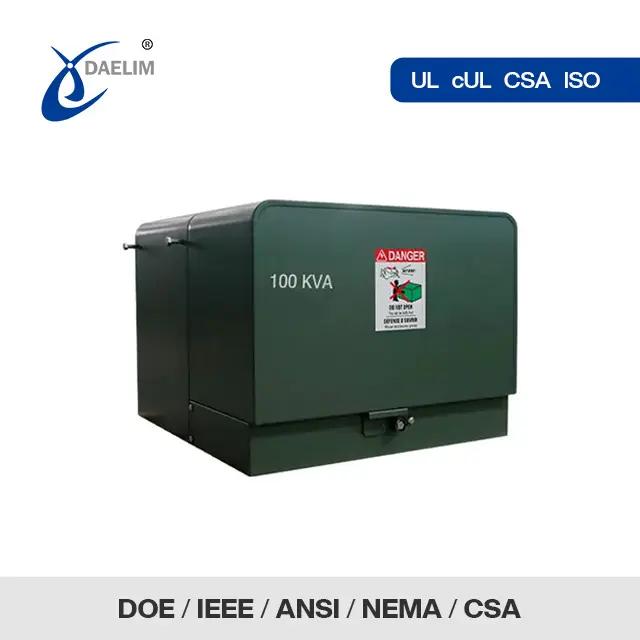
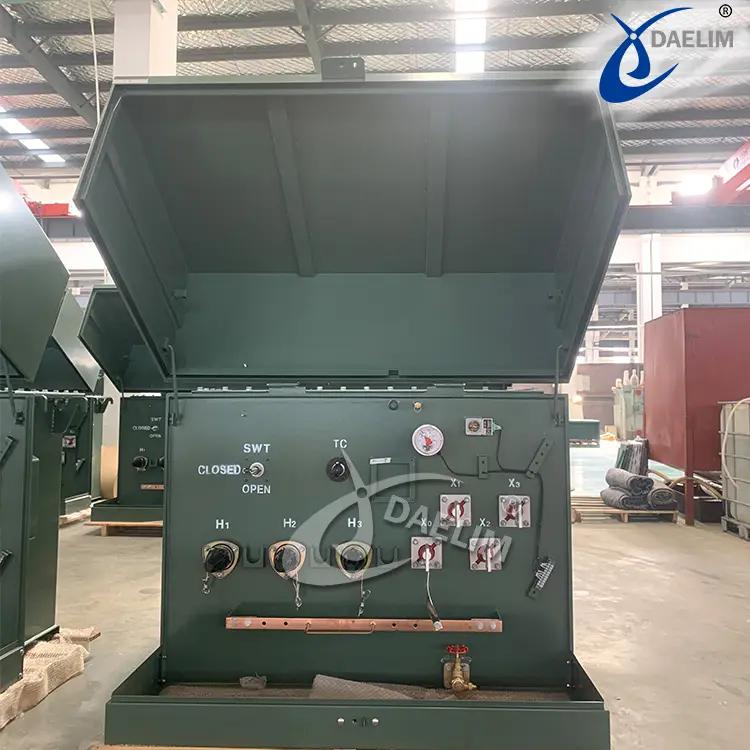
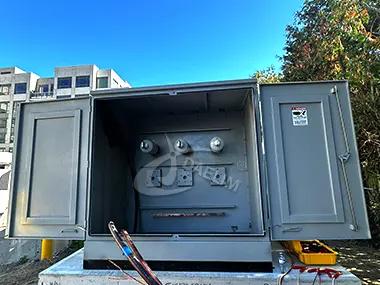
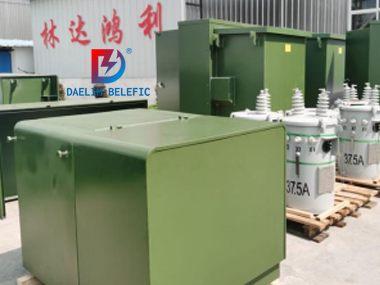
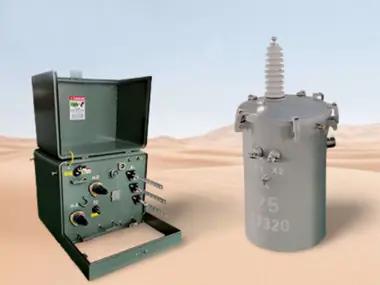
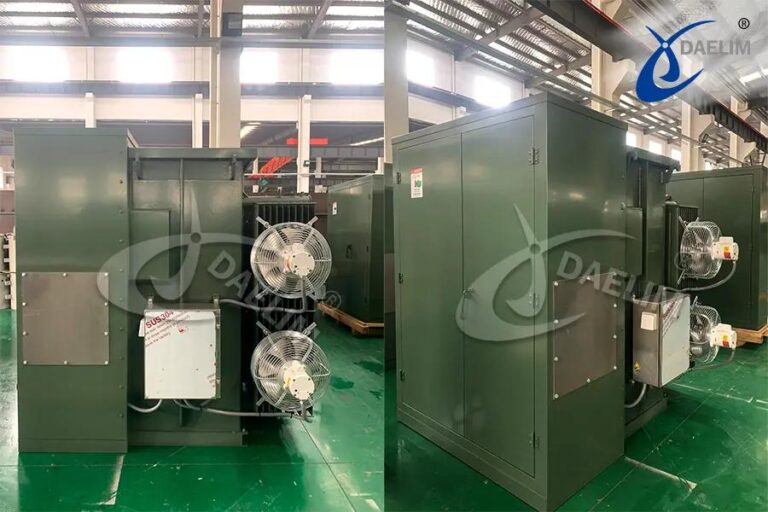
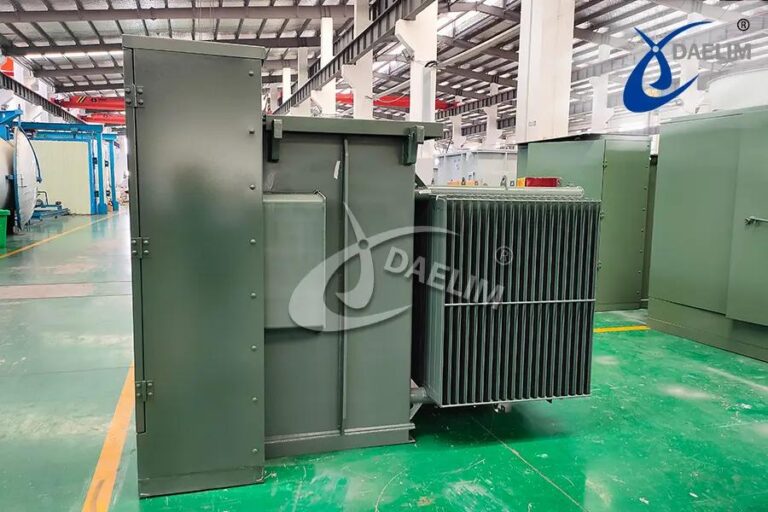
Residential transformers are commonly installed in two configurations: pad-mounted transformers, which are installed on concrete pads at ground level for underground distribution systems, and pole-mounted transformers, which are mounted on utility poles for overhead distribution systems where ground space is limited.
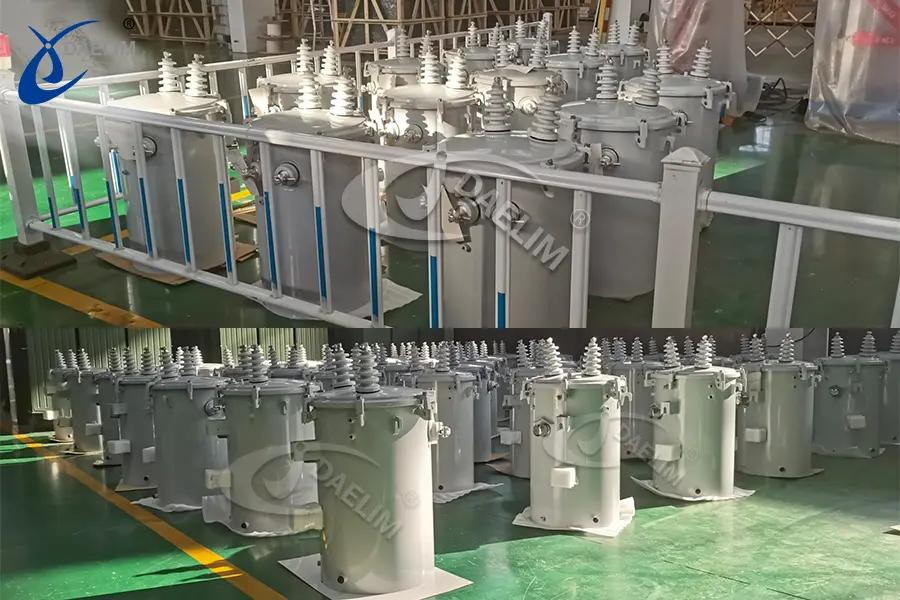
So check that your selected products fulfill the requirements of the site locations. Also, ensure installation locations are easy to access and safe, and site restrictions are not affecting installation demand.
Also, ensure that the transformer installation environment is preferable for the selected unit, such as not being affected by heat or direct sunlight, dust or moisture, or flood-prone areas.
Learn more about Transformer Installation
Regulatory & Utility Approval
- Common procurement delays resulting when the transformer reaches the site but does not follows utility inspections. Each area has its own electrical standards, so transformers should fulfill that requirments.
- So before buying, ask the supplier for documented proof details like type test report make sure safety testing, and performance.
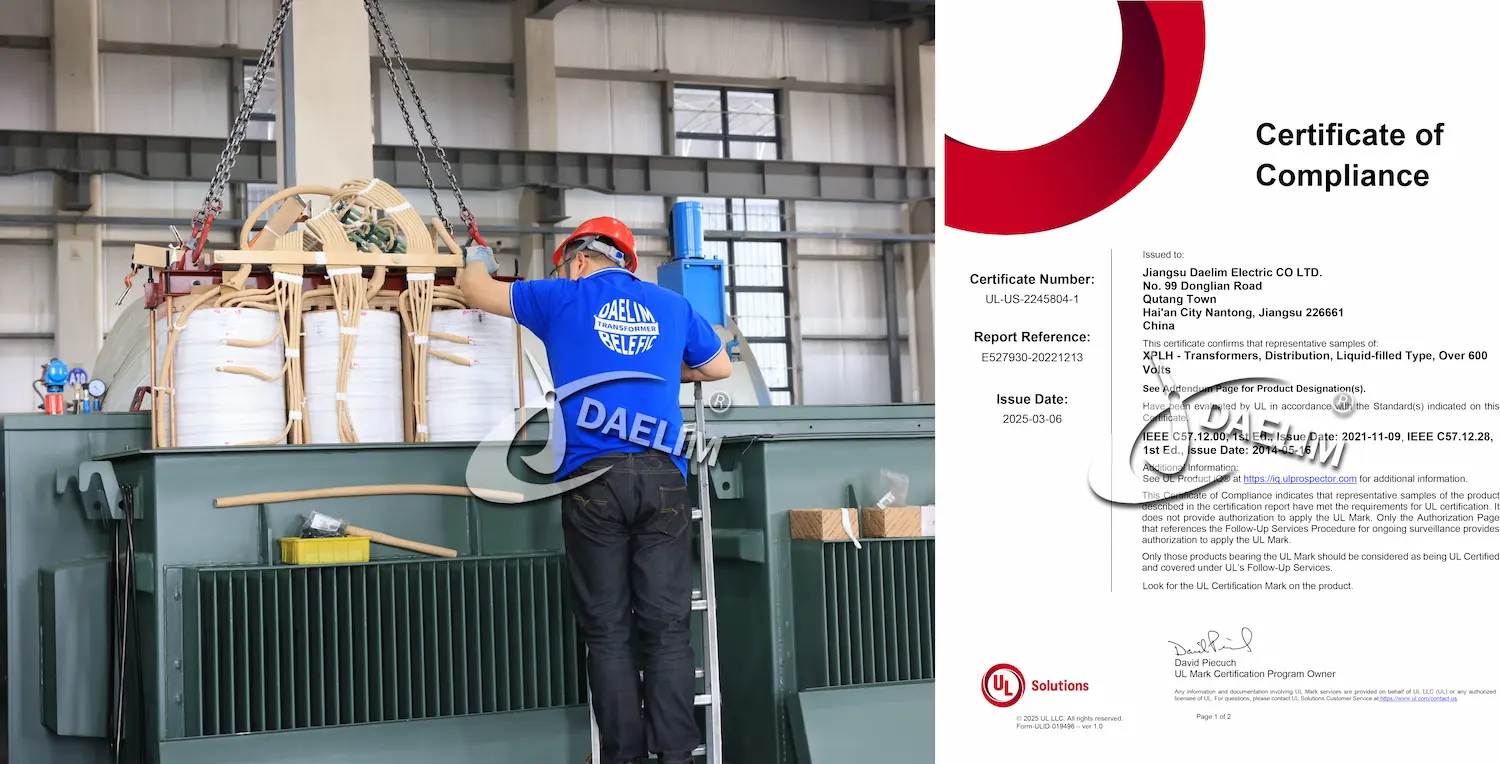
- Compliance certificates indicates following required standards. Ensure the utility approval letter for the locations applied.
Interface & Accessory Support
- As we know, transformers operate in a complete system, where different components exist, so all components must be compatible with that electrical system.
- So during buying, check that protective devices, fuses, grounding process, and connection interfacing are supported by the transformer.
- If the transformer is according to requirements, but the related devices are not according to demand.
- such as a faulty fuse rating causing protection failure or improper grounding resulting in a safety hazard.
- If the connection does not match, it results in high-cost site modifications.
How Buyers Identify a Reliable Supplier?
Choosing a residential transformer is not only about an accurate device but also about defining the selection of an accurate supplier. Either you have a technically accurate transformer that causes serious faults if it’s from an unreliable supplier, or you have a technically inaccurate transformer. An inefficient supplier can provide low-quality products, documentation delays, or not provide support after installation.
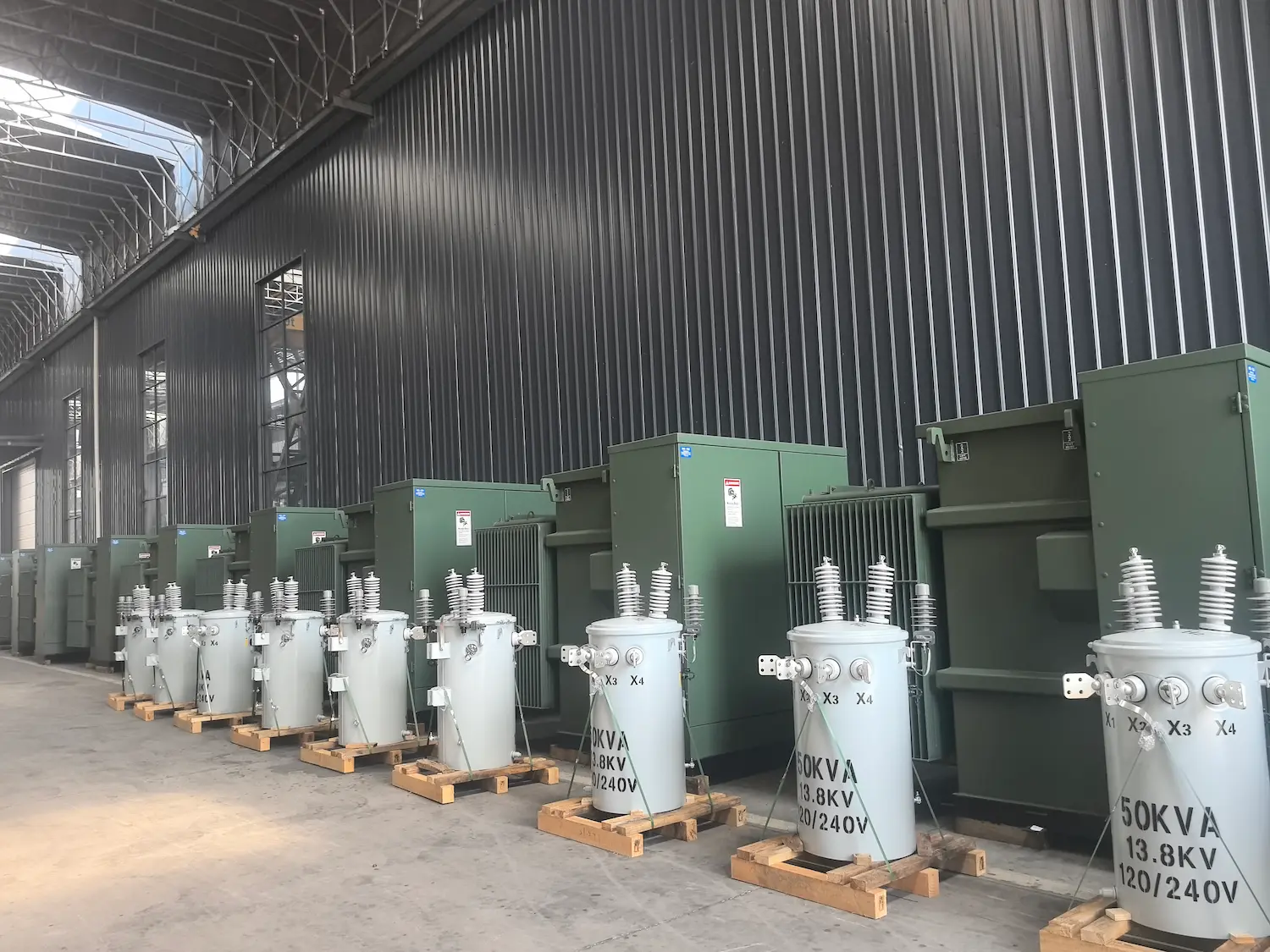
Supplier Credentials
First of all, ensure the transformer supplier has the required certification and ability to make a transformer according to requirements.
- For these purposes, check the manufacturer’s experience to see how many years they have been in the transformer field.
- Check their certification for providing quality services or for electrical standards.
- Check that the manufacturer has an active market status and is famous in the industry.
- With that, check their older history in residential or utility-based projects.
Product Quality
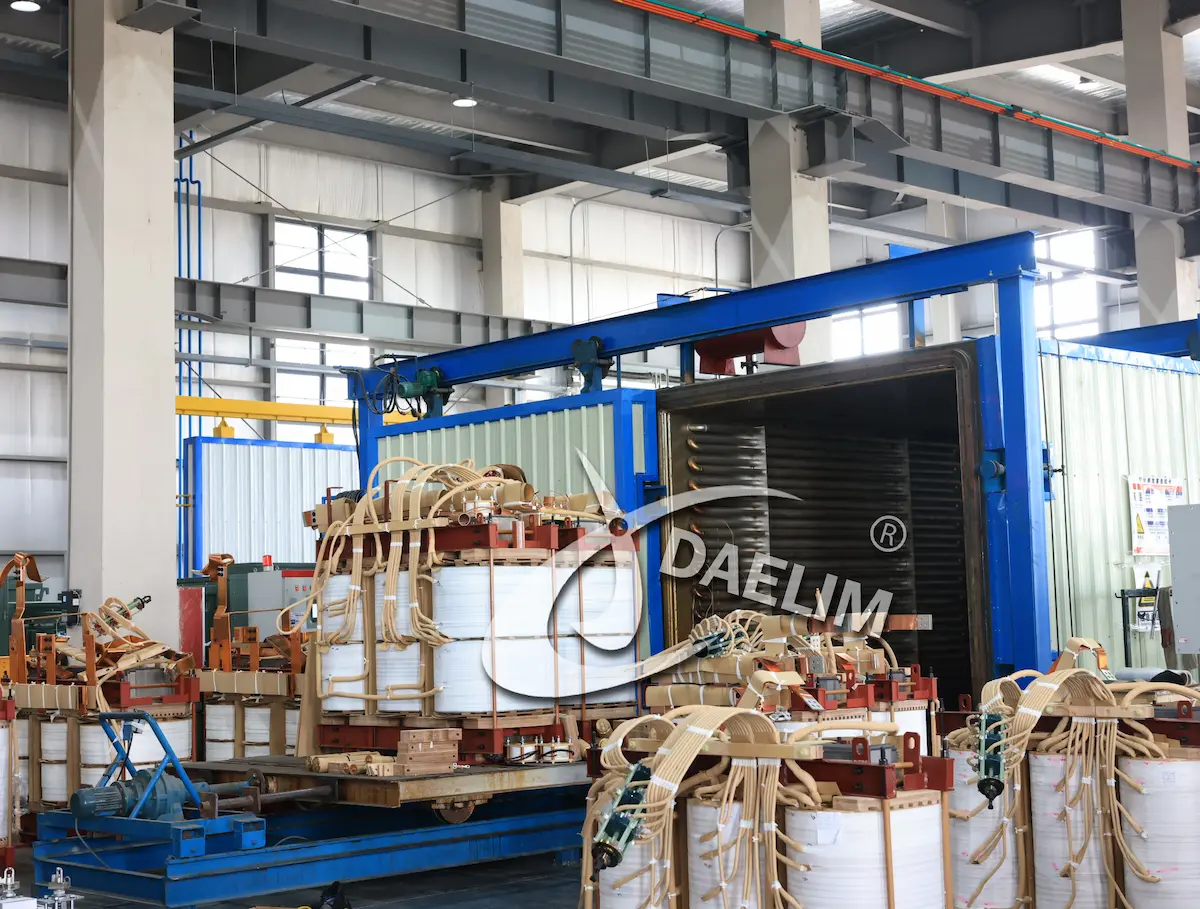
A famous and reliable supplier offers documentation that comes with details about product quality.
Buyers Should Request Documents
- The factor testing report ensures testing performance before delivery to customers. Quality inspection shows details about manufacturing checks.
- Certifications about compliance define the required standards.
Customer Support
Since transformers operate for longer durations, the supplier should provide support after installation, which is also important for longer-term operations.
Ensure these points before buying a transformer from suppliers.
- Ensures the supplier offers technical support if any fault occurs after installation.
- Show the warranty claim process.
- Check they have spare parts and component replacement services.
- Check they have timelines for service requests.
Pricing Transparency
A proper supplier offers a quotation that shows details about all details of prices. Their quote comes with
- cost of devices and related equipment
- accessory charges, certification charges, transportation and logistic charges, and optional services
Common Residential Transformer Procurement Failures
Residential transformer procurement is not completed since the devices are complex, and during purchasing, the buyer does not check important factors. By understanding these errors, we can avoid financial losses, delays, and operational faults.
Sizing errors
- The common error is choosing a transformer according to rough ideas rather than getting verified load details. Buyers select capacity according to current use or based on rough estimations without adding future details. As a result, the transformer does not manage the required load demand.
- Due to this rough sizing process, overloading and overheating. Voltage losses occur, damage devices, and cause high-cost device replacement.
- To solve this fault, check that load calculations from professionals, add expected future growth, and get written confirmation about the selected capacity from the supplier
Supplier selection
- Getting services from suppliers that offer low prices is also a risk of procurement. Low-cost suppliers also have less manufacturing experience, quality faults, or a lack of certifications.
- Unsuitable supplier selection resulting in bad product quality, missed documents, limited support, and approval rejection by utilities
- To solve this error, before selecting buyers, check that they are a verified company and are certified. Check project requirements and experience, and get some examples and references. Also, ensure they have the required equipment and capabilities.
Compliance Gaps
Some customers thought that standard transformers automatically fulfilled the requirements of local electrical requirements. But it is not goodsince each region and utility has different regulations.
So it results from utility connection refusal, commission delays, inspection failure, and forced device replacement. To solve this error, always get written compliance details, test reports, certification documents, and acceptance evidence.
Hidden Expenses
Sometimes buyers just get focused on base device prices and do not consider extra procurement charges. so important produces not added in initial quotations and added extra charges. Commonly hidden charges include inspection charges, protective devices, transportation and logistics, installation preparation demands, documentation, and certification fees.
To solve these faults, ask the supplier to provide you with a complete quotation that gives details about the costs for supply and delivery. That shows the budget and comparison between vendors
Procurement Decision Checklist
It is the final verification method used before purchasing a residential transformer. Its main objective is to ensure that all important factors, like technical specs, commercial, and all other factors, are finished accurately. Through these checklists, each point is systematically reviewed. Since fulfilling these checklists, we can avoid project delays, extra charges, and faults during installations.
Product Verification
- At this point, check that the transformer is according to residential project requirements.
This section confirms that the transformer itself is technically suitable for the residential project.
Capacity and Voltage Confirmation
- Buyers check transformer capacity or kVA rating and voltage level according to residential electrical demand, utility supply voltage, and internal distribution demand.
Installation type based on the site
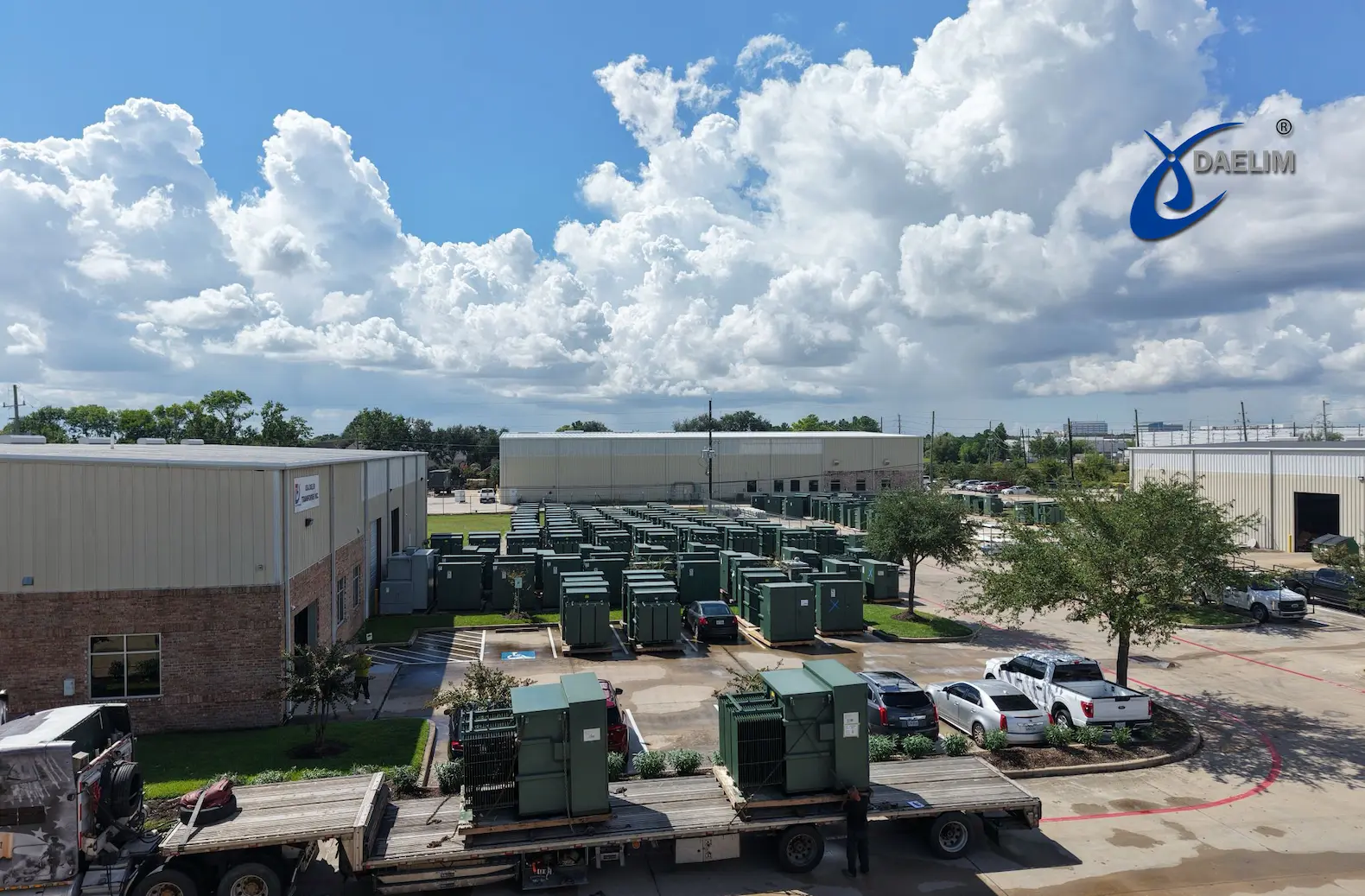
- Buyers must check the selected type of installation, like pad-mounted or pole-mounted, according to location requirements, so they must check safety parameters, environmental factors, and space.
Parameters & Technical Solution
This point ensures the transformer fulfills regulatory and operational features.
Compliance Documents
- During the buying process, the transformer gets a certification and testing report. Check that the transformer fulfills the required standards and rules. That helps to get approval during the inspection process.
Authority Approval Confirmed
There is a need for proper approval for utilities before energization of devices. So ensure acceptance of demand to avoid project delays.
Accessories and Interfaces Verification
- The transformer should be operated accurately through proper protection devices and connection configurations. So make sure that fuses and protection devices are according to requirements, grounding demand, and cable connections.
Conclusion
Buying a residential transformer is an important technical factor that is proper planning based on infrastructure decisions that have an effect on electrical safety, reliable operation, and long-term project function. Buyers who just focus on equipment cost face different issues like compliance, installation difficulties, and extra charges for commission and functions.
Accurate procurement needed capacity confirmation and voltage for checking that the transformer is fulfilling the requirements of the residence and also has future growth through accurate verification of compliance documents and certifications for fulfilling utility features.
Evaluating the supplier’s reliability, industry experience, and customer support is crucial. Since these factors are important for longer-term performance, defining the supplier’s ability for technical help, warranty services, and important documentation.
Daelim transformers also focus on engineering validation, high-quality testing, and proper documentation support, which helps users to face low risk and get reliable operation of the transformer. For buyers, understanding important points like net procurement cost, which involves accessories, logistics, approvals, and services, is important compared to only focusing on device prices.
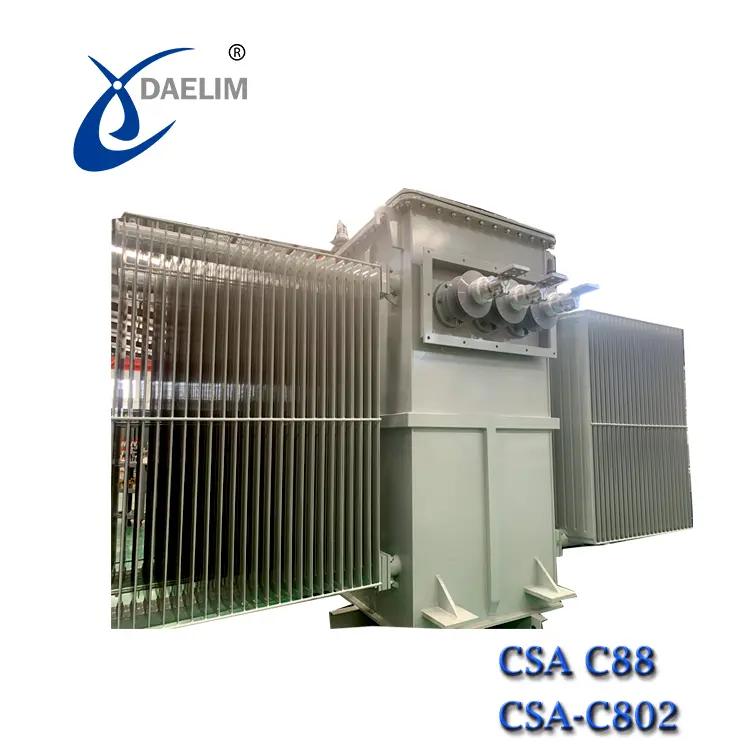
Daelim delivers more than 5000 transformer units to Europe and North America, including pad-mounted transformers, single-phase transformers, and HV power transformers. We can construct up to 345 kV and 500 MVA. We also provide renewable energy market-based services like BESS, wind, and solar with blockchain, data centers, and gas and oil industries. We are in collaboration with more than 500 companies.
 English
 Polish
 German